8-Day Uganda Game Drive Safari
A savannah-only route through Uganda’s four main game drive areas, planned for travellers who want game drives in Uganda rather than primates.

Inquire Now




An 8-day Uganda savannah safari with game drives in Lake Mburo, the Ishasha sector and Kasenyi plains of Queen Elizabeth, and Murchison Falls, plus a Kazinga Channel cruise, a Nile launch trip and rhino tracking at Ziwa.
8-Day Uganda Game Drive Safari
A savannah-only route through Uganda’s four main game drive areas, planned for travellers who want game drives in Uganda rather than primates.
Most Uganda safaris are built around gorillas and chimpanzees, with a quick game drive on the way. This one turns that round and spends eight days on the savannah: walking and night drives in Lake Mburo, the tree-climbing lions of Ishasha, the Kazinga Channel, the Nile in Murchison Falls and rhinos on foot at Ziwa. It suits travellers who have already trekked gorillas, or who simply want the best of Uganda's game drives, and it can be extended with a gorilla trek in Bwindi.
Our driver-guide meets you at Entebbe International Airport and takes you to your hotel, a few minutes away on the shore of Lake Victoria, Africa’s largest lake at about 68,800 square kilometres. If you land early, the afternoon is free for the Entebbe Botanical Gardens, laid out in 1898, where monkeys and hornbills move through old trees by the water, or for a visit to the Uganda Wildlife Conservation Education Centre. Your guide drops in at the hotel in the evening to run through the route: Lake Mburo, the Ishasha sector and Kasenyi plains of Queen Elizabeth, then north to Murchison Falls, with rhino tracking on the last day. He will also explain the safari vehicle, a 4×4 with a pop-up roof, and how the long drive days are broken up with stops. Dinner and overnight at Protea Hotel Entebbe or Hotel No. 5.
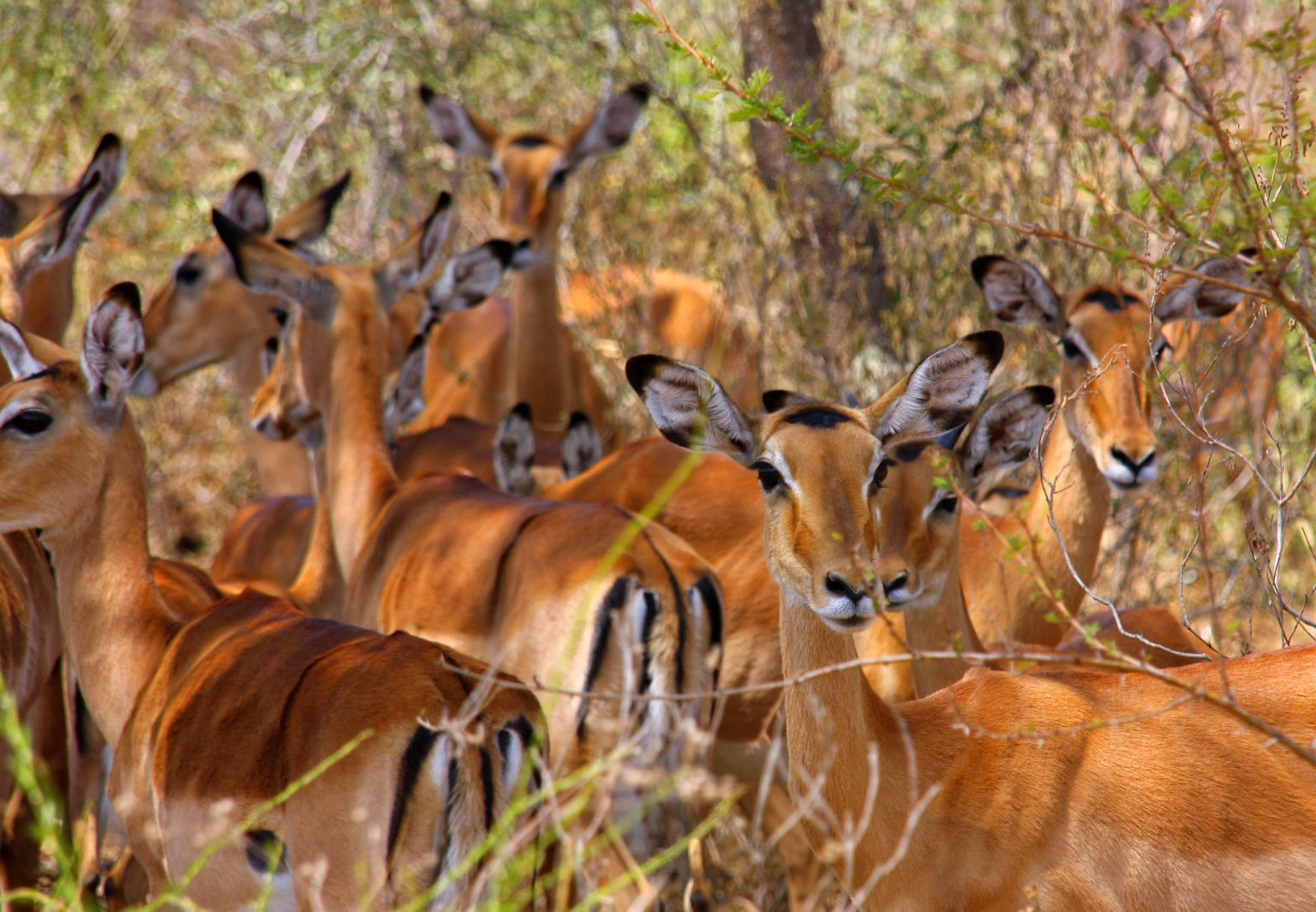
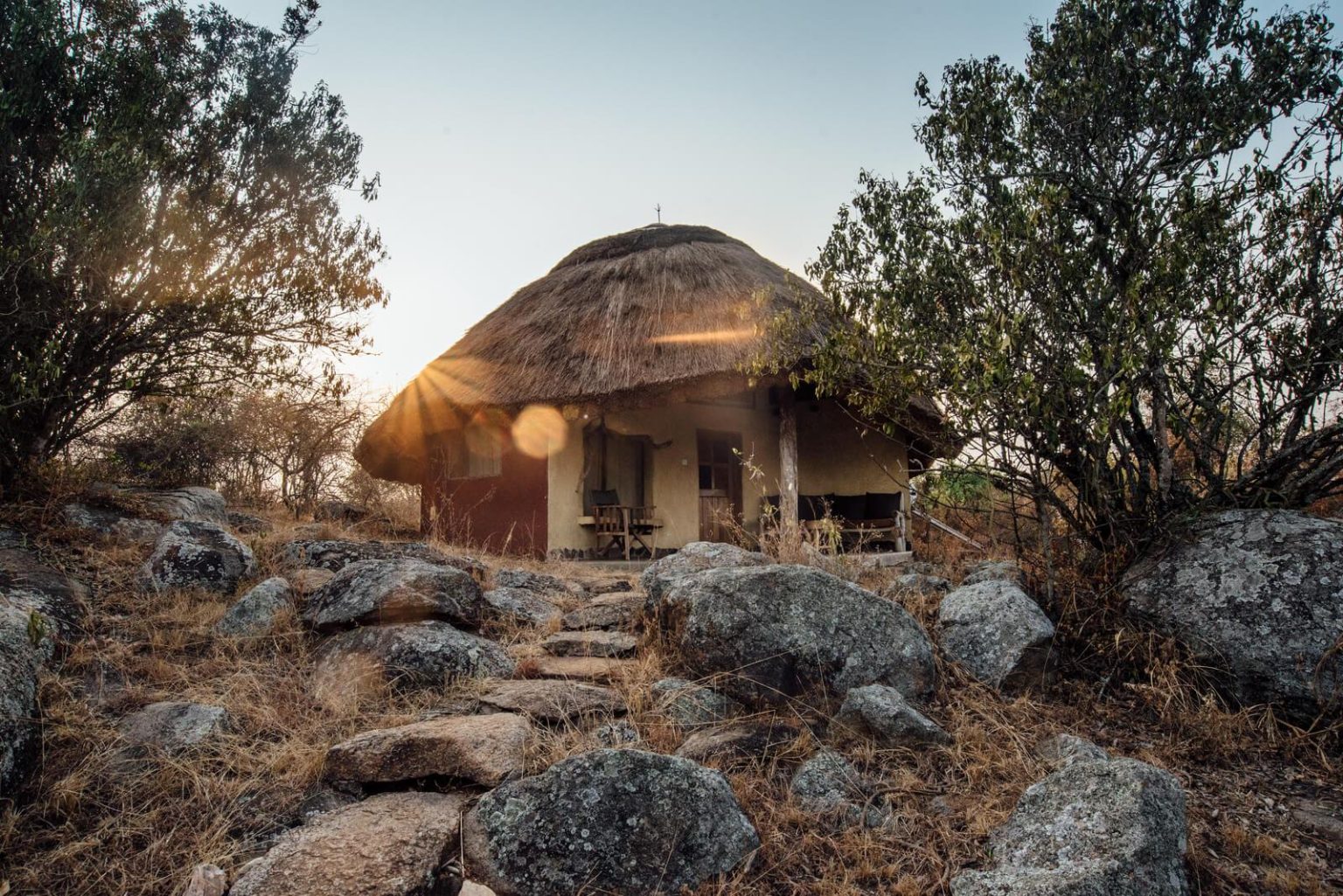
After breakfast you head west on the Masaka road, about 240 km and four to five hours, with a stop at the equator at Kayabwe for photos and a coffee. The country changes from banana plantations to the rolling grassland and acacia of Ankole, where you will see the long-horned Ankole cattle. Lake Mburo National Park covers about 370 square kilometres and is the only park in western Uganda with impala and the best place in the country to see eland, Africa’s largest antelope, along with zebra, topi, buffalo and warthog. You enter through the Nshara gate with a game drive to the lodge and, after a late lunch, set out on an evening drive through the acacia woodland as the light softens. Dinner and overnight at Rwakobo Rock or Mihingo Lodge.
Lake Mburo has no elephants and few large predators, which makes it one of the few Ugandan parks where you can walk among the animals. In the early morning you set out on a guided walking safari with an armed ranger, walking up to zebra and eland on foot and learning to read tracks in the dust. After brunch you take a boat trip on Lake Mburo, the largest of the park’s five lakes, for hippo, crocodile and water birds including the African finfoot and, with luck, the shoebill in the papyrus. After dark you join a night game drive with a spotlight, looking for leopard, which are seen more often here than in most Ugandan parks, along with spotted hyena, bushbabies and genets. Dinner and overnight at Rwakobo Rock or Mihingo Lodge.
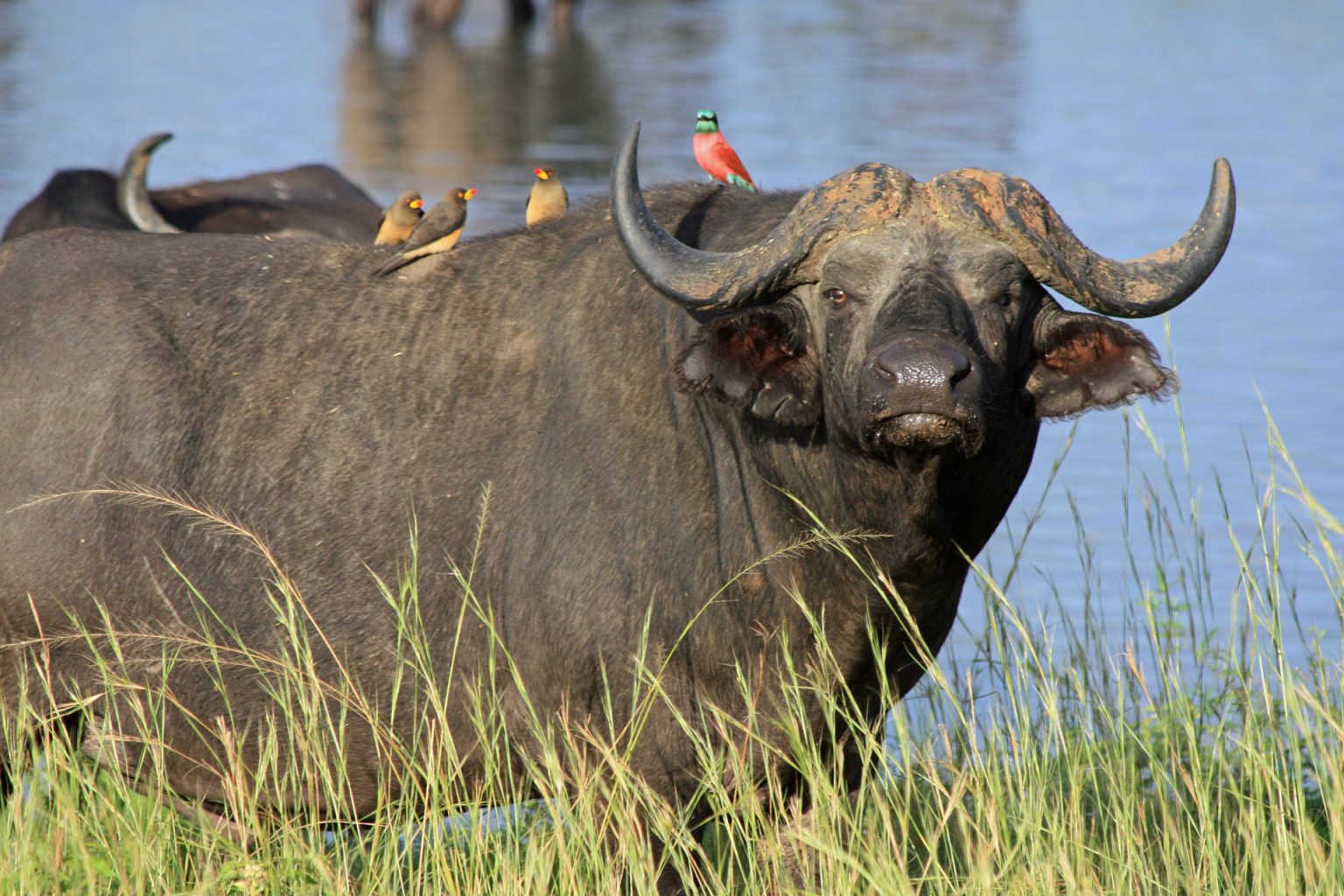
You drive west through Mbarara and Rukungiri to the Ishasha sector in the south of Queen Elizabeth National Park, about five hours with a picnic lunch. Ishasha is famous for its tree-climbing lions, which spend the hot hours draped over the branches of large fig and acacia trees, possibly to escape the heat and the flies on the ground. Your afternoon game drive follows the circuits between the fig trees and across the open plains, home to large herds of Uganda kob, topi and buffalo, with elephants along the Ishasha River, which forms the border with the Democratic Republic of Congo. Few vehicles come this far, so you often have a sighting to yourself. Dinner and overnight at Ishasha Wilderness Camp or Ishasha Jungle Lodge.
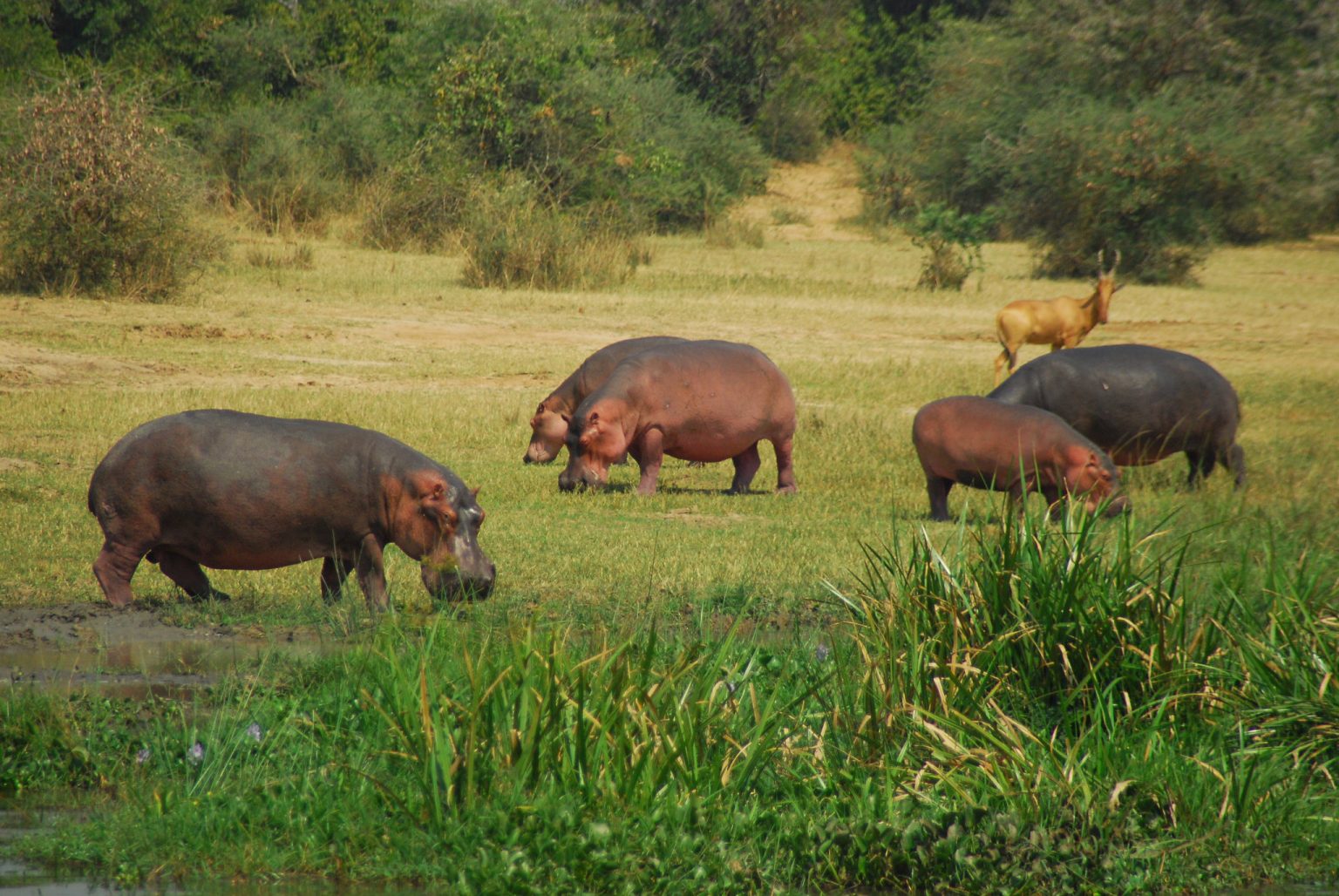
After an early game drive in Ishasha you drive north through the park to the Mweya peninsula, about three hours with game viewing on the way. Queen Elizabeth National Park covers 1,978 square kilometres, was founded in 1952 and has more than 600 bird species, one of the highest totals of any park in East Africa. In the afternoon you join the two-hour boat cruise on the Kazinga Channel, the natural channel of about 32 km that links Lake George and Lake Edward. The banks hold one of the densest hippo populations in Africa, with buffalo and elephant coming down to drink, crocodiles on the mud and pied kingfishers, fish eagles and skimmers overhead. Dinner and overnight at Mweya Safari Lodge.
You leave Mweya before sunrise for a game drive on the Kasenyi plains, where the lions hunt Uganda kob at their breeding grounds in the early light. After breakfast you start the long drive north to Murchison Falls through Fort Portal, the crater lakes and tea estates of Kabarole, and Hoima. Allow eight to nine hours with a lunch stop; the roads are now mostly tarred, and the views of the Rwenzori Mountains and the Albertine Rift break up the day. You reach the southern bank of the Nile in the early evening and cross by ferry, or stay on the south bank, depending on the lodge. Dinner and overnight at Paraa Safari Lodge or Murchison River Lodge.
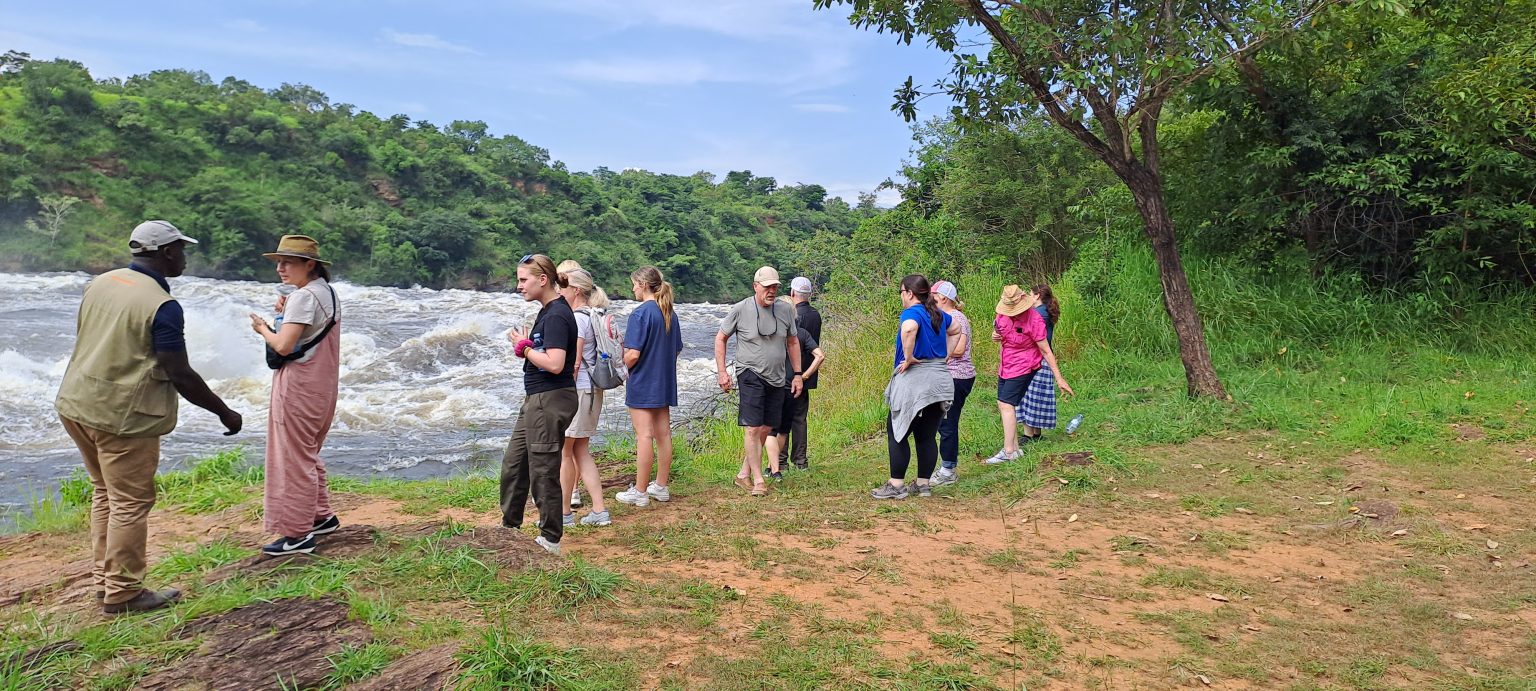
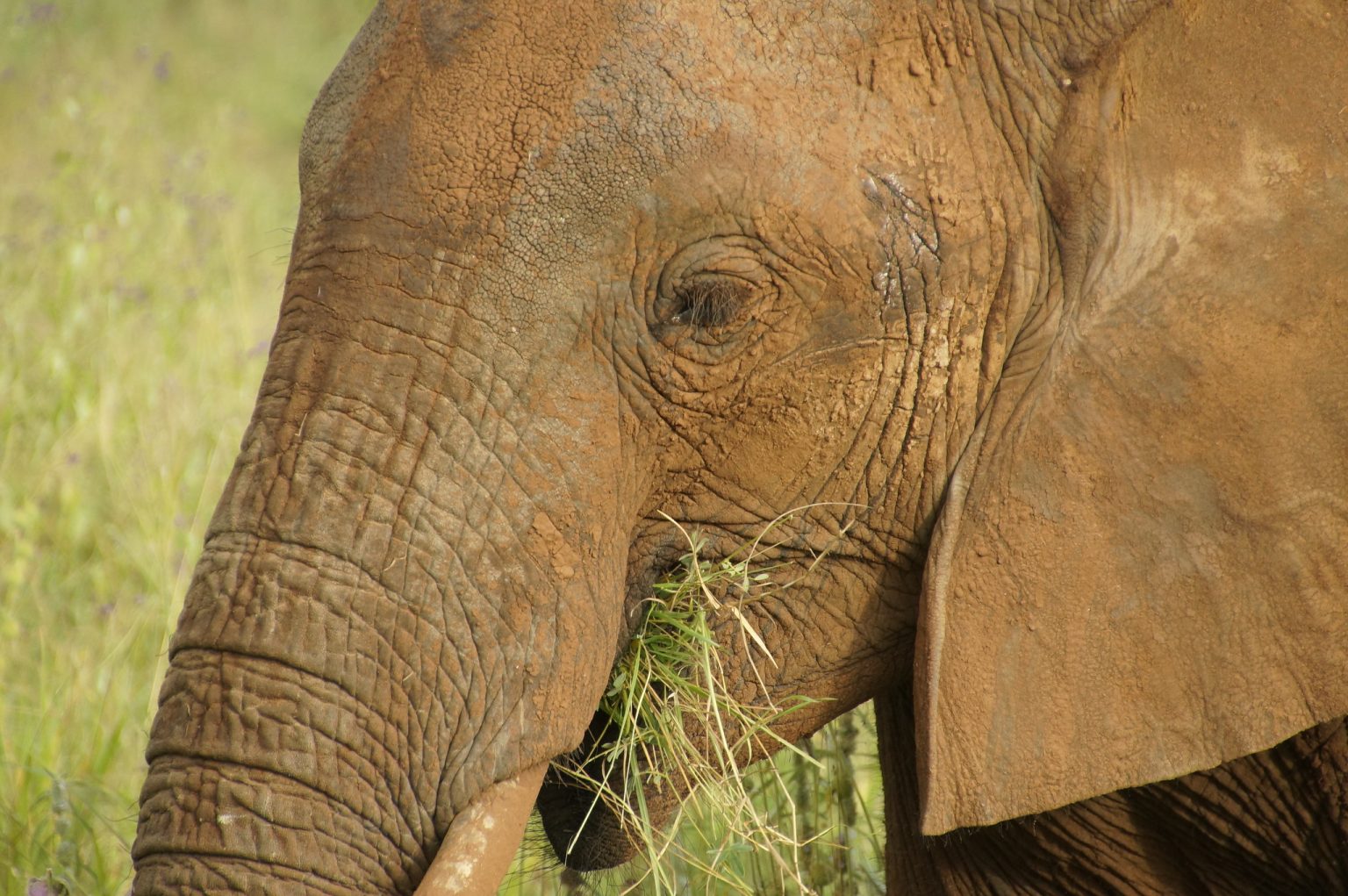
An early ferry takes you to the north bank for a morning game drive in the Buligi area, the delta of grassland between the Victoria and Albert Niles. Murchison Falls National Park is Uganda’s largest at 3,893 square kilometres, and the north bank is home to large herds of Rothschild’s giraffe, elephant, buffalo, Jackson’s hartebeest and Uganda kob, with lion and the occasional leopard. In the afternoon you take the launch trip upstream to the foot of the falls, about three hours past hippo pods, crocodiles and elephants at the water’s edge. The boat drops you below the falls for a short hike to the top of Murchison Falls, where the whole Nile squeezes through a gap of about seven metres and drops 43 metres with a roar you feel in your chest. Dinner and overnight at Paraa Safari Lodge or Murchison River Lodge.
After breakfast you drive south for about three hours to the Ziwa Rhino Sanctuary, the only place in Uganda where you can see wild rhinos. White rhinos were lost from Uganda in the early 1980s, and Ziwa’s breeding programme, which started with six animals, now holds a growing herd. With a ranger you track them on foot, stopping at a safe distance as they graze, which completes your list of the Big Five for the trip. After lunch you continue to Entebbe, about four hours, for your flight home or a hotel night (not included).

Mihingo Lodge

Kigambira Safari Lodge

Kigarama Wilderness Lodge

Rwakobo Rock Lodge

Mpogo Safari Lodge

Eagle’S Nest

Hyena Hill Lodge

Leopard Rest Camp

Kyambura Gorge Lodge

The River Station

Honey Bear Bush Camp

Mweya Safari Lodge

Acacia Wilderness Mweya

Kalinzu Eco Lodge

Elephant Plains Safari Lodge

Elephant Hub Safari Lodge (Elephant Hab Lodge)

Twin Lakes Safari Lodge

Ihamba Lakeside Safari Lodge

Irungu Forest Safari Lodge

Bush Lodge Tents

Tembo Safari Lodge

Nile Safari Lodge

Papa’S Camp

Anyadwe House

Kulu Ora Tented Lodge

Paraa Safari Lodge

Entikko Safari Lodge

Twiga Safari Lodge

Pabidi Lodge (Budongo Forest)

Pakuba Safari Lodge

Fort Murchison Lodge

Murchison River Lodge

Murchison Falls Bamboo Village Lodge

Red Chilli Rest Camp

Heritage Safari Lodge

Hornbill Bush Lodge
Day 6 is the longest drive of the trip. If you would rather break it up, we can add a night in Fort Portal or Kibale Forest, which also gives you the option of chimpanzee trekking. Bring a light fleece for the early drives and the boat trips, which can be cool before the sun is up.
Yes. Lion, leopard, elephant and buffalo live in Queen Elizabeth and Murchison Falls, and you track white rhino on foot at Ziwa on the last day. Leopard is the one most often missed, and the Lake Mburo night drive is a good chance for it.
They are found in the fig trees of Ishasha on many days, most often in the heat of the day. Some days they rest on the ground in the grass, so a sighting in a tree is likely but not certain.
Most transfer days are four to five hours. Day 6 from Queen Elizabeth to Murchison Falls is the longest at eight to nine hours with stops; we can split it with a night in Fort Portal.
The drier months, June to September and December to February, are best: grass is shorter and animals stay near water. The rains in March to May and October to November bring green scenery and fewer visitors.
Yes. Bwindi is close to Ishasha, so the easiest change is two nights in Bwindi between Ishasha and Mweya, which makes the trip ten days.
A 4-day fly-in safari to Kidepo Valley National Park in Uganda's far north-east, with game drives in the Narus Valley, the remote Kidepo Valley and…
Safari Details
A 3-day fly-in safari from Entebbe to Murchison Falls National Park, with game drives, an afternoon boat trip to the base of the falls and…
Safari Details
Spend 12 days, fun filled adventure, visit all the best parks in Uganda, see the gorillas and more.
Safari Details


