
Inquire Now
Tanzania birding safaris split between the Eastern Arc mountains of Usambara and Udzungwa for endemics and northern parks such as Tarangire and the Serengeti, plus Lake Natron's flamingos. We plan birding trips by season.
Tanzania has 29 endemic birds, more than any other mainland African country, out of 1,160 confirmed species on the Avibase checklist. Birding in Tanzania splits into two trips that rarely overlap: the northern safari parks such as Tarangire and the Serengeti for big lists, and the Eastern Arc mountains, including the Usambaras and Udzungwa, for the endemics. Migrants swell the lists from about November to April.
 7 Days
 9 Days
 17 Days
Prefer your own dates and lodges? Ask for a tailor-made quote.
A 7-day birding trip in Tanzania from Arusha, with guided walks and game drives in Arusha National Park, two days in Tarangire National Park and…
Safari Details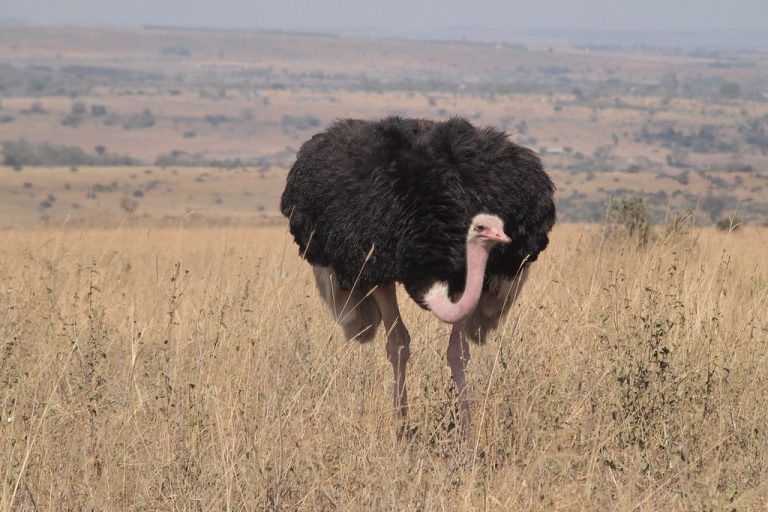
A 9-day Tanzania birding safari from Arusha with guided walks and game drives in Arusha National Park, Lake Manyara and the Serengeti, ending with a…
Safari Details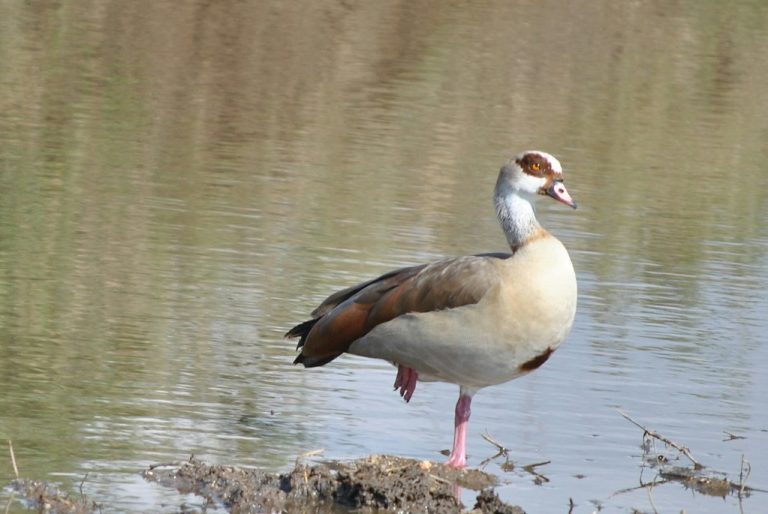
A 17-day birding tour of Tanzania from Arusha National Park to Tarangire, Lake Manyara, the Serengeti and the Ngorongoro Conservation Area, ending on Pemba Island,…
Safari Details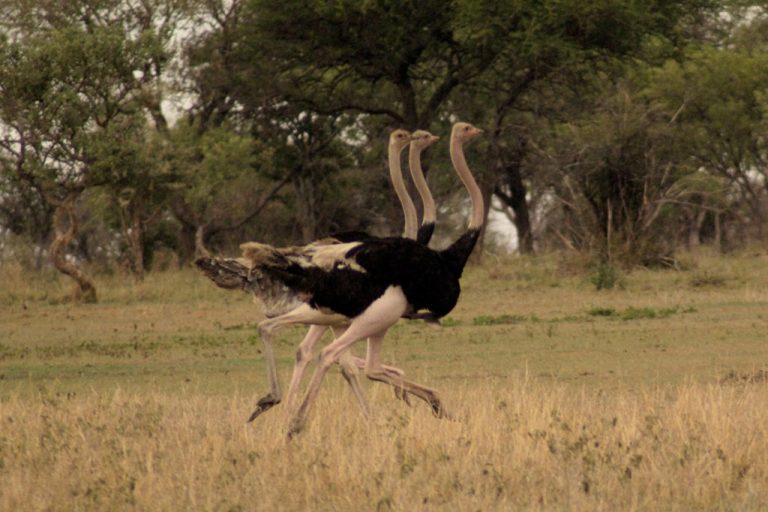
A 27-day birding safari in Tanzania from Arusha to Arusha National Park, Tarangire, Lake Manyara, Lake Natron, the Serengeti, Ngorongoro, Lake Victoria and the Selous…
Safari DetailsTanzania's 29 endemic species are the main reason serious birders choose it over its neighbours, because many of them live in a handful of isolated mountain forests and nowhere else. The Avibase list behind that count also excludes two proposed endemics still awaiting recognition.
The endemics fall into two groups. Forest birds of the Eastern Arc, such as the Udzungwa and Rubeho forest partridges, the Usambara eagle-owl and the Uluguru bushshrike, need specialist guides and forest walking. A few others, such as the grey-breasted francolin and the Pemba green-pigeon, sit in more accessible country or on Pemba island.
| Endemic | Where | Habitat |
|---|---|---|
| Udzungwa partridge | Udzungwa, Rubeho | Montane forest |
| Rubeho forest partridge | Rubeho Mountains | Montane forest |
| Usambara eagle-owl | Usambara Mountains | Forest |
| Uluguru bushshrike | Uluguru Mountains | Forest |
| Pemba green-pigeon | Pemba island | Coastal woodland |
Several are listed as threatened, including both forest partridges as endangered and the Pemba green-pigeon as vulnerable. Expect to miss some even on a dedicated trip.
The Eastern Arc is a chain of ancient, isolated mountain ranges, from the Pare and Usambara in the north to the Udzungwa in the south, and it is one of the world's top 20 biodiversity hotspots. Seventy-five vertebrate species are endemic to it, and long isolation from the surrounding savannah explains why each range holds birds the others lack.
The East Usambaras, reached through Amani, are the most visited Eastern Arc birding site, with lodges and guided forest walks. Amani Nature Reserve lists 340 bird species and runs bird watching among its activities, according to Tanzania Forest Services, the agency that manages it.
The West Usambaras, higher than the East, are reached from Lushoto and suit birders combining forest patches with hill walking. The whole Usambara block is about 90 km long and 30 to 50 km wide.
Udzungwa Mountains National Park climbs from about 250 to 2,576 metres and holds more than 400 bird species, including the Udzungwa partridge, a relict whose closest relatives are Asian hill partridges. The park headquarters at Mang'ula is reached by road via Mikumi, TANAPA says.

The Uluguru Mountains rise behind Morogoro and are the only home of the Uluguru bushshrike. The Ulugurus and the East Usambaras have the greatest biodiversity of all the Eastern Arc ranges.
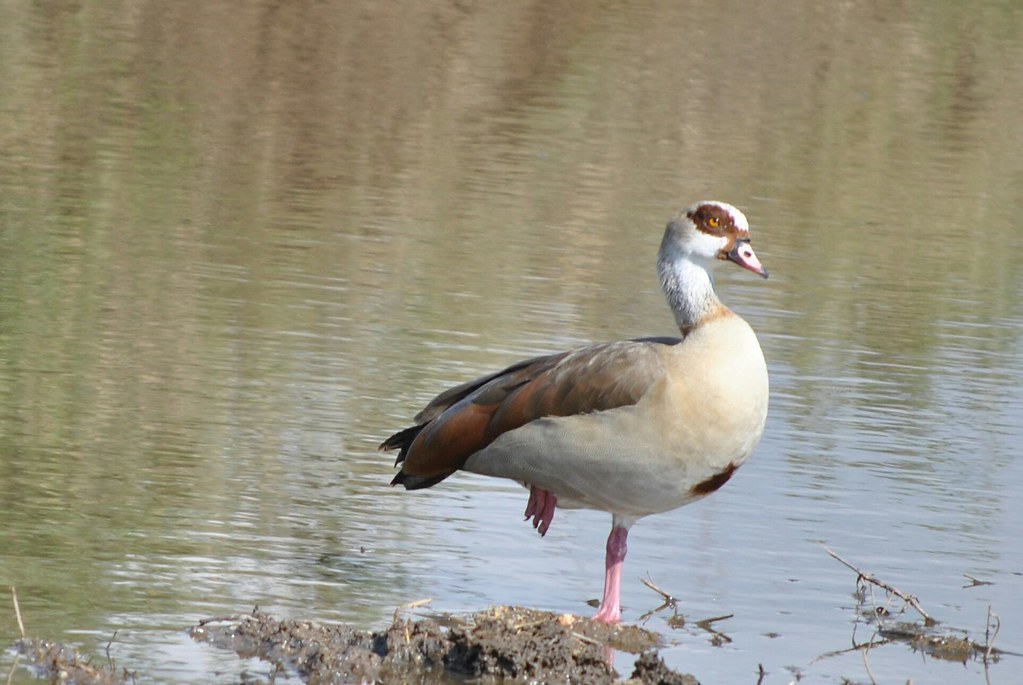
The northern circuit, from Arusha through Tarangire, Lake Manyara and the Ngorongoro highlands to the Serengeti, is where most visitors bird Tanzania, building long lists of savannah species on ordinary game drives. Tarangire has more than 550 species and the Serengeti more than 500, TANAPA says.
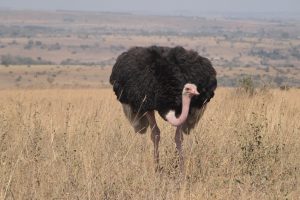
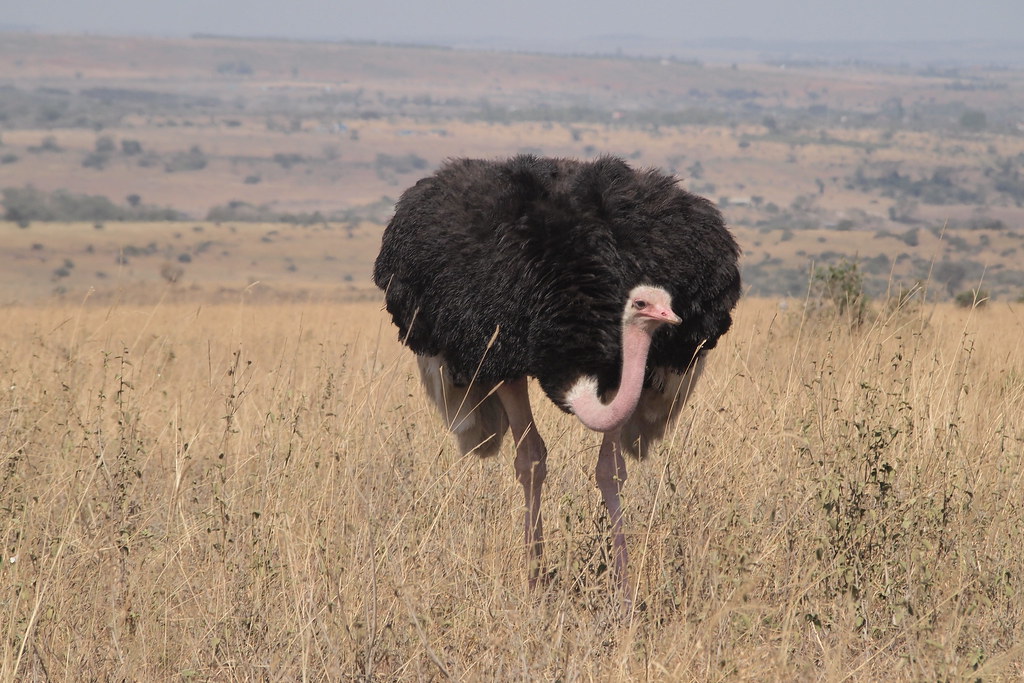
Tarangire is the standout northern park for birds, with kori bustards, ostriches, hornbills, ashy starlings and yellow-collared lovebirds among the species TANAPA highlights. Baobab woodland and the Silale swamp add habitats that the open plains lack.
The Serengeti lists more than 500 bird species, TANAPA says, and its open plains suit raptors, bustards and larks. Entry is around USD 70 per international adult per day on TANAPA's figure, before vehicle and other charges.
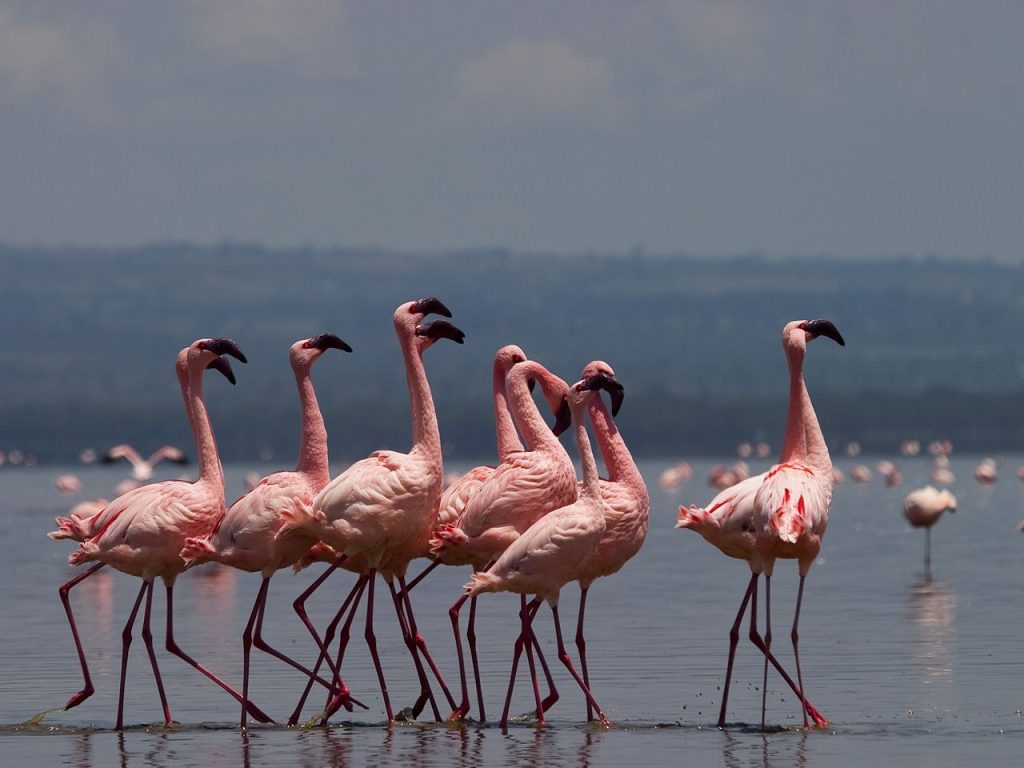
Lake Natron, a soda lake on the Kenya border, is the main breeding site for East Africa's lesser flamingos, and it is the place to see them in Tanzania in large numbers. The lake is up to 57 km long, and about three quarters of the world's lesser flamingos are born there, according to conservation accounts summarised on Wikipedia.
Breeding colonies sit on remote parts of the lake, so most visitors see feeding flocks along the shore. Pair Natron with the Ngorongoro highlands or the Serengeti's eastern side.
Plan a Tanzania birding trip around two separate legs: the northern parks by safari vehicle from Arusha, and the Eastern Arc forests on foot, reached from Tanga, Morogoro or Iringa. Combining both takes two weeks or more, because the forests lie far from the safari circuit.
Forest birding needs a specialist local guide who knows the calls and the current territories, since many Eastern Arc endemics are shy and range-restricted. Expect simpler lodges near the forests than on the northern circuit.
The best time for birding in Tanzania is roughly November to April, when Palearctic migrants arrive and many residents are breeding. The drier months from June to October suit the forests, and TANAPA calls June to October the simplest season for travel to Udzungwa.
Lists are at their longest, and northern parks are green. Rain can slow forest walks and some roads.
Easier access to the Eastern Arc and dry season game viewing in the north, with fewer migrants.
Tanzania and Kenya have almost identical list sizes, 1,160 and 1,164 species, but Tanzania has 29 endemics to Kenya's 11. Choose Tanzania for endemics and the Serengeti; choose Kenya for shorter distances and a well-worn birding circuit.
| Factor | Tanzania | Kenya |
|---|---|---|
| Species | 1,160 | 1,164 |
| Endemics | 29 | 11 |
| Endemic hotspot | Eastern Arc | Highland forests |
| Flamingos | Lake Natron | Rift lakes |
First-hand birding reports from Tanzania are scarce in the forums checked for this guide; most posts share photos from the northern parks without much detail. This section draws on 3 first-hand accounts posted on Reddit, so treat it as a very small sample.
Two birders shared photo sets from northern Tanzania safaris, the circuit through Tarangire and the Serengeti that most visitors bird. A solo traveller reached Lushoto in the West Usambaras by an 8 hour local bus from Dar es Salaam and described the road as frightening, a reminder that the Eastern Arc sites are best reached with a private driver.
One couple on a 5 day Great Rift Valley trek saw few big mammals but plenty of birds, alongside zebras and wildebeest, suggesting walking routes outside the parks add species without adding park days.
Tanzania has 1,160 confirmed bird species on the Avibase checklist, of which 29 are endemic. Figures quoted elsewhere, often "over 1,100", reflect older lists.
Tarangire and the Serengeti for savannah birds, Lake Natron for lesser flamingos, and the Eastern Arc mountains, especially Amani in the East Usambaras and Udzungwa, for endemics.
Mostly in the Eastern Arc mountains: the Usambaras for the Usambara eagle-owl, Udzungwa and Rubeho for the forest partridges, and the Ulugurus for the Uluguru bushshrike. The Pemba green-pigeon lives on Pemba island.
November to April for migrants and breeding plumage; June to October for drier forest trails and easier travel.
Yes. The northern parks are strong birding sites in their own right, so a safari with a birding-minded guide builds a long list without a separate trip.
For the Eastern Arc endemics, yes; forest walks need a local guide, and many endemics are found only by call. On the northern circuit a good safari guide is usually enough for most species.
Yes, for birders after endemics: no other mainland African country has more, and the northern parks add a long savannah list with the Serengeti's big game. It is less worth it for a short trip, since the Eastern Arc forests lie far from the safari circuit.
Insight Safari Holidays plans birding trips in Tanzania, from northern circuit safaris to Eastern Arc forest visits, and can combine them with Uganda for the shoebill and Albertine Rift endemics. Send your target species and dates, and the team will arrange a route around them.