
Inquire Now
Inquire Now
Tanzania's best travel months: the June to October dry season for river wildlife and the northern Serengeti herds, January to March for calving, and the wet, cheaper April and May. Book a safari for the season you want.
For most travellers, the best time to visit Tanzania is the long dry season from June to October: almost no rain falls, animals crowd the rivers, and the wildebeest herds reach the northern Serengeti. January to March is the other strong window, for calving on the southern plains. April and May are the wettest and cheapest months, and some camps in the south close.
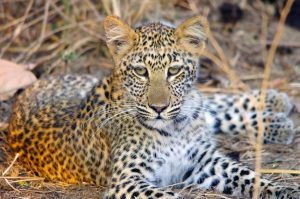 3 Days
 4 Days
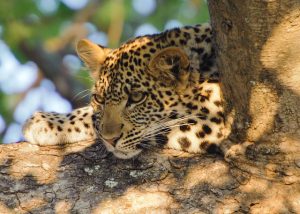 5 Days
Prefer your own dates and lodges? Ask for a tailor-made quote.

The 3 Day Tanzania Safari Lodge package to Ngorongoro Crater, Tarangire and Lake Manyara covers the best of wildlife on a game drive safari.
Safari Details
Prepare yourself for a tour filled with thrilling encounters with the Great Serengeti Wildebeest Migration, Big Cats and the renowned Big Five.
Safari Details
Explore the world renowned Ngorongoro Crater, a wonder teeming with wildlife and delve into the enchanting wonders of Lake Manyara National Park.
Safari Details
In 6 days you'll explore Lake Manyara National Park, witness the captivating Serengeti with its wildlife and marvel at the incredible Ngorongoro Crater, where you…
Safari Details
7-Day Wildlife Safari Adventure in iconic national parks like Serengeti, Ngorongoro Crater & Lake Manyara. Witness the Great Wildebeest Migration & spot the Big Five.
Safari Details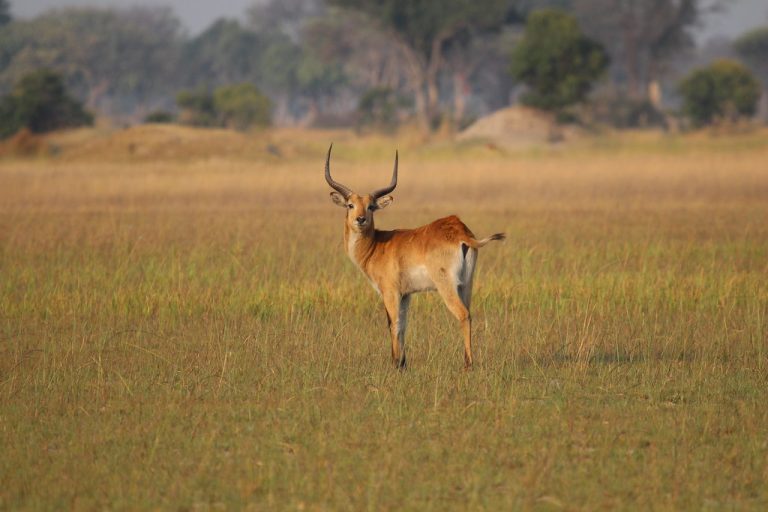
8 day safari, witness the awe inspiring herds of wildebeest and zebras, catch glimpses of predators like lions, cheetahs and leopards and marvel at the…
Safari Details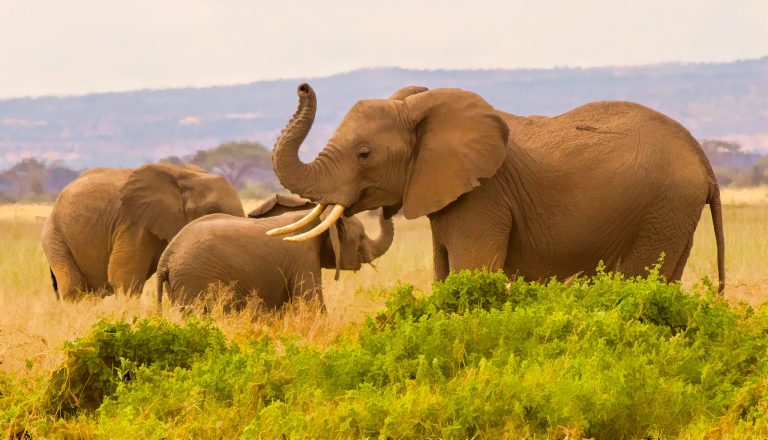
9-Day Wildlife Safari Adventure. Witness Serengeti's Great Wildebeest Migration, encounter diverse wildlife in Ngorongoro Crater, and customize your dream safari.
Safari Details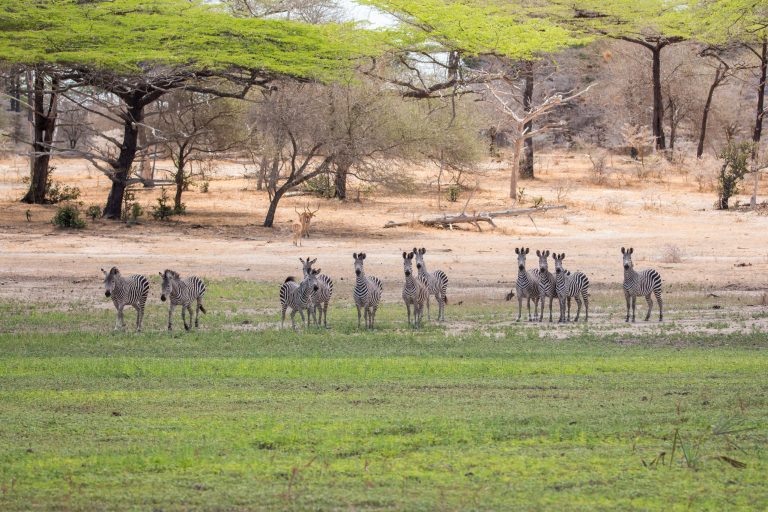
Our 12 day safari lets you visit the top national parks in Tanzania, lots of game viewing, see the big five animals and more.
Safari DetailsJune to October is the best time to visit Tanzania for wildlife. National rainfall drops to about 11 mm in June and 5 mm in July, the bush thins, and animals have to come to permanent water.
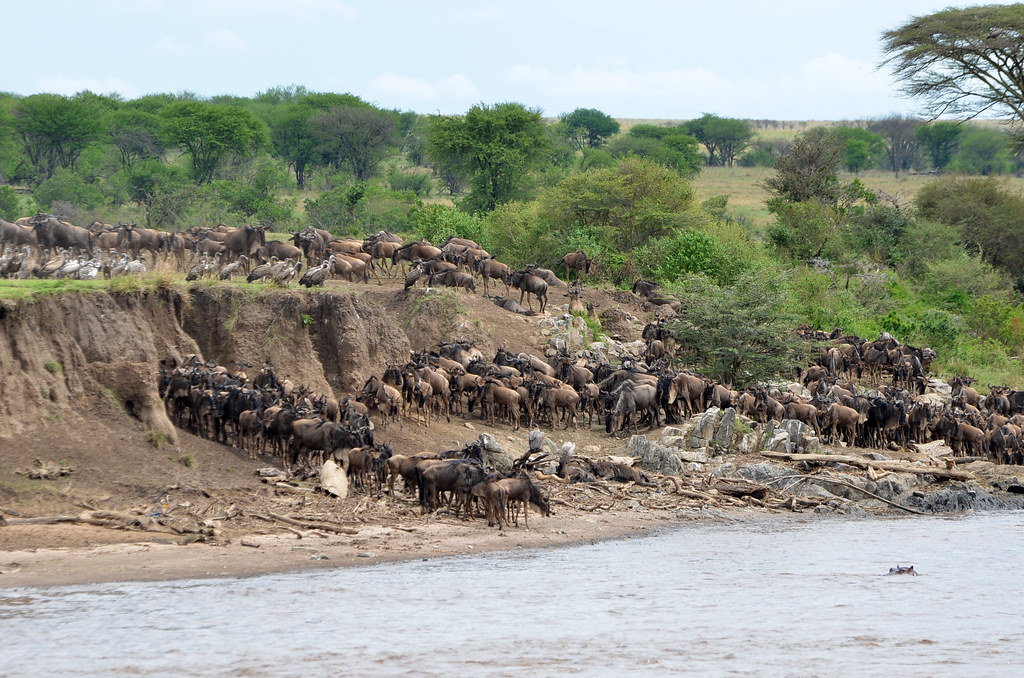
The wildebeest migration gathers at the Grumeti River in the western Serengeti around June and reaches the Mara River in the north from about July. July is the coolest month of the year, with cold mornings on game drives and on the Ngorongoro rim.
These are the busiest months, and the most expensive. River crossings continue in the northern Serengeti, Tarangire's elephant herds are at their largest along the river, and TANAPA puts the prime chimpanzee trekking season at Gombe and Mahale from June to October.
October stays mostly dry, at about 33 mm, but the heat builds toward the rains. Visitor numbers fall after September, which makes it a good month for the southern parks, including Nyerere and Ruaha.
November and December bring the short rains, which Tanzania's weather agency calls Vuli in the north of the country. Showers are usually brief, the plains turn green, and the herds leave the north for the southern Serengeti.
November is the warmest month, at about 24°C, with about 86 mm of rain. December is wetter, at about 145 mm, and the holiday weeks fill lodges at peak prices despite the weather.
January to March is the best time to visit Tanzania for the wildebeest calving on the southern Serengeti plains around Ndutu, and it is a wetter season than many visitors expect. January and February each average 140 to 155 mm nationally.
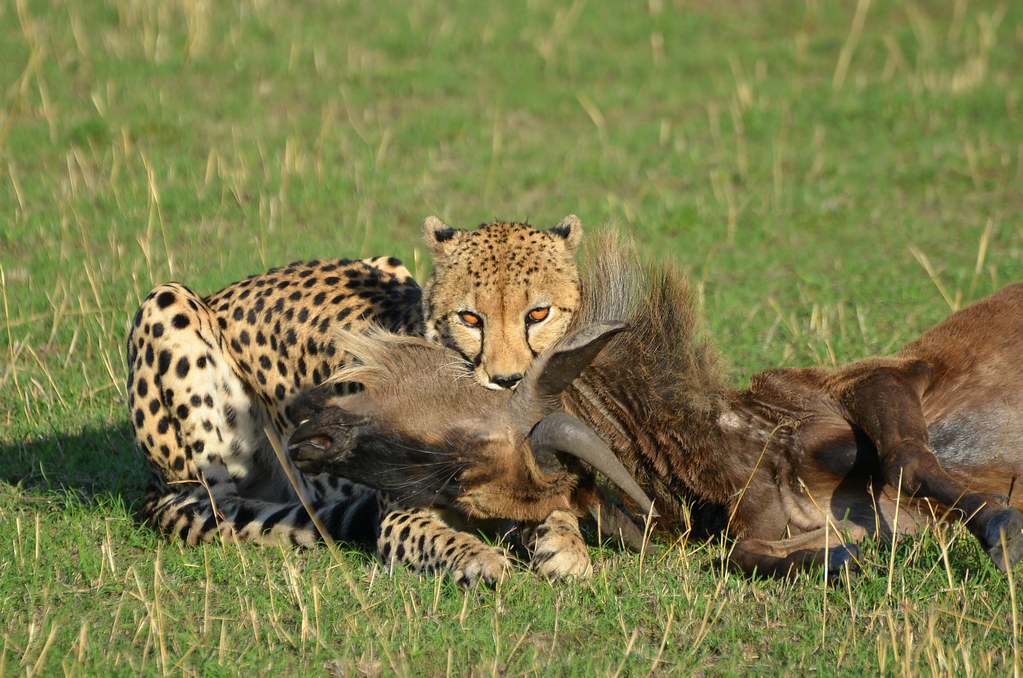
Most calves are born within a few weeks around February, and predators follow. In the north of the country these months often bring a drier spell between the two rains. TANAPA describes January and February as a second, shorter dry period in Tarangire.
March is the wettest month on the national average, at about 167 mm. The long rains, known as Masika, set in, and TANAPA's lower entry season begins in the middle of the month.
April and May are the quietest time to visit Tanzania. April averages about 142 mm of rain and May about 57 mm, as the rains taper off.
Tracks turn to mud, and TANAPA advises a 4x4 in Tarangire from November to May. Camps in Nyerere and other southern parks often close for the wettest weeks. The northern circuit stays open, lodge rates are at their lowest, and TANAPA's low entry season runs from mid March to mid May.
The table gives national monthly averages from the World Bank's climate data for the most recent 30 year period, rounded.
| Month | Rain | Avg temp | Suits |
|---|---|---|---|
| January | 154 mm | 24°C | Calving, birds |
| February | 141 mm | 24°C | Calving, predators |
| March | 167 mm | 24°C | Low prices |
| April | 142 mm | 23°C | Lowest prices |
| May | 57 mm | 22°C | Green, quiet |
| June | 11 mm | 21°C | Safaris, value |
| July | 5 mm | 21°C | Migration north |
| August | 8 mm | 22°C | Peak game |
| September | 15 mm | 23°C | Peak game |
| October | 33 mm | 24°C | Southern parks |
| November | 86 mm | 24°C | Fewer visitors |
| December | 145 mm | 24°C | Green plains |
These are countrywide figures. Central and southern Tanzania have one long wet season from about November to April, which dominates the average. The north has two rains with a drier gap in January and February, so the northern circuit is easier in those months than the table implies.
Tanzania is large enough that the right month changes with the region.
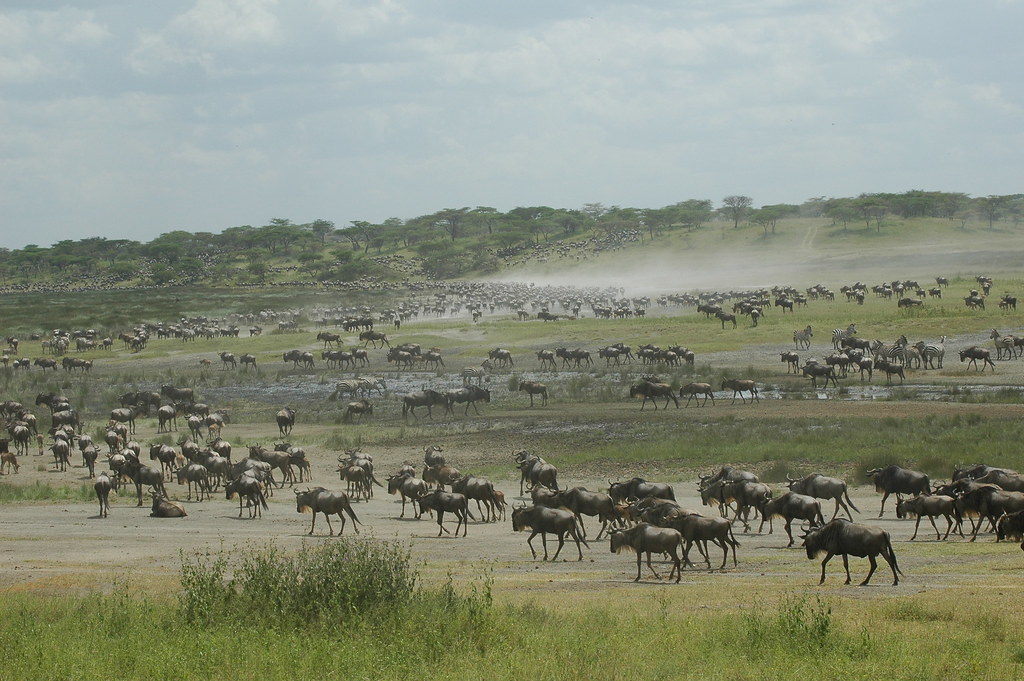
The dry season is the better choice for a first safari in Tanzania, and the green season wins on price and on calving. The trade is simple.
August and September are the best months for general game viewing, and February is the best for calving season in the southern Serengeti.
The long rains fall from about March to May and the short rains in November and December. March is the wettest month nationally, at about 167 mm.
July to October for river crossings in the northern Serengeti, and January to March for calving around Ndutu. The herds are somewhere in the Serengeti for most of the year.
It is worth it for travellers who put price and quiet parks first, since lodge rates and TANAPA's entry season are at their lowest. It suits the northern circuit better than the south, where camps close and roads flood.
Mid March to May is the cheapest period, followed by November. Peak pricing runs from July to September and over the December holidays.
The national average dips to about 21°C in June and July, and high areas such as the Ngorongoro rim are much colder at dawn, so pack a warm layer for morning drives.
Insight Safari Holidays plans Tanzania safaris as part of its East Africa trips and can combine them with gorilla trekking in Uganda, where it runs its own vehicles and guides. Send your travel month, and the team will suggest which parks fit it.