
Inquire Now
Rwanda gorilla trekking safaris in Volcanoes National Park: the RDB permit and its November to May discount, the habituated families, trek day at Kinigi, fitness, rules and packing. Let us book your permit and lodge.
Gorilla trekking in Rwanda happens in Volcanoes National Park, about 90 minutes' drive from Kigali, where groups of up to eight hike the Virunga slopes for one hour with a habituated mountain gorilla family. A permit costs USD 1,500 for foreign visitors from the Rwanda Development Board, with a 30 percent discount from November to May for travellers who add two nights in Akagera or Nyungwe.
 1 Day
 2 Days
 3 Days
Prefer your own dates and lodges? Ask for a tailor-made quote.

Rwanda’s Volcanoes National Park is popularly known for gorilla trekking trips in Rwanda. Important to know is that the park also offers a great experience…
Safari Details
The 2 day Gorilla trekking safari in Rwanda begins from Kigali to Parc des Volcans/Volcanoes National Park and then back to Kigali for a city…
Safari Details
3 Days safari to Rwanda to visit the endangered mountain gorillas. Both luxury and budget options available.
Safari Details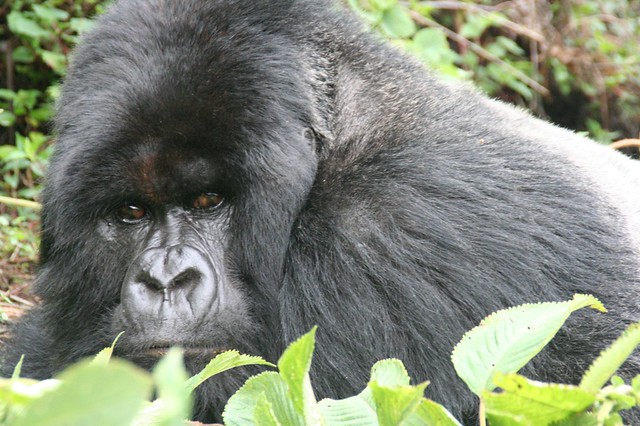
Tracking of the mountain gorillas will take place in Volcanoes National Park which has a total of 400 mountain gorillas which is half of the…
Safari Details
This 4 days Primate safari is highly recommended with gorilla and Golden Monkey trekking as the main highlight of the trip to Rwanda.
Safari Details
This 5 day safari will take you to Volcanoes National Park to see the mountain gorilla and the golden monkeys. More to this package includes…
Safari Details
Visit the best of Rwanda on this 7 day trip full of various activities.
Safari Details
This safari features the very best of Rwanda, trek the mountain gorillas, see the golden monkeys, a game drive in Akagera and the chimpanzee of…
Safari DetailsA Rwanda gorilla permit costs USD 1,500 for a foreign visitor on the Rwanda Development Board's booking portal, and it includes the hour with the gorillas, the guides and park entry for the trek. From November to May, RDB cuts the price by 30 percent, to USD 1,050, for travellers who also spend two nights in Akagera or Nyungwe National Park.
| Visitor | Permit | Note |
|---|---|---|
| Foreign visitor | USD 1,500 | Standard rate |
| With discount | USD 1,050 | Nov to May only |
| Foreign resident | USD 500 | Promotional |
| Rest of Africa | USD 500 | Promotional |
The discount has conditions. RDB asks for two nights in one of the two parks, or one night in each on consecutive nights, with a paid hotel receipt and one paid activity, and it allows one discounted permit per three day, two night stay. The promotional resident and African rates do not apply from June to October, RDB notes.
Permits are booked first come, first served, either on the RDB portal or through a tour operator, with full passport details at the time of payment. They are for a fixed date, so no shows lose the permit, and RDB makes no refund for late arrivals or delayed flights.
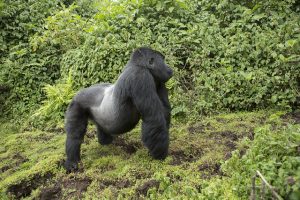
A Rwanda gorilla trek is a ranger-led hike from the edge of Volcanoes National Park to one of ten gorilla families that RDB has habituated to calm human visits. Trackers find the family each morning, a group of up to eight visitors follows them in, and the hour starts once you reach the gorillas.
Volcanoes covers the Rwandan side of the Virunga massif, shared with Uganda's Mgahinga and Congo's Virunga National Park. The trails start in farmland, cross the stone wall that marks the park boundary and climb into bamboo and montane forest. RDB says hikes last anywhere from 30 minutes to more than four hours each way, depending on the family and where it moved overnight.
Every gorilla trek in Rwanda starts from the Kinigi headquarters of Volcanoes National Park, and the variable is the family you are assigned at the briefing. RDB lists ten habituated families open to visitors; the ones below are those it describes by name.
Susa is the largest family RDB describes and the hardest to reach, because it ranges high on the mountain. Ask for it if you are fit, enjoy a long climb and want a big group; avoid it if knees or altitude worry you.
Sabyinyo is the most accessible family on RDB's list, which makes it the usual choice for older trekkers and anyone who wants the shortest realistic walk. Shorter is not guaranteed; the family still moves.
Amahoro is usually a fairly steep climb, RDB says, and Umubano split from it under its own silverback. Agashya, once known as Group 13, has grown into one of the larger families, which RDB calls a positive sign for conservation.

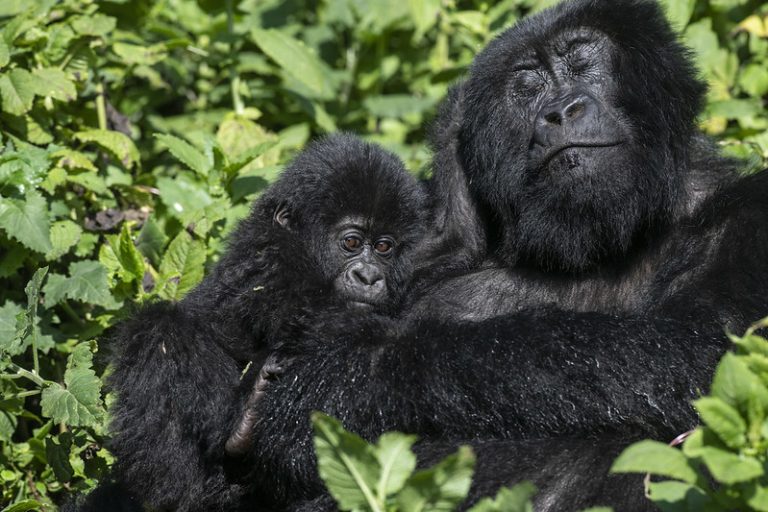
Kwitonda was first habituated in Congo and ranges widely, giving a moderately difficult trek, RDB notes. Hirwa formed more recently from members of Group 13 and Sabyinyo.
Trek day starts with reporting at the Kinigi headquarters by 7am, a briefing and the assignment of groups to families, then a drive to the trailhead and a hike of 30 minutes to several hours before the hour with the gorillas. Most groups are back at their lodges by early or mid afternoon.
The return is usually faster downhill. Lodges near the park clean boots and gaiters on your return, a detail that trekkers mention often.
Trekking Rwanda's gorillas is moderate to hard because of altitude and mud more than distance: the families live at about 2,500 to 4,000 metres and the slopes are steep and slippery. RDB tells visitors to walk slowly and drink plenty of water, and porters help with footing, not just bags.
Trekkers can ask for an easier family at the briefing, and rangers try to oblige, but the trek can still run long if the family has moved. Carried chairs are available for those who cannot walk up; arrange them through your operator in advance. The minimum age is 15.
RDB's gorilla rules protect the gorillas from human disease and stress, and guides enforce them on every visit. The main ones are short.
Rwanda does not sell a gorilla habituation experience, so travellers who want more time either book a second gorilla trek on another day or add golden monkey tracking or the hike to Dian Fossey's grave. A second permit costs the full USD 1,500 unless it qualifies for the low season discount.
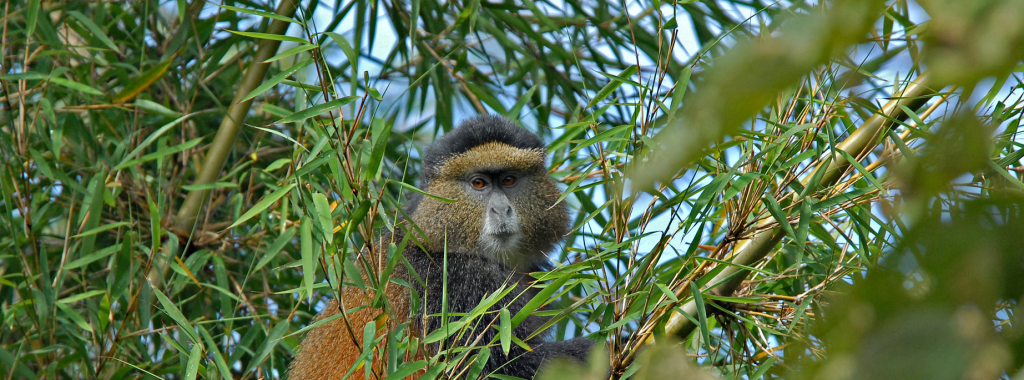
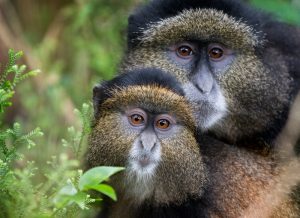
Golden monkey tracking costs USD 100 for foreign visitors on the RDB portal, reports at 7am at Kinigi, and allows a minimum age of 12. The monkeys live in bamboo in troops of up to 30, RDB says, and the walk is usually gentler than a gorilla trek.
RDB recommends long trousers and long sleeves against nettles, steady hiking boots and rain gear, plus water and a small snack. Musanze sits at about 1,700 metres and is cold in the evening, so pack a warm layer too.
Several lodges near the park lend gaiters, gloves and raincoats, so ask before packing them.
The best time to trek Rwanda's gorillas is the drier months from June to September and December to February, when trails are firmer. Treks run all year, and the November to May discount makes the wetter months the cheaper ones.

These are the busiest months, with the highest demand for permits and lodges, and the discount does not apply from June to October. Rain still falls on the volcanoes in any month.
Wetter, muddier treks and fewer visitors, with the USD 1,050 permit available to travellers who combine Volcanoes with Akagera or Nyungwe. March to May is the wettest stretch.
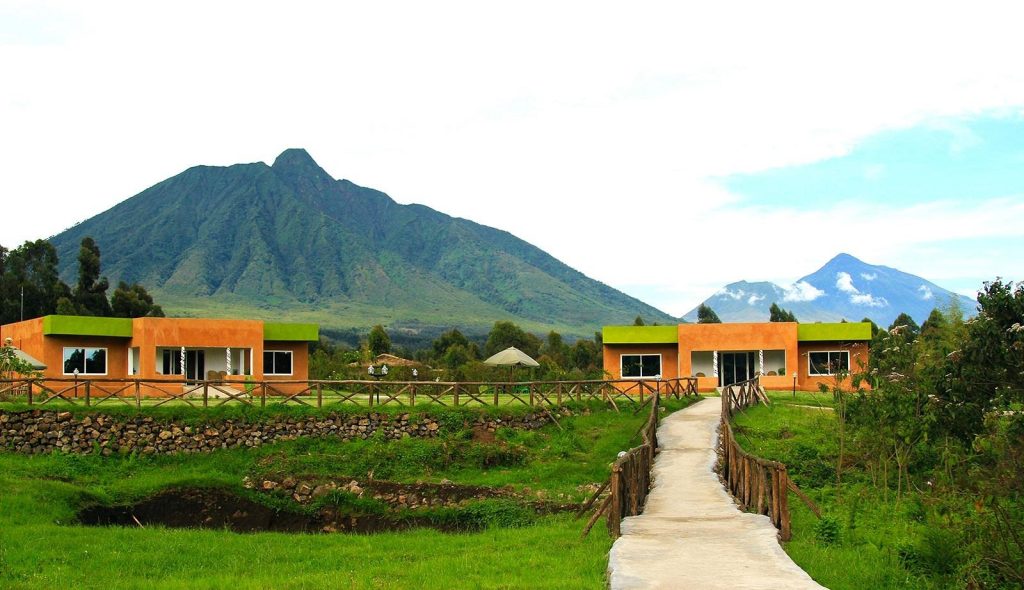
Stay in Kinigi or near the park edge for the shortest drive to the 7am briefing, or in Musanze town for cheaper rooms further out. Day trips from Kigali are possible but mean a very early start.
Rwanda wins on access and short transfers; Uganda wins on price, the habituation option and more trekking areas. Travellers short on time choose Rwanda, while those with five days or more often save USD 700 per permit in Uganda.
| Factor | Rwanda | Uganda |
|---|---|---|
| Permit | USD 1,500 | USD 800 |
| Low season | USD 1,050 | USD 600 |
| From airport | About 2 hours | Long drive or flight |
| Habituation | Not offered | USD 1,500 |
| Distance rule | 7 metres | 10 metres |
Many travellers based in Kigali cross into Uganda's southern Bwindi sectors by road to use the cheaper Ugandan permit, which works best with at least four days.
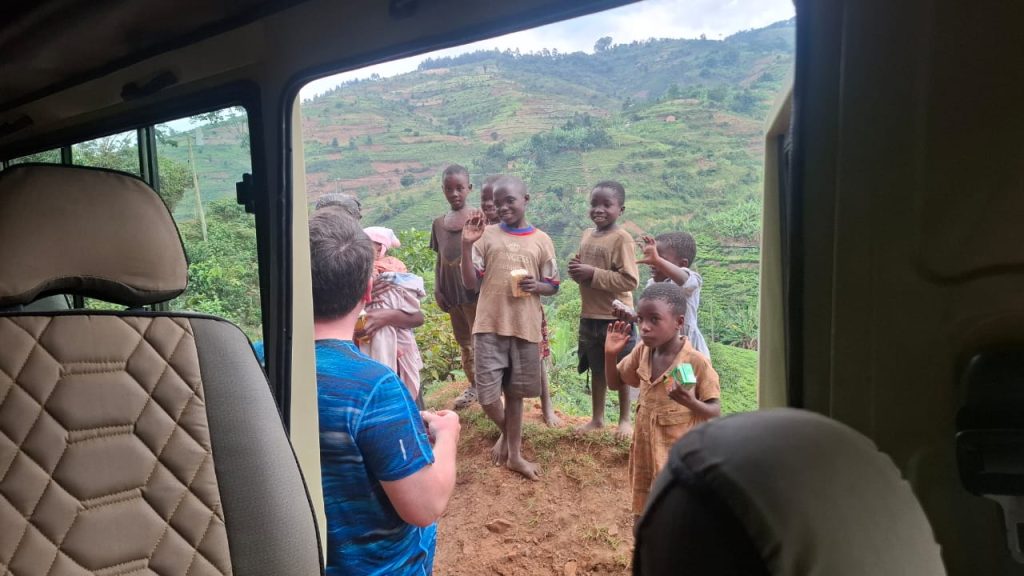
Trekkers who post about Volcanoes report that difficulty is unpredictable, that the gorillas come closer than the rules suggest, and that the hour passes quickly. This section is drawn from 6 first-hand trip reports posted on Reddit, so treat it as a small sample.
One trekker on the Bisoke side asked for a medium trek and reached the family in about 45 minutes; the next day an "easy" assignment turned out medium. The same report described two families at one lodge who both asked for medium treks: one was back around 12:15, the other after 2:30, having crawled under brambles, and one walker was carried down by porters in a chair after hurting a knee.
Closeness came up in three reports. One young gorilla grabbed a trekker's leg twice, a silverback brushed past another group, and one couple felt a ranger urged them closer than the 7 metre limit; you can always step back.
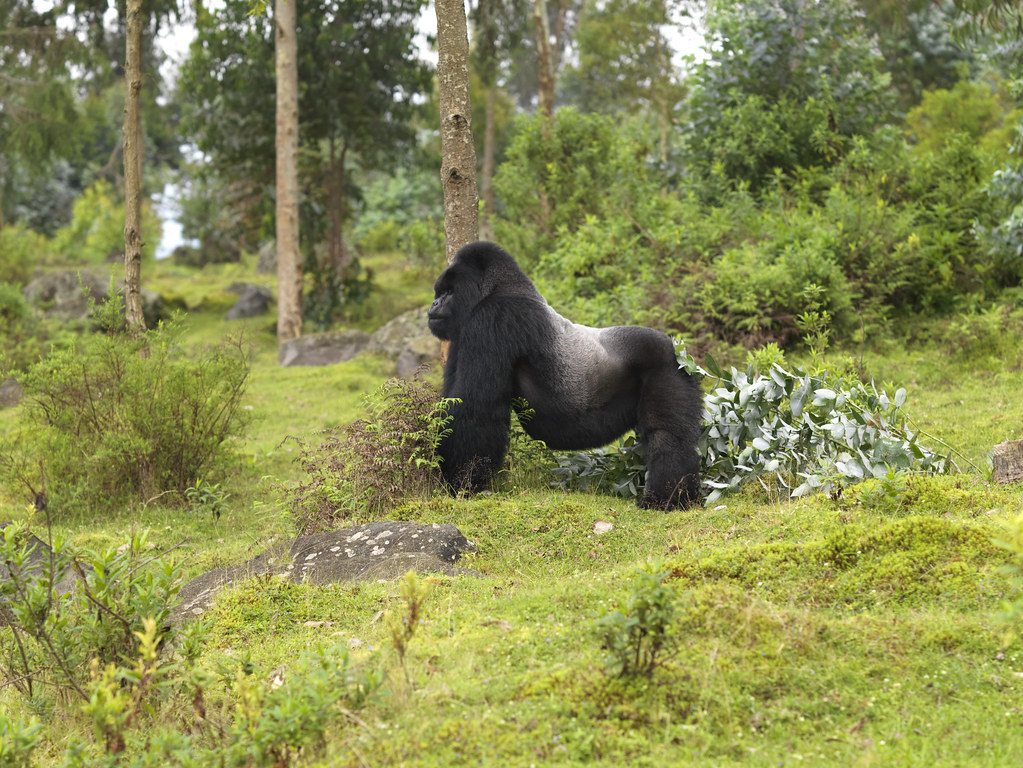
Booking flexibility surprised one couple: second day permits had sold out, but three people withdrew at the briefing and they were moved onto a second gorilla trek. Another traveller who stayed in Kigali to save money paid for it with a 4am start. Biting ants were the most practical warning: one group spent ten minutes beating them off after standing in a colony beside the family.
A gorilla trekking permit in Rwanda costs USD 1,500 for foreign visitors, set by the Rwanda Development Board. From November to May it drops to USD 1,050 if you also stay two nights in Akagera or Nyungwe National Park, with proof of the stay and one paid activity.
RDB gives another chance or a full refund to visitors who fail to track gorillas all day because the family moved. Those who track the whole day but still fail to make contact receive a 75 percent refund, RDB says; late arrivals and missed flights are not refunded.
You need to manage a steep, muddy hike at 2,500 metres or more for anything from 30 minutes to over four hours each way. Regular walkers in their sixties manage it with a porter and a slow pace, and rangers try to assign easier families to those who ask.
Yes, but it is a long day: Musanze is about 90 minutes from Kigali, the briefing at Kinigi starts at 7am, and the trek can last until mid afternoon. Most travellers find a night near the park more comfortable.
Gorilla tourism funds the park and pays local trackers, porters and communities, and the mountain gorilla population has grown under this model. The rules on distance, illness and group size limit the risk to the gorillas, so follow them even if a guide seems relaxed about distance.
For travellers with little time, usually yes: the trek is close to Kigali and the logistics are simple. Travellers with more days often get better value in Uganda, where the permit is USD 800 and the gorilla hour is the same.
Insight Safari Holidays arranges gorilla trekking in Rwanda and cross-border trips into Uganda's Bwindi sectors with its own vehicles and guides, and can tell you which country's permit fits your dates and budget. Send your travel dates and the team will check permit availability on both sides.