
Inquire Now
Inquire Now

South Africa safaris range from self-drive trips through Kruger National Park to guided stays in private reserves such as the Sabi Sand, with malaria-free Big Five options in Madikwe, Pilanesberg and the Eastern Cape. Kruger's conservation fee for international adults is R692 per day from 1 November 2026, and many visitors add Cape Town, the Winelands or the Garden Route to their safari.

A 3-day safari in Kruger National Park, South Africa, with game drives in search of the Big Five, a ranger-led bush walk and a picnic…
Safari Details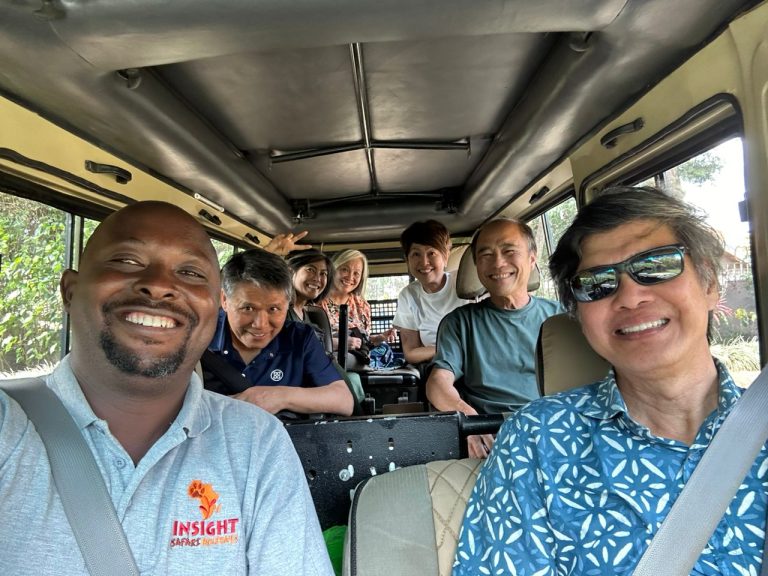
A 4-day South Africa safari with full-day game drives in Kruger National Park, a day on the Panorama Route (Blyde River Canyon, God's Window, Bourke's…
Safari Details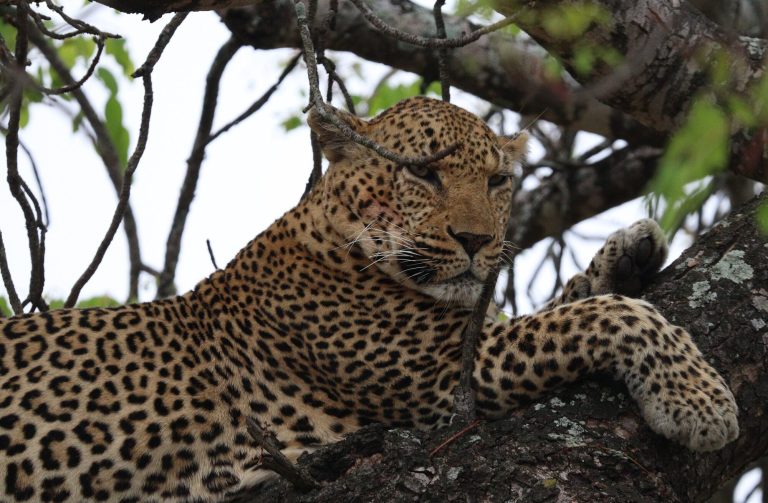
A 5-day Big Five safari in South Africa: three nights in the Sabi Sand private reserve with open-vehicle drives and a ranger-and-tracker team, then a…
Safari Details
A 7-day South Africa safari from Johannesburg, with game drives in Kruger National Park and a private reserve, the Panorama Route, Hluhluwe-Imfolozi Park, and a…
Safari Details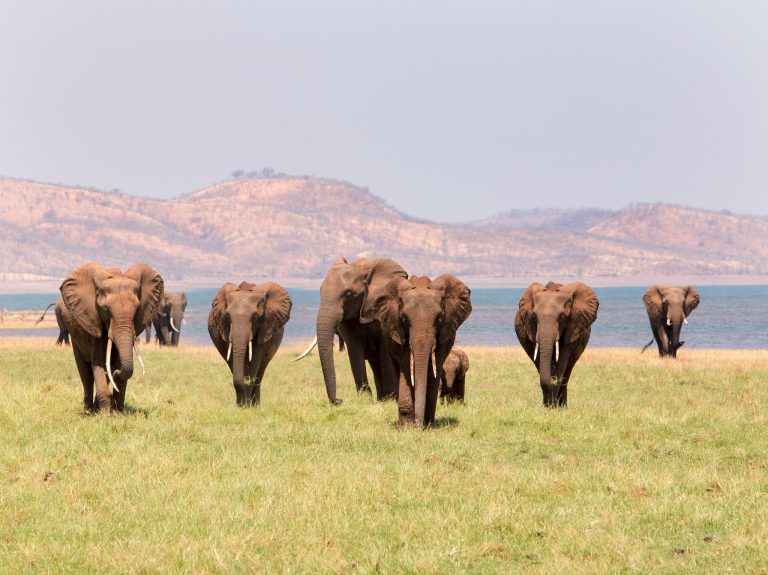
A 9-day South Africa safari from Johannesburg with game drives in Kruger National Park and Hluhluwe Imfolozi Park, followed by Cape Town and a Cape…
Safari DetailsRead what past guests wrote, in their own words, on the sites where they posted it.
South Africa is the easiest country in Africa to combine a Big Five safari with a city, a coastline and a wine region in one trip. Roads are tarred to most park gates, internal flights are frequent, and the choice runs from self-catering huts in national parks to all-inclusive private lodges.
It also offers something few safari countries do: Big Five reserves in malaria-free areas, which matters for families with young children and anyone who prefers not to take antimalarials. The trade-off is that many reserves are fenced and smaller than the open ecosystems of East Africa, so the feel is different from the Serengeti or the Masai Mara.
Kruger National Park is South Africa's flagship safari area: close to 20,000 square kilometres of bush in the north-east, proclaimed in 1926 and home to 147 species of large mammal. It holds all of the Big Five, along with wild dogs, cheetahs and a long list of birds, and its tarred and gravel roads make it the classic self-drive park.
Along Kruger's western edge lie private reserves with no fence between them and the national park, the best known being the Sabi Sand. Here lodges run guided drives in open vehicles, can leave the road to follow animals, and offer night drives and bush walks. The Sabi Sand is especially known for relaxed leopards that tolerate vehicles at close range.
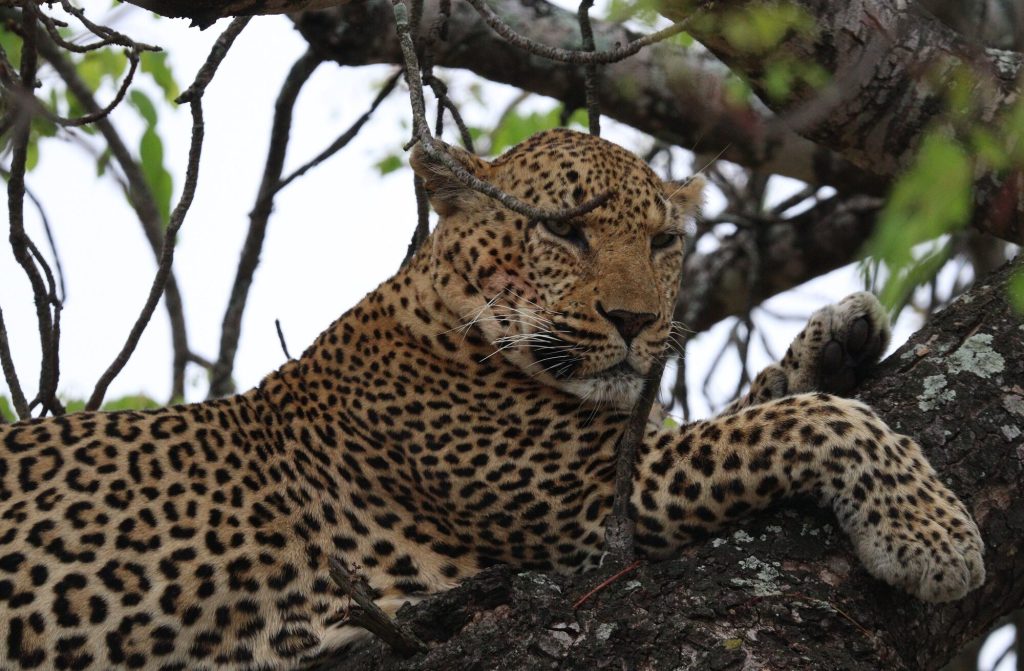
Our Kruger National Park guide covers camps, gates and routes in more detail, and the 5-day Sabi Sand and Kruger Big Five safari shows how the two can be combined.
Madikwe Game Reserve and Pilanesberg National Park, both in North West Province, are the main malaria-free Big Five options within reach of Johannesburg. Neither falls in the CDC's malaria risk areas for South Africa, which makes them popular with families.
Madikwe covers roughly 75,000 hectares on the Botswana border and is open only to guests of its lodges, so there are no day visitors and vehicle numbers at sightings stay low. Wild dogs are a highlight. Pilanesberg is smaller and busier, set in the rings of an ancient volcanic crater, and allows self-drive day visits, so it suits a short add-on from Johannesburg or Sun City.
KwaZulu-Natal, on the east coast, pairs a Big Five park with a coastal wetland. Hluhluwe-iMfolozi Park, proclaimed in 1895, is one of Africa's oldest reserves and covers about 96,000 hectares of hilly bush. It is famous for its role in saving the southern white rhino: from the 1950s, its Operation Rhino moved hundreds of animals to restock reserves across the region.
An hour or so north-east, iSimangaliso Wetland Park was inscribed as a World Heritage Site in 1999. It takes in Lake St Lucia, dune forest, beaches and coral reef, with hippos and crocodiles in the estuary and leatherback and loggerhead turtles nesting on the northern beaches in summer.
Zulu cultural visits in the region, and the Drakensberg mountains to the west, make KwaZulu-Natal a good self-contained week.
The Eastern Cape is the other main malaria-free safari region, and the easiest to combine with the Garden Route and Cape Town. Addo Elephant National Park, near Gqeberha (Port Elizabeth), protects more than 600 elephants, along with lions, buffalo, black rhinos and leopards, and its marine area includes Bird Island, home to a very large gannet colony.
In the wider region, private reserves such as Shamwari, Kwandwe and Amakhala offer guided Big Five drives from fenced lodges. The bush is denser than in Kruger and the reserves smaller, but the absence of malaria and the short drive from Gqeberha airport are strong draws.
Few South Africa itineraries skip the Western Cape. Cape Town has Table Mountain, the Cape of Good Hope section of Table Mountain National Park and the African penguin colony at Boulders near Simon's Town. The Winelands towns of Stellenbosch and Franschhoek are within an hour's drive.
The Garden Route runs east along the coast between Mossel Bay and the Tsitsikamma section of the Garden Route National Park, with forests, lagoons and coastal walks. From about June to November, southern right whales gather in bays such as Walker Bay off Hermanus. The Western Cape has winter rain and dry summers, the opposite of Kruger.
This region is not a Big Five destination, so most visitors fly to Kruger or drive on to the Eastern Cape for their safari.
The Kgalagadi Transfrontier Park, shared with Botswana and covering about 38,000 square kilometres, is South Africa's desert safari: red dunes, dry riverbeds and big skies. Game concentrates along the dry Nossob and Auob riverbeds, which makes lions, cheetahs, leopards and brown hyenas easier to find than the empty landscape suggests, and birds of prey are excellent.
South Africa offers three distinct ways to go on safari, and the choice shapes cost and experience more than the choice of park.
Kruger, Addo, Pilanesberg and the Kgalagadi can all be explored in a hire car, staying in SANParks rest camps. It is the cheapest way to see the Big Five, but you must keep to the roads, stay in the vehicle and be back in camp by gate closing time. SANParks also runs guided sunrise drives, night drives and walks from the main camps.
A guided trip adds a driver-guide, an open or pop-top vehicle and someone else doing the spotting and the planning. This suits first-time visitors who want to learn about what they see and avoid long drives after a flight.
Private reserves such as the Sabi Sand, Madikwe and the Eastern Cape reserves usually include two guided drives a day, meals and often walks. Rangers can drive off-road to sightings and work in radio contact, so leopards and lions are found more reliably, at a higher price.
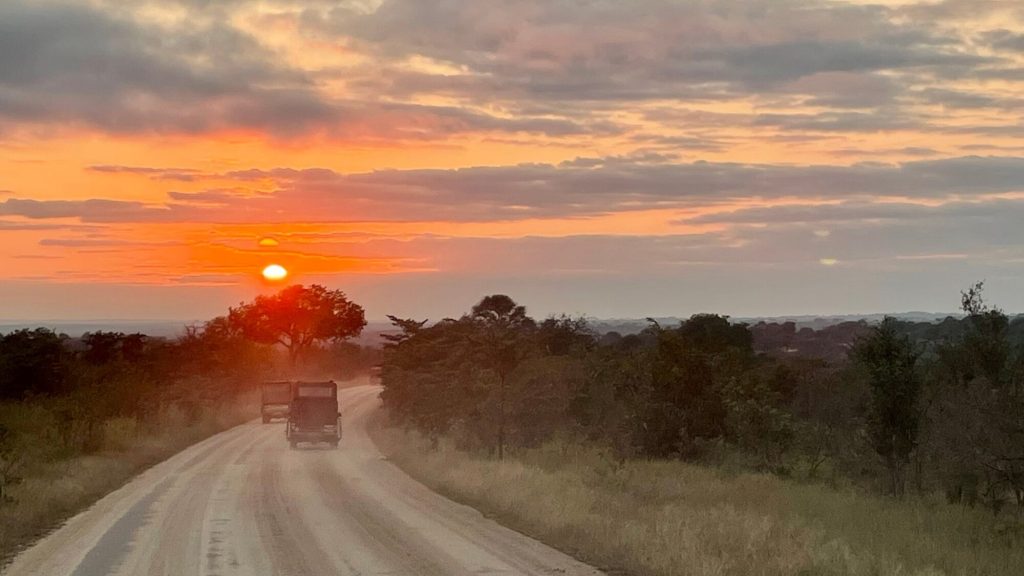
The fixed cost in South Africa's national parks is the SANParks daily conservation fee, charged per person per day. New rates took effect on 1 November 2026 and run to 31 October 2027. Accommodation, vehicles and flights make up the rest of the cost and vary far more.
| Park or section | International adult | International child |
|---|---|---|
| Kruger National Park | R692 | R345 |
| Kgalagadi Transfrontier Park | R662 | Check SANParks |
| Cape of Good Hope (Table Mountain NP) | R592 | R288 |
| Addo Elephant National Park | R565 | R283 |
| Boulders penguin colony | R282 | R138 |
At October 2026 exchange rates, the Kruger fee is about USD 42 per adult per day. Citizens of Southern African Development Community countries pay a lower rate in Kruger, R296, and South African residents pay R140. Private reserves and provincial parks such as Pilanesberg and Hluhluwe-iMfolozi set their own fees, so confirm them when you book.
The best time for a safari in Kruger and the north-east is the dry winter from May to September, when the bush thins out and animals gather near water. Mornings and nights are cold in open vehicles, so pack warm layers.
The summer months from November to March bring rain, green landscapes, newborn antelope and migrant birds, but thicker bush and more heat. The CDC notes that South Africa's health department advises antimalarials in risk areas from September to May, so winter is also the lower-risk season for malaria in Kruger.
The Western Cape works the other way round, with dry, warm weather from about November to March, which suits a Cape Town add-on after a winter safari or a summer trip that pairs the Cape with the malaria-free Eastern Cape.
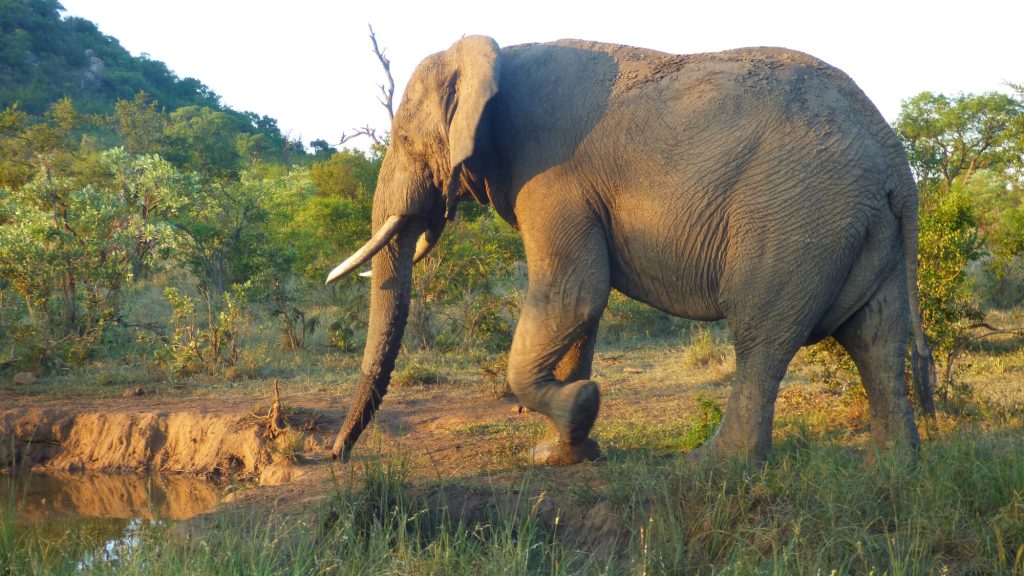
Three to four nights in one safari area is enough to see the Big Five in Kruger, the Sabi Sand or Madikwe. A typical first trip of ten to fourteen days adds three or four nights in Cape Town and either the Winelands or the Garden Route.
Self-drivers in Kruger should allow at least four or five days, because the park is long from south to north and speed limits are low. The Kgalagadi needs four nights or more to justify the journey. If you have under a week, pick one safari area and one city rather than trying to fit in a third stop.
South Africa suits travellers who want easy logistics, malaria-free options, self-drive and a safari combined with a city and the coast. East Africa suits those who want vast open ecosystems, the wildebeest migration and gorilla trekking.
| Factor | South Africa | Kenya, Tanzania, Uganda |
|---|---|---|
| Signature parks | Kruger, Sabi Sand | Masai Mara, Serengeti, Bwindi |
| Self-drive | Easy, good roads | Less common |
| Malaria-free safari | Yes: Madikwe, Pilanesberg, Eastern Cape | Few options |
| Migration | No | Yes, Serengeti and Mara |
| Gorillas | No | Yes, Uganda and Rwanda |
| City and coast add-on | Cape Town, Garden Route | Zanzibar, Kenyan coast |
For a park-by-park view, see our comparison of the Serengeti and Kruger, and the Kenya and Tanzania safari pages.
Kruger National Park and the private reserves on its western edge, such as the Sabi Sand, are the best areas for a first safari, with all of the Big Five and a wide range of accommodation. For a malaria-free alternative, Madikwe in North West Province and the private reserves around Addo in the Eastern Cape also hold the Big Five.
SANParks charges a daily conservation fee per person. From 1 November 2026 to 31 October 2027, international adults pay R692 per day in Kruger, R662 in the Kgalagadi and R565 in Addo, with children paying about half. Private and provincial reserves set their own fees, which lodges often include in their rates.
Yes. Madikwe Game Reserve and Pilanesberg National Park in North West Province, and the Eastern Cape reserves including Addo, lie outside South Africa's malaria areas and all have the Big Five. Kruger and north-eastern KwaZulu-Natal have seasonal malaria risk, so ask a travel health clinic about antimalarials if you visit those areas.
Passport holders from the UK, US and most EU countries can visit South Africa without a visa for up to 90 days. Other nationalities may need a visa or an Electronic Travel Authorisation, a system the Department of Home Affairs launched in 2026. Check the Home Affairs website for your passport before booking, as rules have been changing.
Yes. Kruger, Addo, Pilanesberg and the Kgalagadi are all suited to self-drive, with signposted roads and fenced rest camps. You must stay on the roads, remain inside the vehicle except at designated spots, and return to camp before the gates close. Booking SANParks guided drives adds sightings at dawn and after dark.
May to September is best for game viewing in Kruger and the north-east, as the dry season thins the vegetation and draws animals to water. Summer, from November to March, is greener and better for birds and newborn animals, and it is also Cape Town's dry season.
South Africa is one of the best countries for a family safari, thanks to malaria-free reserves, short transfers and lodges that accept children. Madikwe and the Eastern Cape suit young children, while Kruger works well for older children on a self-drive or guided trip. Some private lodges set minimum ages for game drives, so check before booking.
Insight Safari Holidays can plan a South Africa safari to Kruger, the Sabi Sand or a malaria-free reserve, and combine it with Cape Town or with Big Five parks elsewhere in Africa. Contact the team with your dates and what you most want to see.
Share your dates, group size, budget and the wildlife you most want to see.
A safari consultant sends a tailor-made itinerary with lodges, permits and travel times. Change anything you like.
We book your park fees, lodges, flights and guide, and look after you from arrival to departure.
A locally owned and established safari company operating in Uganda, Rwanda, Tanzania and Kenya. We plan and manage safaris with one clear responsibility in mind: to ensure that travel benefits the places, people, and wildlife that make it possible.
Every safari is carefully planned around your interests, schedule, comfort level, and travel goals.

Experienced safari consultants providing clear communication, detailed planning, and dependable service throughout.


