Rwanda Gorilla Trekking for Solo Travellers
How does a solo traveler organize a gorilla trekking trip in Rwanda?
Organizing a gorilla trekking trip as a solo traveler in Rwanda is absolutely doable and straight-forward if you follow a few steps. First, decide when you want to go. The best seasons for trekking are during Rwanda’s dry months (June-September and December-February) because trails are less muddy and more manageable. Next, you’ll need to secure a gorilla trekking permit through the Rwanda Development Board (RDB), or you can book it through a reputable tour operator. This is essential, as only a limited number of permits are issued each day to protect the gorillas from too much human contact.
Accommodation is your next big step. You can choose to stay near Volcanoes National Park in towns like Musanze (formerly Ruhengeri), as this will make it more convenient for the trek. There are options for every budget, from luxury lodges to budget-friendly guesthouses.
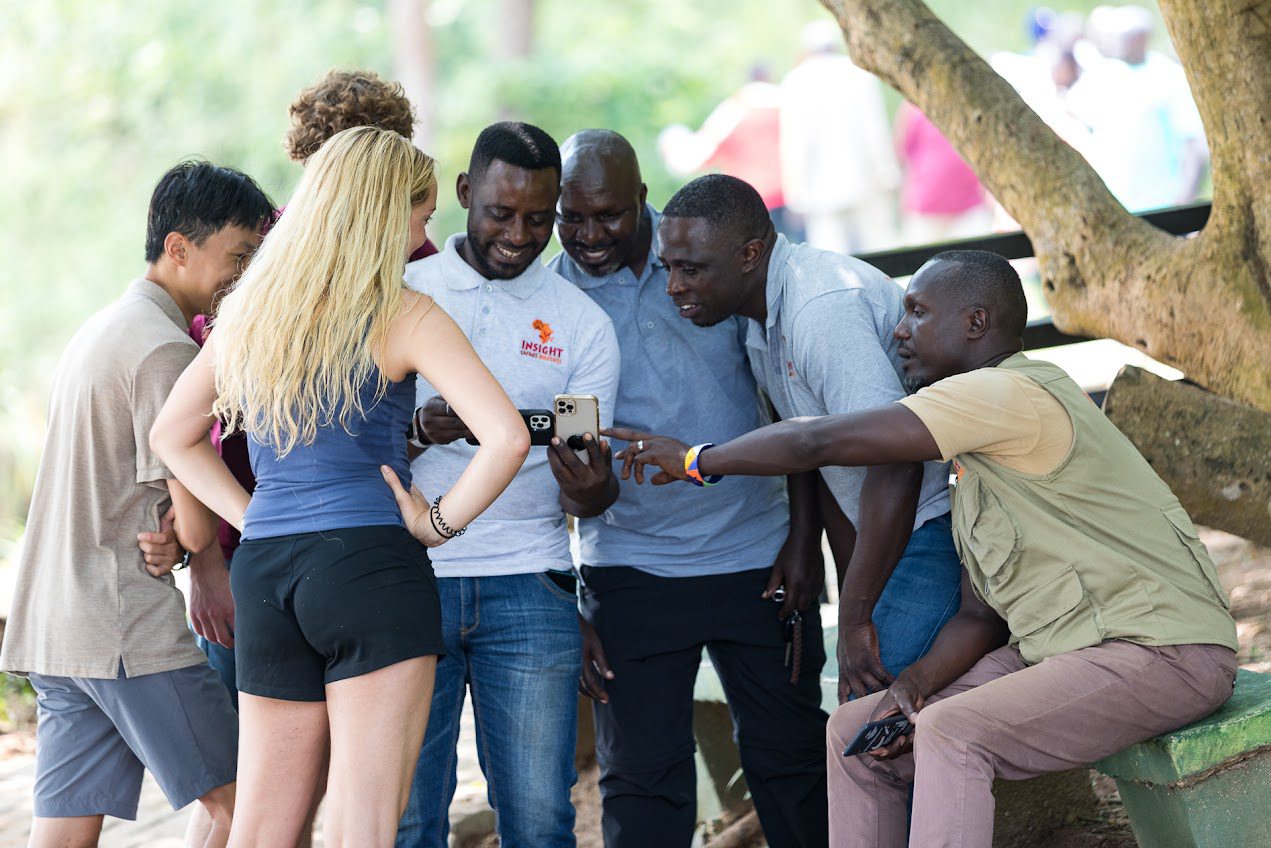
To get around, you can hire a private driver, take public transportation (though this might be tricky), or join a guided tour. As a solo traveler, joining a group tour can make things easier and more fun because you’ll get to meet others and share costs for things like transport and guides.
During your trek, the park will assign you to a group and provide a trained guide and trackers to lead the way. These guides are experts in the forest, so you don’t have to worry about navigating alone.
Example: If you’re nervous about organizing the trip, imagine using a tour company as your safety net. They can handle the logistics like permits, lodging, and transportation for you while you just focus on being prepared to enjoy a breathtaking wildlife experience.
What are the costs involved in gorilla trekking in Rwanda, including permits, guides, and transportation?
Gorilla trekking in Rwanda is considered a premium experience, and the associated costs reflect this. The most significant cost is the gorilla trekking permit, which costs $1,500 per person for international visitors. While this might seem expensive, it’s important to know that the money goes toward conservation efforts and local community development, making it a worthy investment.
Transportation is another key expense. If you hire a private car and driver to get to Volcanoes National Park from Kigali, it typically costs $100-$150 each way. Shared transportation through group tours can reduce this cost, often ranging from $70-$100 per person. If you’re on an organized tour, transportation is usually included in the package.
Accommodation near the park has a range of prices. Budget options like guesthouses cost $30-$70 per night, mid-range lodges are around $100-$300 per night, and luxurious lodges can cost upwards of $1,000 per night. If you’re traveling solo, staying in shared or budget accommodations is a great way to save.
Guides are included in the permit cost, so you won’t need to pay extra for that. However, tipping is customary and appreciated. For guides and trackers, tipping around $10-$20 per person is common, and porters (locals who can carry your bags and help you navigate the trails) generally receive $10.
Example of the total cost for one day of trekking for a solo traveler:
- Permit: $1,500
- Transportation (private car to and from): $200
- Budget lodging for one night: $50
- Tips: $20 Total = $1,770
It’s not a cheap trip, but most visitors agree that seeing mountain gorillas in the wild is absolutely worth the splurge!
Which national parks in Rwanda offer gorilla trekking experiences?
The only national park in Rwanda that offers gorilla trekking is Volcanoes National Park. Located in the northwest region of Rwanda, this park is part of the Virunga Mountains, a chain of volcanoes that spans across Rwanda, Uganda, and the Democratic Republic of Congo. Volcanoes National Park is home to several mountain gorilla families, a critically endangered species, making it one of the best places in the world to observe these incredible animals in their natural habitat.
The park is incredibly important for conservation and ecotourism. Rwanda has made significant efforts to protect the mountain gorillas, and the trekking experience here is highly regulated to ensure their safety and preserve their environment. For example, there is a strict limit on how many people can visit a gorilla family each day (typically eight people per group).
Volcanoes National Park itself is stunning, with its lush forests, bamboo vegetation, and mist-covered hills. The scenery alone makes visiting the park worth it, but the opportunity to see mountain gorillas up close is what draws people from all over the world.
If you want the full gorilla trekking experience, you absolutely have to plan your visit to Volcanoes National Park when heading to Rwanda. While gorilla trekking is also available in Uganda and the DRC in other parks, Rwanda’s Volcanoes National Park is one of the best-known and most accessible options.
What is the best time of year for gorilla trekking in Rwanda?
The best time for gorilla trekking in Rwanda is during the dry seasons, which occur twice a year:
- Mid-December to early February
- June to September
These months are preferred because the trails in Volcanoes National Park are easier to navigate when it’s drier. Gorilla trekking involves hiking through dense vegetation and steep terrain, and the dry seasons make it less muddy and slippery, reducing the physical challenge and making the experience more enjoyable. The weather is also more predictable during this time, which is especially helpful since trekking can take anywhere from 1-6 hours.
That said, gorilla trekking is available year-round, and some people prefer visiting during the rainy seasons (March to May, and late October to November). While the trails are muddier during this time, it also happens to be a much quieter period for visitors. This can lead to a more peaceful and intimate trekking experience since there are fewer tourists.
Another benefit of the rainy season is that gorillas often come closer to the park boundaries to find food. This reduces the amount of hiking you may need to do to see them. Plus, the region’s rainforests are even more lush and vibrant during this time, which can make the scenery feel magical.
In short, if you want ideal hiking conditions, aim for the dry season, but if you don’t mind the rain and would like a quieter experience, the rainy seasons are still a good option.
How physically demanding is gorilla trekking, and what fitness level is required?
Gorilla trekking can be moderately to very physically demanding, depending on the specific trek. On average, the trek involves hiking through uneven terrain, dense forests, steep hills, and possibly muddy conditions. Some gorilla families are closer to park entrances and take only about an hour to reach, while others may require 4-6 hours of trekking to locate.
Your fitness level plays an essential role in how challenging the trek will be. While you don’t need to be an athlete, a moderate level of fitness is recommended. Being comfortable walking uphill, navigating rugged trails, and spending several hours on your feet is important. The trails aren’t like standard hiking paths, they can involve climbing over rocks, ducking under branches, and occasionally wading through streams.
If you’re concerned about physical ability, let the park rangers know in advance. They can assign you to trek groups visiting gorilla families that are located closer to the base. Additionally, you can hire a porter to help carry your backpack or even assist you physically during the hike. Porters are highly experienced and can make a noticeable difference if the trek becomes challenging.
For preparation, regular walking, hiking, or light exercise in the weeks leading up to your trip can help you get ready. Don’t forget to wear appropriate footwear like sturdy hiking boots with good grip, as this is essential for navigating the terrain.
Finally, keep in mind that part of the challenge is the altitude. Volcanoes National Park is located at around 2,000-3,000 meters (6,500 to 9,800 feet) above sea level. The thinner air at high altitudes can make physical exertion feel harder, so allowing yourself time to acclimatize once you arrive in Rwanda will be helpful.
With some preparation and the right mindset, nearly anyone can have a successful and unforgettable gorilla trekking experience!
What should I pack and wear for gorilla trekking in Rwanda?
Gorilla trekking is an immersive, exciting adventure, but it takes you through dense forests, hilly terrain, and possibly muddy paths. Therefore, packing and dressing appropriately is key to staying comfortable and safe. Here’s what you should bring and wear:
Clothing:
- Long-sleeved shirt and long pants – These provide coverage from bugs, thorny plants, and protect your skin while moving through foliage.
- Rain jacket or poncho – Rwanda’s forests can be rainy, and weather is unpredictable. A lightweight, waterproof jacket will keep you dry in case of a downpour.
- Hiking boots – You’ll need sturdy, waterproof boots with a good grip since the terrain can be steep, rocky, and slippery when wet. Avoid regular sneakers, as they won’t provide enough support.
- Gaiters – Optional, but gaiters keep mud, insects, and water from entering your boots and protect your lower legs as you trek.
Gear and Essentials:
- Daypack – A small, lightweight backpack is essential to carry your water, snacks, and other items without feeling overburdened.
- Water bottle or hydration pack – Trekking in Rwanda can be physically demanding, so staying hydrated is crucial.
- Snacks – Granola bars, nuts, or dried fruit are good energy-boosting options for the trek.
- Gardening gloves – These come in handy if you need to grab plants or trees to support yourself while hiking; they’ll protect your hands from scratches and stings.
- Insect repellent – To keep mosquitoes and other insects away, choose a repellent with DEET.
- Sunscreen and hat – Even when trekking through shade, the sun can be strong, so wearing sunscreen and a hat is a good idea.
Extra Tips:
- Wear neutral, earthy colors like green and brown to help blend into the environment and avoid startling the gorillas.
- Avoid perfumes as strong scents can bother the gorillas and other wildlife.
- Pack a camera with a strap to capture incredible memories of the gorilla encounter, but avoid a flash as it can disturb the animals.
In summary, the key is to dress in layers, focus on practicality over fashion, and be prepared for weather changes and challenging terrain.
How do I acquire a gorilla trekking permit, and is it possible for solo travelers to secure one?
Acquiring a gorilla trekking permit is perhaps the most critical step in planning your adventure. These permits act as a ticket to spend an hour with mountain gorillas in the wild, and due to their limited availability, they need to be booked well in advance. Here’s how to go about it:
- Where to Get the Permit: Permits in Rwanda are issued by the Rwanda Development Board (RDB). You can book directly through their website or contact them via email. If you’re working with a tour operator, they will often secure the permit on your behalf as part of the travel package.
- Booking in Advance: Gorilla trekking permits are in high demand as only 96 people are allowed per day (8 people per gorilla family). It’s strongly advisable to book at least 3-6 months in advance to secure your spot, especially during peak seasons (June-September and December-February).
- Costs: As of 2023, the price of a gorilla trekking permit in Rwanda is $1,500 per person. While this cost might seem steep, the money goes directly toward gorilla conservation and supporting local communities.
- Solo Travelers and Permits: Yes, it is absolutely possible for solo travelers to secure a permit! You don’t need to be part of a group to book a permit. Solo travelers will simply join a group of other trekkers on the day of the trek. This is a great way to meet fellow adventurers!
- What Information You’ll Need to Provide: When booking, you’ll need to provide your travel dates, personal details (name, passport info, etc.), and payment. Keep confirmation details handy as you’ll need the permit at check-in.
- Last-Minute Options: If you’re booking last-minute, some tour operators might be able to help you find cancellations or unclaimed permits. However, this isn’t guaranteed and can be risky if you’re on a strict timeline.
To wrap up: solo travelers can secure a permit on their own either by contacting the RDB or through a tour company. Planning well ahead ensures you don’t miss the chance to visit Rwanda’s incredible gorillas.
What safety precautions should I take as a solo traveler in Rwanda?
Traveling solo in Rwanda is generally safe, the country has a reputation as one of Africa’s safest destinations. However, like anywhere, it’s important to stay cautious and prepared. Here’s how to ensure your trip runs smoothly:
- Know the Local Laws and Customs: Learn about Rwanda’s laws and respect the customs of its people. For example, Rwanda has a ban on plastic bags, and public displays of disrespect for authority or the environment are frowned upon. Being culturally aware makes your trip more enjoyable and respectful.
- Stay Alert: As with traveling anywhere, be mindful of your surroundings. While major cities like Kigali have low crime rates, petty theft can happen. Keep personal belongings, like your phone or wallet, secure and avoid flashing valuables.
- Accommodations and Transportation: Choose reputable accommodations with good reviews from other solo travelers. Most guesthouses and lodges offer secure facilities. For transportation, use trusted taxis or car services (Rwanda has ride-hailing apps like Yego Cabs). Avoid walking alone at night, especially in unfamiliar or rural areas.
- Health Precautions: Travel with a basic first-aid kit, and make sure your vaccinations are up to date, yellow fever, typhoid, and malaria precautions are often recommended. Carry insect repellent to protect against mosquito bites. Additionally, drink only bottled or purified water to avoid illness from local water sources.
- Gorilla Trekking-Specific Safety: Follow the guidelines provided by park rangers to stay safe during your trek. These include maintaining a 7-meter distance from gorillas and avoiding sudden movements while in their presence. Listen to your guide’s instructions carefully, they’re trained to handle difficult situations.
- Avoid Political Discussions: Rwanda is a peaceful country, but its history (e.g., the 1994 genocide) is a sensitive topic. Avoid political conversations unless prompted by locals, and always communicate respectfully.
- Stay Connected: Share your itinerary with someone back home or a friend and check in regularly. Make sure your phone works in Rwanda or gets a local SIM card for communication and navigation.
In summary, being resourceful and respectful are the pillars of solo travel safety in Rwanda. With some planning, you’ll find the country to be warm, welcoming, and full of incredible experiences. Happy travels!
Are there any cultural or ethical considerations to keep in mind while gorilla trekking in Rwanda?
When gorilla trekking in Rwanda, it’s important to show respect for both the wildlife and the local communities. The gorillas are endangered, so their habitat and well-being should always come first. For example, maintaining a safe distance (at least 7 meters or about 22 feet) from the gorillas is crucial. Even though the gorillas are habituated to humans, they remain wild animals, and any stress to them could affect their health. You don’t want them to get accustomed to behaviors that could disrupt their natural way of life.
Another crucial consideration is to avoid spreading diseases to the gorillas. Since gorillas and humans share about 98% of the same DNA, they can catch human illnesses. This means you shouldn’t visit them if you’re feeling sick or have a cold. Also, some trekking groups require guests to wear face masks when near the gorillas as a protective measure.
For cultural considerations, be respectful to the Rwandan people. When visiting local villages or engaging with local guides, show appreciation for their way of life. For instance, taking pictures of people without their permission can be viewed as disrespectful. Always ask politely before taking photos, and engage with locals in a warm, courteous manner.
On the ethical side, it’s good to ensure that the organizations or tour operators you’re working with contribute positively to conservation and local communities. For instance, the fee you pay for a gorilla trekking permit in Rwanda (around $1500) goes toward protecting the gorillas and supporting conservation efforts. It also funds community-based projects, improving education, healthcare, and infrastructure in local towns.
By respecting these cultural and ethical guidelines, whether it’s respecting gorilla space, supporting eco-tourism, or engaging kindly with local communities, you can have a meaningful and responsible trekking experience.
Can I join a group or hire a guide as a solo traveler to reduce costs or enhance the experience?
Yes, absolutely! If you’re a solo traveler in Rwanda, it’s easy to join a group or hire a guide for gorilla trekking. In fact, this is often encouraged to help you reduce costs and enhance your trekking journey. Gorilla trekking permits are issued per individual, so the cost is fixed ($1500 per person), but joining a group can help you share other expenses like transportation and accommodation.
Many tour companies in Rwanda offer group treks specifically designed for solo travelers or small groups who want to band together. These packages often include transportation to the trekking site, accommodation near the national park (like Volcanoes National Park), and professional guides who are knowledgeable about the local wildlife. For example, you might join a group of 6-8 other trekkers and share vehicle rental costs, which is significantly cheaper than booking a private car as a solo traveler.
Even if you don’t book ahead, you can often connect with other solo travelers once you’re in Rwanda or when you arrive at the park headquarters. National parks usually organize treks for groups of up to 8 people per gorilla family, so it’s likely you’ll be paired with other visitors.
Hiring a guide is also another great way to enhance your experience. Guides know the terrain, can interpret subtle signs of gorilla behavior, and have a wealth of knowledge about the flora and fauna you’ll see along the way. This makes your trek not only safer but also much more enriching. Professional guides also make sure you follow all the rules, like keeping a safe distance from the gorillas and staying quiet so they feel comfortable.
So, whether you pre-arrange through a tour operator or join a group on-site, being part of a group as a solo traveler is a smart, budget-friendly, and exciting way to experience Rwanda’s incredible gorilla trekking.
How can I combine gorilla trekking with other activities or attractions in Rwanda?
Rwanda is small but packed with amazing experiences, so combining gorilla trekking with other activities is very doable and makes for a well-rounded adventure. After your gorilla trek, consider exploring Rwanda’s other national parks, cities, and cultural landmarks.
One popular option is to visit Akagera National Park, located in the eastern part of Rwanda. This park offers a traditional safari experience, complete with the “Big Five” animals (elephant, lion, leopard, buffalo, and rhino). You can take a game drive or a boat safari on Lake Ihema to see hippos and crocodiles.
If you’re interested in more natural landscapes, Nyungwe Forest National Park is another must-see destination. It’s home to beautiful rainforest scenery, hundreds of bird species, and the famous canopy walkway, a suspended bridge high in the treetops. You can also go chimpanzee trekking here to see another species of primate!
For relaxation and stunning views, consider Lake Kivu. This massive freshwater lake is perfect for downtime after the physically demanding gorilla trek. You can enjoy kayaking, boat rides, or simply relaxing on the beach. The lake’s nearby towns, like Gisenyi and Kibuye, are charming and offer a good mix of activities and accommodations.
Rwanda also has significant cultural and historical landmarks. In Kigali, the capital city, you can visit the Kigali Genocide Memorial to learn about the country’s history and resilience. The city also has vibrant markets, like Kimironko Market, and great dining options for tasting Rwandan cuisine.
A suggested itinerary might look like this: start with gorilla trekking in Volcanoes National Park, then spend a few days at Lake Kivu for relaxation, followed by a safari in Akagera National Park, and finally explore Nyungwe Forest before wrapping up in Kigali. This way, you get a mix of adventure, culture, and relaxation.
With proper planning, you can experience much more of Rwanda’s beauty while keeping gorilla trekking as the highlight of your trip.
What is gorilla trekking, and why is Rwanda a popular destination for it?
Gorilla trekking is an outdoor adventure where people hike through forests to see endangered mountain gorillas in their natural habitat. These gorillas don’t live in most zoos and can only be found in specific areas of the world, mainly in the Virunga Mountains (a chain of volcanoes in Africa) and Bwindi Impenetrable Forest. Unlike safaris where you’re in a vehicle looking for animals like lions, gorilla trekking involves walking through dense forests, sometimes up steep hills, to meet a gorilla family up close.
Rwanda is a popular destination for gorilla trekking because of its amazing Volcanoes National Park, which is home to about one-third of the remaining mountain gorillas in the world. The park has incredible biodiversity, meaning lots of other plants and animals to see too. Rwanda invests heavily in conservation to protect these endangered gorillas, while also ensuring that visitors have a safe, organized, and magical experience. Plus, Rwandan people are known for being warm and welcoming, which adds to the trip.
Another reason Rwanda is so popular is practicality: it’s one of the easiest places to reach for gorilla trekking. The capital city, Kigali, has an international airport, and the Volcanoes National Park is only a two- to three-hour drive away. Compare that to Uganda or the Democratic Republic of Congo (other gorilla trekking destinations), where it might be harder to reach the gorillas due to longer travel times or safety concerns.
Example: Imagine hiking through a misty forest, hearing rustling sounds, and then suddenly finding yourself face-to-face with a gentle gorilla. It’s the kind of once-in-a-lifetime moment that draws visitors to Rwanda from all over the world.