
Inquire Now
Gombe chimpanzee trekking on the shore of Lake Tanganyika, where Jane Goodall began her research in 1960: the boat from Kigoma, wildlife, best months and where to stay. Book a Tanzania chimp safari with us.
Gombe Stream National Park is a 35 square kilometre strip of forest on the Tanzanian shore of Lake Tanganyika, where Jane Goodall began studying wild chimpanzees in 1960. There is no road in: you fly to Kigoma and take a boat for 1 to 2 hours. Entry costs USD 100 per foreign adult on the TANAPA tariff, and June to October is the prime season for trekking. The park's official name is Gombe National Park; "Gombe Stream" is the long-used name that most travellers still search for.
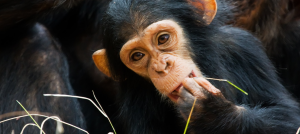 4 Days
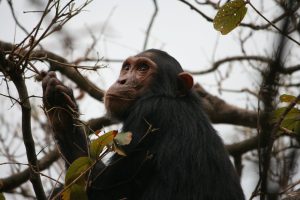 8 Days
Prefer your own dates and lodges? Ask for a tailor-made quote.
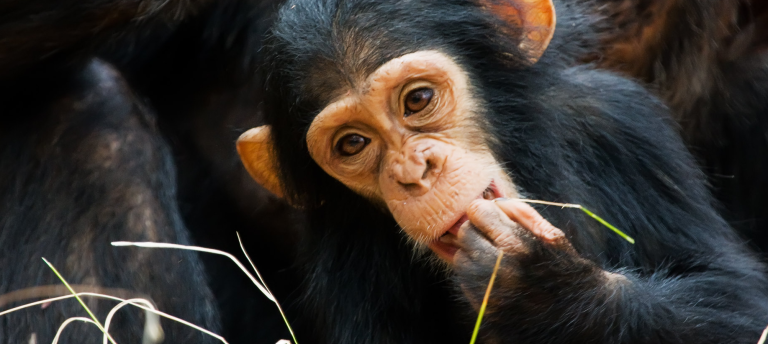
A 4-day chimpanzee safari in Mahale Mountains National Park, Tanzania, reached by boat across Lake Tanganyika from Kigoma, with two days of chimpanzee treks and…
Safari Details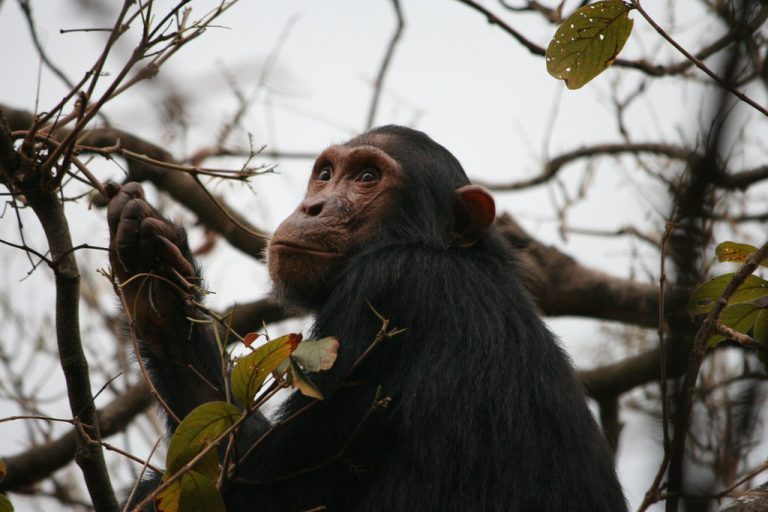
An 8-day chimpanzee trekking safari in western Tanzania, flying to Kigoma and travelling by boat on Lake Tanganyika to Mahale Mountains and Gombe Stream National…
Safari DetailsIn this guide: Location · Getting there · Why visit · Things to do · Wildlife · Attractions · History · What sets it apart · Best time · Where to stay · Fees · Sample trips · FAQs
Gombe is in far western Tanzania, on the eastern shore of Lake Tanganyika about 16 kilometres north of Kigoma town. It is a narrow band of steep valleys running from the lake beach up to the rift escarpment, close to the Burundi border.
The park headquarters and visitor area are at Kasekela, roughly midway along the shore. Everything a visitor needs sits here: the ranger post where entry formalities are done, the rest house, and the trailheads into Kakombe and Kasekela valleys.
Reaching Gombe takes two steps: get to Kigoma, then take a boat north along the lake. No road enters the park. Most visitors fly to Kigoma from Dar es Salaam and are on the water the same afternoon or the next morning.
Tanzania National Parks (TANAPA) lists scheduled flights to Kigoma airport from Dar es Salaam. Schedules change, and flights do not run at convenient times every day, so fix the flight before the lodge. Kigoma can also be reached by a long train or bus trip across the country, which only suits travellers with days to spare.
TANAPA gives the boat trip as 1 to 2 hours from Kigoma, depending on the boat and the lake. Lodges and operators run private motorboats; Kigoma Hilltop Hotel, for one, runs day trips by dhow from its own beach at sunrise. Local lake taxis also pass the park and are far cheaper, but they are slow, crowded and carry no safety equipment, so most operators advise against them.
Visit Gombe to walk with the most studied wild chimpanzees on earth, in the forest where the study began. The chimps of the Kasekela community have been followed daily for over sixty years, so they are relaxed around people, and the park's tiny size keeps visitor numbers low.
It is not the easiest or cheapest chimp trek in Africa. The journey costs at least two travel days from the northern safari circuit, the valleys are steep, and a sighting is likely but never certain. Travellers who only want a reliable hour with chimps, with gorillas nearby, are better served by Uganda's Kibale. Gombe rewards those who care about the history and want the lake as well.
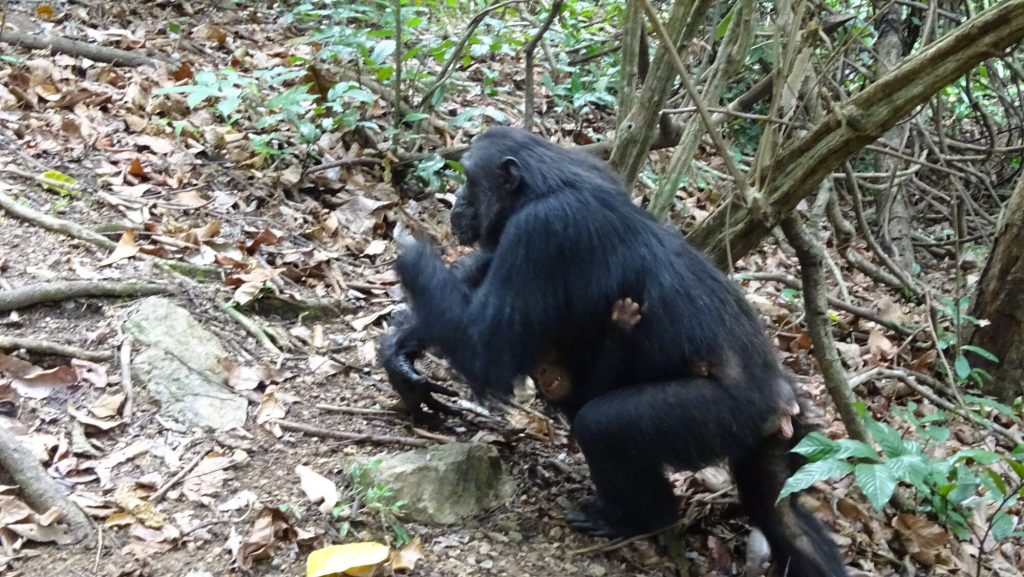
Chimpanzee trekking is the reason to come, and TANAPA also lists forest walks, the waterfall hike, birdwatching, boat trips and swimming or snorkelling at designated spots. Two nights is enough to trek twice and still see the falls and the lake.
Treks start at Kasekela with a ranger guide, after trackers have gone ahead to find where the chimps nested. The walk can take half an hour or several hours, on steep and often slippery paths. Once the chimps are found, time with them is limited; operators commonly quote one hour and groups of six, though TANAPA's public pages give no numbers.
TANAPA's chimp viewing rules at Gombe:
The minimum age is 15 according to Kigoma Hilltop Hotel, which cites TANAPA; some operators say 12, so confirm before booking for a teenager. A fuller comparison of Gombe with Mahale, Kibale and Nyungwe belongs in a wider chimpanzee trekking guide; this page covers Gombe only.
Kakombe Waterfall is a short forest walk from Kasekela, and it is often added to the end of a trek. The falls drop into a shaded valley where chimps and baboons sometimes pass. TANAPA charges USD 20 for a short guided walk and USD 25 for a long one.
Jane's Peak is the viewpoint Goodall used to scan the valleys for chimpanzees in her first months. The climb is steep and hot, and the view runs across the forest canopy to the lake. Go early or late in the day.
The lake at Gombe is clear, with small colourful cichlid fish over the rocks. TANAPA allows swimming and snorkelling at designated spots, and its tariff lists kayaking at USD 10 and a boating safari at USD 20. Ask the rangers where it is safe to swim.
Gombe is a primate park. TANAPA names three chimpanzee communities, plus olive baboons, red colobus and three other monkey species, with leopards present but rarely seen. There are no lions, elephants or other large safari animals.
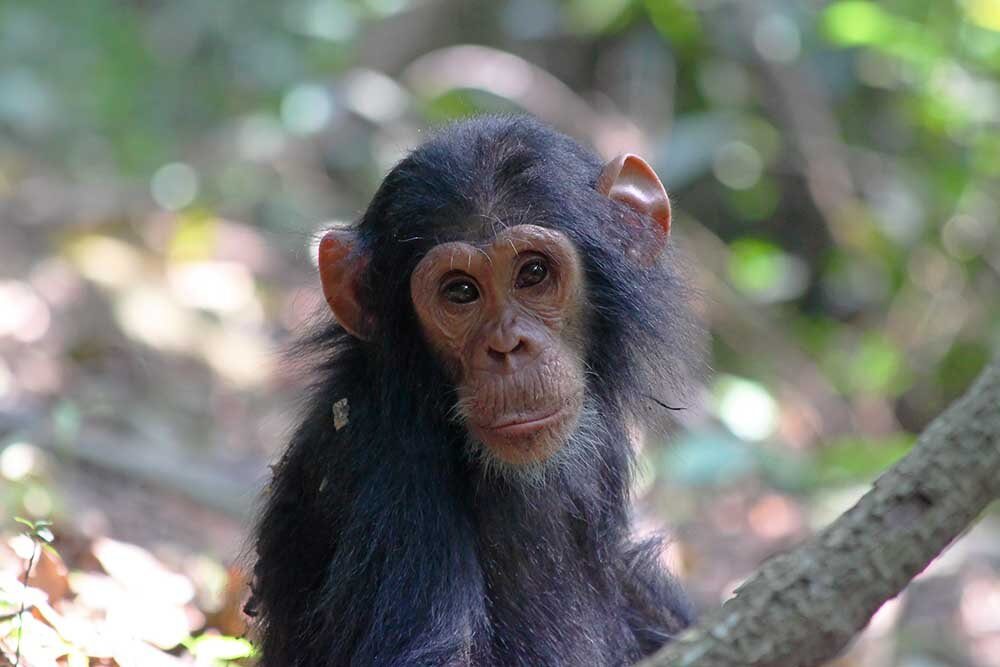
The three communities are Kasekela, Mitumba and Kalande. Visitors trek to Kasekela, in the centre of the park, which is the group Goodall studied. The others are followed by researchers. Total numbers are often put at around 90 to 100 chimps; this guide could not confirm a current count from the park authority.
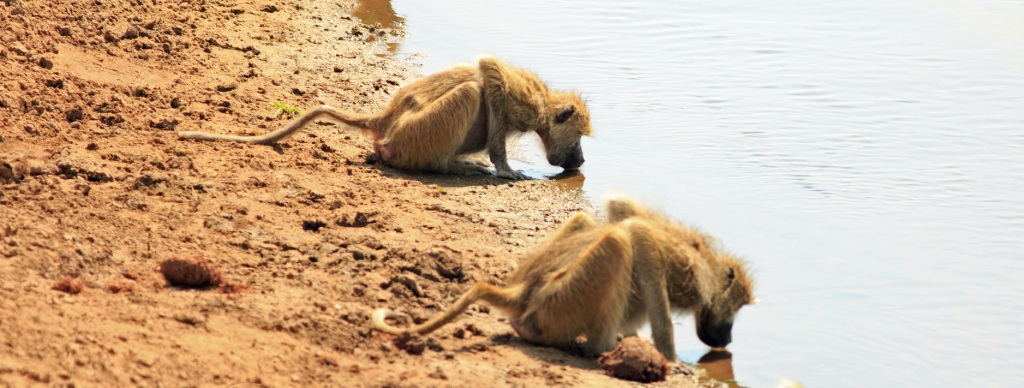
Olive baboons walk the beach at Kasekela and have been studied here since the sixties, so they ignore people; keep food out of sight and doors shut. In the forest, look for red-tailed and blue monkeys, vervets, and red colobus high in the canopy. The colobus stay up there for good reason: Gombe's chimps hunt them.
Around 200 bird species are recorded for the park. TANAPA picks out fish eagles along the shore, trumpeter hornbills and turacos in the forest.
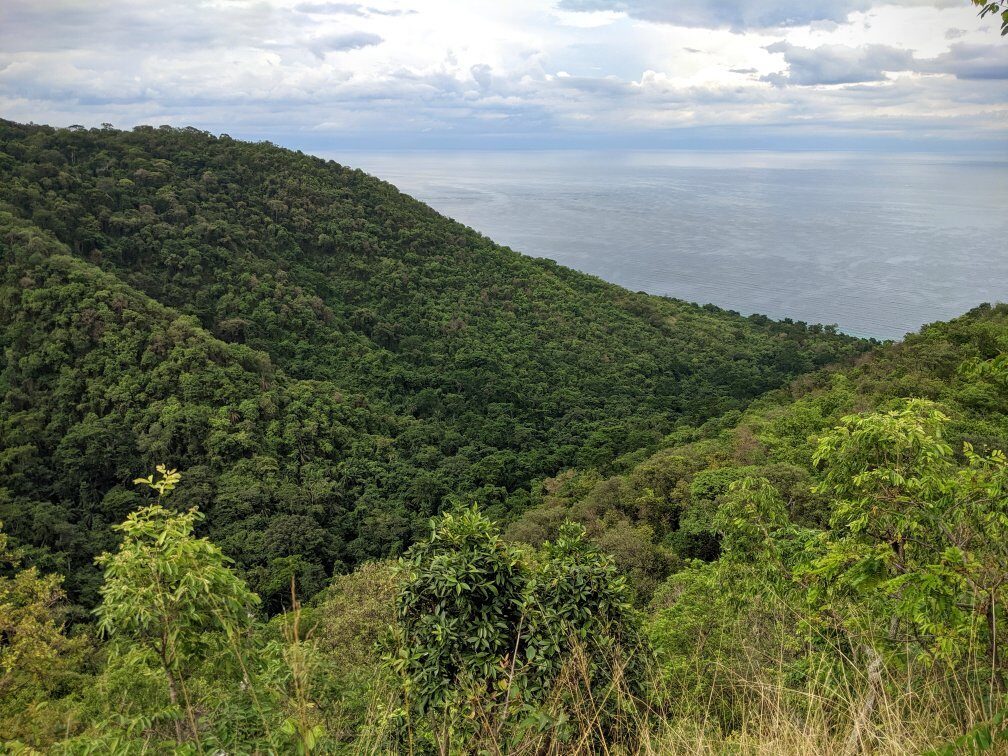
Beyond the chimps, Gombe's attractions are the Kakombe Waterfall, Jane's Peak, the Lake Tanganyika shoreline and the sites linked to Goodall's research. All are within walking distance of Kasekela.
Kakombe is the valley behind the headquarters and the heart of the research area. The trail follows the stream through tall forest to the falls.
The old feeding station, where Goodall and her team once used bananas to draw chimps close, can still be seen, though feeding stopped long ago. The Jane Goodall Memorial House at Kasekela is on the TANAPA tariff as visitor accommodation at USD 35 per person.
Lake Tanganyika is the longest freshwater lake in the world and one of the deepest. From the beach the sun sets over the hills of the Democratic Republic of Congo on the far side, and local fishing boats light the water with lamps at night.
Gombe became a national park in 1968 and covers 35 square kilometres. Jane Goodall arrived in 1960, and the Gombe Stream Research Centre, founded in 1967, runs what is described as the longest continuous field study of any animal species.
Goodall's early findings changed how people think about apes. She watched chimps strip leaves from twigs to fish for termites, which showed that humans were not the only tool makers. Later she recorded hunting, and a four-year conflict in which the Kasekela community wiped out a breakaway group.
On the name: TANAPA calls the park Gombe National Park. "Gombe Stream" comes from the earlier game reserve and the research centre, and remains the name in common use.
Gombe stands apart on three counts: its research history, its lake setting, and its size. You can walk most of the visitor trails in two days, then swim in Lake Tanganyika after a trek.
| Question | Gombe | Mahale Mountains |
|---|---|---|
| Access | Boat, 1 to 2 hours from Kigoma | Flight, then boat |
| Size | 35 square kilometres | Far larger |
| Known for | Goodall's study site | Remote mountain forest |
| Fits a short trip | Yes, 2 nights | 3 nights or more |
Mahale, further south on the same lake, is wilder and takes longer to reach. Gombe is the practical choice when time is short.
TANAPA gives June to October as the prime months for Gombe. These are the dry months, when trails are firmer and the chimps tend to stay lower on the slopes, closer to Kasekela.
The park stays open all year. Wet season trekking is harder underfoot, but the forest is at its greenest and you may have the trail to yourselves.
You can sleep inside the park in TANAPA's simple rooms and tents or at one private lodge, or stay in Kigoma and visit by boat for the day. TANAPA's own beds cost USD 20 to USD 60 per person a night on its tariff.
The rest house costs USD 20 per person. The Kasekela Luxury Tented Camp is listed at USD 50 per person sharing, or USD 60 for a suite, and public camping at USD 30. Facilities are basic and food is limited, so most visitors bring supplies from Kigoma or book through an operator who caters.
This is the private lodge inside the park, a small tented camp on the beach sold on a full board basis with treks and boat transfers. Its rates were not confirmed from the lodge for this guide; ask for a current quote.
Kigoma Hilltop Hotel overlooks the lake and runs day trips to Gombe with guide, boat, park fees and a packed lunch included. The hotel itself calls this the budget way to see the chimps, and recommends the lodge inside the park for anyone who wants more time.
Entry to Gombe costs USD 100 per foreign adult and USD 20 per child aged 5 to 15, the highest entry fee band on the TANAPA tariff. The tariff has no separate chimp trekking permit; you pay entry plus a guide fee of USD 20.
| Fee, foreign visitor | TANAPA rate |
|---|---|
| Park entry, adult | USD 100 |
| Park entry, child 5 to 15 | USD 20 |
| Ranger guide fee | USD 20 |
| Concession fee for lodge guests | USD 30 per night |
| Public camping | USD 30 per night |
| Guided walk, short or long | USD 20 or USD 25 |
Ask how many hours an entry fee covers, because a two night stay with two treks can mean paying entry more than once. Ask also whether a quote adds 18 percent VAT to these figures. The tariff year runs from 1 July to 30 June.
Gombe works as a day trip from Kigoma, a two night stay, or part of a longer western circuit with Mahale and Katavi. The two night version gives the best odds with the chimps.
Leave Kigoma by boat at sunrise, register at Kasekela, trek, eat a packed lunch on the beach and return before sunset. It is the cheapest way to visit, with one chance at the chimps.
Day one: fly to Kigoma, boat to Gombe, afternoon walk to Kakombe Waterfall. Day two: morning chimp trek, afternoon on the lake. Day three: a second trek or Jane's Peak at dawn, then the boat and flight out.
A western Tanzania circuit pairs two nights in Gombe with three or four in Mahale, then Katavi for big game. Light aircraft links are few each week, so the flight schedule sets the order.
Fly to Kigoma, then take a boat north on Lake Tanganyika for 1 to 2 hours to Kasekela. There is no road access.
Park fees for a day are USD 120 per foreign adult: USD 100 entry plus a USD 20 guide fee on the TANAPA tariff. Boat transfers, lodging and flights to Kigoma come on top.
No trek can promise it, but the Kasekela chimps are habituated and trackers go out ahead, so most visitors who stay two nights do see them. A second trek is the best insurance.
Reasonably fit. The valleys are steep, and a trek can last several hours in heat and humidity. Wear boots with grip and long trousers.
Kigoma Hilltop Hotel states that TANAPA's minimum age is 15. Some operators quote 12. Confirm the current rule before booking flights for a family.
Yes, when time is short. Gombe is quicker to reach and carries the Goodall history. Mahale is larger, wilder and needs more nights. Short trips favour Gombe.
Insight Safari Holidays, a Uganda-based operator, arranges Gombe trips: flights to Kigoma, the boat, park fees and a bed at Kasekela or in town. Send your dates, and the team will plan the trek around the flight days that work.