Rwanda Birding Tours
What makes Rwanda a top destination for birding tours?
Rwanda is considered a birding paradise for several reasons, making it one of the best destinations for bird enthusiasts. First and foremost, the country is incredibly biodiverse despite its small size. It has over 700 recorded bird species, including rare and endangered ones, as well as species that can only be found in this part of the African continent. For context, this means that Rwanda has more bird species than some countries that are several times larger in size! The compactness of Rwanda also makes it an attractive destination for a Rwanda birding tour, as visitors can explore multiple birdwatching spots without spending days traveling between them.
Beyond numbers, the habitats in Rwanda are diverse, ranging from rainforests and savannahs to wetlands and high-altitude mountains. These ecosystems support different kinds of bird species, so you’ll find a variety of colorful and unique birds no matter where you go. For example, the montane forests of Nyungwe National Park are home to Albertine Rift endemics (birds only found in this region), while Akagera National Park’s wetlands offer a chance to see stunning waterbirds like pelicans and kingfishers. The rich birding potential of these habitats ensures that wildlife enthusiasts have a memorable experience.
Rwanda is also a safe, accessible, and travel-friendly country with top-notch tourism infrastructure. This adds to its appeal as a birding destination. Visitors can enjoy comfortable accommodations and guided tours with expert birding guides who know the best spots to find elusive species. On top of that, Rwanda’s famous clean environment and conservation efforts provide perfect conditions for observing birds.
Additionally, birding in Rwanda offers a chance to see the country’s breathtaking landscapes, from lush forests to rolling hills, and enjoy its incredible biodiversity. For example, while on a birding tour, you might also encounter primates, like the iconic mountain gorillas or chimpanzees, which makes the experience even more memorable.
What are the best birding spots in Rwanda?
Rwanda is packed with incredible birding spots, each offering unique opportunities to see different species and landscapes. One of the most famous and biodiverse birding destinations is Nyungwe National Park, located in the southwestern part of the country. This remarkable habitat is a montane rainforest that provides a habitat for over 322 bird species, including 27 Albertine Rift endemics like the Grauer’s Swamp Warbler and the Rwenzori Turaco. The lush forest is perfect for spotting hornbills, turacos, and flycatchers.
Another fantastic spot is Akagera National Park in the eastern part of Rwanda. This park boasts savannas, wetlands, and woodlands, making it a birdwatching haven with close to 500 species. Akagera’s large wetlands, such as Lake Ihema, are ideal for spotting waterbirds like African jacanas, fish eagles, herons, and the rare shoebill stork. Its open savanna areas make spotting ground birds like ostriches easier, too, enhancing its birding potential.
Kigali, the capital city, surprisingly offers great birdwatching opportunities as well. Places like Nyarutarama Lake and the Nyandungu Urban Wetland Ecotourism Park are home to dozens of species, making it a good spot for quick urban birding. You might see colorful bee-eaters, sunbirds, or weaver birds here.
Lake Kivu, located on Rwanda’s western border, is another excellent birding location. This large freshwater lake and its surrounding islands are great for spotting both waterbirds and forest birds like cormorants, kingfishers, and sunbirds, adding to the country’s extensive bird list.
For those interested in wetland species, the marshes and swamps around Rugezi Wetlands and the Akanyaru wetlands shouldn’t be missed. These areas are home to rare species like the papyrus gonolek and papyrus canary, which thrive in swamp vegetation.
In short, no matter where you go, whether it’s a dense rainforest, a shimmering wetland, or rolling savannah, you’ll find incredible birdlife throughout Rwanda, making it a top destination for a Rwanda birding tour.
What types of bird species can be found in Rwanda?
Rwanda is home to an incredible variety of bird species, with over 700 recorded throughout the country. What makes this even more exciting is the diversity of habitats, from rainforests and wetlands to savannahs, allowing birders to see a wide range of species in one trip. A well-planned Rwanda birding tour can provide access to many of these unique environments.
One of the highlights of birding in Rwanda is spotting Albertine Rift endemic species. These are birds that can only be found in the Albertine Rift region, encompassing Rwanda and its neighboring countries. Examples include the Rwenzori Turaco, a vividly colored bird with red and green plumage, and the Grauer’s Swamp Warbler, which is mainly found in swampy habitats. These endemics are often the top reason international birders visit Rwanda.
Rwanda is also home to stunning forest birds like the Great Blue Turaco, a large, striking bird with bright blue and green feathers, often spotted in Nyungwe National Park. In addition, forested areas of the country host colorful species like greenbuls, sunbirds (known for their iridescent colors), and various types of barbets.
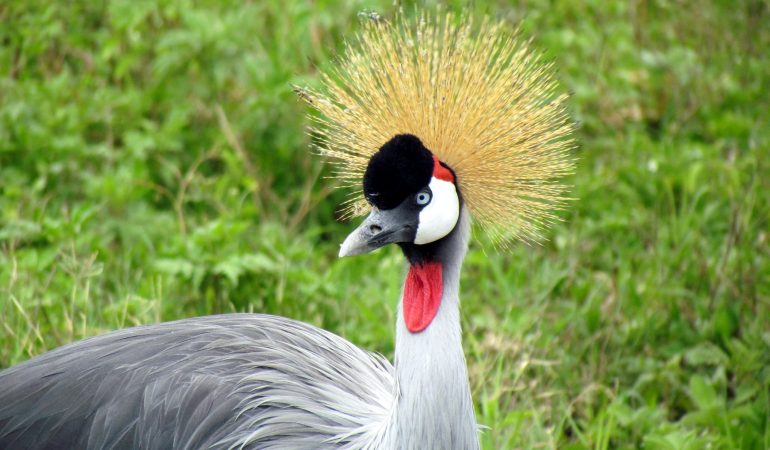
Moving to the wetlands, waterbirds are abundant. Species such as the African jacana, known for its long toes that let it walk on floating vegetation, and the Grey Crowned Crane, Rwanda’s national bird, are common sights in places like Akagera National Park or Lake Ihema. If you’re lucky, you might even catch a glimpse of the rare and elusive shoebill stork, a prehistoric-looking bird found in swampy areas, adding to the birding potential of the region.
Savannah habitats in Akagera are where you’ll find larger birds like ostriches, secretary birds (known for their long legs and snake-hunting skills), and kori bustards. Raptors, such as the African fish eagle and martial eagle, can also be spotted soaring through the skies.
With everything from tiny forest songbirds to giant waterbirds, Rwanda offers an unmatched birding experience for enthusiasts and beginners alike. The combination of accessible birding areas and the chance to see a range of species makes it a remarkable habitat for birdwatching.
When is the best time of year to go birding in Rwanda?
The best time to go on a Rwanda birding tour is generally during the dry seasons, which occur twice a year: from June to September and again in December to February. These months are ideal because there’s less rain, making it easier to explore Rwanda’s forests, savannas, and other natural habitats where birds thrive. Rain can make trails slippery and muddy, particularly in dense forests like Nyungwe, so the dry seasons guarantee more comfortable and accessible conditions for birdwatching.
Another significant reason the dry seasons are great is visibility. With fewer leaves on trees and less mud on the ground, spotting birds is much easier, and they tend to perch on visible branches or fly freely in the open. This increased visibility enhances the chances of sightings of various desirable species, including endemic primates and savanna birds.
However, if you’re interested in migratory bird species (birds that travel between continents with the seasons), you might want to visit between November and April. During this period, Rwanda hosts several species of migratory birds that come from Europe and Asia to escape the cold winters.
Keep in mind that Rwanda has a generally moderate climate because of its high elevation. Even though it’s in the tropics, temperatures are comfortable year-round. Rain is most intense during the wet seasons (March to May and October to November), but even then, birders can still spot many species. Just plan for shorter, wetter outings.
So, overall, if you’re mainly interested in an enjoyable and hassle-free experience, stick to the dry seasons (June-September or December-February). But if you want those rare migratory species in addition to Rwanda’s native birds, November to April will give you a unique birding experience.
Are there endemic or rare bird species unique to Rwanda?
Yes, Rwanda is home to some bird species that are endemic (only found in specific areas, including Rwanda) or rare. While Rwanda doesn’t have many strictly endemic species (ones you’ll only find in Rwanda), what makes the country special is that it provides habitat for Albertine Rift endemic species. The Albertine Rift is a region of rich biodiversity that spans several countries in East Africa, including Rwanda, and has birds you can’t see in other parts of the continent, making it a prime location for a rwanda birding tour.
One of the rarest birds associated with Rwanda is the Red-collared Babbler, which is often highlighted as a major draw for bird watchers, especially in Nyungwe Forest National Park. Its striking red throat and chest make it a dazzling find. Because Rwanda has protected habitats like Nyungwe, this species has a better chance of thriving, and birders have a high likelihood of spotting it here.
Another key species is the Grauer’s Swamp Warbler, a bird that prefers marshy areas such as Rugezi Swamp. This species is globally threatened and highly localized, making Rwanda one of the best places in the world to see it, particularly for those interested in the diverse avian life of the African Rift.
The Albertine Rift offers other sought-after species. These include the Rwenzori Turaco, with its bright green and red plumage, and the Handsome Francolin, a ground-dwelling bird that is both beautiful and unique to high-altitude forests.
In addition to endemic species, Rwanda’s diverse habitats attract other rare and migratory species, making it a valuable destination for birding. For example, Akagera National Park is home to the elusive Shoe-billed Stork, a rare bird that looks almost prehistoric with its oversized beak, further enhancing Rwanda’s birding potential.
In short, whether you’re looking for birds that live exclusively in the Albertine Rift or want a chance to see rare swamp and forest dwellers, Rwanda is an important destination for spotting unique avian life that’s hard to find elsewhere.
What is the typical itinerary for a Rwanda birding tour?
A typical Rwanda birding tour lasts around 7-10 days and is carefully planned to include a mix of Rwanda’s most famous birding spots. Most itineraries start and end in Kigali, Rwanda’s capital, which has an international airport and some nearby birding sites like Nyabarongo Wetlands. Here’s what a sample itinerary might look like:
Day 1: Arrive in Kigali. After settling in, birding tours typically start with an easy visit to a nearby wetland, like Nyabarongo, to spot wetland birds such as the Papyrus Gonolek or Malachite Kingfisher.
Day 2-3: Head to Akagera National Park, located in eastern Rwanda. This is a savanna and wetland-filled area where you can find a mix of water birds like storks and herons, savanna species like African Fish Eagles, and rare gems like the Shoe-billed Stork. During game drives, you can also spot other wildlife like elephants and lions.
Day 4-6: Travel south to Nyungwe Forest National Park, one of Africa’s richest montane forests for birding. Nyungwe is where birders look for Albertine Rift endemics like the Red-collared Babbler, Rwenzori Turaco, and Grauer’s Warbler. Guided hikes through the forest are the highlight here.
Day 7-8: Visit other birding hotspots like Rugezi Swamp (to find the Grauer’s Swamp Warbler) or Volcanoes National Park, which is better known for gorilla trekking but also has great birding opportunities for montane species.
Day 9-10: Tour wraps up by returning to Kigali, with optional stops for quick birding detours or visits to cultural landmarks like the Kigali Genocide Memorial.
Throughout the trip, the itinerary includes early morning birding outings (when birds are most active) and expert guides to help identify species. Rwanda’s small size and good infrastructure make it easy to travel between locations, so birders can cover diverse habitats (forests, savannas, wetlands) all in one trip.
Do Rwanda birding tours include visits to national parks like Nyungwe Forest and Akagera National Park?
Yes, most Rwanda birding tours include visits to major national parks like Nyungwe Forest National Park and Akagera National Park. These parks are biodiversity hotspots and home to an incredible range of bird species, making them must-visit destinations for bird enthusiasts. Let’s break it down:
Nyungwe Forest is one of the oldest rainforests in Africa and is ideal for spotting forest-dwelling birds. It is home to over 300 bird species, including rare and beautiful ones like the Great Blue Turaco, a large, colorful bird with striking blue and green feathers. Birders here can also encounter Albertine Rift endemics, which are birds found only in this specific region, like the Red-throated Alethe or the Regal Sunbird.
On the other hand, Akagera National Park offers a completely different birding experience. This park features a mix of savannahs, wetlands, and woodlands, making it a great spot for water and grassland bird species. You might see storks, ibises, or even fish eagles near Lake Ihema. For variety, you can also find raptors, like the African Harrier-Hawk, adding to the park’s birding potential.
These national parks are not just for birding, though. The lush landscapes and diverse wildlife, such as monkeys in Nyungwe or elephants in Akagera, mean you’ll have a unique, multi-dimensional experience. Tour packages often prioritize these iconic parks because they showcase Rwanda’s stunning biodiversity in all its forms. Guides in these parks are pretty knowledgeable too; they help birders explore trails and identify both common and elusive species.
So, national parks like Nyungwe Forest and Akagera are often the cornerstone of Rwanda birding tours, combining natural beauty with unmatched birdwatching opportunities, making them some of the most desirable species hotspots in the region.
What level of bird identification skills is required for joining a birding tour in Rwanda?
Good news: You don’t need to be an expert birder to enjoy a birding tour in Rwanda. These tours are inclusive and designed for people with all levels of bird identification skills, from beginners to advanced birdwatchers.
If you’re a beginner, don’t worry! You don’t need to know the names of birds or how to distinguish between similar-looking species before arriving. Most birding tours in Rwanda are led by experienced guides who are absolute pros at spotting and identifying birds. They’ll help you find species and even teach you how to identify birds by their calls, markings, or behaviors. For example, they can point out how the African Grey Parrot has a loud, chattering sound or how the striking Sunbird species flutter to reach nectar-filled flowers.
For intermediate and experienced birders, tours offer challenges like locating harder-to-find endemic species, such as the Grauer’s Swamp Warbler. Some guides are skilled at helping advanced birders expand their life lists (a personal record of all bird species spotted). You might appreciate how much they tailor the experience to your skill level.
To sum it up, while identification skills are helpful, they’re far from necessary. Birding tours are mainly about enjoying the experience, marveling at the colorful birds, exploring Rwanda’s landscapes, and learning as you go. If you’re new, having a field guidebook or mobile birdwatching app can help, but it’s not required since the guides are experts. Whether you’re a novice or long-time birder, there’s plenty to enjoy!
Are birding tours in Rwanda beginner-friendly or better suited for experienced birders?
Rwanda birding tours are absolutely beginner-friendly, making them an excellent choice for those embarking on their first wildlife adventure. These tours are designed to ensure that the experience is easy and enjoyable, even for people who may not know much about birds. Trained guides cater to different skill levels, explaining what you’re seeing and sharing fun facts about the birds, such as the social habits of the Great Blue Turaco. With Rwanda’s amazing wildlife and its stunning landscapes, it’s almost impossible not to be captivated, especially on your first birding tour.
For seasoned birders, the diversity of birds in Rwanda offers a thrilling challenge. The country boasts a remarkable habitat that includes endemic species like the Handsome Francolin and the Ruwenzori Batis, providing ample opportunities for exciting sightings. Guides are more than willing to take advanced birders to special locations, increasing the chances of spotting elusive species or honing their identification skills. This makes Rwanda a major birding destination in Africa.
In summary, Rwanda birding tours cater to a broad audience, from novices to experienced birders. Beginners will find the tours approachable and educational, while seasoned enthusiasts will appreciate the diversity and expertise available. The best part is that everyone can enjoy the unique experience of exploring Rwanda’s breathtaking landscapes and wildlife, including the incredible primate species that inhabit the region.
Ultimately, whether you are a novice or an experienced birder, a Rwanda birding tour promises an unforgettable adventure that combines education, excitement, and a deep appreciation for nature.
What gear or equipment is recommended for birdwatching in Rwanda?
If you’re planning a Rwanda birding tour, having the right gear is essential to maximize your experience. First and foremost, binoculars are a must-have. These are crucial for spotting birds high in trees or at a distance. Ideally, you want binoculars with a magnification of around 8x or 10x and a wide field of view to follow fast-moving birds easily. Brands like Nikon, Swarovski, and Vortex are known for making excellent birdwatching binoculars.
A field guide is equally important for your birding adventure. In Rwanda, a comprehensive bird guide like “Birds of East Africa” by Terry Stevenson and John Fanshawe can help you identify the many species you’ll encounter, including those in the Albertine Rift montane forests. It’s like having a bird expert in your backpack!
You’ll also need comfortable clothing suited for walking through different habitats, such as forests or savannas. Neutral-colored clothes, like greens or browns, help you blend into the environment so you don’t scare the birds away. Sturdy, waterproof shoes or hiking boots are vital because birding can involve trekking through areas like Nyungwe or wetlands.
Don’t forget a notebook or birding app to record the birds you see. Apps like Merlin Bird ID or eBird are super handy for logging sightings, especially if you’re a beginner.
Other useful gear includes a camera with a zoom lens for capturing stunning bird photos and insect repellent to protect against bugs, especially in forested areas. Lastly, pack lightweight rain gear (like a rain jacket) because the weather in Rwanda can change quickly. With all this gear, you’ll be ready to enjoy the amazing birdlife Rwanda has to offer!
Are Rwanda birding tours combined with other wildlife or cultural experiences?
Yes, many birding tours in Rwanda include other wildlife and cultural experiences, making them rich and diverse adventures. Rwanda isn’t just known for its incredible bird species, it’s famous for its iconic mountain gorillas, diverse wildlife, and vibrant culture, making it easy to combine birding with other activities.
Most birding tours include visits to national parks where you can see other animals alongside birds. For example, in Akagera National Park, while birdwatching, you might spot elephants, lions, giraffes, and hippos in addition to wetland birds like shoebills and kingfishers. Similarly, in Nyungwe Forest National Park, birders often get glimpses of primates like colobus monkeys and even chimpanzees.
Culture is also a big part of Rwandan tours. Birding trips can include visits to local villages and communities, where you can learn about Rwandan traditional dances, art, and crafts. For instance, a tour might incorporate time to meet locals in areas around Volcanoes National Park and learn about the country’s history and conservation efforts.
With so much to do, many birding tours are tailored to offer a well-rounded journey. You might spend a day birding, then hike to track gorillas, visit the Genocide Memorial in Kigali, or stop by Lake Kivu for some breathtaking scenery and relaxation. This mix of birding, wildlife safaris, and cultural activities ensures that bird lovers and their traveling companions get a complete Rwandan experience.
What is the cost range for joining a birding tour in Rwanda, and what does it usually include?
The cost of a birding tour in Rwanda can vary significantly based on the length of the trip, the type of accommodations, and the specific activities included. Generally, prices for an organized birding tour range from $2,000 to $5,000 per person for a week-long trip.
For budget travelers, shorter birding tours (like 2-3 days) might start at around $800 to $1,200, especially if accommodations are basic and the itinerary is limited to one or two locations, such as Akagera National Park or Nyungwe Forest.
Higher-end tours, which include luxury lodges and extras like gorilla trekking permits, can cost over $10,000. For example, the permit for gorilla trekking alone is $1,500 per person, which is often added to the cost of these high-end packages.
Most birding tours include several key things:
- Accommodations: Lodgings in eco-lodges, hotels, or safari camps.
- Meals: Many tours provide all meals, including breakfast, lunch, and dinner.
- Transportation: Private vehicles, guides, and park entrance fees are typically covered.
- Professional guides: Local birding experts who know where to find specific species like shoebills, turacos, and sunbirds.
- Permits: Access fees to national parks such as Nyungwe and Akagera are often included in the initial pricing.
Keep in mind that airfare to Rwanda, personal gear (like binoculars or cameras), and tips for guides are usually not included in the base price. Additionally, if your tour combines birding with gorilla trekking or cultural experiences, the total cost will be even higher due to the fees associated with those exclusive activities.
Because of the investment involved, it’s a good idea to plan what type of trip and experiences you prioritize to align with your budget!