Best Places to See Gorillas in the Wild
Where are gorillas found in the wild?
Gorillas are found in the forests of central and western Africa, primarily in tropical rainforests where it’s warm, humid, and there is plenty of vegetation for them to eat. There are two main species of gorillas: eastern gorillas and western gorillas, with their habitats spread across specific parts of Africa, including the endangered mountain gorillas found in the famous mountain gorilla regions of Rwanda and Uganda.
Western gorillas typically inhabit countries like Cameroon, Gabon, the Republic of Congo, and the Central African Republic. They prefer dense rainforests and swamps in these regions. In contrast, eastern gorillas live in smaller, more specific areas in eastern Africa, such as the Bwindi Impenetrable Forest National Park and the Democratic Republic of Congo (DRC), where they thrive in higher-altitude forests.
For instance, the mountain gorillas, a subspecies of eastern gorillas, can be found in the Virunga Mountains, which span the borders of Rwanda, Uganda, and DRC. These misty and lush mountain forests create the perfect setting for gorilla habitats, attracting many visitors for unique wildlife encounters.
What are the best countries to visit for gorilla trekking?
If you want to see gorillas in the wild, the best countries to visit are Rwanda, Uganda, and the Democratic Republic of Congo (DRC). These three countries offer amazing opportunities to see mountain gorillas up close, but each country has a slightly different experience to offer.
- Rwanda: Known as the “Land of a Thousand Hills,” Rwanda is one of the top choices for gorilla trekking. Most people visit Volcanoes National Park, part of the Virunga Mountains. Rwanda is famous for its excellent conservation efforts, well-maintained trekking systems, and overall safe and welcoming environment for tourists. It’s also considered a luxurious option since the permits cost more ($1500 per person as of now), but the experience is top-notch.
- Uganda: Uganda provides a more affordable but equally thrilling option for gorilla trekking. Tourists flock to the Bwindi Impenetrable National Park, known for its dense forest and mountain gorilla families. You can also trek in Mgahinga Gorilla National Park, though fewer gorilla groups live there. Uganda also combines gorilla trekking with other experiences, like seeing rare golden monkeys or taking safaris in places like Queen Elizabeth National Park.
- Democratic Republic of Congo (DRC): For the more adventurous traveler, trekking in the DRC offers a wilder, less touristy experience. Most people go to Virunga National Park, Africa’s oldest national park, to see mountain gorillas in their natural habitat. Permits are more affordable compared to Rwanda, but political instability and safety concerns mean you must carefully plan your trip with ethical and experienced tour operators. The DRC also offers the chance to see the eastern lowland gorillas in Kahuzi-Biéga National Park.
Each country has its own charm, so the best one for you will depend on your budget, travel style, and the kind of adventure you’re looking for!
What types of gorillas can be seen in the wild?
There are two main species of gorillas: eastern gorillas and western gorillas. These are further divided into four subspecies. Each has unique features and lives in different regions with slightly different environments.
- Western Lowland Gorillas: This is the most common gorilla subspecies and is found in western Africa in countries such as Gabon, Cameroon, and the Republic of Congo. These gorillas are smaller than other types and are often seen in zoos, but they are critically endangered in the wild due to habitat loss and poaching.
- Cross River Gorillas: This is the rarest and most endangered gorilla subspecies, found along the border of Nigeria and Cameroon. Only a few hundred of these exist in the wild! They live in remote areas, which has helped them avoid too much human interaction.
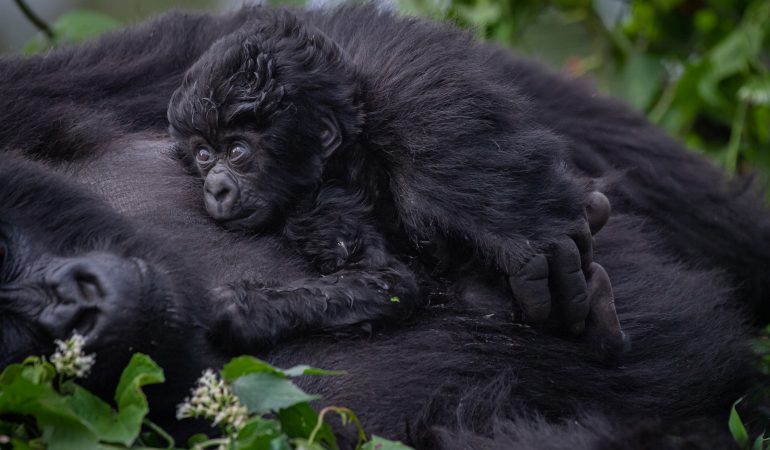
- Mountain Gorillas: These are the most famous gorillas thanks to shows, movies, and conservation documentaries. Mountain gorillas live in the high-altitude forests of the Virunga Mountains in Rwanda, Uganda, and DRC. They are larger and have thicker fur to keep warm in the colder, misty mountain climate. Their populations have slightly increased in recent years due to dedicated conservation efforts.
- Eastern Lowland Gorillas (Grauer’s Gorillas): These are the largest of all the gorilla types. They live in the lowland forests of the Democratic Republic of Congo. Unfortunately, like the mountain gorillas, these are also critically endangered due to wars, habitat destruction, and hunting.
When you go gorilla trekking, it’s mainly mountain gorillas that you’ll see, but understanding these four subspecies helps us appreciate just how diverse these amazing animals are!
Are there specific national parks or reserves known for gorilla sightings?
Yes, there are a few famous national parks and reserves around the world that are known for being the homes of wild gorillas, specifically Mountain and Lowland gorillas. Most of these are located in Central and East Africa.
One of the most well-known parks is Bwindi Impenetrable National Park in Uganda. It’s famous for housing about half of the world’s population of Mountain Gorillas. The forest there is thick, lush, and full of life, which makes it the perfect home for these incredible primates. Another Ugandan park, Mgahinga Gorilla National Park, is smaller but also offers an amazing chance to see these animals.
Over in Rwanda, Volcanoes National Park is another renowned destination. This park gained global recognition because of the work of Dian Fossey, who spent years studying and protecting gorillas there. Plus, Volcanoes National Park is a bit easier to trek because the terrain is not as challenging compared to some other areas, making it accessible for a wide range of adventure enthusiasts.
In the Democratic Republic of Congo (DRC), the Virunga National Park is famous too. It’s the oldest national park in Africa and is home to both Mountain Gorillas and some Lowland Gorillas in certain areas. Virunga is beautiful but can sometimes be less visited because the area has had safety issues. Lastly, for Lowland Gorillas specifically, you can visit Odzala-Kokoua National Park in the Republic of Congo, renowned for its unique and rare gorilla species.
These protected parks and reserves are managed specifically for conservation and to preserve the natural habitat of gorillas. Visits to these places not only grant the experience of seeing gorillas but also generate funds that help protect the species and assist local communities.
What is the best time of year to see gorillas in the wild?
The best time to see endangered mountain gorillas in the wild is during the dry seasons, which typically span from June to September and December to February for much of East and Central Africa. During these periods, the weather conditions are more predictable, and the trails in the forests or mountains where gorillas live are usually much drier and easier to hike. This makes it a bit more comfortable if you’re trekking through steep, thick, or muddy environments, especially when planning gorilla tours.
Let’s break this down: gorillas live in tropical forests where it can rain at any time, but these dry months offer less rain overall. While gorillas don’t migrate or go anywhere, because they stay in their territories all year, rain can make the experience harder for trekkers. Wet and muddy trails can slow you down a lot, and it can get slippery too, which is not fun when you’re hiking.
On the other hand, you can still visit during the rainy seasons (March to May and October to November). Some people argue that the rainy season has its own perks. For example, it’s a bit quieter since fewer tourists visit, and accommodation prices might be slightly lower. Gorillas also tend to stick closer to the lower parts of the forest where food is more available, meaning you may not need to hike as far to see them. But remember, you’ll probably encounter more mud, mist, and rain during these months.
In short, if you’re looking for an easier, more comfortable trek, aim for the dry season. But if you’re okay with getting a bit muddy and want a potentially more affordable or less crowded experience, the rainy season can work too, especially for those interested in an immersive gorilla trekking experience!
What are the rules and regulations for visiting gorillas in their natural habitat?
There are pretty strict rules when it comes to visiting gorillas in their natural habitat because these wild animals are vulnerable and protected under conservation efforts. Let’s cover the main guidelines you need to follow:
- Health Checks: Gorillas are closely related to humans (around 98% of our DNA is the same), which means they can easily catch our sicknesses, like colds or flu. Visitors with any symptoms of illness are not allowed to trek. It’s also why you’ll be asked to keep your distance.
- Distance Rule: You must stay at least 7 meters (23 feet) away from the gorillas. This is for their safety and also yours. Getting too close could make the gorillas feel threatened or exposed to your germs.
- Time Limit: Once you find the gorilla family, you’re usually allowed to observe them for only one hour. This time limit exists so the gorillas don’t get stressed by humans hanging around for too long.
- Group Size: Groups visiting gorillas are usually limited to 8 people maximum. The idea behind this is to minimize human disturbance on the animals.
- No Feeding or Touching: Absolutely no feeding or trying to touch the gorillas. They are wild animals, and habits like feeding could make them depend on humans, possibly endangering them in the long term.
- Noise and Behavior: You’re required to keep quiet and calm when around gorillas. Sudden movements or loud noises can frighten them, and an alarmed gorilla might react aggressively to protect its family.
- No Littering: The parks and forests are protected areas. Everything you carry in must come back out with you to avoid polluting the fragile ecosystem.
- Follow Your Guide: A trained guide or ranger will be with you the entire time. Their job is to keep you and the gorillas safe, so it’s important to follow their instructions.
By sticking to these rules, you help make sure that the gorillas stay healthy, happy, and undisturbed by human visitors. It also means you’re contributing to ethical tourism that both protects these amazing creatures and supports local conservation efforts.
How much does it cost to go on a gorilla trekking tour?
Gorilla trekking tours can be quite pricey because of the permits needed and the unique, protected areas where gorillas live. The biggest cost is usually the gorilla trekking permit – this is a ticket you need to visit the gorillas, and it supports conservation projects and local communities. Permit prices vary depending on the country you’re visiting. For example, in Rwanda, a permit costs about $1,500 per person (as of 2023). In Uganda, the permit is cheaper at $700–$800, and in the Democratic Republic of Congo (DRC), it’s around $400–$500.
Beyond the permit, you’ll need to budget for other expenses like transportation, accommodation, guides, and any additional park fees. Luxury tours in Rwanda (with fancy lodges and private guides) can cost several thousand dollars, while more budget-friendly tours in Uganda or the DRC may total $1,000–$2,000, including permits and basic lodging.
For an easier comparison, imagine it like this: A trip to see gorillas in Rwanda might be like buying a new iPhone Pro, while visiting them in Uganda or the DRC could be closer to the cost of a mid-range laptop.
Keep in mind that these fees go toward preserving gorillas’ habitats and helping local communities, which is an important part of why gorilla trekking is so expensive. Think of it as not just a vacation but also contributing to a good cause.
How physically demanding is gorilla trekking?
Gorilla trekking can be challenging but manageable for most people, especially if you’re reasonably fit. You’ll be hiking through forests – sometimes dense and muddy – and the terrain can include steep hills. Depending on where the gorilla family is at the time, the trek can take anywhere from 1 to 8 hours round-trip. Imagine going on an adventurous hike in the woods, except you’re also climbing over roots, ducking under branches, and navigating uneven paths while searching for endangered mountain gorillas.
The hike can be easier or harder depending on the specific park and the location of the gorillas. For instance, in Rwanda’s Volcanoes National Park, there are well-trained guides who often clear paths, though the elevation can make it harder if you’re not used to being in the mountains. In Uganda’s Bwindi Impenetrable Forest National Park, the jungle can be even thicker, and the name “Impenetrable” gives you a hint about the experience of tracking habituated gorillas!
If you’re worried about your fitness level, you can let the guides know beforehand. Guides will typically assign people to gorilla families based on how far away or close they are. They might send those who aren’t keen on hiking as far to locate a family that’s closer to the park base. Additionally, you can hire a porter – someone who’ll carry your bag and offer you support during the trek for a unique gorilla trekking experience.
Example: Imagine walking uphill for a few hours, like you’re on a treadmill set to “hiking” mode but with mud. It’s tiring but rewarding when you finally spot the gorillas.
What should I pack or wear for a gorilla trekking experience?
Packing and dressing properly are super important for gorilla trekking! You’ll be hiking in a jungle, so think practical, protective, and comfortable clothing. Here’s a breakdown of what to bring and why:
- Clothing: Wear lightweight, long-sleeved shirts and long pants. These help protect you from scratches, stinging plants, and insects (especially mosquitoes). Neutral colors like green or brown are best so you can blend into the forest and not scare the animals.
- Sturdy Hiking Boots: This is a must! You’ll be walking on uneven, muddy terrain, so wear waterproof hiking boots that give good ankle support to avoid slips or injuries.
- Gaiters or Tuck in Pants: Gaiters are like shields for your lower legs, protecting you from mud, insects, and water. If you don’t have them, tuck your pants into long socks for the same purpose.
- Rain Gear: Rain can come out of nowhere in the forest. A lightweight rain jacket or poncho will keep you dry without making you overheat.
- Gloves: Garden gloves or trekking gloves are great for grabbing onto branches and vines without hurting your hands during the trek. They also shield you from thorns or nettles.
- Sunscreen and Insect Repellent: Even if the forest feels shady, sunscreen will protect you from UV rays. Use insect repellent to ward off any pesky bugs – just make sure it’s eco-friendly so it doesn’t harm the environment.
- A Small Backpack: Bring a backpack to carry essentials like water, snacks, and your rain gear. If it’s light and has straps, it’ll be easier to manage.
- Snacks and Water: While you may not eat near the gorillas, snacks will keep you energized. Bring at least 2 liters of water to stay hydrated. Refillable bottles are a great eco-friendly choice.
- Camera/Phone (Optional): If you want to take pictures of the gorillas, bring a good camera or your phone. Just remember to turn off the flash – gorillas don’t like it!
With the right gear, you’ll not only stay comfortable but also make your trek safer and more enjoyable. Think of it as preparing for a fun, challenging nature hike!
How can I book a reputable and ethical gorilla trekking tour?
When booking a gorilla trekking tour, it’s essential to choose a tour that is both reputable (trustworthy and professional) and ethical (prioritizing the well-being of the gorillas and their environment). Here’s how you can do it:
- Research Certified Tour Operators: Look for operators who are certified by government authorities or connected with conservation programs. For example, in Rwanda, Uganda, and the Democratic Republic of Congo, national park authorities (like the Uganda Wildlife Authority or Rwanda Development Board) issue permits, and approved tour operators handle the arrangements. A good clue that a company is reputable is if they talk a lot about conservation on their website or promotional materials.
- Check Reviews and Recommendations: Online review platforms like TripAdvisor or Google Reviews are great places to learn about other visitors’ experiences. Choose operators with consistent positive reviews, especially highlighting professionalism and awareness about protecting gorillas.
- Ask Questions About Permits: Ethical tours include official permits for gorilla trekking. These permits are issued by national parks and are important because the money goes toward conservation efforts. For instance, in Uganda (Bwindi Impenetrable Forest), a permit costs hundreds of dollars, but much of this fee helps protect gorilla habitats. Be wary of operators offering lower prices, as they might be cutting corners.
- Support Local Communities: Ethical tours often support the surrounding communities by using local guides, hotels, or services. Ask the operator if they actively contribute to local livelihoods. Supporting communities helps reduce human-wildlife conflict, which benefits conservation.
- Avoid Irresponsible Companies: Avoid tour companies that advertise close-contact experiences, allow large groups, or don’t emphasize the welfare of the gorillas. Ethical tours follow strict regulations, such as staying at least 7 meters (about 23 feet) away from the animals and limiting trekking groups to a small number of people (usually 8).
Example: If you’re planning a trip to Rwanda to visit the mountain gorillas in Volcanoes National Park, you could go with reputable operators like Gorilla Trek Africa or Volcanoes Safaris. They handle permits, use trained guides, and are committed to conservation.
By being thorough with your research, you’ll not only have a wonderful experience but also contribute to the survival of these amazing animals.
What conservation efforts are in place to protect wild gorillas?
A lot is being done to protect wild gorillas from threats like habitat loss, poaching, and disease. These conservation efforts are essential because gorillas are critically endangered, meaning they’re at a very high risk of extinction. Here are the key ways they’re being protected:
- National Parks and Reserves: Gorillas live in protected areas like Bwindi Impenetrable Forest (Uganda), Volcanoes National Park (Rwanda), and Virunga National Park (Democratic Republic of Congo). These parks protect gorilla habitats from logging, farming, and other destructive activities.
- Gorilla Trekking Permits: To control human interaction with gorillas and fund conservation, many governments require trekkers to buy permits. These permits are expensive (e.g., $700-1500), but the money is used to pay rangers, fund anti-poaching patrols, and support local communities.
- Anti-Poaching Patrols: Poaching is a huge threat, whether for the illegal pet trade or accidental killings with snares meant for other animals. Anti-poaching teams patrol the parks to stop poachers and remove dangerous traps.
- Habitat Restoration: Conservation groups work to restore forests that gorillas rely on for food and shelter. For example, some organizations plant native trees in areas where forests have been destroyed.
- Health Programs: Wild gorillas can catch diseases from humans, like the flu, which can be deadly for them. Conservation groups organize veterinary care to monitor gorilla health. Gorilla doctors, for instance, sometimes treat gorillas injured by snares.
- Local Community Support: Many efforts involve helping the people who live near gorilla habitats. Communities are given jobs (like guides or porters) or a share of tourism income to reduce dependence on hunting or farming in the protected areas.
Example: The Dian Fossey Gorilla Fund has been working to save mountain gorillas since the 1960s. Inspired by Fossey’s famous research, they focus on research, education, and protecting gorillas from threats like poaching.
Thanks to all these efforts, gorilla populations are slowly increasing. For example, mountain gorilla numbers have grown from about 620 in the early 2000s to over 1,000 today! But conservation still needs support to ensure their future.
Are there any safety concerns or risks involved in encountering gorillas in the wild?
Yes, there are some safety concerns, but if you follow the rules, gorilla trekking is generally safe for both people and the gorillas. Here are the main risks and how they’re managed:
- Gorilla Behavior: Gorillas are strong and powerful animals. However, they’re gentle and not naturally aggressive toward humans. If a gorilla feels threatened, it might show warning signs, like chest-beating or grunting. Trained guides will tell you how to behave (e.g., stay calm, avoid direct eye contact, and don’t run) to prevent any issues.
- Disease Transmission: Gorillas can catch diseases from humans, like the flu or even COVID-19. To reduce this risk, trekkers must stay at least 7 meters (23 feet) away from the animals. You might also need to wear a mask during your visit. Never trek if you’re feeling sick, as it could harm the gorillas.
- Physical Challenges of Trekking: The trek itself can be physically demanding. You’ll be walking through dense forests, up steep hills, and for long hours, depending on where the gorillas are. This can be tough for people with mobility issues or a low fitness level. Hiring a porter to help carry your bag or support you during the trek can make this easier.
- Wild Environment: Trekking may involve encountering other wild animals, slippery trails, or thick vegetation. Guides carry first-aid kits and are trained to handle potential emergencies, but it’s good to be prepared with the right gear (comfortable boots, rainwear, etc.).
- Unstable Areas: Some gorilla habitats are located in volatile regions, like Virunga National Park in the Democratic Republic of Congo. Political instability or violence can make these areas dangerous. Always check travel advisories before planning a trip.
By following the rules set by guides and being mindful of your actions, the risks can be minimized. Example: On a trek in Bwindi Impenetrable Forest, a group was instructed to crouch quietly when a curious silverback gorilla slowly walked by. No one panicked, and the gorilla calmly moved on, showing how respecting the guidelines can keep everyone safe.