
Inquire Now
Inquire Now
Ngorongoro Crater safaris in northern Tanzania: a half-day game drive on the crater floor, rim or Karatu lodges, Ndutu, Olduvai Gorge and Empakaai, and how the crater fits a northern circuit route. Book it with us.
Ngorongoro safaris centre on a half-day game drive on the floor of the Ngorongoro Crater in northern Tanzania, usually as one or two days of a northern circuit trip with the Serengeti and Tarangire. Each non-resident adult pays USD 70.80 to enter the conservation area, and every vehicle pays a USD 295 crater service fee per descent, on the Ngorongoro Conservation Area Authority tariff. June to October is the driest time to go.
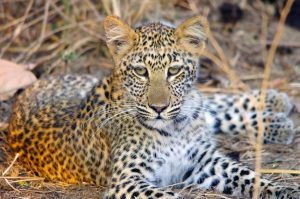 3 Days
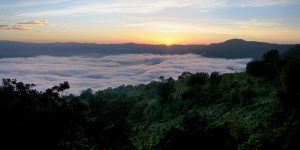 4 Days
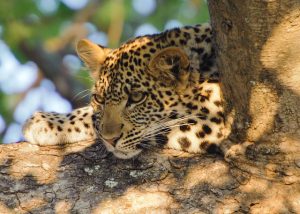 5 Days
Prefer your own dates and lodges? Ask for a tailor-made quote.

The 3 Day Tanzania Safari Lodge package to Ngorongoro Crater, Tarangire and Lake Manyara covers the best of wildlife on a game drive safari.
Safari Details
Prepare yourself for a tour filled with thrilling encounters with the Great Serengeti Wildebeest Migration, Big Cats and the renowned Big Five.
Safari Details
Explore the world renowned Ngorongoro Crater, a wonder teeming with wildlife and delve into the enchanting wonders of Lake Manyara National Park.
Safari Details
In 6 days you'll explore Lake Manyara National Park, witness the captivating Serengeti with its wildlife and marvel at the incredible Ngorongoro Crater, where you…
Safari Details
7-Day Wildlife Safari Adventure in iconic national parks like Serengeti, Ngorongoro Crater & Lake Manyara. Witness the Great Wildebeest Migration & spot the Big Five.
Safari Details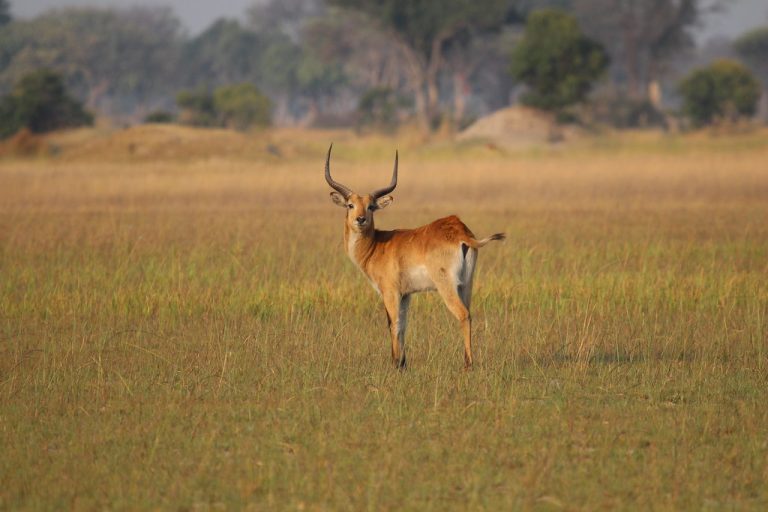
8 day safari, witness the awe inspiring herds of wildebeest and zebras, catch glimpses of predators like lions, cheetahs and leopards and marvel at the…
Safari Details
9-Day Wildlife Safari Adventure. Witness Serengeti's Great Wildebeest Migration, encounter diverse wildlife in Ngorongoro Crater, and customize your dream safari.
Safari Details
Our 12 day safari lets you visit the top national parks in Tanzania, lots of game viewing, see the big five animals and more.
Safari DetailsThere are three ways to do a Ngorongoro safari: a long day trip from Arusha, an overnight with a dawn descent, or a stop on a northern circuit route between Tarangire and the Serengeti. The third is the most common, because the main road to the Serengeti runs along the crater rim.
A day trip suits travellers with one spare day after Kilimanjaro or before Zanzibar. It means an early start and a late return, with the crater in the middle. An overnight on the rim or in Karatu puts you at the gate early, when the floor is quietest. On a circuit, the crater usually takes the last or first full day.
Whichever you choose, the fee structure is the same, and it shapes the cost more than anything else: the per-person entry is fixed, and the USD 295 crater fee is split between everyone in the vehicle.

A Ngorongoro Crater game drive starts at Lodoare Gate, climbs through forest to the rim, then drops down a steep one-way road to the floor for about half a day of game viewing before climbing out. Operators commonly quote five to six hours on the floor per descent, so confirm the limit with yours.
The crater is the collapsed cone of a volcano and the world's largest unbroken caldera, UNESCO says. Its walls are roughly 600 metres high, which is why the drive down takes time and why most of the animals stay put all year.
Vehicles stay on the tracks, and nobody leaves the vehicle except at picnic and toilet sites. Off-road driving carries a TZS 118,000 fine on the NCAA tariff.
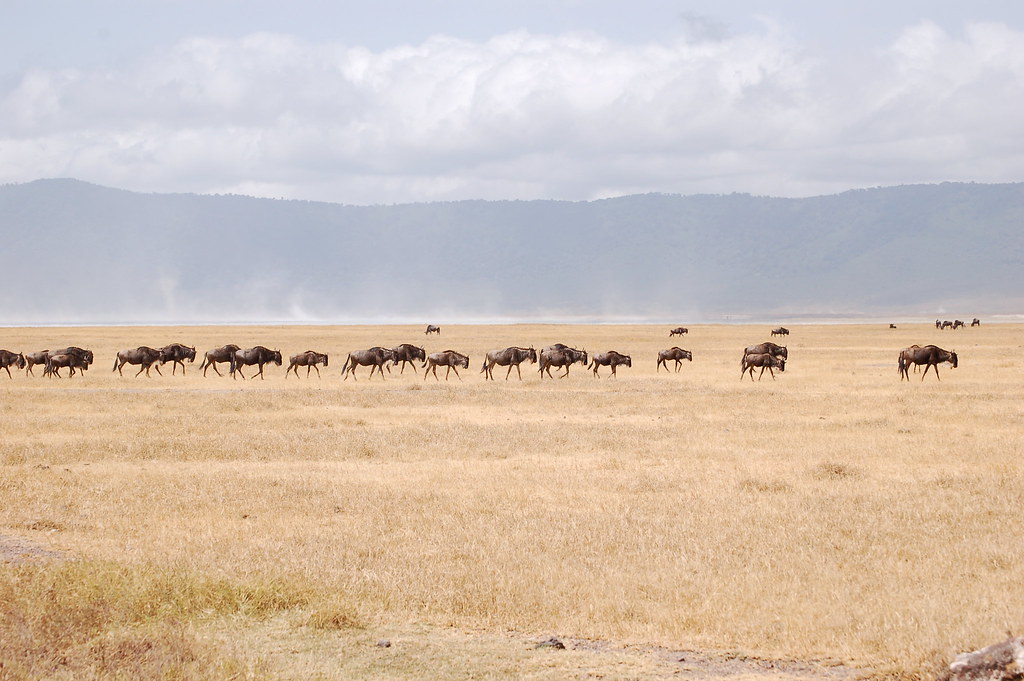
A Ngorongoro Crater safari gives the best odds in Tanzania of seeing black rhino, along with lions, hyenas, elephants, buffalo, hippos and big herds of wildebeest and zebra in a small area. UNESCO describes some 25,000 large animals here and the densest known population of lions.
The enclosed floor is the reason. Grass and water last all year, so the grazers do not need to leave, and the predators have no reason to either. Lake Magadi, the soda lake on the floor, often holds thousands of lesser flamingos, NCAA says.
Two things are missing. Giraffes do not live on the crater floor, and leopards, though present in the forest, are rarely seen. Rhinos are often distant, so bring binoculars and treat a close sighting as luck.
A Ngorongoro safari costs each non-resident adult USD 70.80 in entry, plus a share of the USD 295 crater service fee per vehicle, on the NCAA's published tariff. Guests of lodges and permanent tented camps inside the area also pay a USD 59 concession fee per night.
| NCAA fee | Non-resident rate | Charged per |
|---|---|---|
| Entry, age 16 and over | USD 70.80 | Person, 24 hours |
| Entry, age 5 to 15 | USD 23.60 | Person, 24 hours |
| Crater service fee | USD 295 | Vehicle, per trip |
| Lodge concession | USD 59 | Adult, per night |
| Public campsite | USD 35.40 | Adult, per night |
| Olduvai Gorge | USD 35.40 | Adult |
The entry permit is valid for one entry within 24 hours, so a route that passes through the area twice, on the way to the Serengeti and on the way back, pays twice. Tour vehicles registered in Tanzania pay their own permit in shillings, which operators build into the price.
In a full vehicle of six, the same day costs about USD 120 each in authority fees. That gap is why group joining safaris are noticeably cheaper here than private ones.
Stay on the crater rim for the view and the earliest descent, or in Karatu, the town outside Lodoare Gate, for lower prices. Rim guests pay the USD 59 concession fee per night and may owe a second day's entry depending on timing, since a permit covers one entry within 24 hours; Karatu guests avoid the concession fee but queue at the gate in the morning.
NCAA lists eleven lodges inside the conservation area, five of them on the rim with views into the crater. Nights are cold at this altitude, and cloud often sits on the rim at dawn.
Karatu sits in farmland a short drive from the gate and has the widest spread of budget and midrange lodges. Most group and budget safaris sleep here.
Simba A is the public campsite on the rim, about 19 km from Lodoare Gate, with room for more than 200 campers, NCAA says. Budget camping safaris use it. There are also 49 special campsites across the area for private mobile camps.

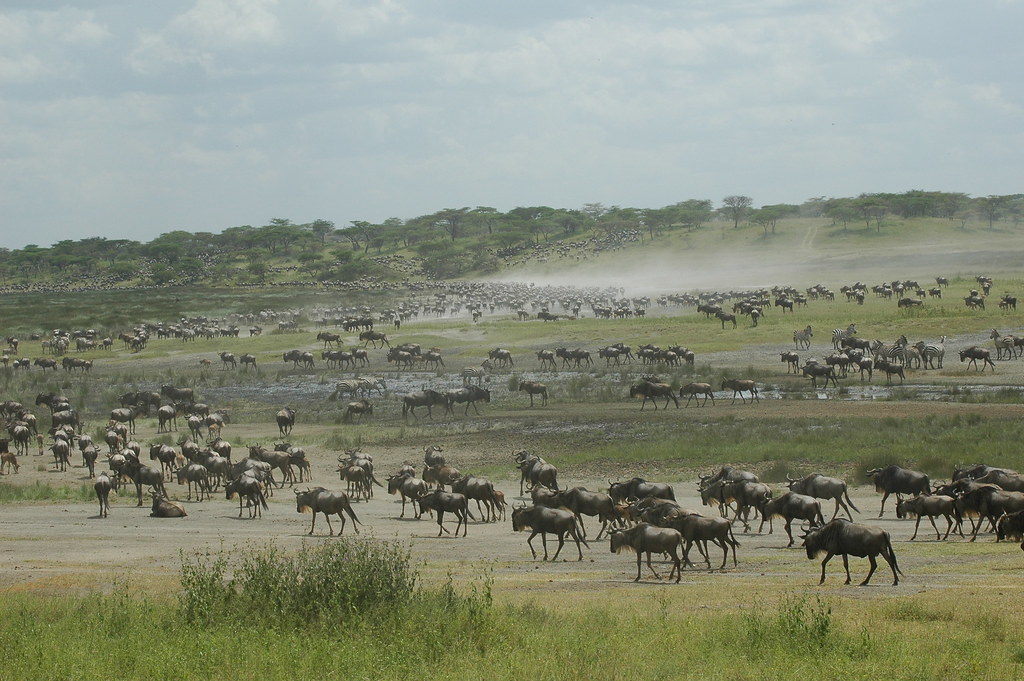
The Ngorongoro Conservation Area is far larger than the crater, and the best additions are the Ndutu plains for the wildebeest calving season, Olduvai Gorge for human origins, and Empakaai and Olmoti craters for walking. All sit inside the same entry permit area.
The short-grass plains around Ndutu straddle the boundary with the Serengeti, and the wildebeest migration calves here early in the year. UNESCO counts well over a million wildebeest passing through the property. From about December to March, a Ngorongoro safari that skips Ndutu misses the main event.
Olduvai Gorge is a 14 km ravine where a long sequence of early human fossils was found, and Laetoli holds fossil footprints tied to the origins of upright walking, UNESCO says. Olduvai costs USD 35.40 per adult and Laetoli USD 23.60. The gorge museum sits just off the Serengeti road, so it makes an easy stop.
Empakaai is a smaller crater with a deep lake, and walkers descend to the shore with an armed ranger, which NCAA requires on every walk. Short walks of up to four hours cost USD 23.60 per adult and longer ones USD 29.50.
NCAA also runs cultural visits to Maasai bomas at USD 20 per vehicle. The Maasai live and graze cattle across the conservation area, which was set up in 1959 as a place for wildlife and pastoralists together.
The best time for a Ngorongoro safari is June to October, the dry season, when tracks are firm and the grass on the floor is short. The crater's animals are resident, so it works in every month; the trade is weather and crowds.
One caveat cuts against the dry season: July and August bring the most vehicles to a small floor, and sightings can draw a queue. Travellers who mind crowds more than mud often prefer November or February.
Most Tanzania safaris give the Ngorongoro Crater one day inside a five to seven day northern circuit: Tarangire or Lake Manyara first, then the crater, then the Serengeti, or the same in reverse. Arusha is the start and end point for almost all of them.
Short of time, a two day trip from Arusha pairs Tarangire with the crater. With a week, two or three nights in the Serengeti follow. In calving season, swap central Serengeti nights for Ndutu. Each extra crater descent adds another USD 295 for the vehicle, so one well-timed morning usually does.
The Ngorongoro Crater is worth it for most first-time visitors, because half a day there often produces more species than two days elsewhere, including the rhino the Serengeti rarely shows. It is less worth it for travellers on a tight budget travelling alone, who carry the whole USD 295 vehicle fee.
They are not rivals so much as neighbours. The road between Arusha and the Serengeti crosses the conservation area anyway, so the usual question is whether to pay for the descent, and for a first safari the answer is yes.
Seven first-hand accounts of the crater in public travel forums this year were read for this guide. Six were positive and one was not, which is too few to call a survey but enough to show where opinion splits.
Night counts varied. Among travellers who listed their routes, three spent one night near the crater and one spent two, and one of the one-night group said a second night would be tempting on a return trip. One person still planning had been quoted close to USD 700 for the crater leg and asked whether it was a fair price, which is why the fee breakdown above matters.
Authority fees for one crater day are USD 70.80 per non-resident adult plus USD 295 per vehicle, on the NCAA tariff. Two adults sharing a vehicle pay USD 218.30 each in fees, before the operator's charges for vehicle, guide, meals and lodging.
Most visits last about half a day on the crater floor. Operators commonly quote a limit of around six hours per descent, so ask yours what applies on your date.
Yes, all five live in the conservation area: lion, elephant, buffalo and black rhino on the crater floor, and leopard mostly in the rim forest. Leopard is the one most often missed.
Yes. A day trip from Arusha is long but common, with an early start, about half a day on the floor and an evening return. An overnight in Karatu makes for an easier day.
No. It is a conservation area run by the Ngorongoro Conservation Area Authority, where wildlife shares the land with Maasai pastoralists. Its fees and rules differ from those of Tanzania's national parks.
June to October is driest, and February is best for combining the crater with the Ndutu calving season. Wildlife is present on the crater floor in every month.
Insight Safari Holidays plans Ngorongoro safaris as part of its East Africa trips, arranging the crater day, lodges and the wider northern circuit for your dates, and can add gorilla trekking in Uganda, where it runs its own vehicles and guides. Send your dates and group size, and the team will show the NCAA fees line by line.