A walking safari through the quieter side of northern Tanzania, with a ranger on every walk and the Ngorongoro Crater on the way.

Inquire Now
Inquire Now
A 6-day walking safari in northern Tanzania: ranger-led bush walks in Tarangire, a Ngorongoro Crater game drive, a hike into Empakaai Crater and walks to the Ngare Sero waterfalls and flamingo flats at Lake Natron.
A walking safari through the quieter side of northern Tanzania, with a ranger on every walk and the Ngorongoro Crater on the way.
Most northern Tanzania safaris keep you in the vehicle from start to finish. This one puts you on foot most days, with ranger-led walks in Tarangire, a hike into Empakaai Crater and walks at Lake Natron, while still fitting in a full game drive in the Ngorongoro Crater. It shows a quieter, wilder side of the region and suits travellers who want exercise and close-up detail alongside the big game.
Our guide meets you at Kilimanjaro International Airport and drives you about an hour to Arusha, at the foot of Mount Meru. The rest of the day is for rest and repacking. This trip spends a good part of each day on foot, so in the evening your guide checks your footwear and day pack and runs through the plan: bush walks with an armed ranger in Tarangire, a game drive in the Ngorongoro Crater, a hike into Empakaai Crater in the highlands and two walks at Lake Natron in the Rift Valley. He will also talk about the pace. Walks are not races; they are usually two to four hours, with plenty of stops to look at tracks, plants and birds, and the guide sets the speed to the slowest walker. Good, broken-in walking shoes, a hat and a light long-sleeved shirt matter more here than on a vehicle safari. Dinner and overnight at Arusha Coffee Lodge or Mount Meru Hotel.
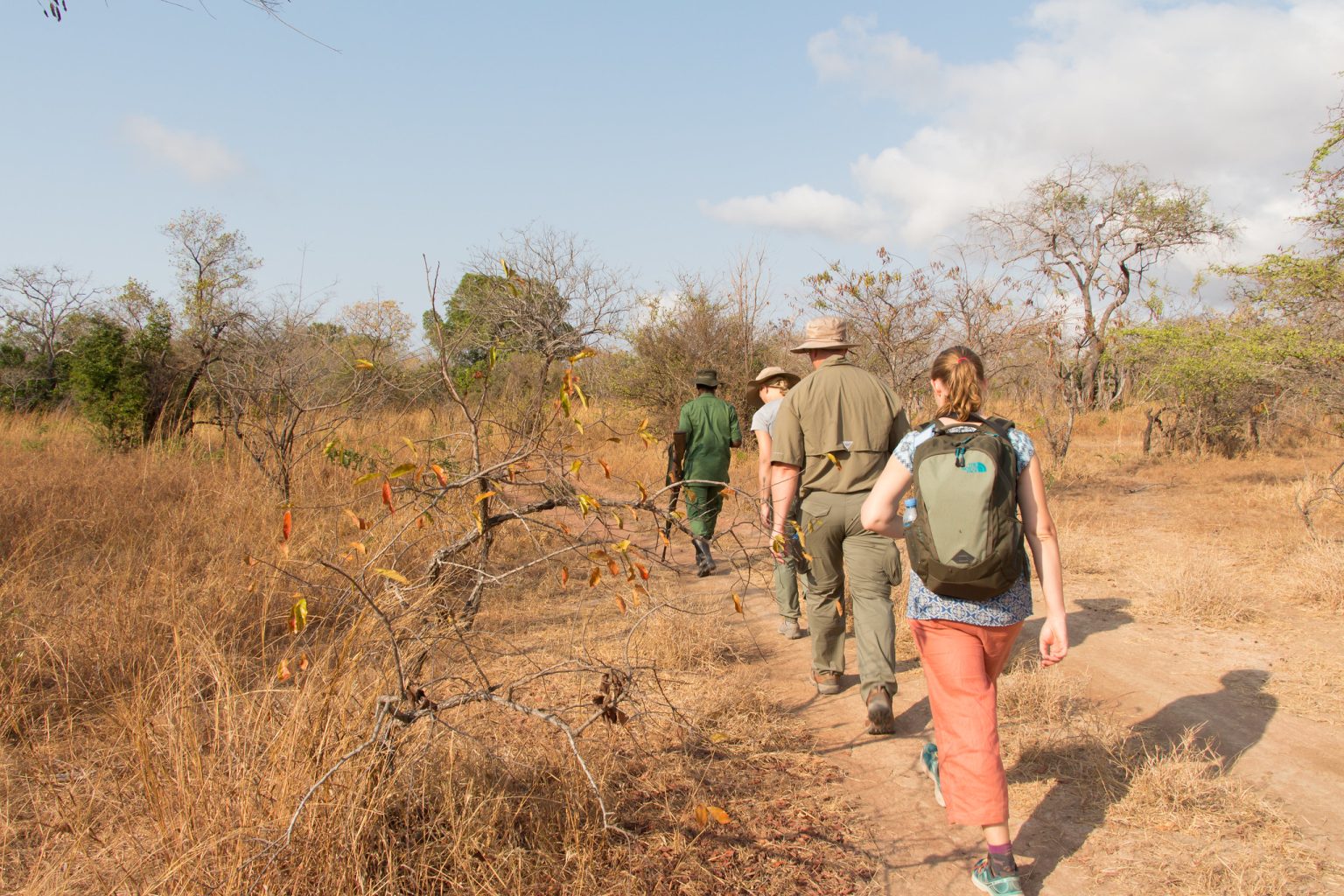
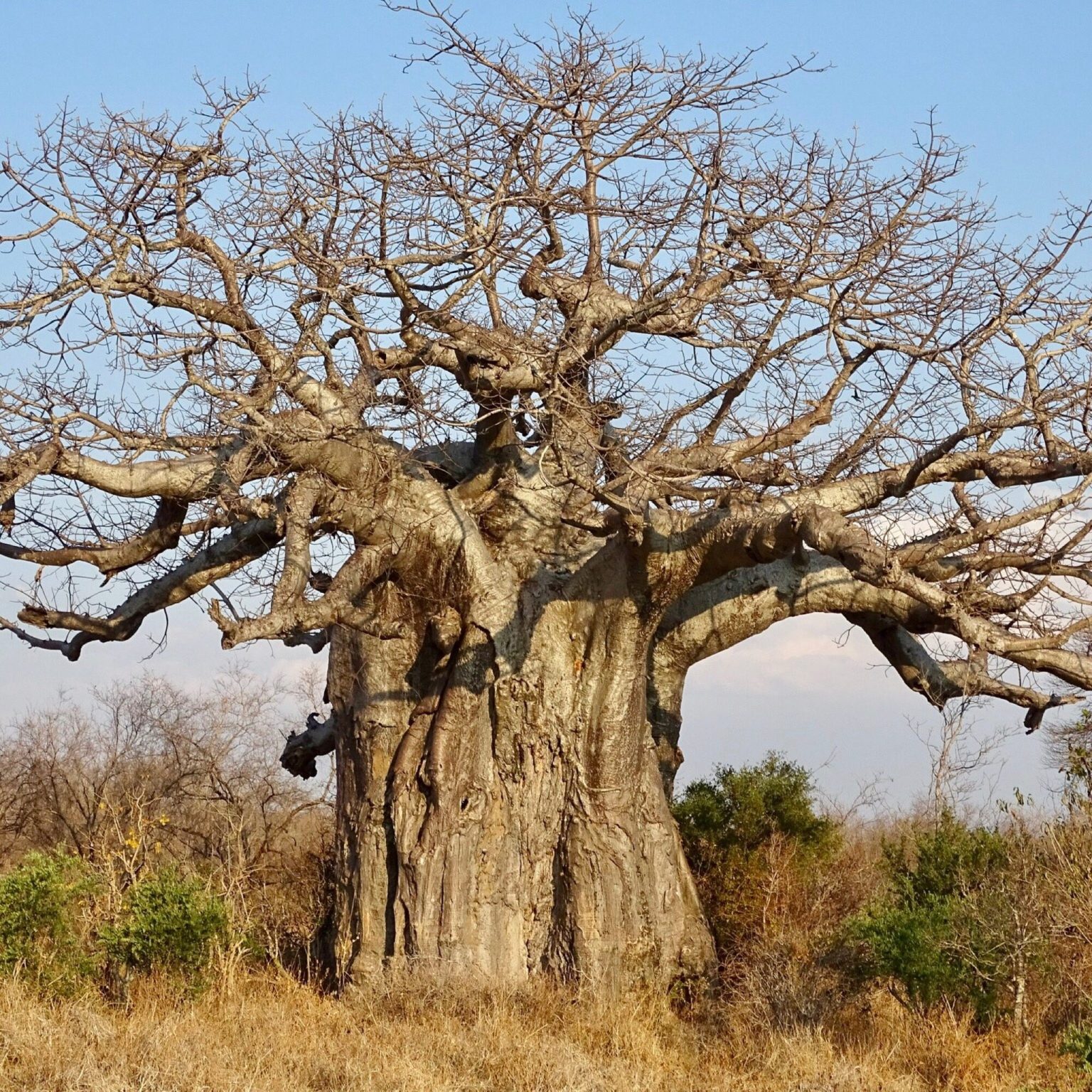
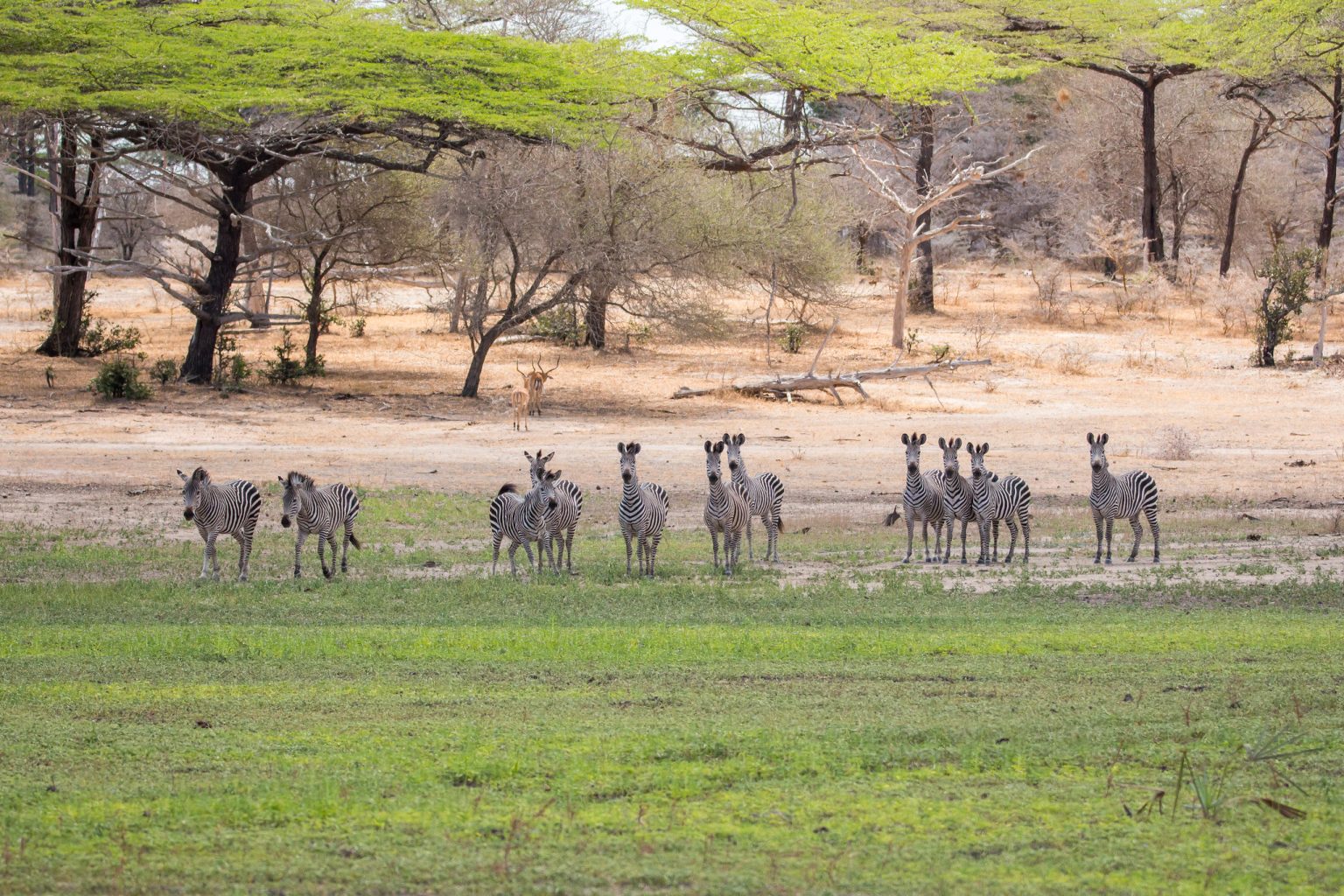
After breakfast you drive about two hours to the Tarangire area, with a game drive in Tarangire National Park on the way to camp. The park covers about 2,850 square kilometres and is known for large elephant herds and baobab trees, some of them many centuries old. After lunch and a rest in the heat, you head out in the late afternoon on your first walking safari with your guide and an armed ranger. On foot, the bush becomes a different place: you notice the elephant paths worn into the ground, the holes in the baobab trunks where bees and owls live, and the alarm call of a dik-dik when something larger moves. The walk ends with a drink as the sun drops behind the baobabs. Dinner and overnight at Oliver’s Camp or Kuro Tarangire, two small camps that specialise in walking.
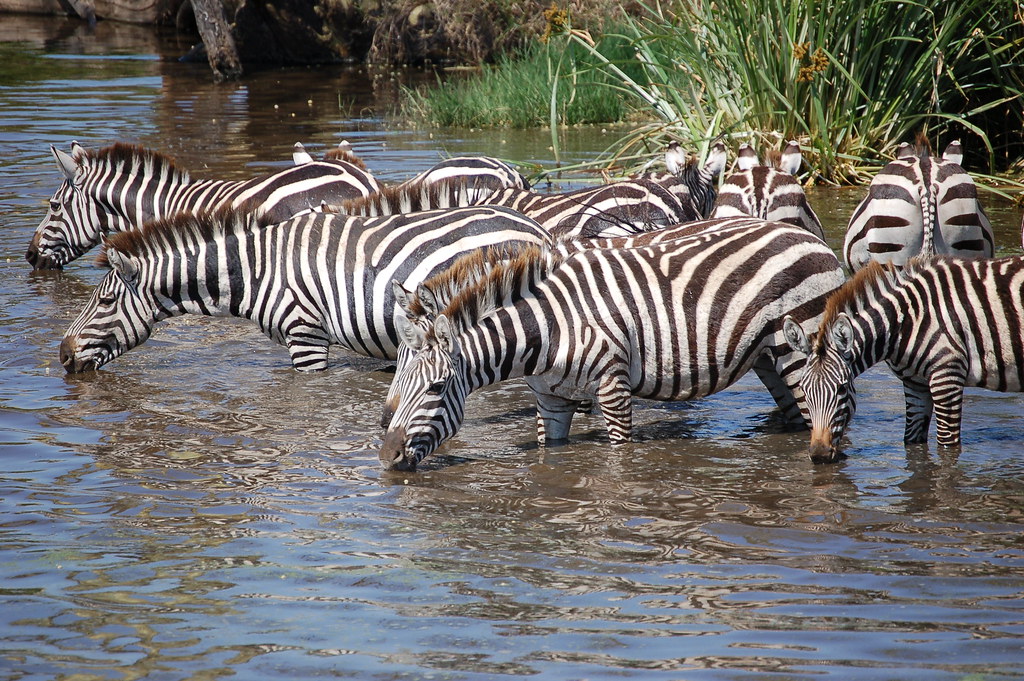
You set out early for a longer morning walk of three to four hours, when animals are active and the air is still cool. Your ranger leads you along the edge of the swamps and the river, reading the fresh tracks of the night: lion, hyena, porcupine. Elephants, buffalo, zebra and giraffe are often seen on foot, at a careful distance. After brunch you drive north-west, climbing the Rift Valley escarpment to Karatu in the Ngorongoro highlands, about three hours. The country changes from dry bush to red soil, coffee farms and wheat fields. In the late afternoon there is time for a short walk through the coffee plantation at your lodge, where you can see how the beans are grown, picked and roasted. Dinner and overnight at Ngorongoro Farm House.
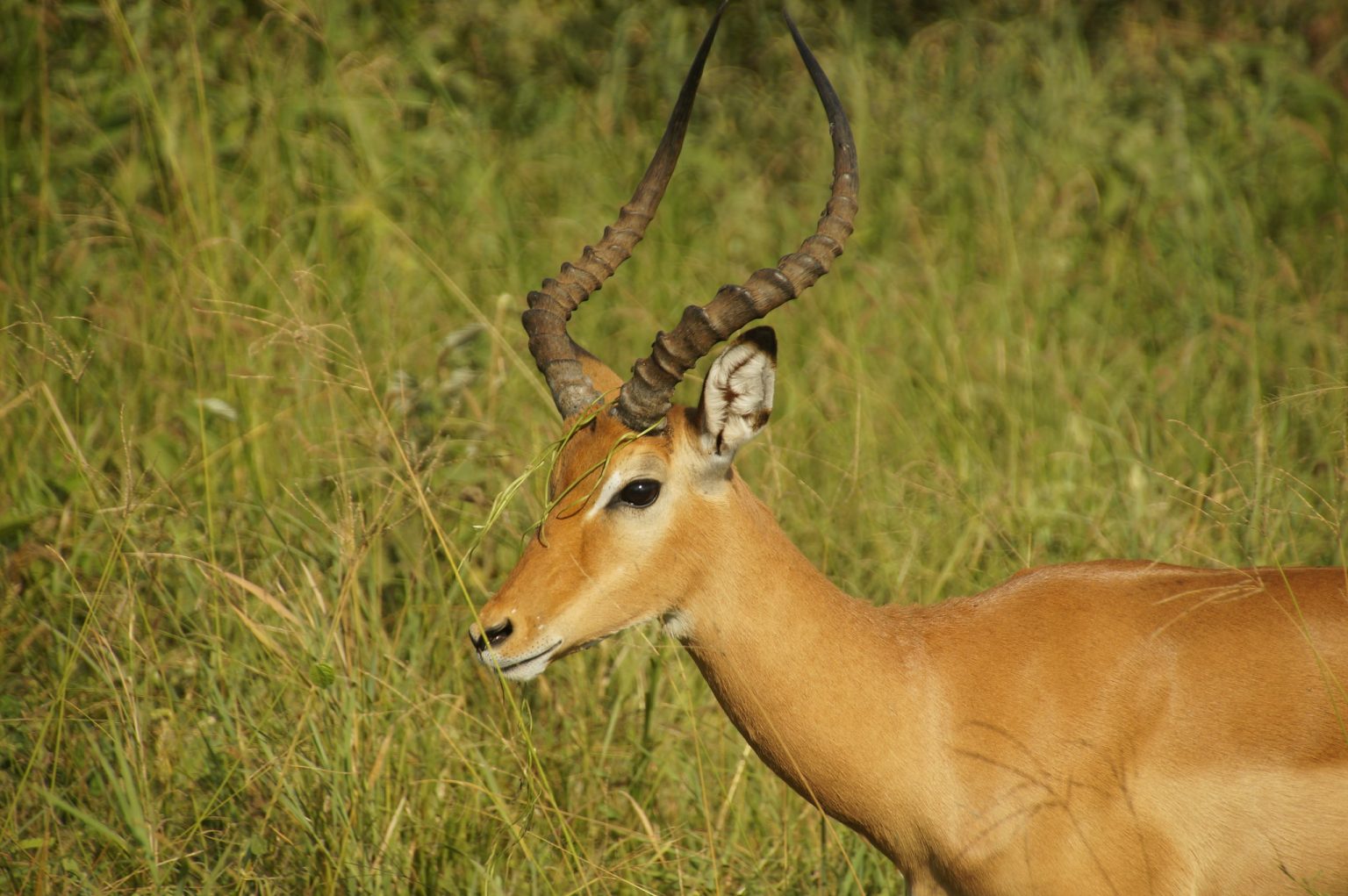
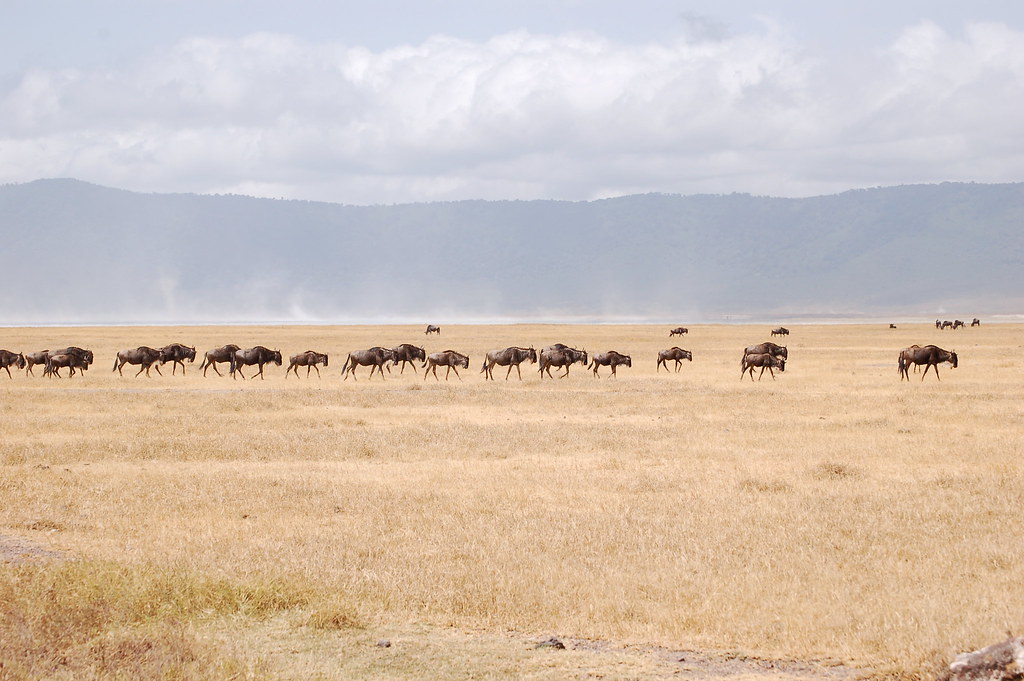
Walking is not allowed on the crater floor, so today you go by vehicle. You descend at first light about 600 metres to the floor of the Ngorongoro Crater, which covers some 260 square kilometres and holds lion, elephant, buffalo, hyena, zebra and wildebeest, hippo pools and, with luck, black rhino. After a picnic lunch by a hippo pool you climb out and drive along the crater rim road to the north-east, past Maasai villages and grazing cattle, to the foot of Olmoti and the high country around Empakaai. The air is cool at this altitude, often below 10°C at night, so the fireplace in your tent is welcome. Dinner and overnight at The Highlands camp or similar.
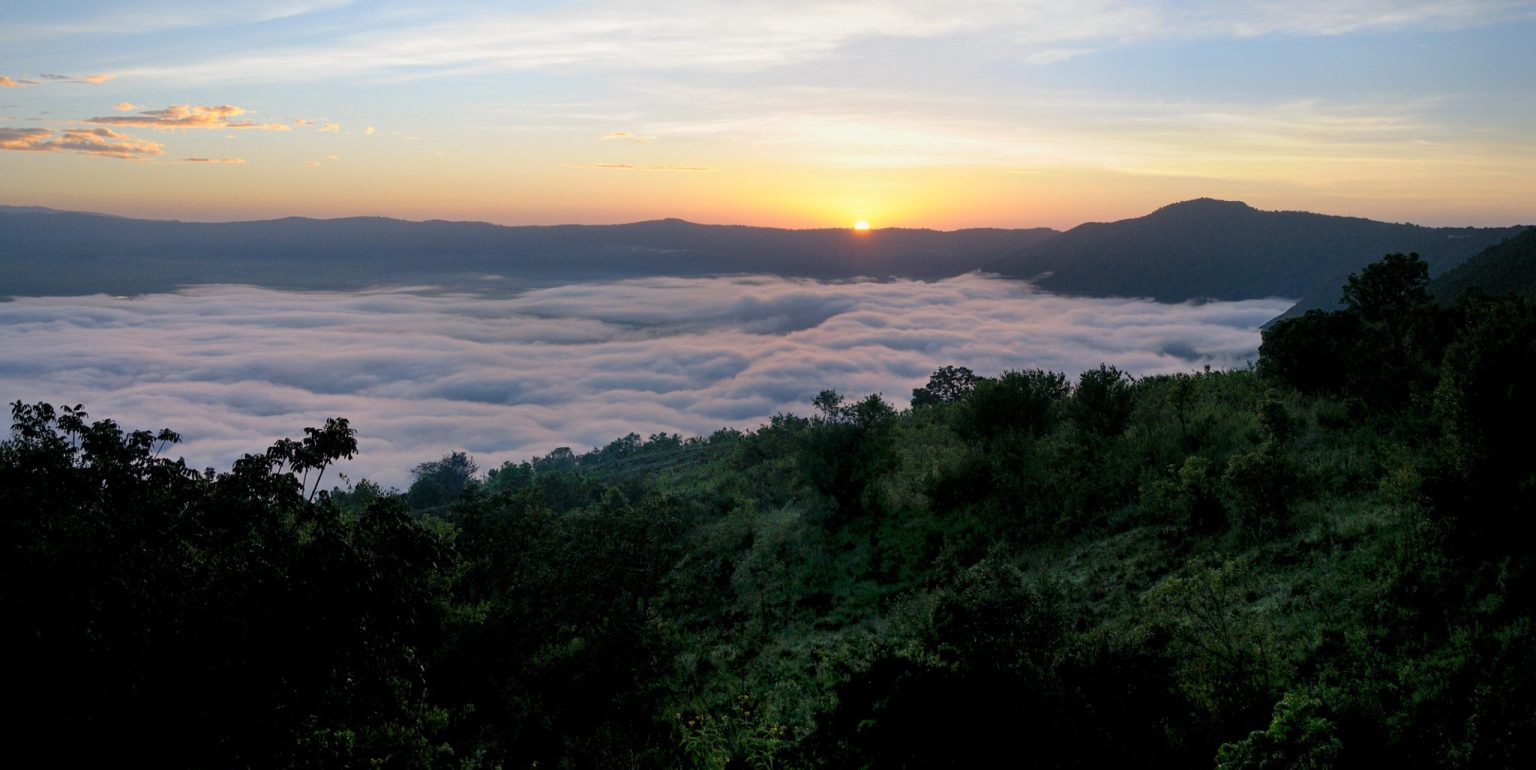
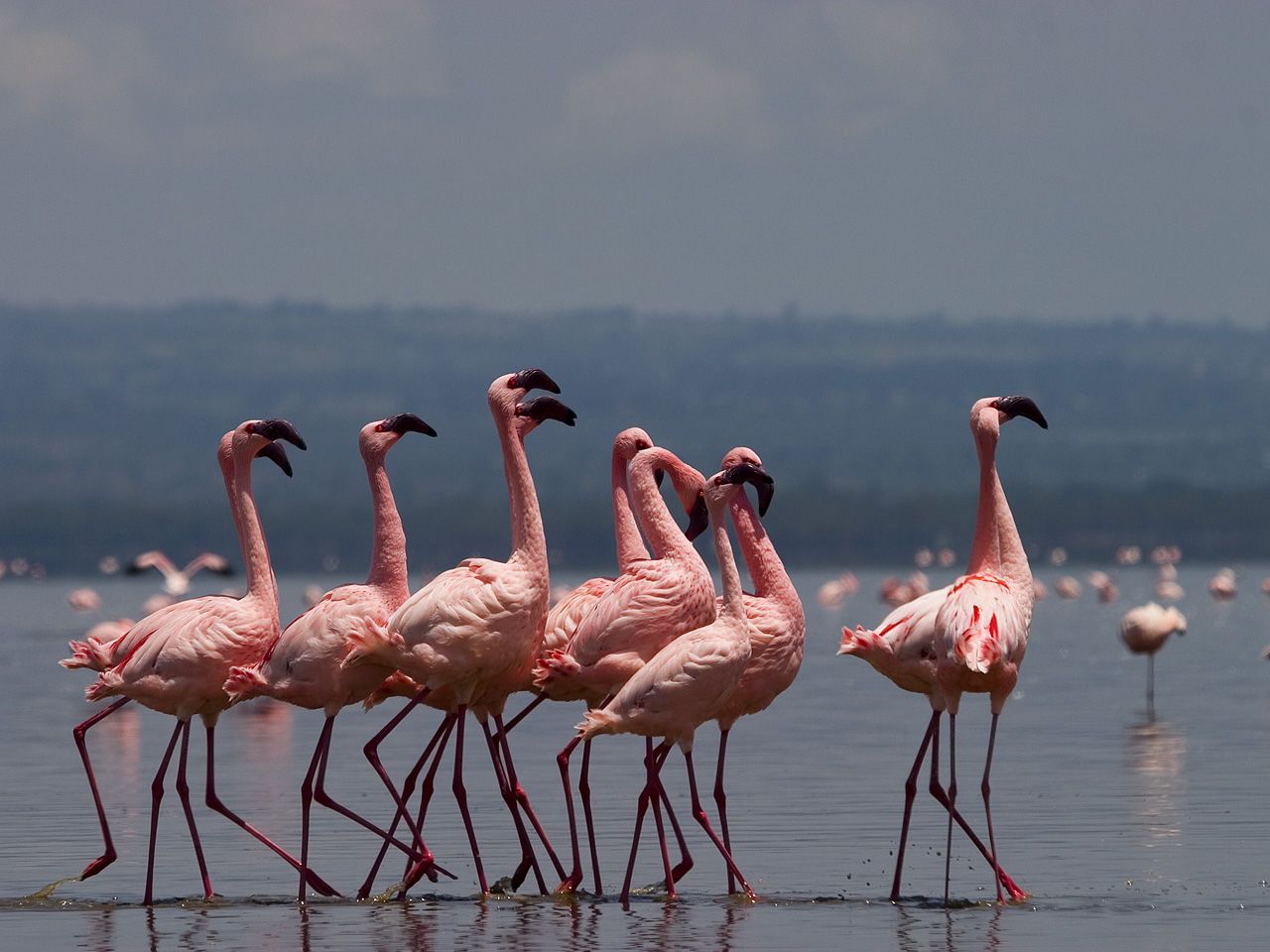
After an early breakfast you drive to the rim of Empakaai Crater, a collapsed volcano of about six kilometres across whose floor is half covered by a deep soda lake. With an armed Ngorongoro Conservation Area ranger you hike down a steep forest path of about 300 metres to the lakeshore, where flamingos feed in the shallows and blue monkeys and bushbuck live in the forest on the walls. On a clear day you can see Ol Doinyo Lengai, the active volcano, from the rim. The climb back takes about an hour. After lunch you drive down the escarpment to Lake Natron, about three hours on a rough road, dropping more than 1,500 metres into the hot, dry floor of the Rift Valley. Dinner and overnight at Lake Natron Camp or similar.
You start early with a walk up the Ngare Sero gorge with a local Maasai guide, following the river upstream, wading in places, to the waterfalls at its head, where you can swim in a natural pool. Or, if you prefer, walk out across the flats of Lake Natron, the main breeding site for lesser flamingos in East Africa, and see the ancient human footprints preserved in the volcanic mud near the lakeshore. Above you rises Ol Doinyo Lengai at 2,962 metres, the “Mountain of God” of the Maasai. After lunch you drive back to Arusha, about five hours, for a transfer to Kilimanjaro International Airport or a hotel night (not included).
Lake Natron is very hot in the middle of the day, often above 35 degrees, so the walks there start early. In the highlands the evenings are cold. Pack layers for both, a swimsuit for the waterfall pools and walking sandals that can get wet in the Ngare Sero river.
About four walks of two to four hours each: two in Tarangire, the Empakaai Crater hike and the Ngare Sero gorge walk. Day 4 in the Ngorongoro Crater is by vehicle only.
The path down to the lake is steep and can be slippery, and the climb back up takes about an hour at an easy pace. Anyone used to hill walking will manage it; trekking poles help.
Yes. Walks are led by an armed ranger and our guide, keep a respectful distance from large animals and follow fixed safety rules.
June to October is dry, with good walking and animals near water in Tarangire. Flamingo numbers at Lake Natron and Empakaai change through the year and are highest in the wetter months.
Walking safaris in national parks usually have a minimum age of around 12 to 16, depending on the camp. Younger children can join the drives and the shorter village walks.

A 7-day road safari for the migration in the Serengeti's Western Corridor, May to July, with Tarangire, two nights near the Grumeti River and a…
Safari Details
An 8-day fly-in Tanzania safari from Arusha with flights to Tarangire National Park and the Ngorongoro Conservation Area for game drives, a full day in…
Safari Details
A 6-day fly-in safari for the Mara River crossings, July to October, with three nights near Kogatende in the northern Serengeti and a night in…
Safari Details