7-Day Grumeti River Migration Safari
For travelling in May, June or early July, when much of the wildebeest migration moves west into the Serengeti’s Western Corridor and gathers along the Grumeti River.

Inquire Now
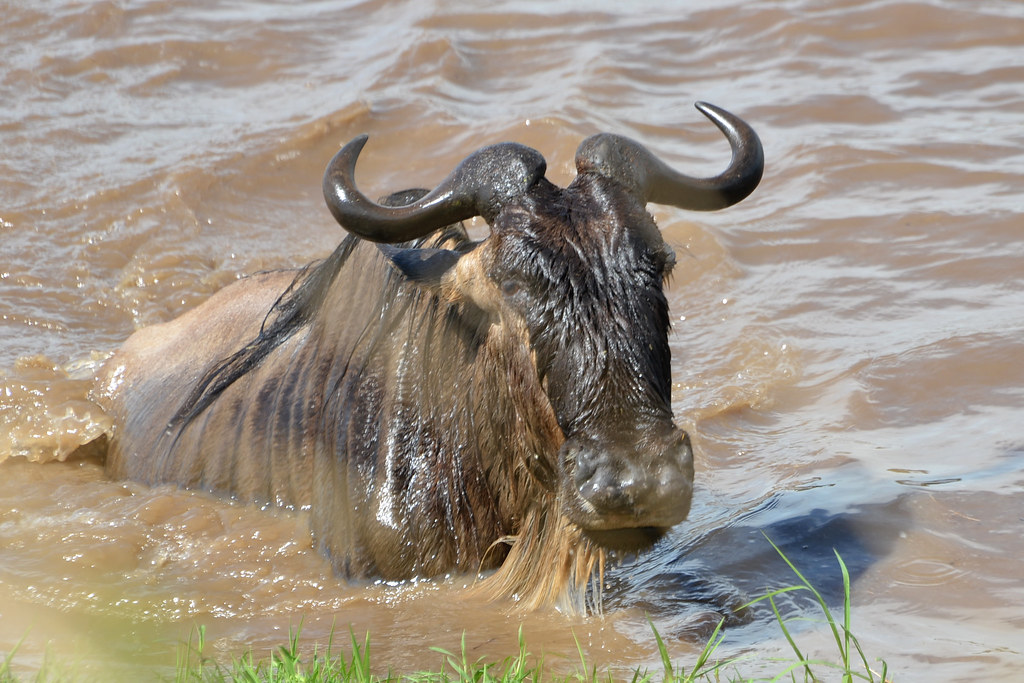
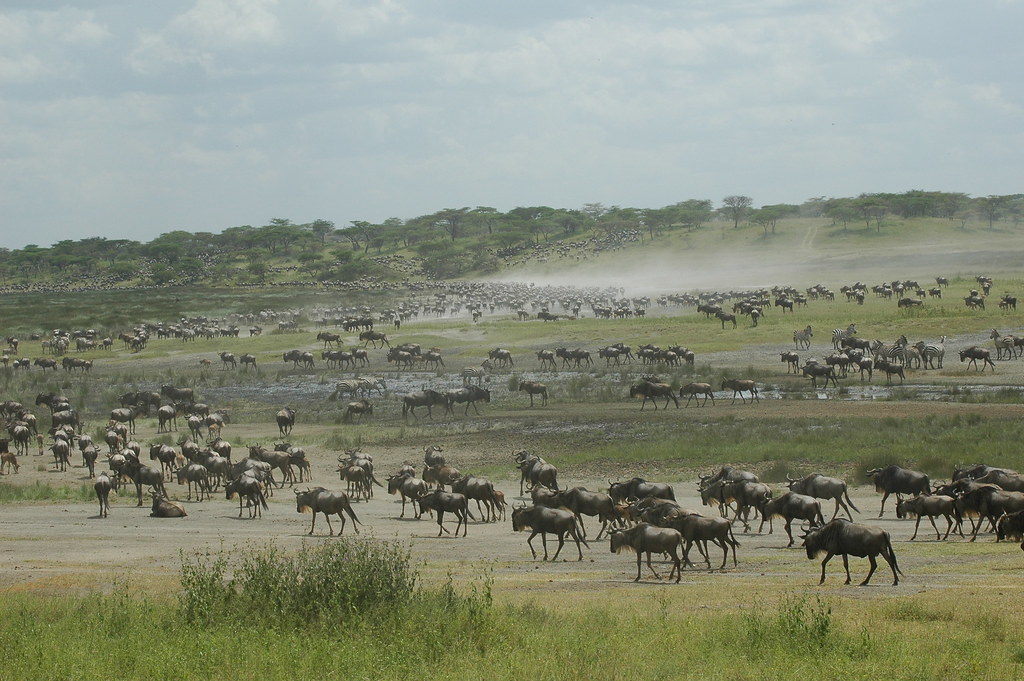
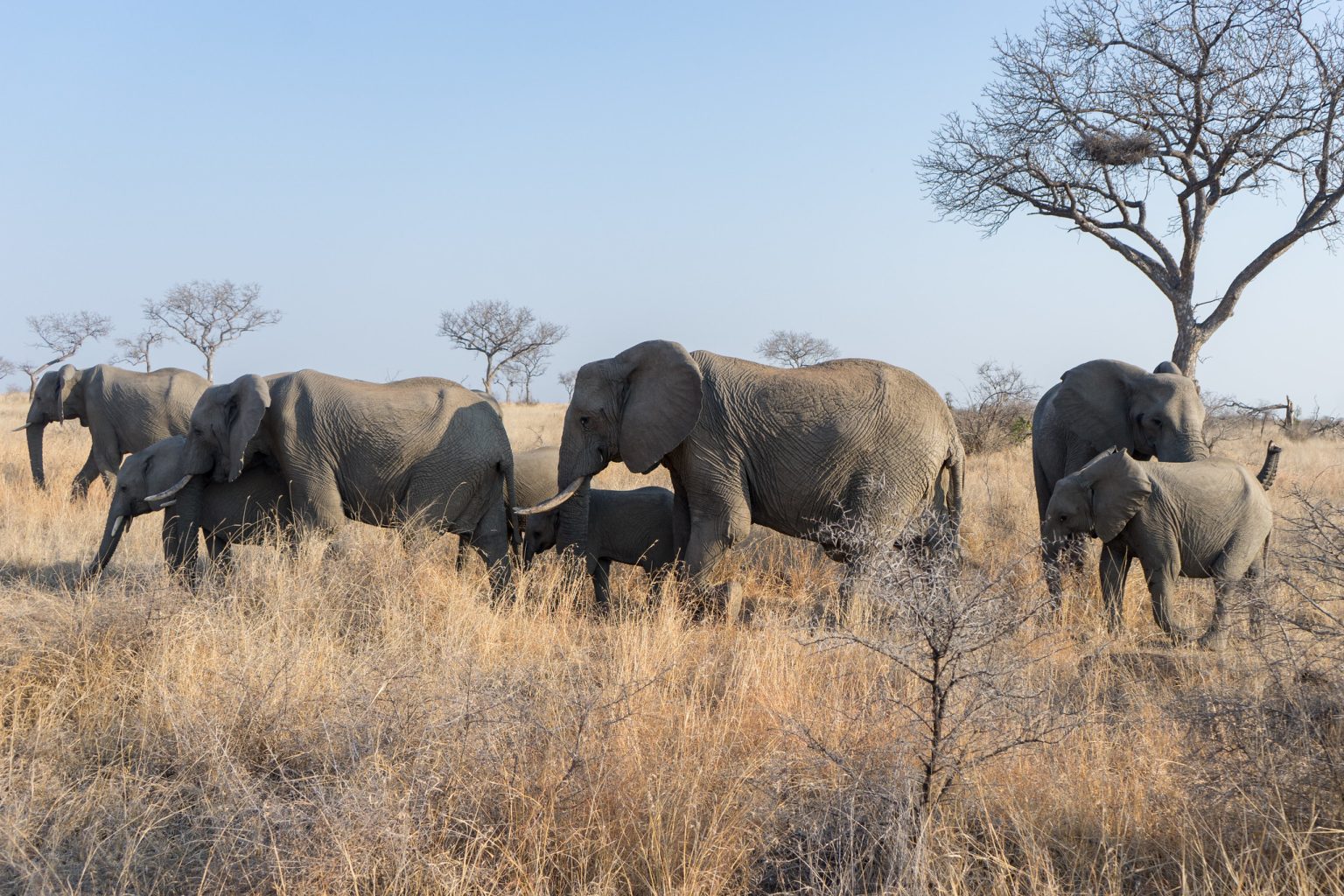
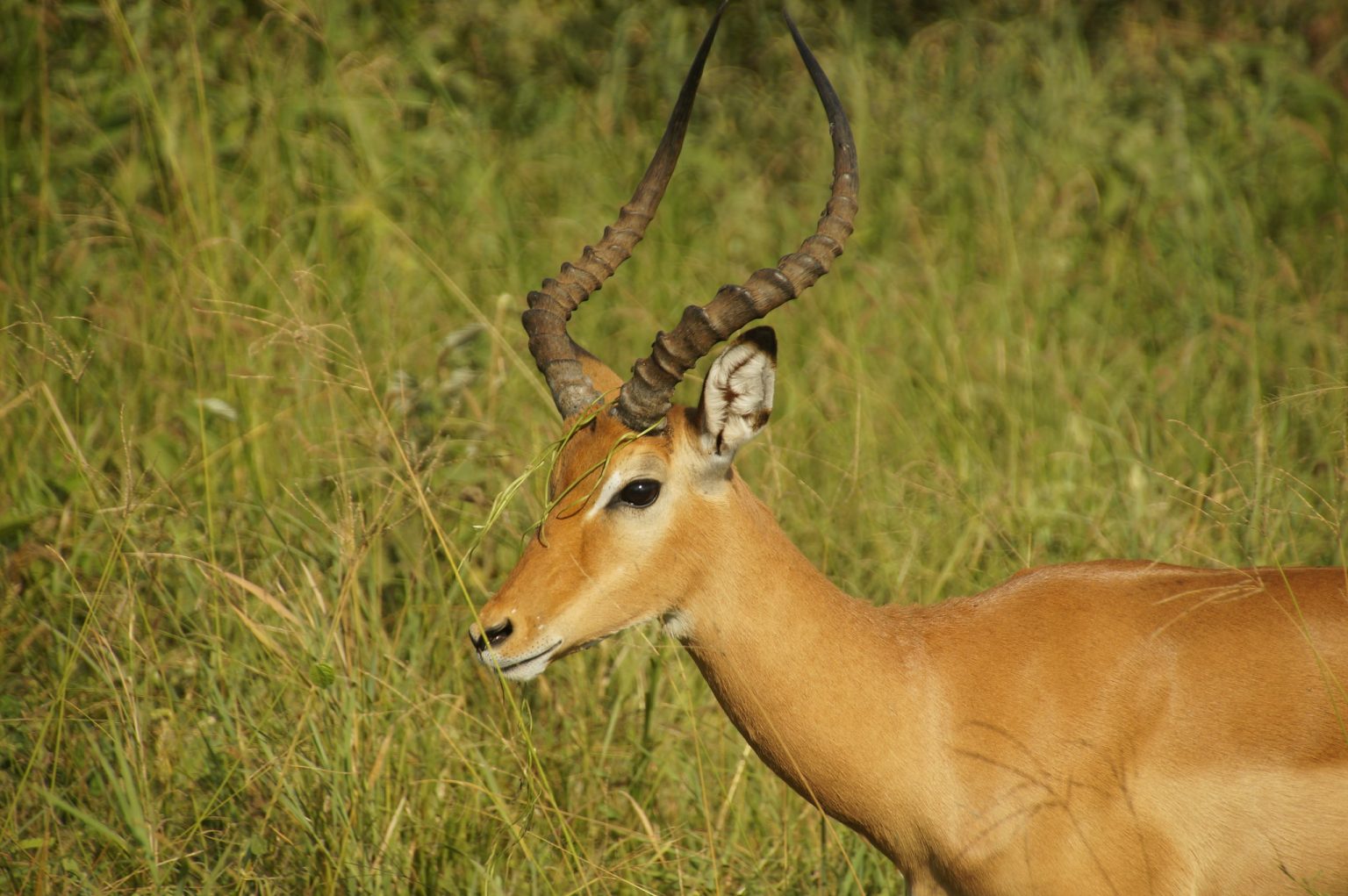
A 7-day road safari for the migration in the Serengeti's Western Corridor, May to July, with Tarangire, two nights near the Grumeti River and a Ngorongoro Crater game drive.
7-Day Grumeti River Migration Safari
For travelling in May, June or early July, when much of the wildebeest migration moves west into the Serengeti’s Western Corridor and gathers along the Grumeti River.
Many migration trips focus on the calving season or the Mara River, but from May to July a large share of the herds pass through the Western Corridor, where far fewer vehicles go. This 7-day road safari puts you near the Grumeti River for two nights at that time, then fits in Tarangire's elephants and the Ngorongoro Crater on the way in and out. It suits travellers who want a complete northern Tanzania safari with the migration as one part of it, at a quieter time of year.
Our driver-guide meets you at Kilimanjaro International Airport and drives you about 50 km to Arusha, an hour through farmland with Mount Meru, at 4,566 metres, rising to the west. The rest of the day is yours to recover from the flight in the hotel gardens. Before dinner your guide runs through the route: a day in Tarangire, then the long climb over the Ngorongoro highlands into the Serengeti, two nights in the Western Corridor, and the crater on the way home. He will also explain how the herds have been moving in recent weeks. The Western Corridor phase is short and changes from year to year, so this briefing is where we confirm whether your camp near the Grumeti is the right base for your dates. Dinner and overnight at Arusha Coffee Lodge or Mount Meru Hotel.
After breakfast you drive about 120 km (two hours) south-west to Tarangire National Park. The park covers some 2,850 square kilometres and is named after the Tarangire River, the only permanent water in the area during the dry months, which draws some of the largest elephant herds in northern Tanzania. Ancient baobab trees, some of them many centuries old, stand over the grassland and the swamps. You spend the day on game drives with a picnic lunch, looking for elephant families at the river, lions resting in the shade, giraffe, zebra, impala and the fringe-eared oryx that are rare elsewhere on the northern circuit. Tarangire is also strong for birds, with more than 500 species recorded. Dinner and overnight at Tarangire Safari Lodge, set on a bluff above the river.
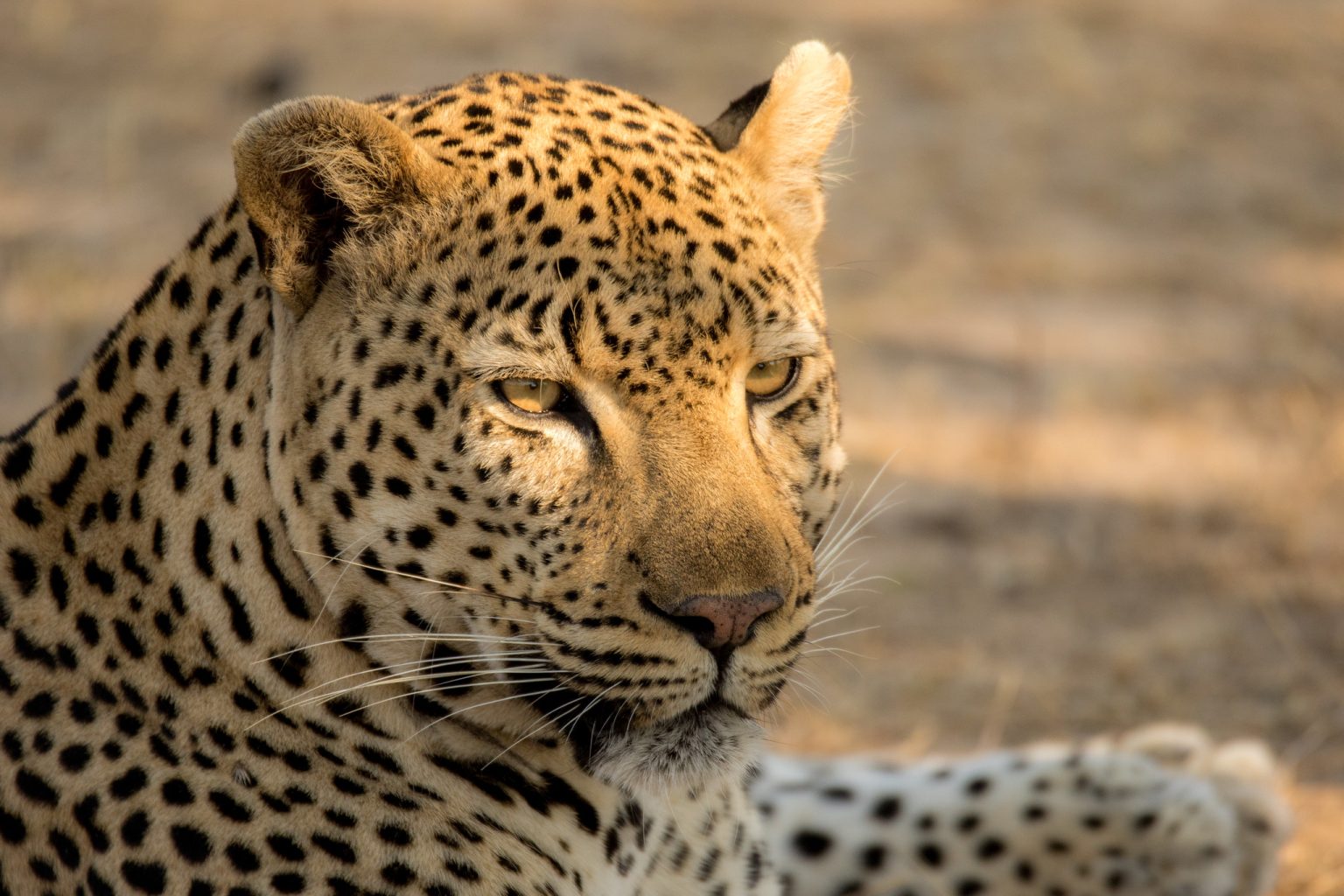
Today is a long but varied drive. You climb the Rift Valley escarpment to Karatu and cross the forested rim of the Ngorongoro Conservation Area, with views down into the crater, before descending onto the open plains and entering the Serengeti National Park at Naabi Hill gate. The park covers 14,763 square kilometres and became a UNESCO World Heritage Site in 1981. Allow seven to eight hours with stops and a picnic lunch, and the last part becomes a game drive across the plains to the Seronera valley. Seronera has water all year and keeps resident lion, leopard and cheetah, so the evening drive along the river is worth staying awake for. Dinner and overnight at Kati Kati Tented Camp or Serengeti Serena Safari Lodge.
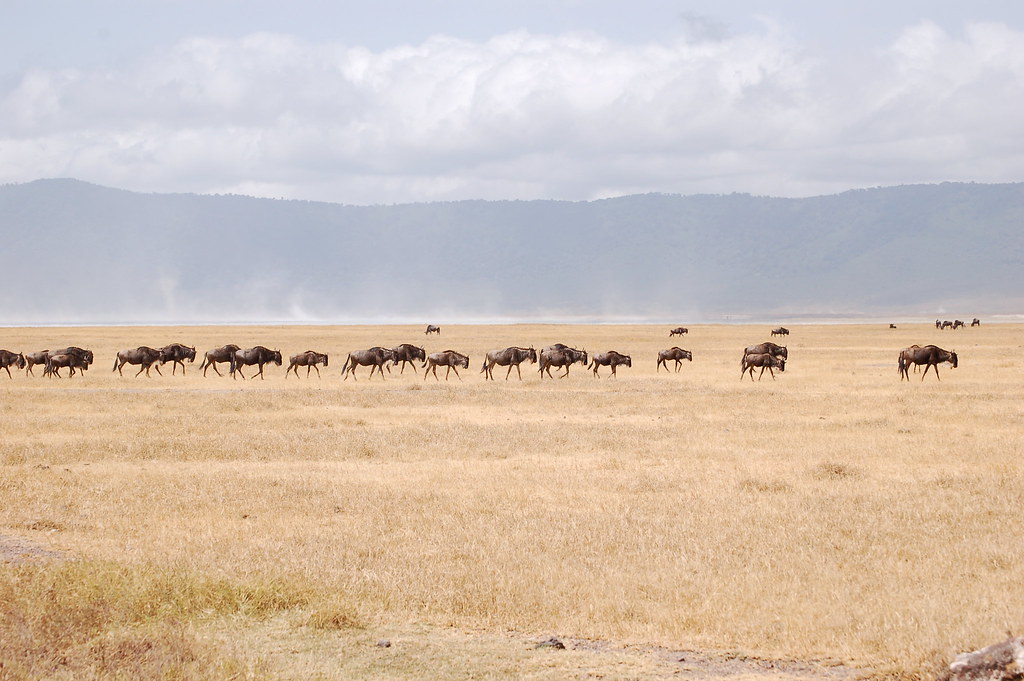
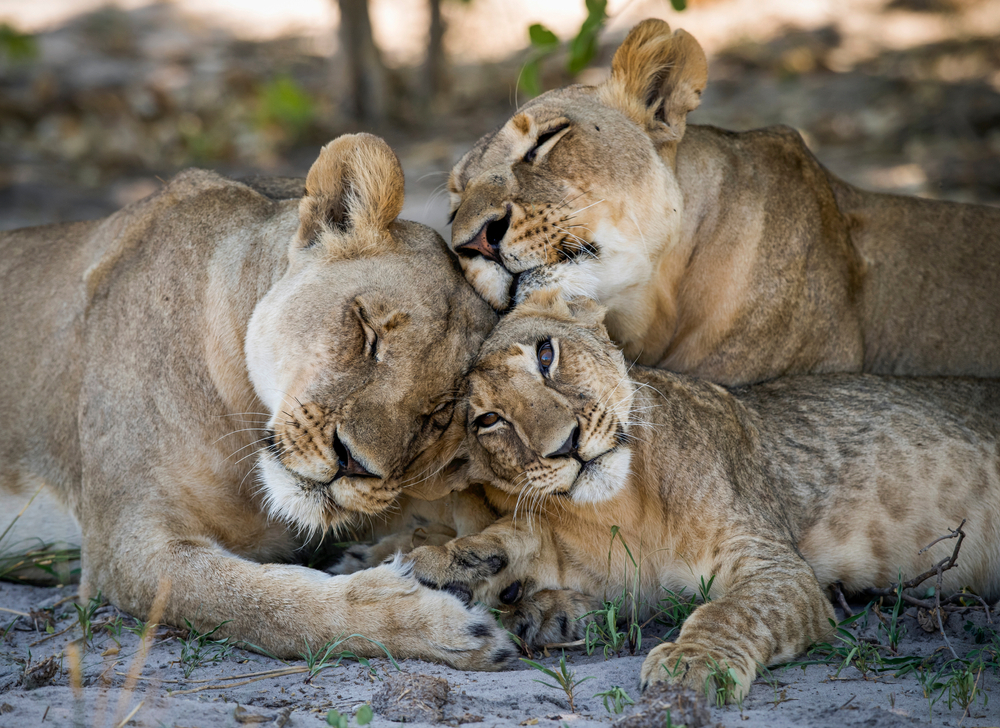
After an early drive around Seronera you head west into the Western Corridor, the long arm of the park that reaches towards Lake Victoria. The drive takes two to three hours and is a game drive the whole way. From about May to July, part of the migration moves through here, and the herds gather along the Grumeti River before crossing. The Grumeti is smaller and slower than the Mara, with pools and channels rather than a strong current, but it holds some of the largest Nile crocodiles in the ecosystem, and the crossings can be dramatic. The open plains of the corridor, such as Ruana, also attract big lion prides and large herds of topi and eland. Dinner and overnight at Kirawira Serena Camp or Mbalageti Serengeti.
You have a full day with the herds in the Western Corridor, leaving early with a picnic breakfast and lunch. Our guide follows the wildebeest and zebra columns along the Grumeti, waiting at the river when the animals start massing on the bank. Crossings here come in a short window and cannot be timed, so the day mixes river watching with drives on the plains, where the herds graze in long lines and the predators work the edges. Look out for colobus monkeys in the riverine forest, which are uncommon elsewhere in the Serengeti, and for hippo pools along the river. In the late afternoon you return to camp for a hot shower and dinner under the stars. Dinner and overnight at Kirawira Serena Camp or Mbalageti Serengeti.
Today you drive back east across the Serengeti, with a game drive through the central plains and a picnic lunch on the way. You leave the park at Naabi Hill, pass Olduvai Gorge and climb to the rim of the Ngorongoro Crater, around 2,300 metres above sea level. Allow seven to eight hours in total; it is the longest day of the trip, but the route crosses some of the best game country in the park. You reach your lodge in time for sunset over the crater, and evenings up here are cold, so keep a fleece handy. Dinner and overnight at Ngorongoro Serena Safari Lodge or Rhino Lodge.
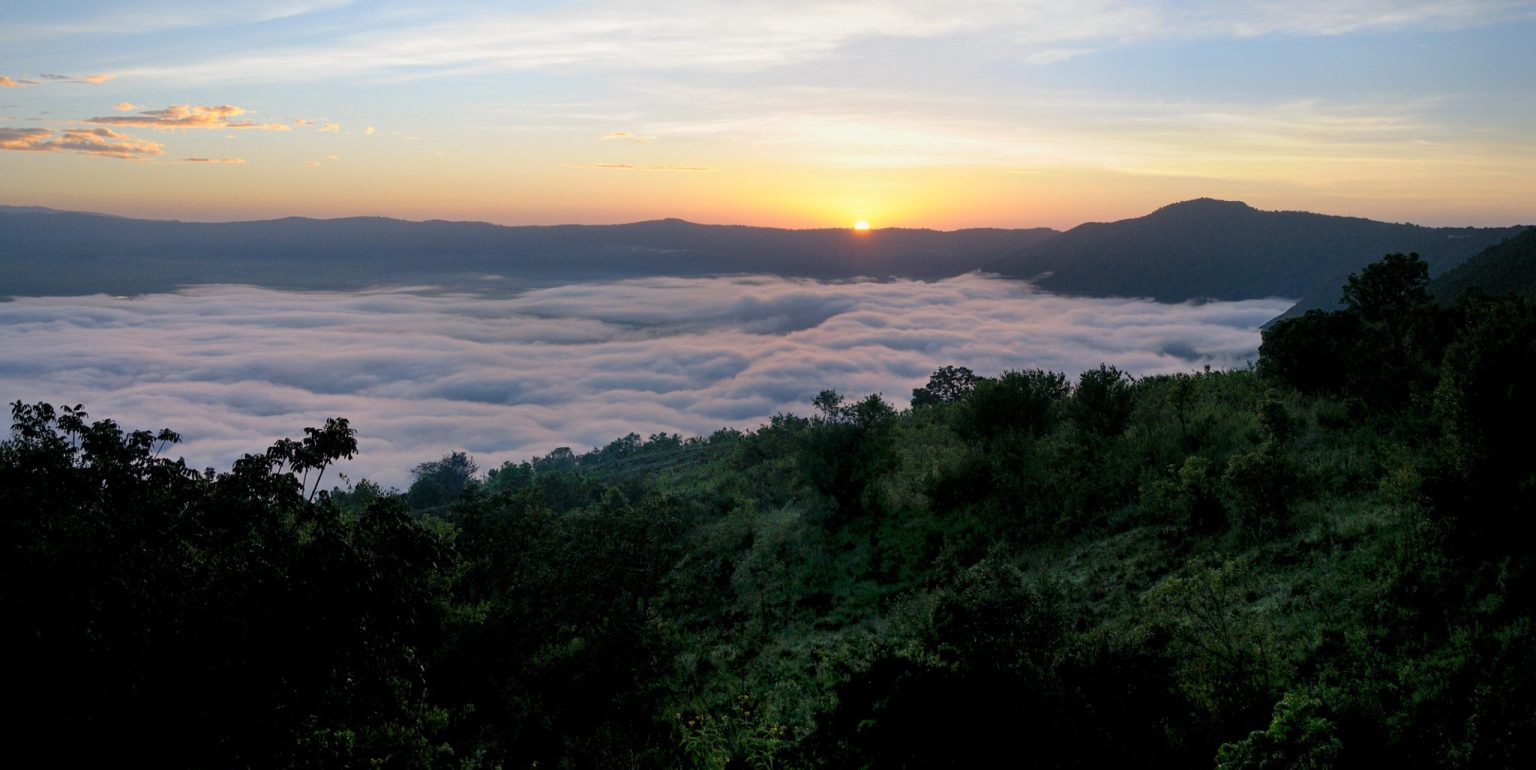
You descend about 600 metres to the crater floor at first light. The Ngorongoro Crater covers about 260 square kilometres and holds lion, elephant, buffalo, spotted hyena, zebra, wildebeest, hippo and flamingos, plus a small population of black rhino that you may be lucky enough to see. After a morning game drive and a picnic lunch on the floor, you climb out and drive back to Arusha, about four hours, for a transfer to Kilimanjaro International Airport or to a hotel if you are staying on (not included).
The Western Corridor phase is short and moves from year to year. If the herds turn north early, we can swap one Western Corridor night for a camp in the north-central Serengeti at no change to the length of the trip. Ask us about this when you book, and we will confirm the camps closer to your dates.
Usually from about May to July, with Grumeti River crossings most likely in June. Not all of the migration goes west; part of it moves north through the centre, and timing changes with the rains each year.
The Grumeti is smaller and slower, with pools rather than a strong current, so crossings are usually shorter. It does hold very large crocodiles, and there are far fewer vehicles than at the Mara in peak season.
Days 3 and 6 are the long ones, about seven to eight hours each, but most of that time is a game drive inside the parks. The other days have short transfers.
Tarangire is excellent for elephants, the central Serengeti for lion, leopard and cheetah, and the Ngorongoro Crater for buffalo, hippo and the chance of black rhino.
Yes. A common change is to fly from a Serengeti airstrip back to Arusha on Day 6 and skip the crater, or to fly in on Day 3 to cut the drive.
It begins and ends at Kilimanjaro International Airport, with the first night in Arusha.

A 4-day Tanzania safari from Arusha, flying to and from Serengeti National Park, with game drives following the wildebeest migration and a full day exploring…
Safari Details
A 5-day Tanzania safari timed for the wildebeest calving season on the Ndutu plains, with two nights among the herds, a stop at Olduvai Gorge…
Safari Details
An 11-day Tanzania safari from Arusha to the Serengeti for the wildebeest migration, the Ngorongoro Crater, Lake Manyara, Tarangire and Nyerere National Park, with game…
Safari Details