5-Day Ndutu Calving Season Migration Safari
Timed for the months when the wildebeest migration gathers on the short-grass plains of the southern Serengeti and Ndutu to give birth, roughly January to March.

Inquire Now
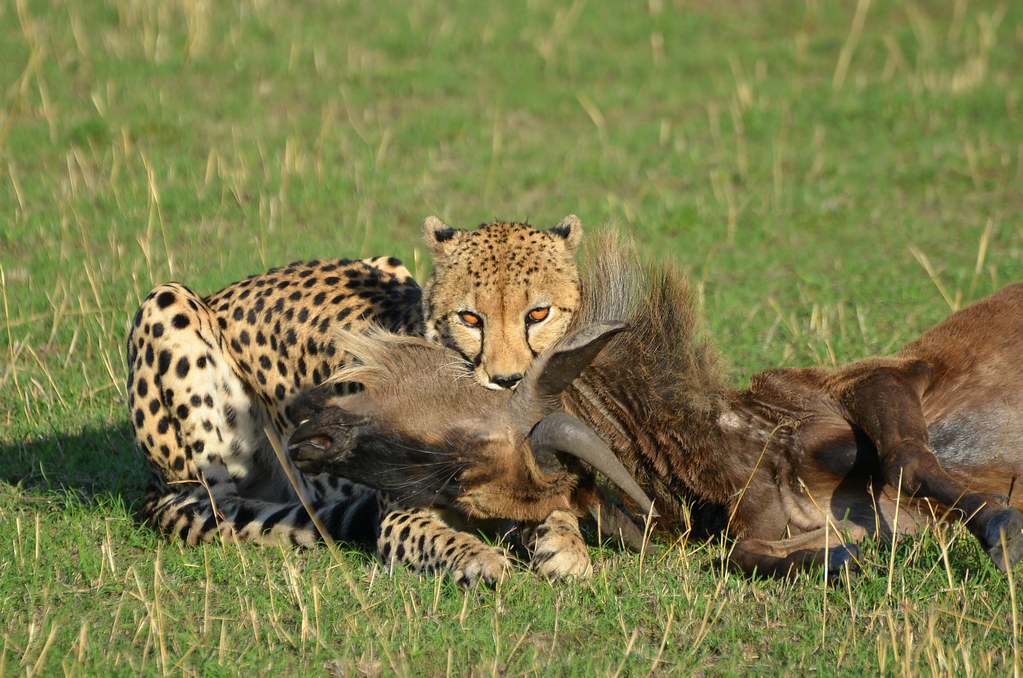
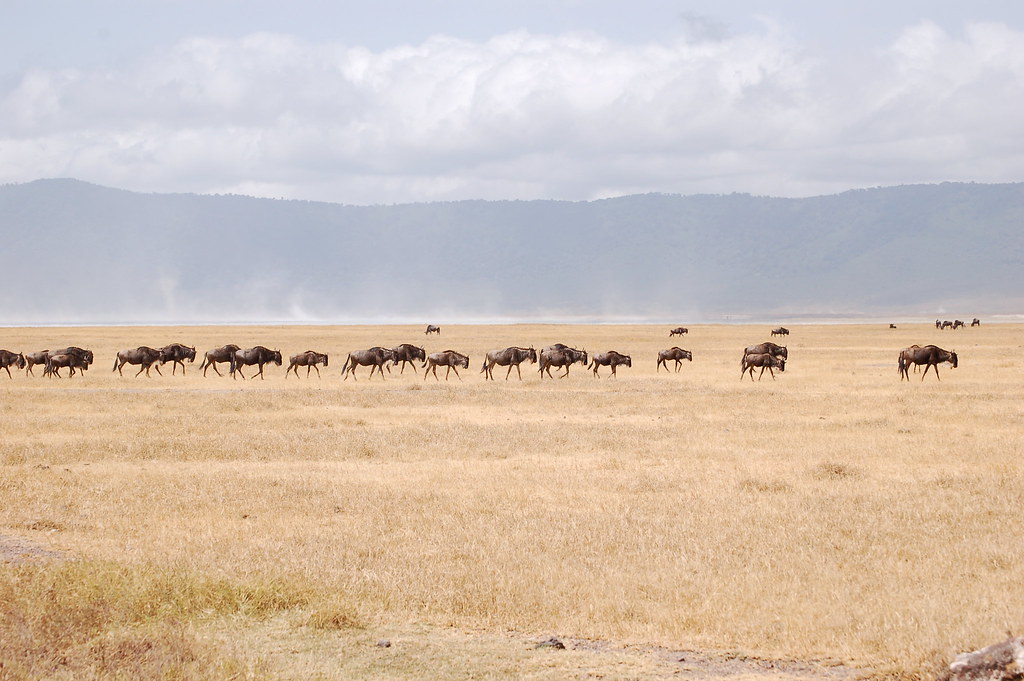
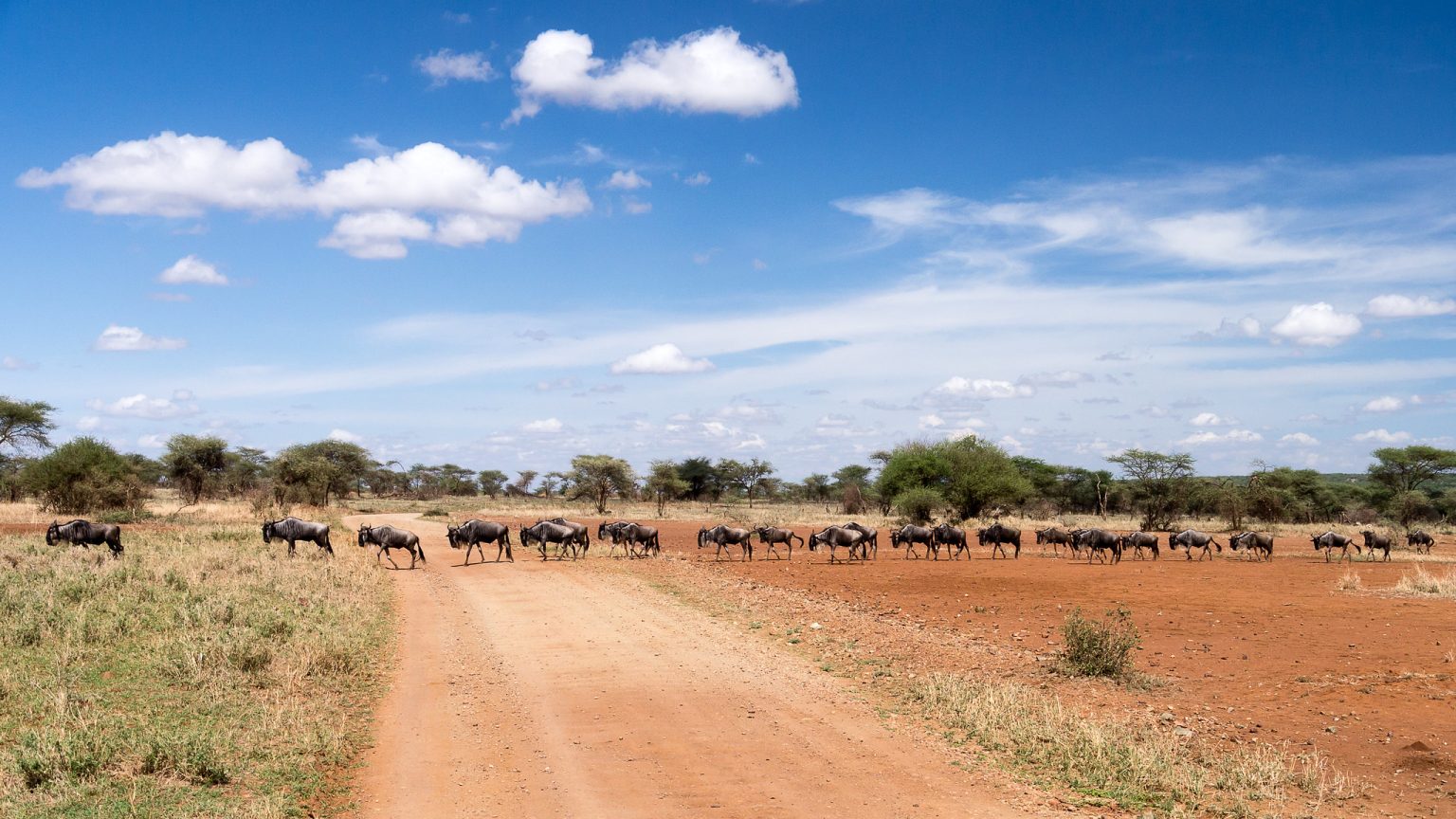
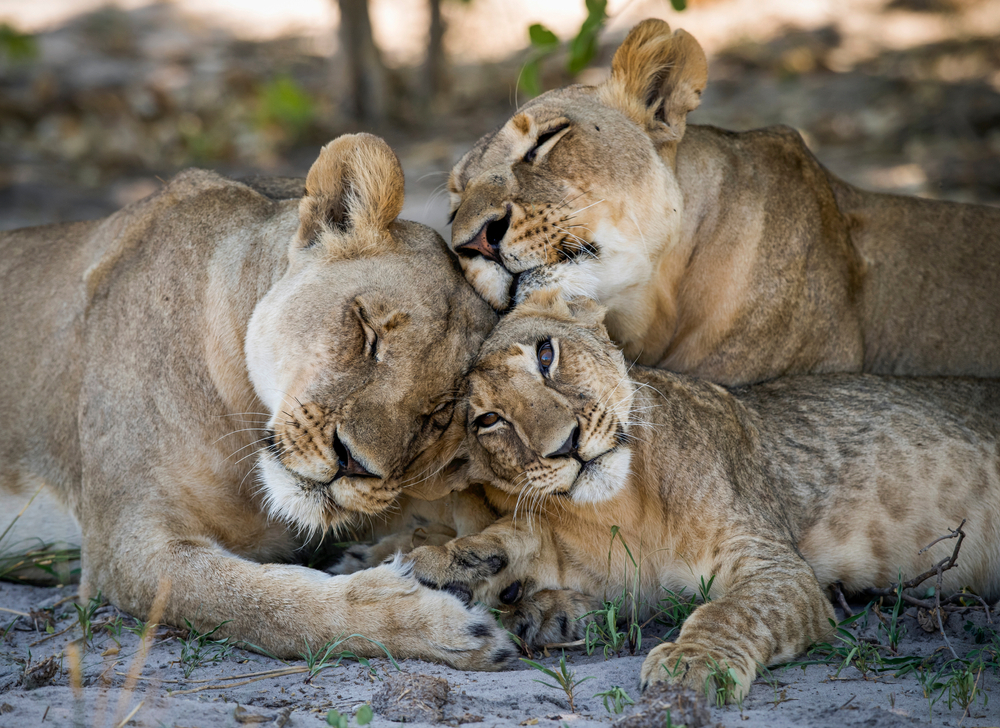
A 5-day Tanzania safari timed for the wildebeest calving season on the Ndutu plains, with two nights among the herds, a stop at Olduvai Gorge and a game drive in the Ngorongoro Crater.
5-Day Ndutu Calving Season Migration Safari
Timed for the months when the wildebeest migration gathers on the short-grass plains of the southern Serengeti and Ndutu to give birth, roughly January to March.
Calving season is the most underrated time to see the wildebeest migration in Tanzania. The herds are packed onto open plains rather than strung along a river, newborn calves bring the predators close, and there are fewer vehicles than in the northern Serengeti during the crossing months. Two nights at Ndutu give you a full day with the herds, and the route back passes Olduvai Gorge and finishes with a game drive in the Ngorongoro Crater, so you see a second side of northern Tanzania without adding a day.
Our driver-guide meets you in the arrivals hall at Kilimanjaro International Airport with a name board and takes care of your bags. The drive west to Arusha covers about 50 km and takes roughly an hour, past coffee farms, banana groves and roadside markets, with Mount Meru filling the skyline on a clear evening. At the hotel there is time to rest after the flight and sort out cameras and binoculars for the days ahead. In the evening our guide drops by for a short briefing: the plan for the drive to Ndutu, what the herds were doing on the plains last week, and what to keep in your day bag. The calving herds move with the rain, so the guide’s latest reports from other drivers matter more than any map. Dinner and overnight at Arusha Coffee Lodge or Mount Meru Hotel.
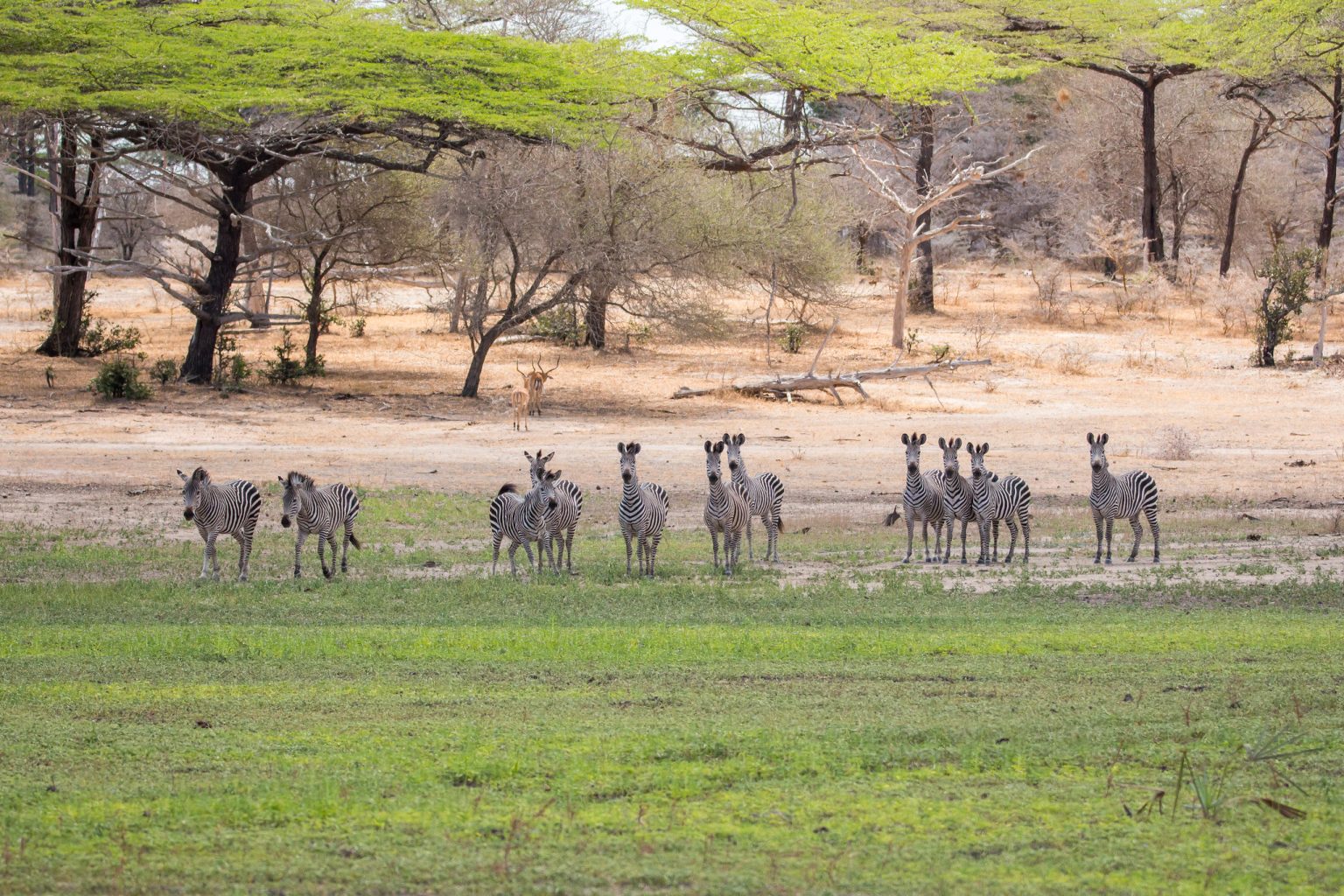
After an early breakfast you leave Arusha on the tarmac road through the Rift Valley, past Mto wa Mbu and up the escarpment to Karatu and the forested rim of the Ngorongoro Conservation Area. The road then drops onto the open plains, and the last stretch to Ndutu is on dirt tracks. Allow about six hours of driving in total, broken by a picnic lunch with views over the highlands. Ndutu sits inside the Ngorongoro Conservation Area on the edge of the Serengeti, around two small soda lakes, Lake Ndutu and Lake Masek. From December to March the short grass here grows rich in minerals after the rains, and that is what draws the herds south to calve. You spend the late afternoon on your first game drive among the wildebeest and zebra, then check in at camp as the light fades. Dinner and overnight at Ndutu Safari Lodge or Lake Masek Tented Camp.
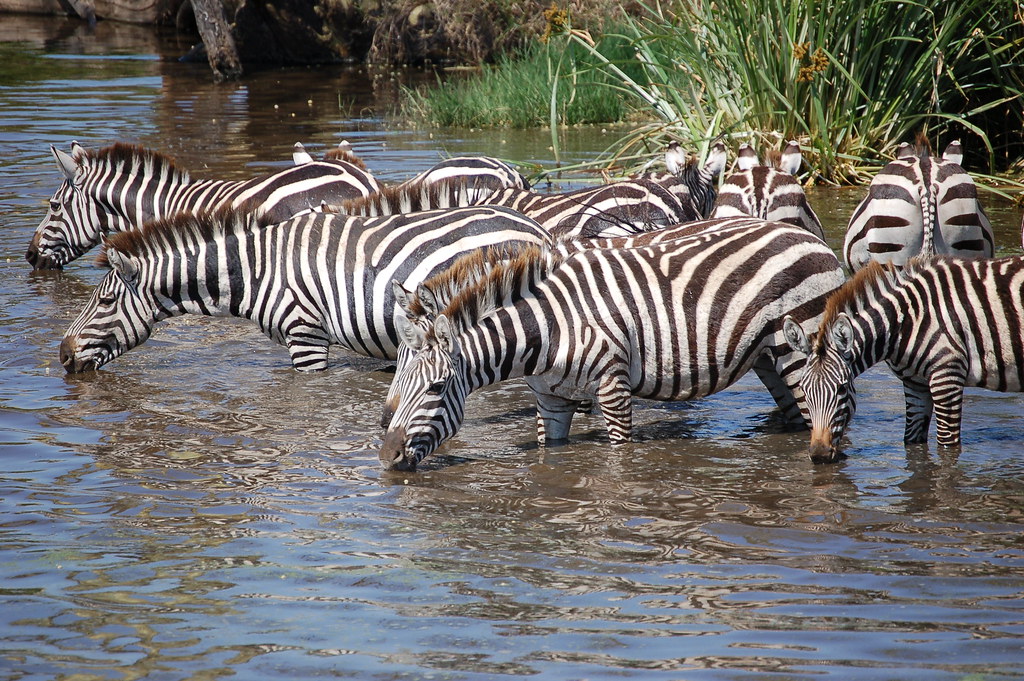
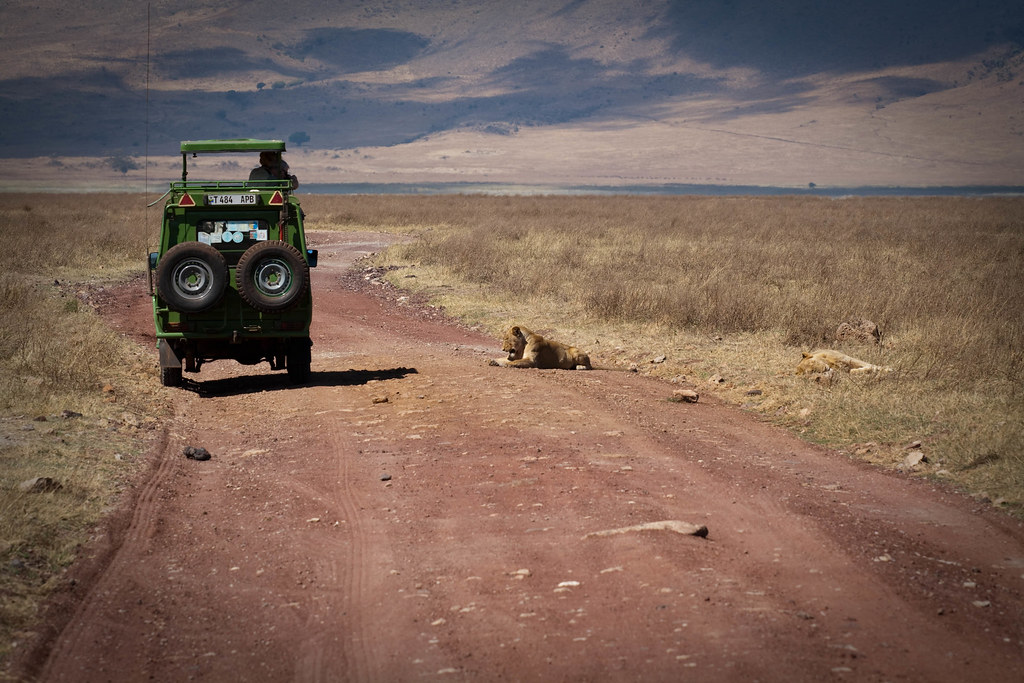
This is the day the trip is built around. You leave camp at first light with a packed breakfast, because most calves are born in the early morning and a newborn wildebeest is usually on its feet within minutes. In peak season, which tends to fall in February, tens of thousands of calves can be born across the plains over a few weeks. Where there are calves, there are predators: lion prides, spotted hyena and especially cheetah, which hunt in the open short grass. Our guide reads the movement of the herds and the reaction of the mothers to find the action, then switches the engine off so you can watch without hurry. A picnic lunch in the shade of an acacia breaks up the day, and the woodland around Lake Ndutu is a good place to look for leopard and for the resident giraffe. You return to camp late in the afternoon. Dinner and overnight at Ndutu Safari Lodge or Lake Masek Tented Camp.
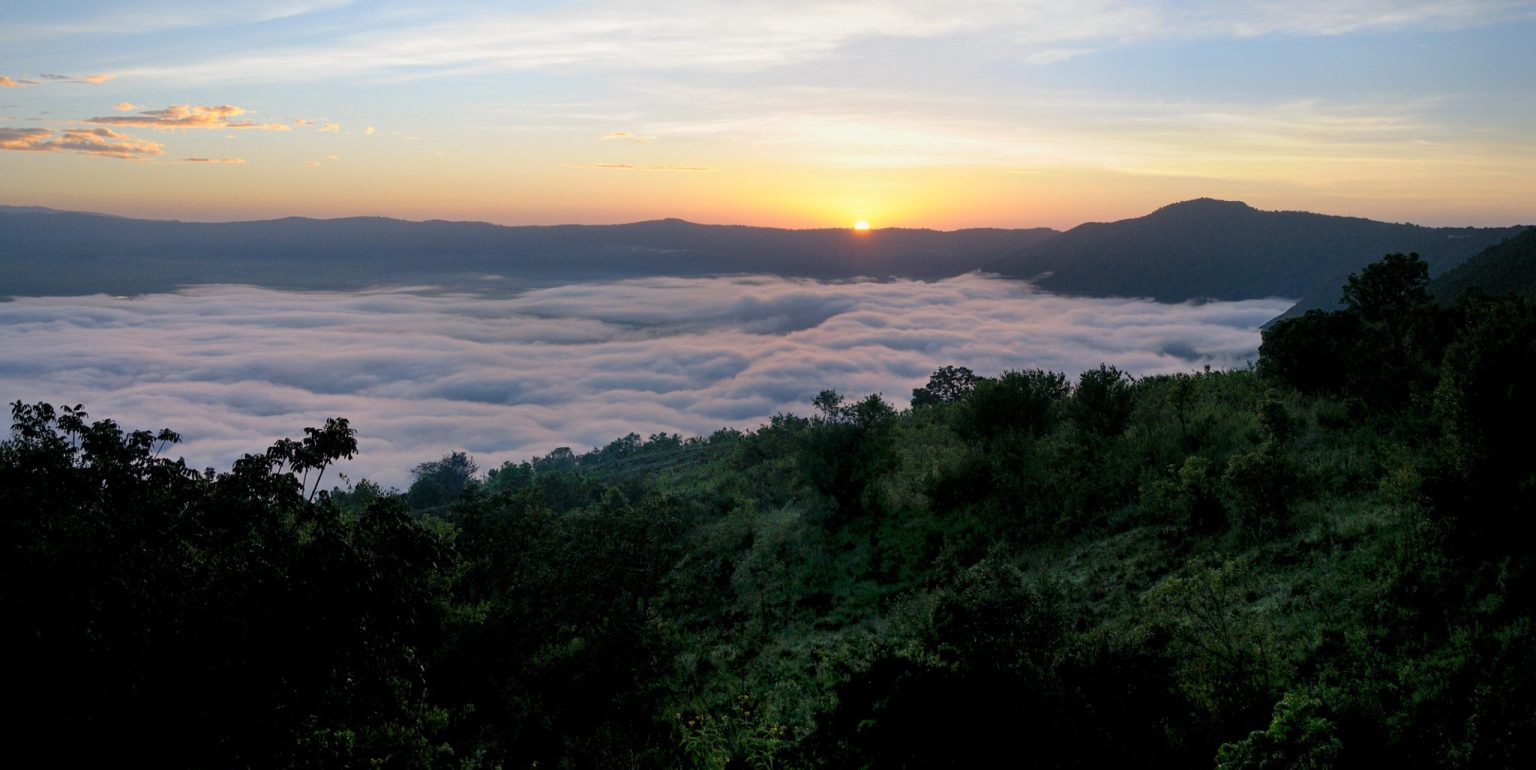
You have one more early drive on the plains to see where the herds have moved overnight and to look again for cats on the hunt. After a late breakfast you drive east towards the Ngorongoro highlands. The road passes Olduvai Gorge, where Louis and Mary Leakey’s finds put this corner of Tanzania at the centre of the story of human origins; the small museum on the rim takes about an hour and explains the fossil beds below. From there the road climbs past Maasai bomas and grazing cattle to the crater rim, which sits at around 2,300 metres, so evenings are cool and a fleece is welcome. Your lodge looks straight down into the crater. Dinner and overnight at Ngorongoro Serena Safari Lodge or Rhino Lodge.
You set off early with a picnic breakfast and descend about 600 metres on the steep track to the crater floor. The crater covers roughly 260 square kilometres and holds lion, elephant, buffalo, spotted hyena, large herds of zebra and wildebeest, hippo pools and flamingos on Lake Magadi. It is also one of the few places in Tanzania where black rhino are seen with some regularity, though a sighting is never certain. After a morning on the floor and a picnic lunch by the Ngoitokitok spring, you climb out and drive back to Arusha, about four hours on tarmac. Depending on your flight time, we drop you at Kilimanjaro International Airport or at a hotel in Arusha for an extra night (not included).
Calving does not run to a calendar. In a dry year the herds can leave the Ndutu plains for a few days and come back after the next storm, so we confirm the camp only once we have recent reports, and we may suggest a camp in the southern Serengeti instead if the herds have moved that way. Bring a warm layer for the crater rim and a dust cover for your camera.
The herds usually gather on the Ndutu and southern Serengeti plains from about December to March, and most calves are born over a few weeks around February. The exact timing follows the rains, so we check recent reports before confirming your camp.
Yes for most people. You spend two nights at Ndutu with a full day and two part days among the herds. If photography is the main aim, an extra night at Ndutu gives you more time with the predators and the light.
Lion and spotted hyena are seen on most days in calving season, and the open short grass makes Ndutu one of the best places in Tanzania for cheetah. Leopard is possible in the woodland around the lakes but is a matter of luck.
The best chance is on the Ngorongoro Crater floor on the last day, where a small population lives. Sightings are often at a distance and are never guaranteed.
The longest is Day 2, about six hours from Arusha to Ndutu with stops, and Day 5, when you drive about four hours back to Arusha after the crater game drive.
It starts and ends at Kilimanjaro International Airport. If your flight leaves late at night or the next day, we can add a hotel night in Arusha.

A 12-day wildlife photography tour of Tanzania from Arusha to Tarangire, Lake Manyara, the Ngorongoro Crater, the Serengeti, Lake Eyasi and Lake Natron, with game…
Safari Details
An 8-day Tanzania photo safari from Arusha through Tarangire, Lake Manyara and the Ngorongoro Crater to the Serengeti, photographing the Big Five and the wildebeest…
Safari Details
A 7-day fly-in Tanzania safari from Arusha with flights into the Central and Northern Serengeti for game drives and two days watching the Great Wildebeest…
Safari Details