Three nights near the Mara River at Kogatende in the crossing season, roughly July to October, with flights in and out to save two long days on the road.

Inquire Now
Inquire Now
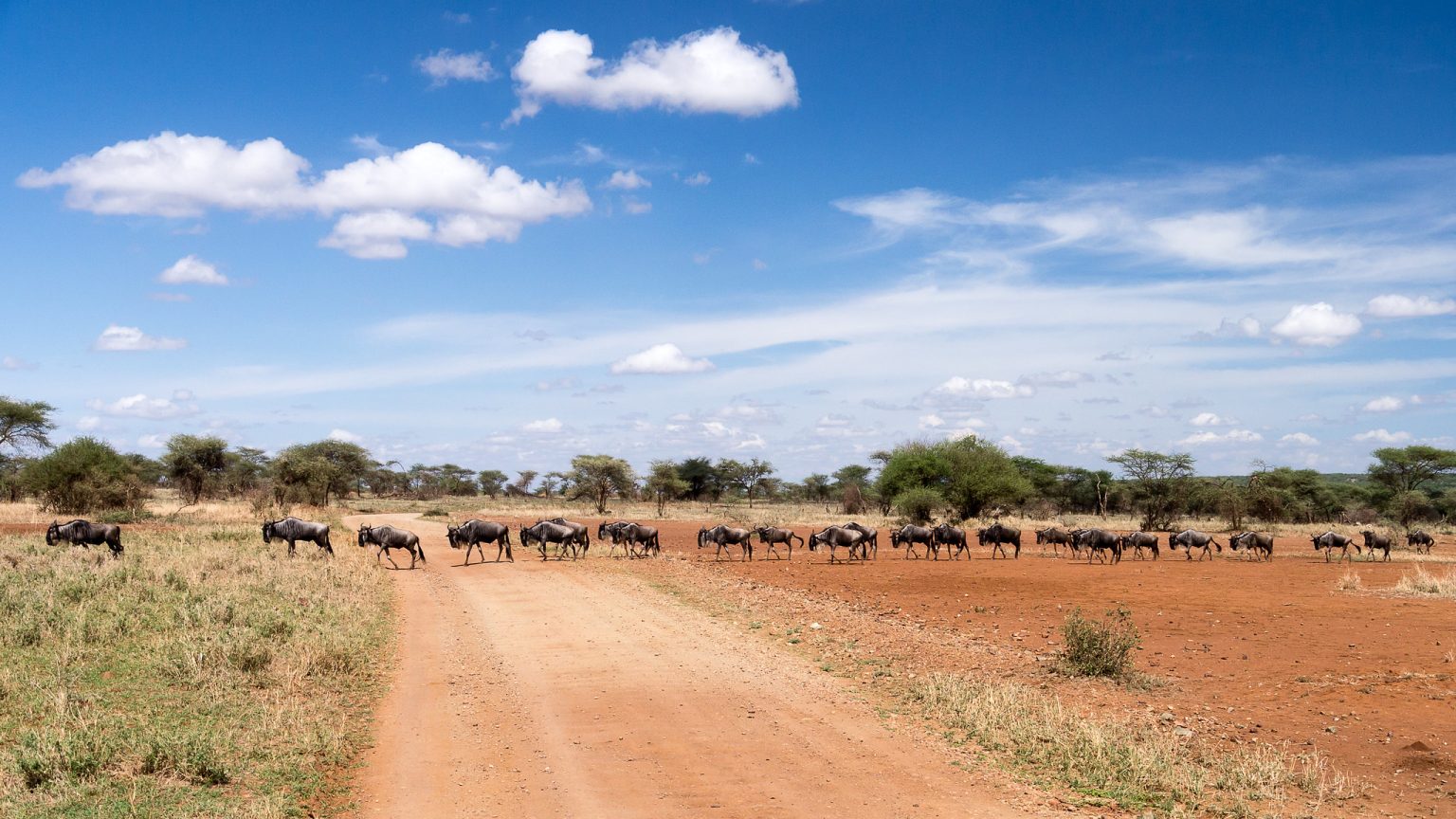
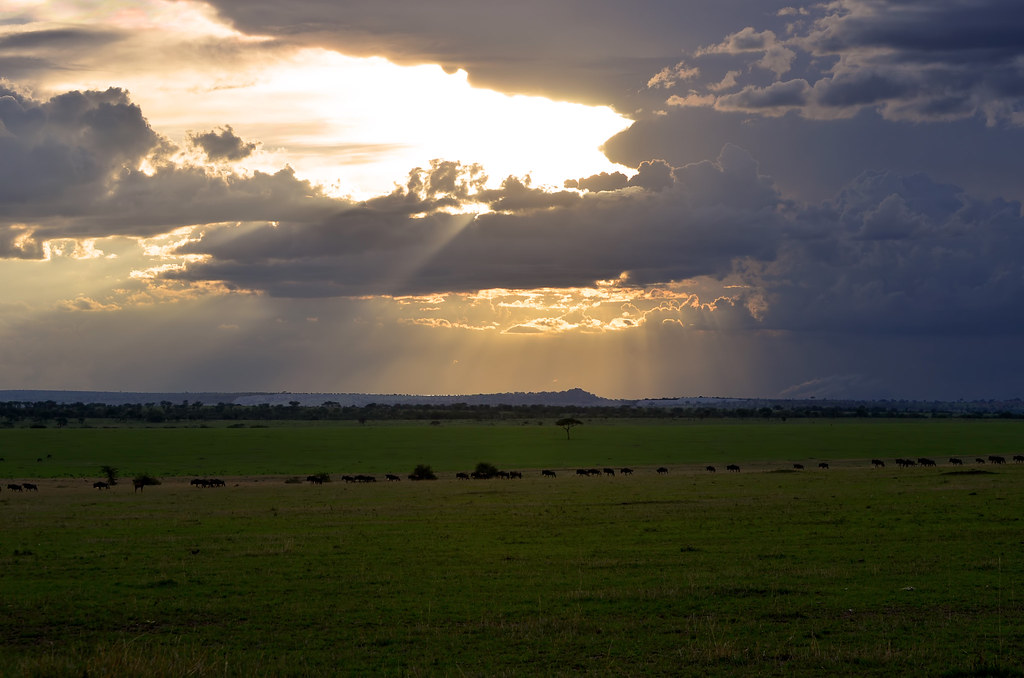
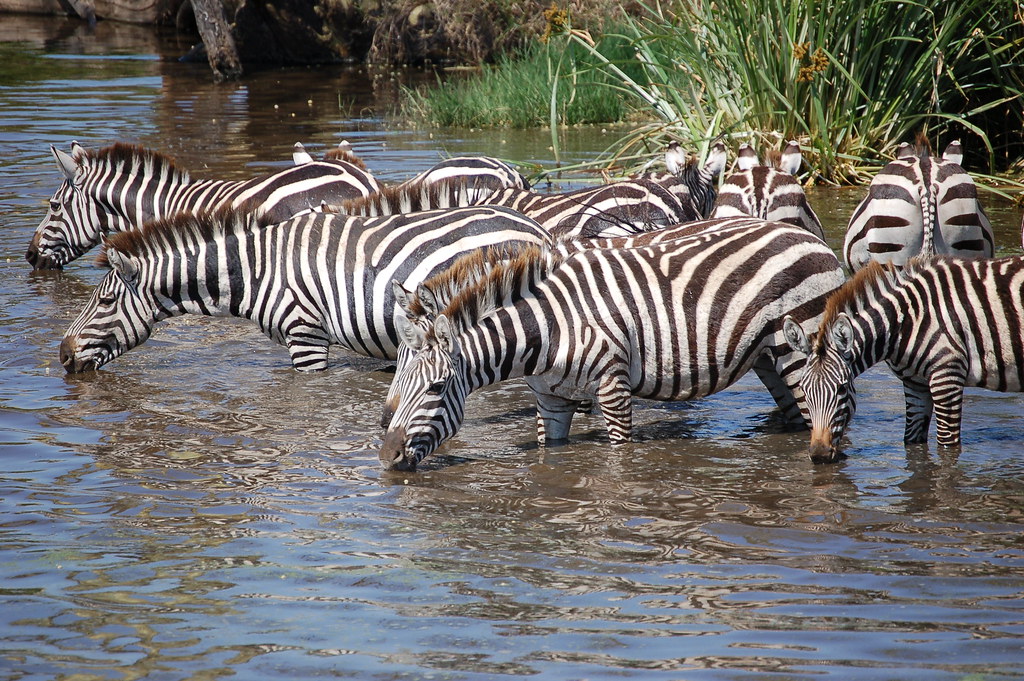
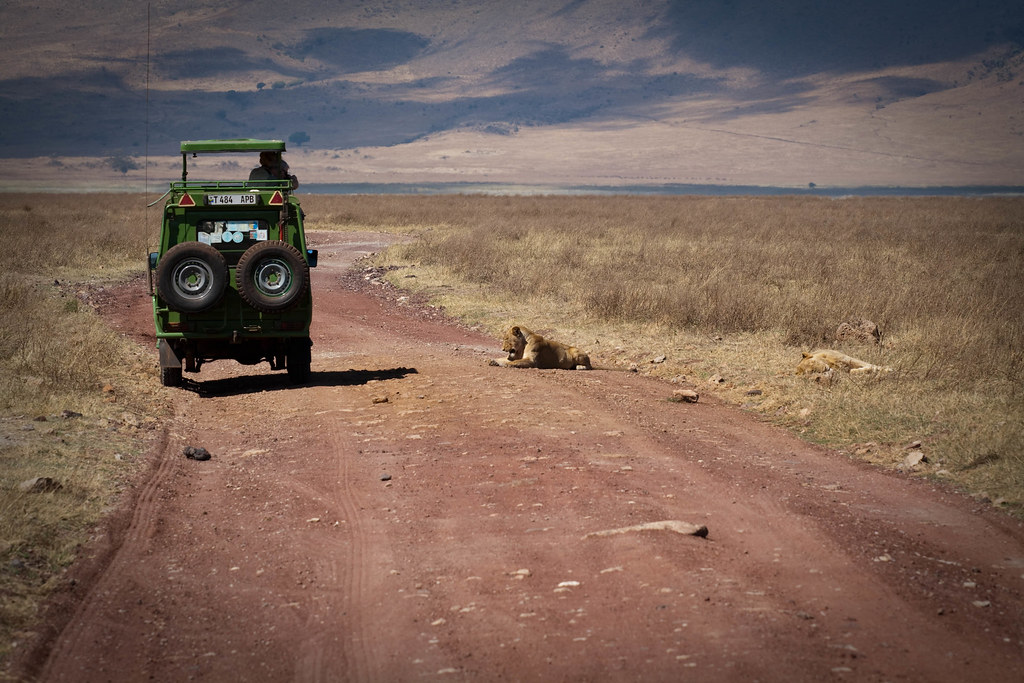
A 6-day fly-in safari for the Mara River crossings, July to October, with three nights near Kogatende in the northern Serengeti and a night in the central Serengeti.
Three nights near the Mara River at Kogatende in the crossing season, roughly July to October, with flights in and out to save two long days on the road.
The Mara River crossings are the scene most people picture when they think of the migration, and the key to seeing one is time at the river. This safari gives you three nights near Kogatende, flies you in and out to save two long days on the road, and adds a night at Seronera for the central Serengeti big cats. It suits travellers who want the crossings as the main event and would rather spend their days on the riverbank than in the vehicle on the way there.
You land at Kilimanjaro International Airport, where our team meets you after immigration and drives you about 50 km (one hour) to Arusha. Depending on your arrival time, you can rest at the hotel, take a short walk in the gardens or visit the craft market in town. Our safari planner calls in during the evening to go over the flight times for tomorrow and the luggage rule for light aircraft: 15 kg per person in a soft bag is the usual limit on Serengeti bush flights, so any extra luggage can stay at the hotel until you return. This is also the moment to talk about what you most want from the crossings, whether that is the big set-piece on the riverbank or quieter time with the herds and the cats that follow them. Dinner and overnight at Arusha Coffee Lodge or Gran Melia Arusha.
After breakfast you transfer to Arusha airport for a scheduled light-aircraft flight north to Kogatende airstrip. The flight takes about two and a half to three hours, usually with a stop in the central Serengeti, and gives you a view of the plains and kopjes from above. Your guide meets you at the airstrip with the vehicle, and you drive to camp for lunch. The Serengeti National Park covers 14,763 square kilometres, and the far north around Kogatende and Lamai is where the herds reach the Mara River after leaving the central plains. In the afternoon you head to the river to see where the herds are gathering, check the crossing points and get a feel for the crocodiles and hippos in the water. Dinner and overnight at Lemala Mara River Tented Camp or Sayari Camp.
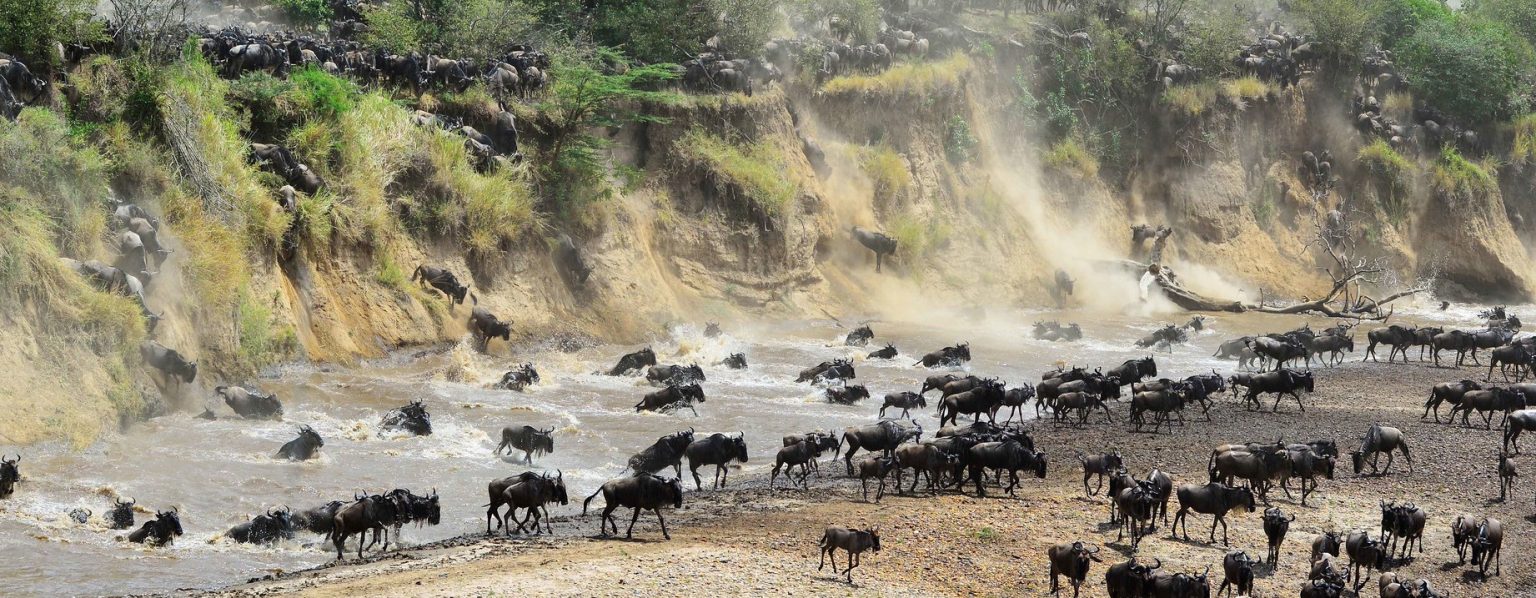
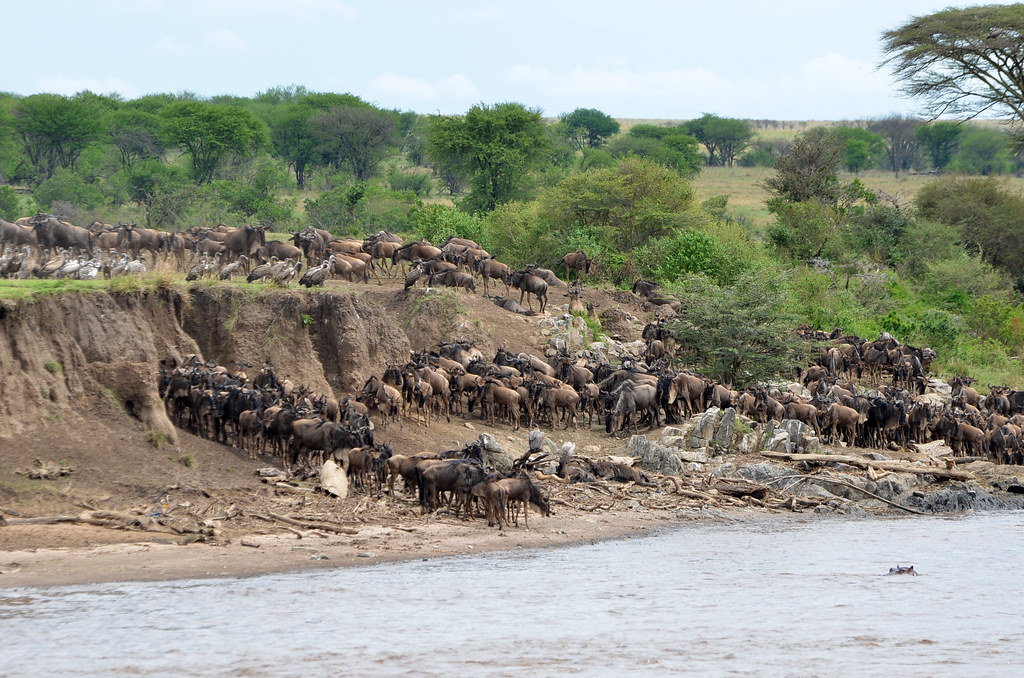
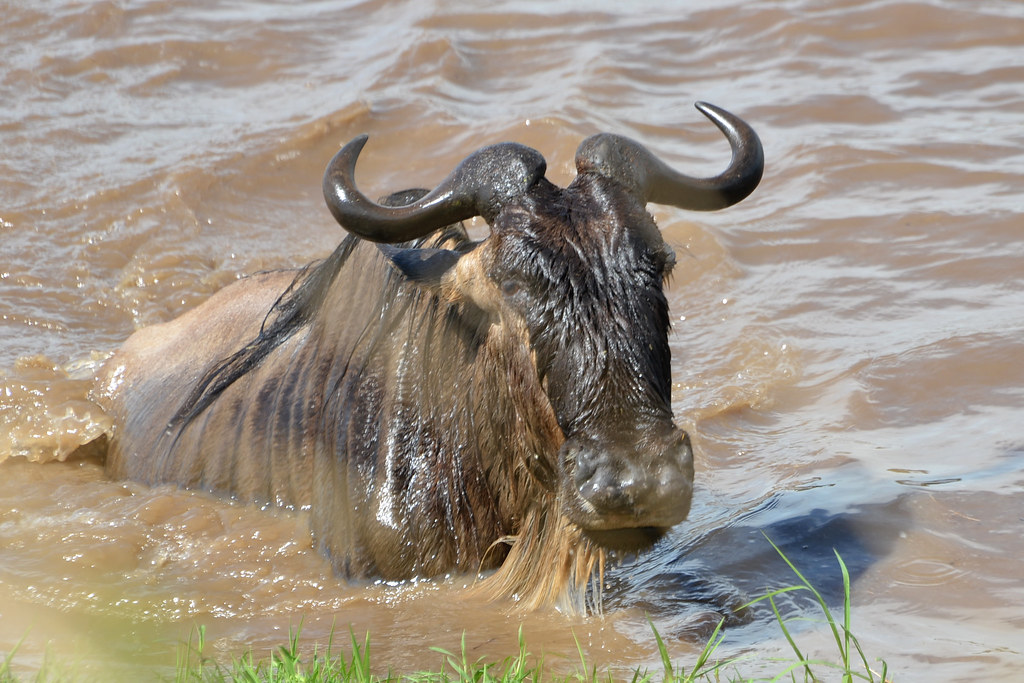
Crossings cannot be booked, so today is about patience and position. You leave early with a picnic breakfast and lunch so there is no need to return to camp. The herds collect on the bank, sometimes for hours, before a lead group commits and thousands follow, scrambling down the bank, swimming against the current and climbing out past waiting Nile crocodiles, some longer than five metres. Our guide keeps a respectful distance so the animals are not blocked from the water, then moves in once a crossing starts. Between crossings there is plenty to watch: lions resting near the river, hyenas working the banks and vultures over the remains of the last crossing. Days with no crossing at all are part of the season, which is why this trip gives you three nights here. Dinner and overnight at Lemala Mara River Tented Camp or Sayari Camp.
You have another full day in the north. If the herds have crossed to the far side, our guide will take you over the Kogatende bridge into the Lamai Wedge, the strip of the Serengeti between the Mara River and the Kenya border, where fewer vehicles go and the herds spread out over open grassland. If the herds are still on the southern bank, the day is spent along the main crossing points again, waiting for the next one. Either way, this is the best area in the park for seeing the full sequence: the build-up, the crossing and the predators that move in afterwards. In the late afternoon the light turns the river gold, and it is often the most productive hour for photography. Dinner and overnight at Lemala Mara River Tented Camp or Sayari Camp.
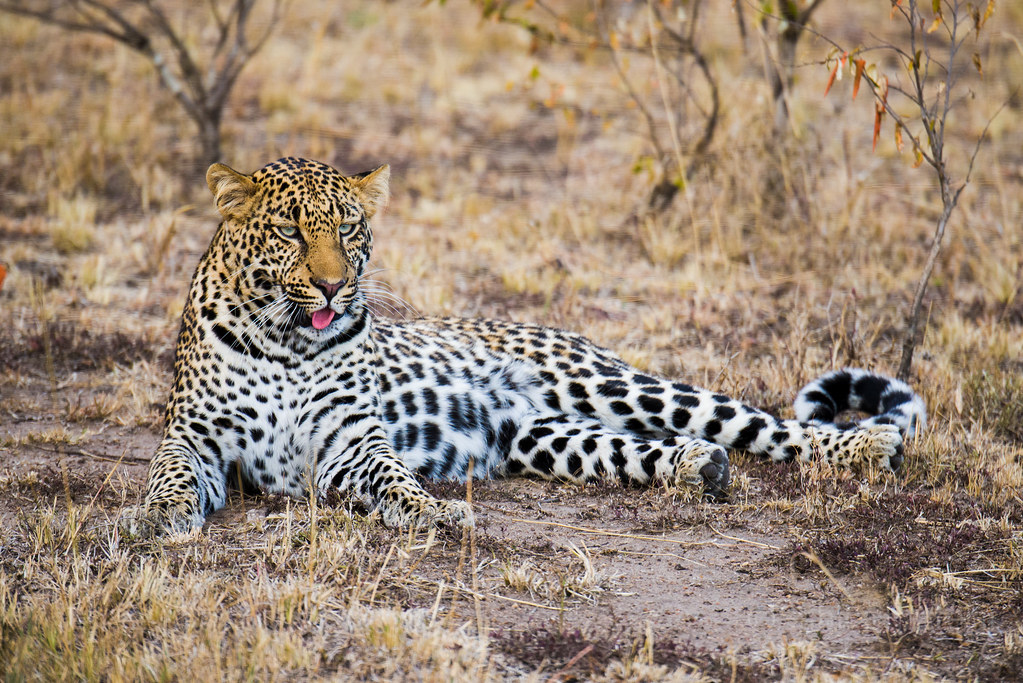
After breakfast you leave the river and drive south through the Bologonja and Lobo areas, a game drive of about five to six hours with a picnic lunch on the way. The country changes from open grassland to granite kopjes and wooded valleys, and the Lobo hills hold resident lion prides, elephants and klipspringers on the rocks. You reach the Seronera valley in the central Serengeti in the afternoon. Seronera has water year-round, so it keeps a large resident population of lion, cheetah and leopard even when the migration is elsewhere. An evening drive along the Seronera River gives you your best chance of the trip of finding a leopard resting in a sausage tree. Dinner and overnight at Kati Kati Tented Camp or Serengeti Serena Safari Lodge.
You have a last early game drive in the Seronera valley, looking for the big cats around the kopjes and along the river while the air is still cool. After breakfast our guide takes you to Seronera airstrip for the scheduled flight back to Arusha, about one hour and fifteen minutes. You are met on arrival and transferred to Kilimanjaro International Airport for your international flight, or to a hotel in Arusha if you are staying on (not included). If you would like to finish on a beach, this is the point to fly on to Zanzibar instead.
If you can choose, September is usually a better month than August for this trip: the herds are often still in the north and there are fewer vehicles at the crossing points. Northern camps fill up as much as a year ahead for August, so book early for peak dates. Pack in a soft bag of no more than 15 kg for the light aircraft.
No one can promise one. Crossings depend on the herds and can stop for days, then happen several times in an afternoon. Three nights near Kogatende in July to October gives you good odds, and our guides watch the herds and talk to other drivers to be in the right place.
July to October, when the herds are in the northern Serengeti. July can be early in some years and October late, so August and September are the most reliable months. September usually has fewer vehicles than August.
The usual limit on Serengeti scheduled flights is 15 kg per person, including hand luggage, in a soft bag without a frame. Extra bags can stay at your Arusha hotel.
By road, Kogatende is a long day from the central Serengeti and two days from Arusha. Flying in and out frees those days for the river.
Zebra, topi, elephant, giraffe and buffalo are common, and the crossings draw lion, hyena and large crocodiles. Seronera on Day 5 is one of the best areas in East Africa for leopard.
Yes. On Day 6 you can fly from Seronera to Zanzibar, usually with a connection in Arusha, instead of going home.

A fly-in safari from Arusha to the Serengeti, with several days of game drives, a hot air balloon ride over the Serengeti with a champagne…
Safari Details
A 5-day Tanzania safari timed for the wildebeest calving season on the Ndutu plains, with two nights among the herds, a stop at Olduvai Gorge…
Safari Details
A 7-day road safari for the migration in the Serengeti's Western Corridor, May to July, with Tarangire, two nights near the Grumeti River and a…
Safari Details