
Inquire Now
Serengeti safaris in northern Tanzania follow the Great Migration of about two million wildebeest across short-grass plains rich in lions. See when to go, how to get there from Arusha and lodges by area, then book with us.
Serengeti National Park is a 14,763 square kilometre park in northern Tanzania, best known for the Great Migration of about two million wildebeest and for one of the largest lion populations in Africa. Most visitors reach it from Arusha, 7 to 8 hours by road or a short flight to an airstrip such as Seronera, and non-resident adults pay a park entry fee equal to about USD 70 a day on the Tanzania National Parks tariff.
 3 Days
 4 Days
 5 Days
Prefer your own dates and lodges? Ask for a tailor-made quote.

The 3 Day Tanzania Safari Lodge package to Ngorongoro Crater, Tarangire and Lake Manyara covers the best of wildlife on a game drive safari.
Safari Details
Prepare yourself for a tour filled with thrilling encounters with the Great Serengeti Wildebeest Migration, Big Cats and the renowned Big Five.
Safari Details
Explore the world renowned Ngorongoro Crater, a wonder teeming with wildlife and delve into the enchanting wonders of Lake Manyara National Park.
Safari Details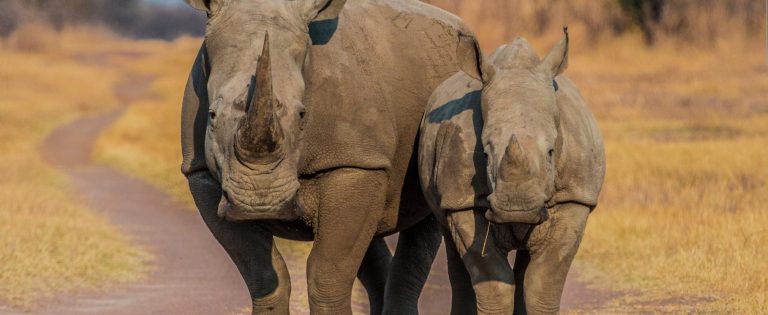
In 6 days you'll explore Lake Manyara National Park, witness the captivating Serengeti with its wildlife and marvel at the incredible Ngorongoro Crater, where you…
Safari Details
7-Day Wildlife Safari Adventure in iconic national parks like Serengeti, Ngorongoro Crater & Lake Manyara. Witness the Great Wildebeest Migration & spot the Big Five.
Safari Details
8 day safari, witness the awe inspiring herds of wildebeest and zebras, catch glimpses of predators like lions, cheetahs and leopards and marvel at the…
Safari Details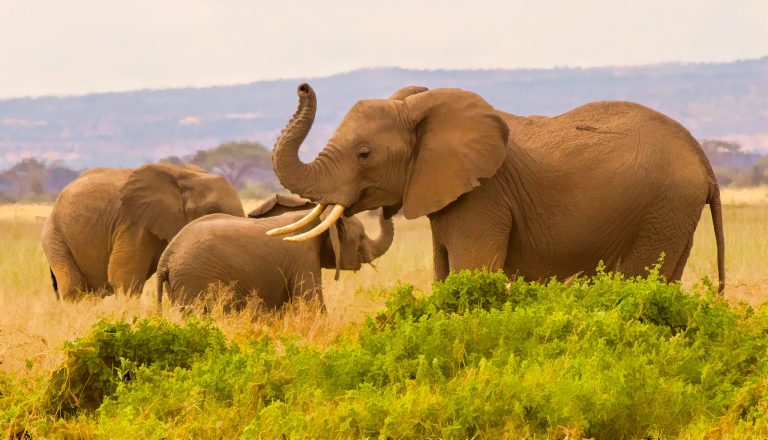
9-Day Wildlife Safari Adventure. Witness Serengeti's Great Wildebeest Migration, encounter diverse wildlife in Ngorongoro Crater, and customize your dream safari.
Safari Details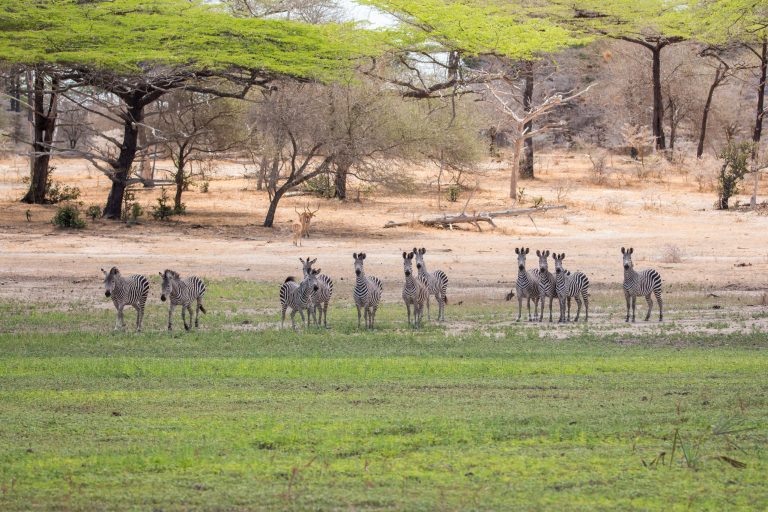
Our 12 day safari lets you visit the top national parks in Tanzania, lots of game viewing, see the big five animals and more.
Safari DetailsSerengeti National Park holds the largest concentration of plains game in Africa: UNESCO's listing counts about 2 million wildebeest, 900,000 Thomson's gazelles and 300,000 zebras as the dominant herds. Around them live some 4,000 lions, 1,000 leopards and 3,500 spotted hyenas, which is why game viewing here is strong in every month.
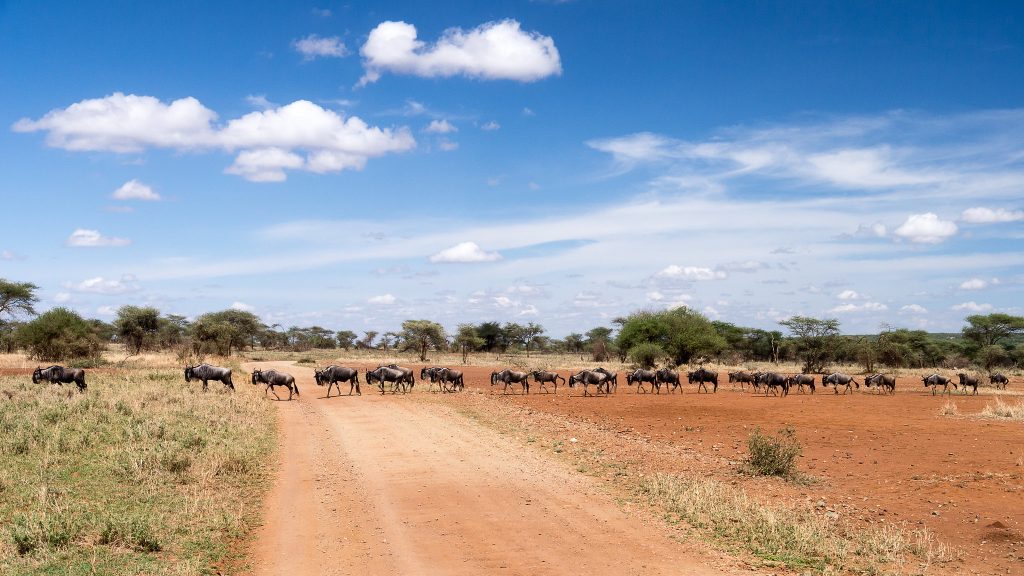
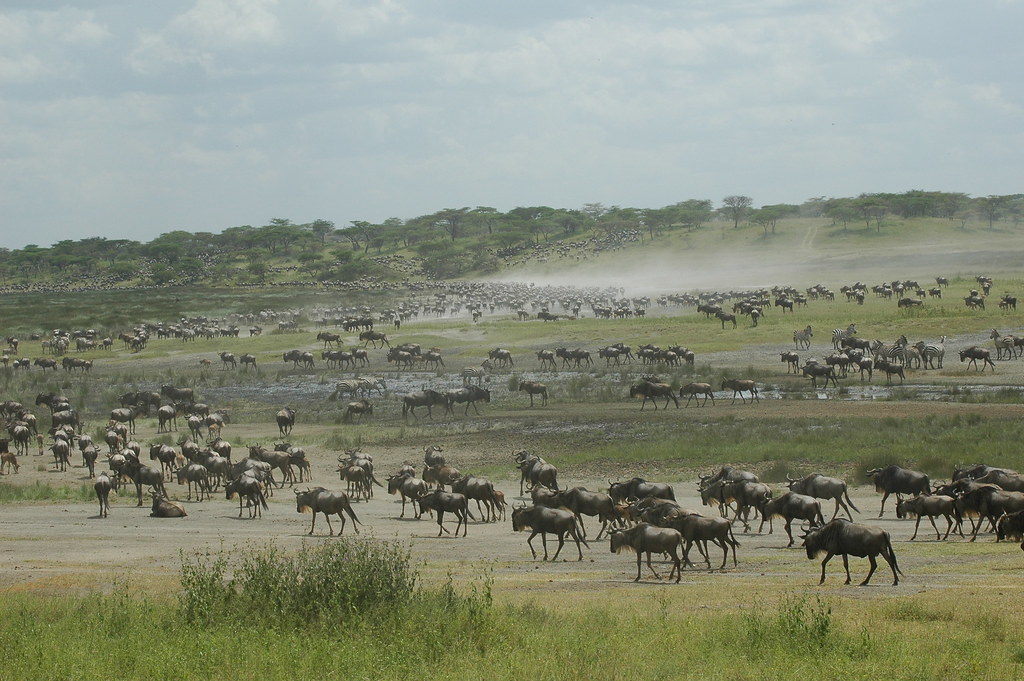
The wildebeest, zebras and gazelles move in a year-round loop through the Serengeti ecosystem, following rain and fresh grass. Tanzania National Parks puts the wildebeest alone at over 1.5 million. The herds calve on the southern plains early in the year, push through the centre and west around the middle of the year, and reach the Mara River in the north in the dry season.
Lions are the easiest big cat to find, especially around the Seronera Valley, where prides hold territories all year. Leopards favour the sausage trees and riverine woodland along the Seronera River. Cheetahs prefer the open plains of the south and east; UNESCO's figure for the park is about 225, so sightings are likely but never certain.
UNESCO lists about 2,700 elephants, 70,000 buffaloes and 4,000 giraffes in the ecosystem, plus hippos in the river pools. Black rhinos survive in small numbers and are rarely seen, so a Serengeti safari is a strong bet for four of the Big Five and a long shot for the fifth. Wild dogs are present but scarce.
More than 500 bird species have been recorded, TANAPA says, from ostriches and secretary birds on the plains to raptors over the kopjes. UNESCO notes that five of the species are found only in Tanzania and that the park's ostrich population is the largest in the country.
The best time to visit the Serengeti depends on where the herds are: January to March for calving on the southern plains, around June for the Grumeti River in the west, and July to October for Mara River crossings in the north. Resident wildlife around Seronera makes the park worth visiting in any month.
| Months | Herds usually in | What to expect |
|---|---|---|
| Jan to Mar | Southern plains | Calving, predators |
| Apr to May | Centre, moving west | Long rains, few visitors |
| Jun | Western Corridor | Grumeti crossings |
| Jul to Oct | Far north | Mara River crossings |
| Nov to Dec | East and centre | Short rains, herds heading south |
Rain moves every phase earlier or later from year to year, so treat the table as a guide. July to September is the busiest and most expensive period; April and May are the wettest months, with muddy tracks, lower lodge rates and green plains.
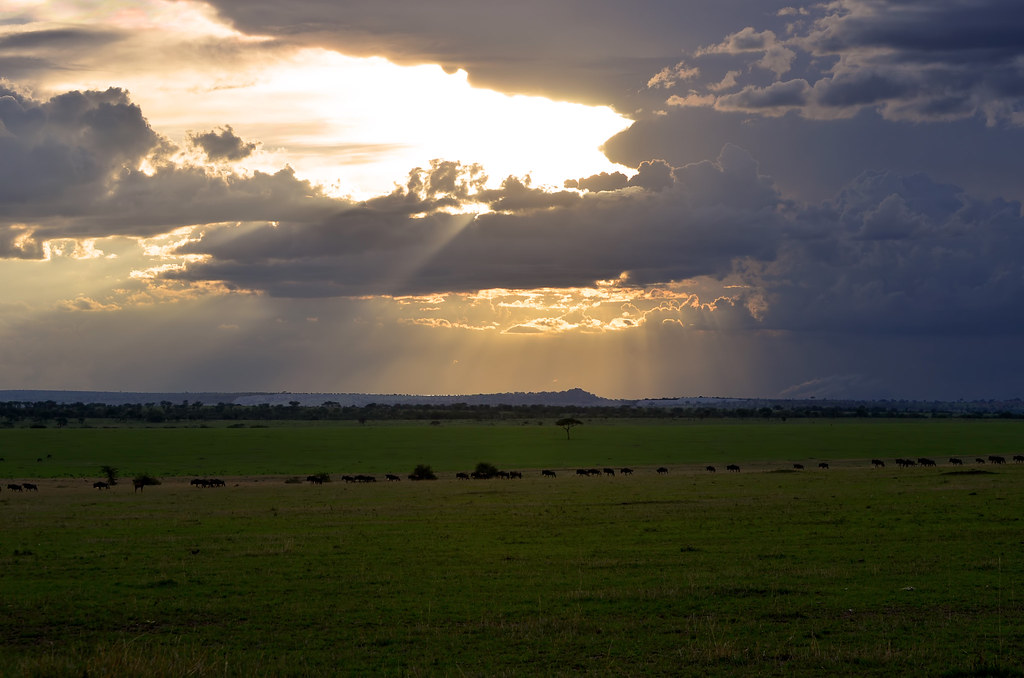
Game drives are the main safari activity in Serengeti National Park, and TANAPA also lists hot air balloon safaris, ranger-led walking safaris and bush meals. Night game drives do not appear on the park's tariff, unlike Tarangire and Lake Manyara, so plan on dawn and late afternoon drives.
A game drive is a slow drive along the park's tracks in a 4x4 with a pop-up roof, usually at first light and again from mid afternoon. Vehicles must stay on designated tracks and keep to speed limits, TANAPA's rules say, and guides must be certified.
Balloon safaris lift off at dawn for about an hour over the plains and end with a bush breakfast. Serengeti Balloon Safaris, the longest-running operator, has flown here since 1989. TANAPA charges a balloon safari fee of TZS 127,750, about USD 50, per person on top of the operator's own price, which you should confirm when booking.
Walking safaris are allowed with authorised rangers in set areas. The TANAPA tariff prices a short walk at TZS 51,100, about USD 20, and a long walk at TZS 63,875, about USD 25, per non-resident adult, plus a ranger fee of TZS 51,100 per group.
Lodges and camps set up hot bush lunches and sundowner drinks at approved sites inside the park. TANAPA adds a small fee of TZS 12,775, about USD 5, per person for each.

The main places to see in the Serengeti are the Seronera Valley in the centre, the Mara River in the north, the Grumeti River in the west and the granite kopjes of the south and east. Each sits in a different part of the park, and distances between them are long.
Seronera is the park's hub, with the main airstrip, the visitor centre and permanent water that holds lions and leopards all year. It is the best base for a first visit and the busiest part of the park.
The Mara is the only river that flows through the park all year, UNESCO notes, and the stretch around Kogatende is where the herds cross from about July to October. Crossings are sporadic, so three nights in the north give you several chances.
The Western Corridor runs toward Lake Victoria along the Grumeti River, where the herds gather around June. It sees far fewer vehicles than Seronera.
The kopjes are granite outcrops that rise from the plains and give lions and cheetahs a lookout. TANAPA's attractions list includes Maasai rock paintings, and the tariff sets a separate vehicle entry fee of TZS 25,550, about USD 10, for the Gol Kopjes area.
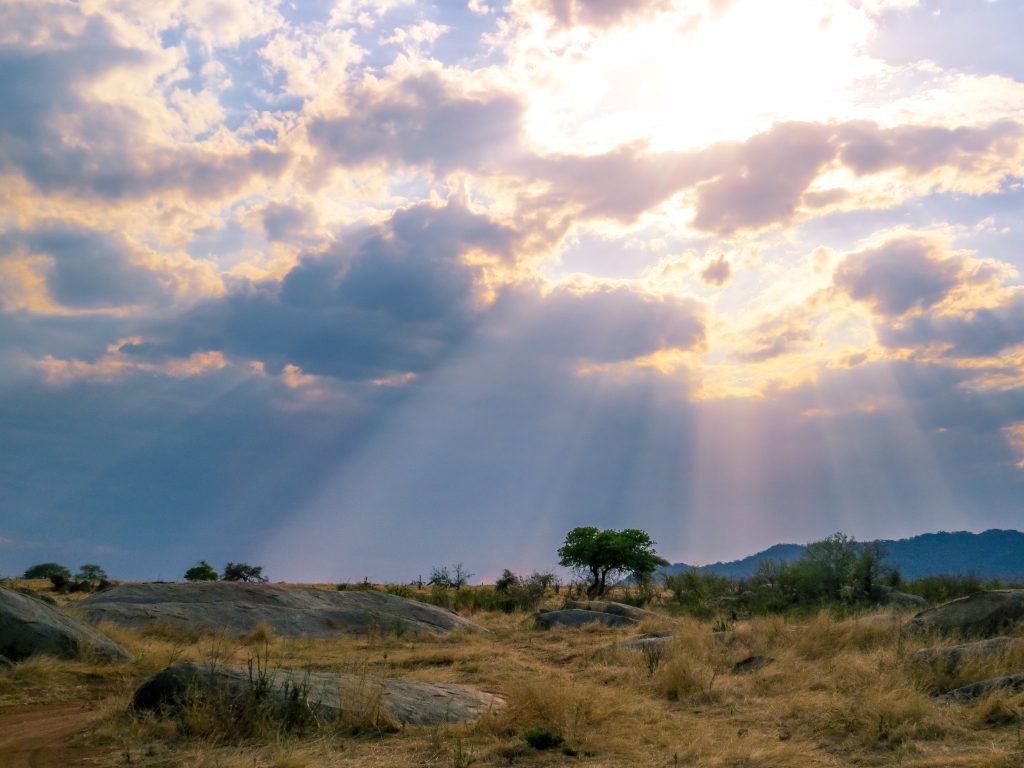
Serengeti National Park was established in 1951, TANAPA says, and inscribed as a UNESCO World Heritage Site in 1981. It covers 14,763 square kilometres and is managed by Tanzania National Parks under the National Parks Ordinance.
The park is the core of a larger ecosystem defined by the migration's range. UNESCO lists its neighbours as the Ngorongoro Conservation Area, the Maswa, Grumeti and Ikorongo game reserves, the Loliondo area and Kenya's Masai Mara National Reserve, with no barriers between them. The name is commonly traced to a Maasai word for endless plains.
The Serengeti is far larger than its neighbours and hosts the migration for most of the year, while Kenya's Masai Mara sees the herds mainly from about August to October and the Ngorongoro Crater has no migration at all. That size is its strength and its cost: more variety and space, but longer drives.
| Feature | Serengeti | Masai Mara | Ngorongoro |
|---|---|---|---|
| Area | 14,763 sq km | 1,672 sq km | Crater floor |
| Migration | Most of the year | About Aug to Oct | None |
| Calving | Yes, in the south | No | No |
| Rhino odds | Low | Low | Better |
The Mara's area above is UNESCO's figure. Travellers with three days and a tight budget often find the Mara or Tarangire easier; those who want the calving season, the Grumeti or quiet corners need the Serengeti.
Serengeti National Park is in north-western Tanzania, between the Ngorongoro highlands and Lake Victoria, with its northern edge on the Kenyan border. UNESCO places it across the Mara, Arusha and Shinyanga areas, and Arusha, the safari capital of the north, is the usual starting point.
The Ngorongoro Conservation Area borders it to the south-east, so most road safaris cross Ngorongoro to enter at Naabi Hill. Kenya's Masai Mara lies directly north, but there is no tourist border crossing between the two inside the parks.
You can reach the Serengeti by road from Arusha in 7 to 8 hours, TANAPA says, or by light aircraft to Seronera and the park's other airstrips. Most trips drive in through the northern circuit parks and many fly out to save a day.
The road runs west from Arusha past Lake Manyara and Karatu, then through the Ngorongoro Conservation Area to the park. Vehicles crossing Ngorongoro pay that authority's fees as well, so ask your operator how the transit is priced. Breaking the drive at Tarangire, Manyara or the crater turns one long day into a circuit.
Regular flights link Arusha with Seronera airstrip, TANAPA says, and light aircraft operators such as Coastal Aviation also serve airstrips in the north, west and south. Small planes limit luggage, often to about 15 kg in soft bags, so check before you pack.
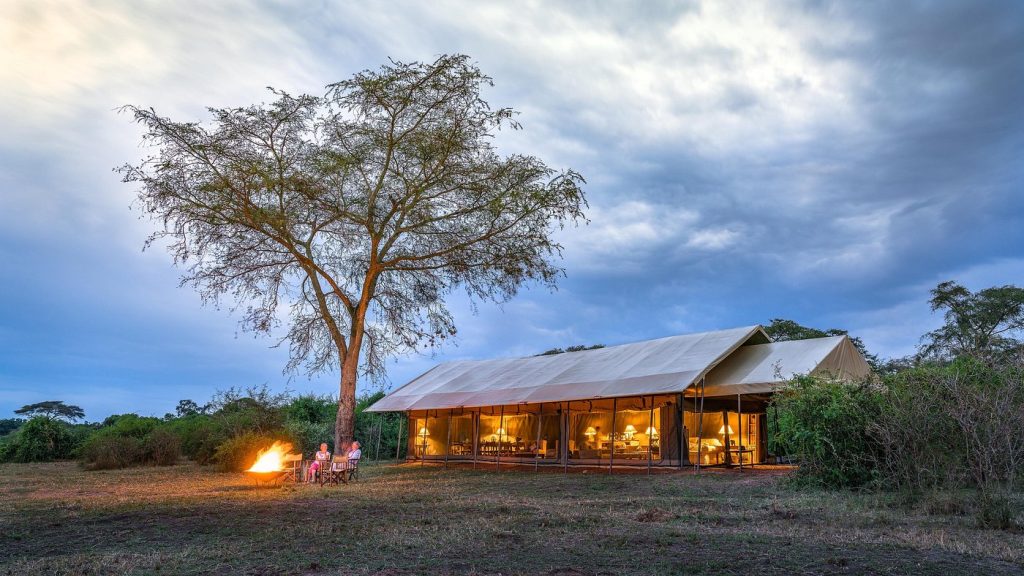
Where you stay in the Serengeti should follow the herds: the centre around Seronera works all year, the north suits July to October, and the south suits January to March. Options run from TANAPA's public campsites to private-concession lodges.
The centre has the widest choice and the shortest drives to resident game. Serengeti Serena Safari Lodge, on a ridge above the plains, has 65 rooms and a suite in stone and thatch buildings, according to its own site.
Elewana Serengeti Migration Camp publishes full board rates of USD 584 to 1,081 per person sharing, depending on season. Singita's lodges on the private Grumeti reserves and at Lamai run from USD 2,210 to 3,525 per adult sharing. Both leave out park and concession fees.
Seasonal tented camps move to the southern plains for the calving months and north for the crossings. Ask which location a mobile camp will occupy on your dates before booking.
Public campsites cost TZS 76,650, about USD 30, per non-resident adult per night, and special campsites TZS 153,300, about USD 60, from July to September. TANAPA's rest house costs TZS 76,650 per person and its hostel TZS 25,550.
Park entry to Serengeti National Park costs TZS 178,850, about USD 70, per non-resident adult per day on the current TANAPA tariff, in the high entry season from 16 May to 14 March. Children aged 5 to 15 pay TZS 51,100, about USD 20, and under fives enter free.
| TANAPA fee | Non-resident | About |
|---|---|---|
| Entry, adult | TZS 178,850 | USD 70 |
| Entry, child 5 to 15 | TZS 51,100 | USD 20 |
| Concession, per night | TZS 153,300 | USD 60 |
| Public campsite | TZS 76,650 | USD 30 |
| Balloon safari fee | TZS 127,750 | USD 50 |
The concession fee applies per adult per night to guests of lodges and permanent camps inside the park, and the figure shown is the July to September rate. Foreign-registered vehicles up to 2,000 kg pay TZS 102,200 a day.
Two points need checking with your operator. TANAPA's tariff page says fees include 18 percent VAT where applicable, yet many operators quote USD 82.60 for Serengeti entry, which is USD 70 plus VAT, so ask how your quote treats the tax. The tariff also lists a lower entry season from 15 March to 15 May, whose rate was not shown in the data we could read.
Yes, for most safari travellers: the Serengeti combines the migration, high predator numbers and big open country in a way no other East African park matches. It is less suited to short, low-budget trips, because the fees are the highest of Tanzania's national parks and the drive in is long.
To test that against traveller reports, we read 32 Reddit threads on northern Tanzania safaris posted over roughly the last four years; several replies came from people who work in the safari trade, so we leaned on travellers describing their own trips. In a thread asking whether 4 nights in the Serengeti is too many for August, all 6 replies we read said no, and 1 traveller just back had seen 3 river crossings. In a second thread on skipping the park, 3 travellers who had done the whole northern circuit said the Serengeti gave them the most wildlife.
The complaints were about effort, not animals. One long post described safari fatigue setting in around day four or five of a packed itinerary, and another traveller warned that basic camping on a group tour was rougher on the second night than the first. A November visitor reported rain once, for about an hour, with fewer vehicles and lower prices.
Three days is the minimum for a Serengeti safari from Arusha, four days by air gives the best ratio of game time to travel, and six days covers the full northern circuit by road. All three assume a start and end in Arusha.
Day one drives from Arusha through Ngorongoro to the central Serengeti, 7 to 8 hours with game viewing on the way in. Day two is a full day around Seronera. Day three is a morning drive, then the long road back.
Fly from Arusha to the airstrip nearest the herds for your month, spend three nights on shared or private game drives, and fly back on day four. This suits July to October in the north, which is a very long drive from Arusha.
Day one is Tarangire. Day two continues to Lake Manyara or Karatu. Days three and four are the Serengeti, day five the Ngorongoro Crater, and day six returns to Arusha.
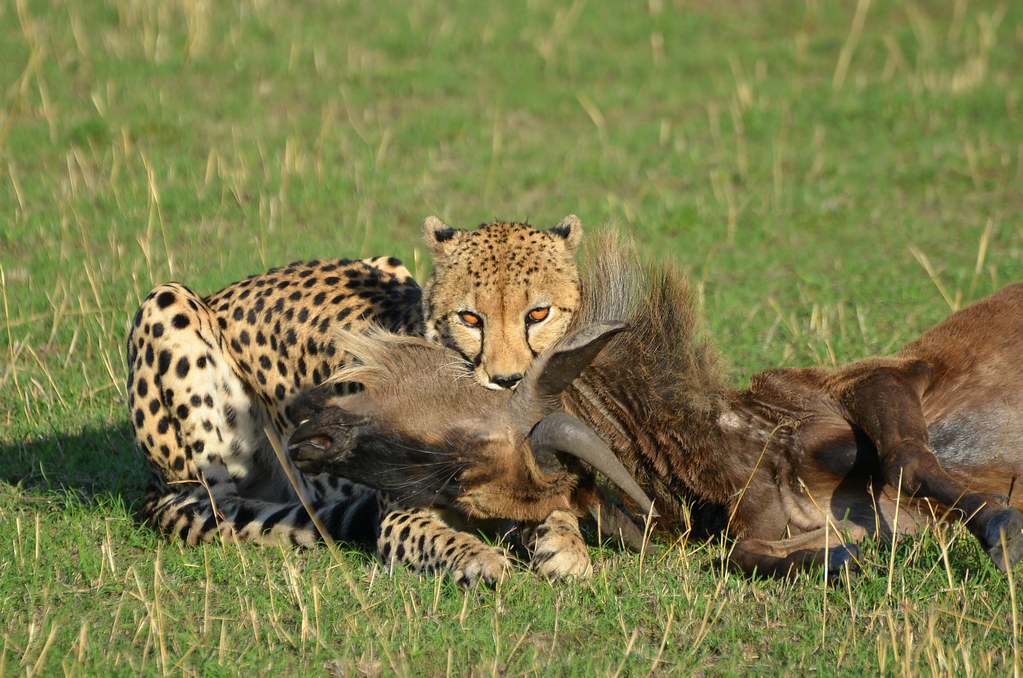
Serengeti National Park is famous for the Great Migration of about two million wildebeest with zebras and gazelles, and for its lions, leopards and cheetahs. UNESCO calls the migration one of the most impressive natural events in the world.
Plan at least three nights in the Serengeti. The park is 7 to 8 hours from Arusha by road and its regions are far apart, so shorter stays spend most of their time travelling.
The Serengeti entry fee is TZS 178,850, about USD 70, per non-resident adult per day on the current TANAPA tariff. Guests of lodges inside the park also pay a concession fee of about USD 60 per night in the July to September high season.
You can see lions, leopards, elephants and buffaloes in the Serengeti with good odds. Black rhinos are present in small numbers and rarely seen, so the nearby Ngorongoro Crater is the better place to look for them.
Serengeti National Park is in Tanzania. The same ecosystem continues north into Kenya as the Masai Mara National Reserve, and the migrating herds move between the two.
Visits with a licensed guide are generally safe, and TANAPA advises travelling with a guide or tour operator and staying in the vehicle except at designated points. Check your government's current travel advice for Tanzania before you book.
Insight Safari Holidays plans Serengeti safaris as part of its East Africa trips, arranging the park, lodges and flights for the month you travel, and can combine them with a gorilla trek in Uganda, where it runs its own vehicles and guides. Send your dates and the team will suggest which part of the Serengeti to base in.