
Inquire Now
Uganda gorilla trekking safaris in Bwindi Impenetrable and Mgahinga: how permits work, Bwindi's four sectors, trek day, the Rushaga habituation experience, the rules and the best months. Secure your permit through us.
Gorilla trekking in Uganda takes place in Bwindi Impenetrable National Park and Mgahinga Gorilla National Park, where small groups hike into the forest to spend one hour with a habituated mountain gorilla family. A permit costs USD 800 for foreign visitors, or USD 600 in April, May and November, and must be booked through a licensed Ugandan tour operator.
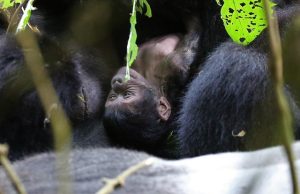 3 Days
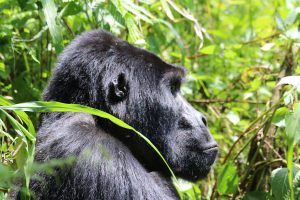 3 Days
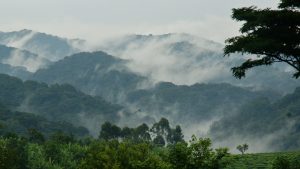 3 Days
Prefer your own dates and lodges? Ask for a tailor-made quote.

3 day gorilla tracking in Bwindi Impenetrable Forest National Park.
Safari Details
4 day gorilla tracking and habituation in Bwindi Impenetrable Forest National Park.
Safari Details
Participate in Gorilla tracking in the Bwindi, chimp trekking in the Kyambura Gorge, game drive in the Murchison and Queen Elizabeth.
Safari Details
Spend more time with the mountain gorillas of Uganda! Best gorilla safari tour.
Safari Details
Luxury gorilla trekking in Uganda, best primate safari tour.
Safari Details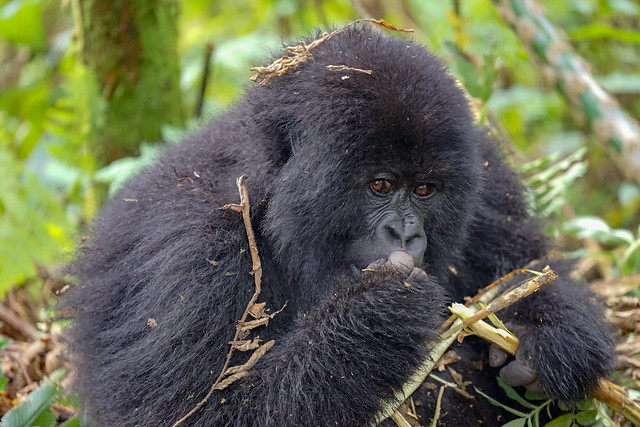
Double gorilla watching in Uganda, Bwindi Impenetrable Forest National Park.
Safari Details
Combine your gorilla adventure trek with visits to other wild animals.
Safari Details
4 days safari in Uganda to see the primates, gorillas, chimps and monkey variants.
Safari Details
See the tree climbing lions, the mountain gorillas and other wildlife animals in Uganda.
Safari Details
Visit East Africa with a safari to Masai Mara in Kenya, gorilla trekking in Uganda, a pure adventure safari in Africa.
Safari Details
A week long trip to see the very best of Uganda attractions.
Safari Details
Visit the top tourist destinations of Uganda, gorilla trekking, animal sightseeing in the wild and so much more.
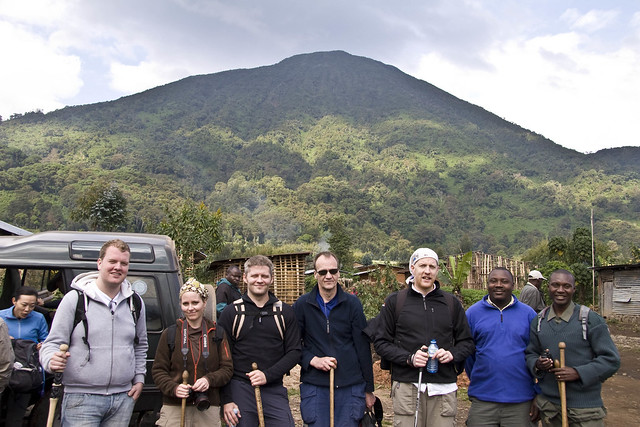
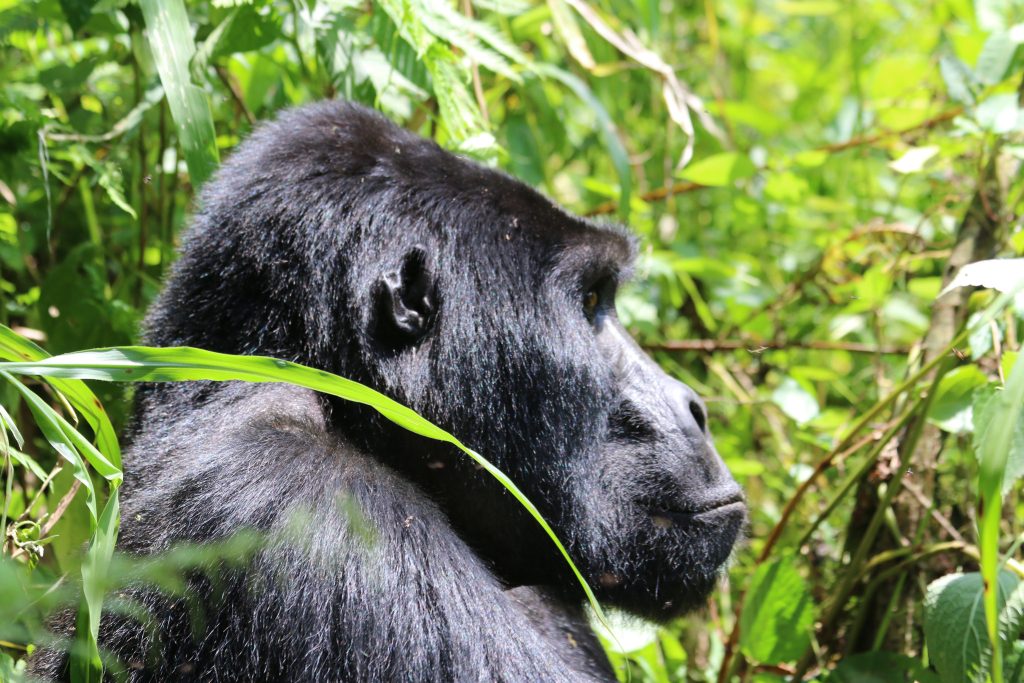
Safari DetailsMountain gorilla trekking in Uganda is a guided hike, on foot, to find one of the gorilla families that the Uganda Wildlife Authority has habituated to calm human visits over several years. Rangers and trackers locate the family each morning, a group of up to eight visitors follows them in, and once you reach the gorillas the clock starts on a single hour in their company.
Habituation is what makes this possible. Wild gorillas flee or charge strangers; habituated families tolerate a quiet group at about 10 metres. Bwindi's first family opened to tourism in April 1993, and UWA now counts 25 habituated groups in the park.
The trek itself can be short or long. It depends on where the family slept the night before, not on the sector's reputation, so two trekkers in the same sector on the same morning can walk very different distances.
Uganda's gorillas are trekked in five places: the four sectors of Bwindi Impenetrable National Park, which are Buhoma, Ruhija, Rushaga and Nkuringo, and Mgahinga Gorilla National Park. Your permit names the sector, so the choice decides your lodge, your drive and often your terrain.
Buhoma is the park headquarters and the original gorilla trekking sector, with the widest choice of lodges a short walk from the briefing point. UWA routes most Kampala traffic here through Kabale and Kanungu, a drive of roughly 11 hours, or via the Kihihi airstrip by air.
Ruhija is the highest gorilla trekking sector, a ridge-top base around 2,300 metres where mornings are cold and the trails often start with a steep descent. It suits travellers who want quieter lodges and birders who plan to walk to Mubwindi Swamp.
Rushaga holds several habituated families and is the only place in Uganda for the gorilla habituation experience. Most visitors stay in Rushaga itself or overnight in Kisoro, about 80 km from Kabale.
Nkuringo sits on a ridge facing the Virunga volcanoes, and its treks are known for a steep descent into the forest and a long climb out. Kabale to Nkuringo is about 105 km, roughly four hours on mountain murram, UWA says.
Mgahinga, on the Ugandan slopes of the Virunga volcanoes near Kisoro, has one habituated family, Nyakagezi, and the same USD 800 permit. Trekkers here walk through bamboo and montane forest rather than Bwindi's tangled lowland growth, and can add golden monkey tracking in the same park.
A Uganda gorilla permit costs USD 800 for a foreign non-resident and USD 700 for a foreign resident on the current UWA tariff, with low season rates of USD 600 and USD 500 in April, May and November. Foreign non-residents can book permits only through a licensed tour operator listed by the Uganda Tourism Board.
| Permit | Foreign visitor | Low season |
|---|---|---|
| Gorilla trekking | USD 800 | USD 600 |
| Foreign resident | USD 700 | USD 500 |
| Rest of Africa | USD 500 | No change |
| Habituation | USD 1,500 | USD 1,800 from January |
The permit covers the ranger guide, park entry for the day and a community development contribution, the UWA tariff says. It also gives one free day's entry to Mount Elgon National Park or Toro Semliki Wildlife Reserve within a month of the trek, though not their activity fees.
What it does not cover is everything around it: the drive or flight to the park and the lodges, plus a porter at about USD 15 to 20 and tips for the guide and trackers. A realistic three or four day trip built around one trek runs well above the permit price, because Bwindi is 512 km from Kampala by road.
Trek day starts with a ranger briefing at the sector office around 7:30 to 8am, then a walk of anything from under an hour to most of the day before the one hour with the family. The return usually follows the same route, and certificates are handed out back at the office.
Families assigned on the morning are matched loosely to fitness, so tell the rangers at the briefing if anyone in your group needs an easier walk. They cannot promise a short trek, because gorillas move.
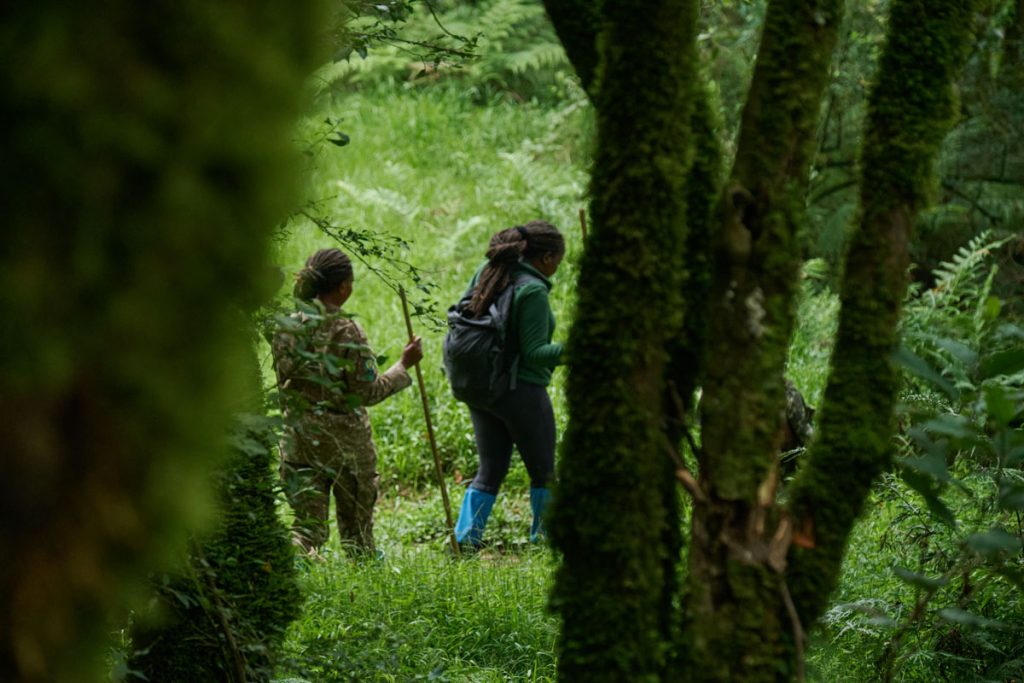
The gorilla habituation experience gives up to four people four hours with a family still being habituated in Bwindi's Rushaga sector, instead of the standard one hour. It costs USD 1,500 per foreign visitor on the current tariff, rising to USD 1,800 under the UWA tariff that starts in January.
The day is longer and wilder, because these gorillas are less used to people and the group follows researchers rather than a set route. It suits photographers and anyone returning for a second trek; first timers usually get what they came for in the standard hour.
A Uganda gorilla trek is a moderate to hard hike: steep, muddy forest at 1,200 to 2,600 metres, and a walk that can last anywhere from about one hour to six or more depending on where the family is. Anyone who can walk uphill for a couple of hours with rests can do it, especially with a porter.
The minimum age is 15. There is no upper limit, and travellers in their seventies and eighties trek every month with porters, walking sticks and a slow pace. Sedan chairs carried by local teams are offered in several sectors for those who cannot walk the distance; book them through your operator in advance.
Altitude matters most in Ruhija and Mgahinga, while Nkuringo's long climb out is the most common complaint. Hire a porter even if you are fit. The fee goes to a local family, and on a muddy slope a steadying hand is worth more than the money.
UWA's gorilla tracking rules exist to protect the gorillas from human illness and stress, and rangers enforce them on every trek. The key ones are on your permit's reverse.
If a silverback charges, crouch, look down and stay still; the ranger will manage the moment, and most charges stop well short.
Wear long trousers, a long sleeved top and waterproof hiking boots, and carry a rain jacket, whatever the season. Bwindi's undergrowth includes stinging nettles and thorny vines, and rain can fall in any month.
Rangers hand out walking sticks at the sector offices, and porters carry your daypack, so pack it for the full day rather than the hour with the gorillas.
The best time to trek Uganda's gorillas is the dry seasons from June to August and December to February, UWA advises, when trails are firmer and the forest is easier to walk. Treks run every day of the year, and the gorillas stay in the same forest in every season.
Firmer paths and clearer mornings make these the busiest months, so permits and lodges near Buhoma and Rushaga book out early. Rain still falls in Bwindi in the dry season, just less often.
The wet months bring muddier, slower treks and afternoon downpours. April, May and November carry the USD 600 low season permit, which saves USD 200 per person, and lodges are quieter.
Stay in the sector named on your permit, because briefings start early and the drive between sectors can take three to four hours on mountain roads. Each sector has lodges from budget to luxury close to its office.
Uganda costs USD 700 less per permit than Rwanda and offers more sectors and the habituation experience, while Rwanda's Volcanoes National Park is a short drive from Kigali. Most travellers choose Uganda on price and range, and Rwanda when time is shorter than budget.
| Factor | Uganda | Rwanda |
|---|---|---|
| Permit | USD 800 | USD 1,500 |
| Parks | Bwindi, Mgahinga | Volcanoes |
| Habituation | Rushaga | Not offered |
| From airport | Long drive or flight | Short drive from Kigali |
Uganda's longer drive is the trade off for its lower permit, though domestic flights to the Kihihi and Kisoro airstrips cut most of the road time at extra cost. Uganda also adds chimpanzees in Kibale and savannah parks on the same trip, which Rwanda cannot match at scale.
Gorilla trekkers who post about Bwindi and the neighbouring Virungas report that difficulty is a lottery, that the gorillas often come closer than the rules allow, and that small kit choices matter. This section is drawn from 8 first-hand trip reports posted on Reddit, two from Bwindi and six from the Virunga side in Rwanda, so treat it as a small sample.
The difficulty point came up again and again. One trekker who asked for a medium trek reached the family in about 45 minutes; the next day an "easy" assignment turned into a medium one. The same report described two families at one lodge who both asked for medium treks: one was back around 12:15 and smiling, the other returned after 2:30 having crawled under brambles, and one of them was carried down by porters in a chair after hurting a knee.
Closeness surprised people. Two reports described gorillas walking well inside the distance rule, including a young gorilla grabbing a trekker's leg and a silverback brushing past. One traveller felt a ranger nudged the group closer than the limit, which is worth knowing: you can step back, and the rule is there for the gorillas' health.
The habituation trek drew the warmest account. A trekker in Rushaga described a group of only four guests, a family found quickly, and four hours of watching an infant wrestle her brother until the silverback moved the family on.
Kit notes were practical. Two reports said lodges lent gaiters, gloves and raincoats, and one group spent ten minutes beating off biting ants they had stood in while watching the family, so tuck trousers into socks and watch where the ranger stands.
A gorilla trekking permit in Uganda costs USD 800 for foreign non-residents, or USD 600 in April, May and November, on the Uganda Wildlife Authority tariff. A full three or four day trip with transport, lodges, a porter and tips costs considerably more, mostly because of the distance to Bwindi.
Trekking with Uganda's gorillas is safe in the company of armed UWA rangers, who lead every group and manage the gorillas' behaviour. The habituated families are used to visitors, and the main risks are slips and falls on steep, muddy trails, which a porter and good boots reduce.
A gorilla trek in Uganda takes from about one hour to six or more hours in total, plus the one hour with the family. The time depends on where the gorillas moved overnight, so plan a full day and pack lunch even if you hope for a short walk.
No, the minimum age for gorilla trekking in Uganda is 15 years, set by UWA. Families with younger children often split the day, with one parent trekking while the other joins a community walk or a lodge activity nearby.
Trackers locate the habituated families before most groups set off, so missing them is rare. If a family cannot be reached, ask your operator about UWA's policy on that day; terms are set by the authority and handled through the operator who booked the permit.
For most travellers, yes: the hour with a gorilla family is the reason many people visit Uganda, and the permit is USD 700 cheaper than Rwanda's. It is less worth it for anyone unable to manage a long, muddy hike, though porters and sedan chairs widen who can go.
Insight Safari Holidays plans gorilla trekking safaris in Uganda with its own vehicles and Ugandan guides, from booking the UWA permit in the sector that suits you to the lodge, the drive and the porter on the day. Send your dates and the team will check permit availability first.