Gorilla Trekking vs. Habituation, What is Best For Photography Safari
The gorilla habituation experience is the better option for capturing natural gorilla behavior in their habitat. The main reason for this is that the mountain gorilla habituation experience provides more time with the gorillas and allows you to observe them in a more relaxed, natural state. During gorilla habituation, visitors spend up to four hours with the gorillas, compared to just one hour during standard gorilla trekking. This extended time frame gives you a deeper and more intimate look at how gorillas interact, play, groom each other, feed, and generally go about their daily life.
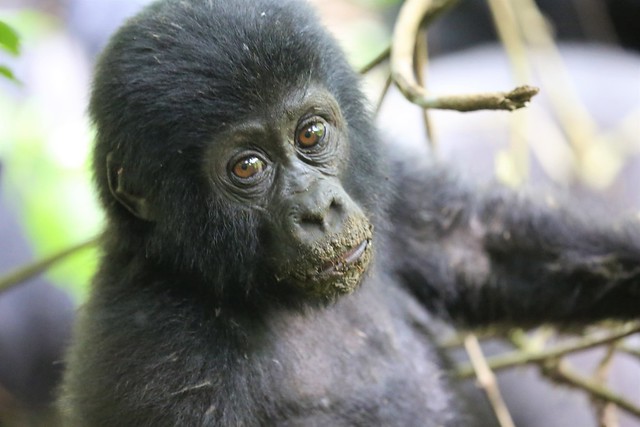
The gorilla habituation process is where wild gorillas are gradually introduced to human presence, helping them get used to people over time. Because the gorillas are still in the process of becoming comfortable with humans, you’ll get to see their raw, unscripted behaviors. For instance, a mother gorilla might nurse her baby, young gorillas might chase each other in play, or a silverback (the dominant male) might assert his leadership. These moments, which display the gorillas’ personalities and social interactions, are precious opportunities for photography.
In contrast, gorilla trekking often involves visiting a fully habituated gorilla group, which may be more predictable in terms of behavior as they are already accustomed to human observers. While the Uganda gorilla trekking experience is still wonderful, the shorter timeline (one hour with the gorillas) may limit your chances of capturing more dynamic or diverse behaviors.
Of course, the gorilla habituation experience comes with its own challenges, it requires patience and perhaps greater physical effort since you’ll be spending more time in the forest. But for photographers wanting to capture a wide range of authentic gorilla behaviors, the extra time is worth it.
In summary, the mountain gorilla habituation experience is better suited for those focused on photographing natural behavior due to the extended observation time and the chance to see gorillas act in less predictable, more personal ways.
What is the difference between gorilla trekking and gorilla habituation?
Gorilla trekking and the gorilla habituation experience are two unique activities that allow you to encounter mountain gorillas in their natural habitat, yet they differ significantly in purpose and duration. Gorilla trekking resembles a guided hike through the forest to locate a group of wild mountain gorillas that have already been habituated to human presence. These gorilla families have undergone a long process of getting used to humans, making them comfortable being observed up close without feeling threatened. On a typical trekking day, you hike with a guide, find the gorillas, and spend one magical hour observing their daily activities such as eating, grooming, or caring for their babies.
Conversely, the gorilla habituation process is a more specialized activity where you actively participate with researchers and conservation workers to help habituate a wild gorilla group. This process involves gradually introducing the gorillas to human presence and assisting them in learning to trust humans. You’ll follow the researchers and spend more time with the gorillas, often up to four hours, as the goal is to make the gorillas comfortable seeing humans for longer periods in the future.
In essence, trekking is akin to a safari-like adventure to see gorillas already accustomed to humans, while the habituation experience allows you to engage in the behind-the-scenes process of preparing wild gorillas for human interaction. It’s important to note that trekking is more common and widely available, whereas the gorilla habituation experience is offered in fewer locations and is regarded as a more exclusive adventure.
Which activity, trekking or habituation, offers more time with the gorillas?
The gorilla habituation experience offers significantly more time to spend with the gorillas compared to a typical gorilla trek. During a standard gorilla trekking excursion, participants are allowed only one hour to observe and photograph the gorillas after locating them. This time limit is strictly enforced to minimize stress on the animals and to leave them undisturbed for most of their day. Even though one hour might feel short, it’s often enough to see them interacting, feeding, or resting, providing trekkers with a memorable encounter.
In contrast, the gorilla habituation experience allows you up to four hours with the gorillas. This extended timeframe is due to the gorilla habituation process, which is part of a scientific effort where researchers train the gorillas to feel safe around humans. As a participant in this habituation trek, you become part of the team, allowing the gorillas to expect human presence and reducing their likelihood of being startled. This extra time enables you to truly observe their personalities, behaviors, and relationships, such as a mother caring for her baby or juveniles playing.
For those prioritizing intimate interactions with gorillas, especially for photography or gaining deeper insights into their habits, the gorilla habituation experience is the clear choice. However, it is important to note that this option is more expensive and physically demanding, as it may require tracking and following the gorillas more extensively than during a standard trekking experience.
How close can photographers get to the gorillas during each activity?
Whether you’re embarking on a gorilla trekking experience or participating in a gorilla habituation experience, there is a general rule that you must stay at least 7 meters (around 23 feet) away from the gorillas at all times. This distance is designed to protect both the gorillas and the visitors. Gorillas are highly endangered, and one reason for this is their vulnerability to human diseases like colds or flu. Since they share around 98% of their DNA with humans, even a simple illness can pose a big risk to their health. The 7-meter rule ensures that humans don’t accidentally put them in danger and also allows the gorillas to feel safe without feeling overwhelmed or cornered.
That said, gorillas aren’t always aware of the 7-meter rule! While visitors are instructed to maintain their distance, sometimes gorillas might choose to come closer out of curiosity. For example, young gorillas, who are naturally playful and inquisitive, might approach the group out of sheer interest, but guides will help make sure no one touches or interacts with them. This applies during both the gorilla habituation trek and standard trekking.
For photographers, staying 7 meters away might feel like a challenge, but with a good zoom lens or camera equipment, you can still capture incredible photos. A longer lens will help you get detailed close-ups of their faces, fur, and expressions while adhering to the rules. Whether you’re on a gorilla trek or engaging in the habituation experience, following the distance rules is key to ensuring the gorillas remain comfortable and the experience is sustainable for future visitors.
Are there restrictions on photography during gorilla trekking or habituation?
Yes, there are restrictions on photography during both the gorilla trekking experience and the mountain gorilla habituation experience, primarily to protect the gorillas and ensure the experience is safe and enjoyable for everyone involved. These rules are in place because mountain gorillas are wild animals, and sudden disturbances, bright lights, or intrusive behavior can frighten them or interfere with their natural habits.
First, flash photography is strictly prohibited during both activities. This is because bright flashes can startle the gorillas, making them uncomfortable or even aggressive. Flash could also disrupt their natural behaviors or scare them away, which defeats the purpose of observing them. As a photographer, you’ll need to adjust your camera settings beforehand to ensure you can take clear pictures in the existing natural light, which is often dim due to the forests. For example, you might need to increase your ISO or use a lens suitable for low-light conditions.
Another important restriction is how close you can get to the gorillas. Typically, visitors are required to stay at least 7 meters (about 23 feet) away from the gorillas during both the gorilla trek and the habituation experience. This helps prevent the spread of diseases from humans to gorillas, as they share about 98% of their DNA with humans and can catch illnesses like colds or flu. Sticking to this distance also reduces stress on the gorillas.
Additionally, visitors are encouraged to remain calm and quiet. Sudden movements, loud noises, or shouting are not allowed as they could disturb the gorillas. Groups are also asked not to surround or corner gorillas, which could make the animals feel trapped or threatened.
Finally, you may be restricted in terms of equipment. While you can bring your camera, large and disruptive equipment like drones are often not allowed, as these can disturb the quiet forest environment or frighten the animals.
In summary, while photography is allowed during the mountain gorilla trekking and habituation experiences, there are specific restrictions to ensure the safety and comfort of the gorillas. By adhering to these rules, like turning off your flash, keeping a respectful distance, and maintaining a calm presence, you can capture incredible photos while respecting the gorillas and their habitat.
How many people are allowed in a group for gorilla trekking versus habituation?
The number of people allowed in a group differs significantly between gorilla trekking and habituation. For gorilla trekking, the group size is typically limited to a maximum of 8 people. This smaller group ensures that human impact on the gorillas’ environment and behavior is minimized, while still allowing for a manageable experience for park guides and trackers.
For gorilla habituation, the group size is even smaller, with only 4 participants allowed. This is because habituation is a more intimate and detailed experience, requiring quiet and close observation. The smaller group minimizes disruptions to the gorillas, which are still in the process of becoming accustomed to human presence. Fewer people also make it easier for the guides to manage the group and ensure that everyone follows the specific rules for interacting with less-habituated gorillas.
To illustrate this in practice, imagine you’re participating in gorilla habituation with three other photographers. Since the group is so small, it allows everyone ample opportunity to spread out and take unique angles of the gorillas without interfering with each other. By contrast, during trekking with 7 other people, you may have to share narrow viewing spots or be more mindful of other visitors when setting up your photo shots.
Smaller group sizes in both activities are also designed to protect the gorillas from excessive human exposure. Large crowds would increase the risk of stress for the animals or the spread of diseases. Therefore, these strict limits help conserve the gorillas’ natural environment while also improving the quality of the experience for visitors.
In conclusion, gorilla trekking allows up to 8 people per group, whereas habituation is restricted to just 4 people. For those looking for a more exclusive and immersive experience, as well as better photography opportunities, habituation’s smaller group size is ideal.
What is the level of physical effort required for each activity?
Both gorilla trekking and gorilla habituation require some level of physical effort, but the difficulty can vary depending on the activity, your personal fitness level, and the terrain of the region where you’re trekking.
Gorilla trekking typically involves hiking through forests, hills, and sometimes steep or rocky terrain for about 2-6 hours in search of an already habituated gorilla group (gorillas that are used to humans). The effort required depends on where the gorillas are located that day. If they’re closer to the starting point, the trek may be relatively short and less strenuous. However, if they’ve moved further into the forest, you might find yourself hiking longer and climbing steeper paths. It’s worth noting that these treks happen in tropical rainforests, which can be muddy, slippery, and humid, adding to the physical challenge. That said, porters are often available to help carry your gear, and you can take breaks if needed.
Gorilla habituation, on the other hand, tends to be a more physically demanding activity because it involves spending an extended amount of time deep in the forest – often up to 4 hours observing the gorillas, not including the hiking to and from their location. Since the habituation experience focuses on getting wild gorillas accustomed to human presence, these gorillas may be in less accessible and more remote areas of the forest compared to habituated gorillas. This can mean longer and more challenging hikes during the habituation activity.
For example, someone with moderate fitness might find a short gorilla trek quite manageable, but someone attempting gorilla habituation should prepare for a more intense day. Regular walks, cardio exercises, and practice hiking can make these activities easier and more enjoyable.
In summary, both activities require physical effort, but gorilla habituation is often the more challenging option due to its longer duration and the remote nature of the gorilla groups involved.
What permits are needed for gorilla trekking and habituation, and how do their costs compare?
To participate in either gorilla trekking vs habituation, you need specific permits granted by the wildlife authorities or national parks in the region you’re visiting. These permits not only give you access to the activity but also help fund conservation efforts to protect the endangered mountain gorillas and their habitats.
For a gorilla trekking experience, a gorilla trekking permit is required. The cost of this permit varies depending on the country you’re visiting. For example, for the mountain gorilla habituation experience, you need a gorilla habituation permit, which is more costly due to the longer amount of time you spend with the gorillas and the exclusive nature of the experience.
- In Uganda (Bwindi Impenetrable Forest and Mgahinga Gorilla National Park), a permit costs $700 per person.
- In Rwanda (Volcanoes National Park), the permit is much more expensive at $1,500 per person. This price difference is because Rwanda targets a more luxury-focused tourism market.
The higher price of the habituation permit reflects the fact that you get to spend up to four hours with a gorilla family, whereas a standard gorilla trek typically allows just one hour. This additional time is often considered worth it for people who desire a more in-depth experience and are willing to pay for it.
- In Uganda, for instance, a habituation permit costs $1,500 per person. As of now, gorilla habituation is primarily offered in Uganda, specifically in the southern part of Bwindi Impenetrable National Park.
It’s important to book your gorilla habituation experience permits well in advance because demand is high, and only a limited number of permits are issued per day. For example, gorilla trekking groups are usually capped at 8 people per trek, while just 4 people are allowed for a habituation trek, making permits harder to secure.
In summary, while gorilla trekking permits are more affordable, they offer less time with the gorillas. In contrast, habituation permits are pricier but come with a more exclusive and prolonged encounter, making them an unforgettable adventure for travelers.
Ultimately, whether you choose a normal gorilla trek or the more immersive mountain gorilla habituation experience, both options promise a memorable journey into the heart of the rainforest.
Are there differences in the type of gorilla groups encountered during trekking versus habituation?
Yes, there are key differences in the type of gorilla groups you’ll encounter during your gorilla trekking experience and the more immersive gorilla habituation experience. These differences arise from how the groups have been prepared for human contact and the purpose of each activity.
During gorilla trekking, you visit fully habituated gorilla groups. These families of gorillas have undergone years of careful habituation by researchers and park rangers to get used to the presence of humans. As a result, these gorillas no longer see humans as a threat, allowing you to come relatively close (about 7 meters or 21 feet) without becoming agitated. The behavior of these habituated groups is generally calm, relaxed, and predictable, making it easier for tourists to observe and photograph them. For example, you might see a silverback lounging, juveniles playing, or mothers caring for their babies.
In contrast, during the gorilla habituation trek, you interact with wild or semi-habituated gorilla groups. These gorillas are in the process of being habituated to human presence, which is a slow and careful process that can take 2-3 years. Consequently, these gorillas tend to be more cautious and wary of humans, resulting in behavior that may seem more natural or unpredictable. For instance, some gorillas may keep a greater distance, display curiosity, or even move away from the group. This makes the habituation experience feel more raw and authentic but also more challenging, as you are witnessing and helping with the process of preparing them for future trekking.
To summarize, while the gorilla trekking experience involves observing fully habituated and relaxed gorilla groups, the habituation experience allows you to interact with groups that are still adjusting to human presence. Both provide incredible insights into gorilla behavior but from very different perspectives!
How does the length of the experience impact the quality of photography opportunities?
The length of the experience directly impacts the quality of photography opportunities because more time allows for better chances to observe and capture unique interactions and behaviors of the gorillas in their natural habitat.
For example, during gorilla trekking, participants typically spend about one hour in close proximity to the gorillas after locating them. This is a relatively short window of time, meaning photographers need to work quickly to capture the best shots. They may have to move around to adjust their angles, lighting, and framing, which could limit how many high-quality photos they get, especially if the gorillas are feeding, resting, or moving frequently during that hour.
On the other hand, gorilla habituation extends the interaction time to about four hours, significantly increasing the likelihood of capturing incredible photos. The extra time gives photographers greater flexibility to observe the gorillas, anticipate their movements, and experiment with different camera settings. With four hours, the gorillas also tend to go through a wider range of behaviors, such as playing, foraging, grooming, or interacting with other group members, making it much easier to capture natural and dynamic shots.
More time also means photographers have a better chance to work around challenges like changing light conditions in dense forests or when gorillas move into shadowed areas. The ability to study the scene and the gorillas’ behavior without rushing leads to higher-quality and more thoughtfully composed photographs.
In summary, longer experiences, like in gorilla habituation, significantly improve photography opportunities because they allow for more patience, preparation, and chances to capture a wider variety of natural gorilla behavior, resulting in more impactful and memorable images.
What are the best times of day for each activity when considering lighting for photography?
The best times of day for gorilla trekking and habituation to ensure good lighting for photography are early morning and, in some cases, late morning.
Most gorilla trekking activities start early in the morning, usually around 7:00 AM or 8:00 AM. This timing not only allows adventurers to spot the gorillas while they are more active (such as during feeding and socializing) but also aligns with favorable natural lighting conditions. Early mornings are ideal because the sun is still low in the sky, creating softer, less harsh lighting compared to midday, when direct sunlight can create overexposed areas or deep shadows in your photos. The gentle morning light also produces less contrast, making details like the texture of the gorilla’s fur easier to capture.
Similarly, gorilla habituation activities also start in the morning, as participants typically spend around four hours with the gorillas. By carefully using the midday light and the extended time frame, photographers can adapt to sunlight filtering through the dense forests to capture more balanced shots.
However, photographers need to beware of challenges like low light in thick forested areas, shadow patches from overhead trees, or unexpected weather changes, including fog or rain. To counter this, using cameras with adjustable ISO settings or lenses with wider apertures can help in low-light conditions.
In contrast, late afternoon is often avoided for both activities, as tropical forests tend to get darker earlier due to their dense vegetation, which can make photography difficult. Additionally, cloud cover later in the day can reduce visibility and natural light.
In essence, morning is the best time for both gorilla trekking and habituation, as it provides soft, balanced lighting that works well for capturing sharp, vibrant, and well-lit photos of the gorillas in their natural environment.
Which destinations or national parks are ideal for gorilla photography, and do they offer both options?
There are three key destinations in Africa that are ideal for gorilla photography: Bwindi Impenetrable National Park (Uganda), Volcanoes National Park (Rwanda), and Virunga National Park (Democratic Republic of Congo). Each offers unique opportunities to photograph mountain gorillas, and some parks provide options for both gorilla trekking and the unforgettable mountain gorilla habituation experience.
1. Bwindi Impenetrable National Park (Uganda)
Bwindi is world-famous for its population of mountain gorillas and is considered one of the best places for gorilla trekking experiences. Unique to this park is the opportunity to participate in the mountain gorilla habituation experience, which allows visitors to spend up to four hours with a gorilla group undergoing a habituation process, making them accustomed to human presence. With both trekking and the gorilla habituation experience options available, Bwindi is perfect for photographers seeking versatility. The lush, dense forests with misty weather also create dramatic backdrops for compelling photography.
2. Volcanoes National Park (Rwanda)
Rwanda’s Volcanoes National Park offers premium gorilla trekking experiences. While it does not currently provide a mountain gorilla habituation experience, its trekking groups grant intimate access to habituated gorillas that are accustomed to human presence. The park is particularly popular due to its relatively easier terrain, making it advantageous for travelers, especially photographers who wish to avoid physically strenuous journeys while carrying camera equipment. Additionally, the striking volcanic scenery enhances the beauty of the photography.
3. Virunga National Park (DRC)
Virunga National Park is one of Africa’s oldest and most biologically diverse reserves. It is a lesser-known but equally stunning location for gorilla trekking. While habituation isn’t formally offered as in Uganda, the park provides incredible opportunities to photograph gorillas in a pristine environment with fewer tourists compared to other destinations, making it appealing to photographers seeking exclusive experiences.
In general, Bwindi Impenetrable National Park stands out as the best choice for photographers due to the availability of both trekking and habituation activities. Each park, however, has distinct advantages, so the decision often depends on whether a photographer prioritizes extended time (Bwindi), ease of trekking (Volcanoes), or exclusiveness (Virunga).