A fly-in safari to the far west of Tanzania that pairs big-game Katavi with chimpanzee trekking in the Mahale Mountains, using the shared light-aircraft flights from Arusha.

Inquire Now
Inquire Now

An 8-day fly-in safari to western Tanzania: three nights in remote Katavi National Park for buffalo, hippos and lions, then four nights on the Lake Tanganyika shore tracking chimpanzees in the Mahale Mountains.
A fly-in safari to the far west of Tanzania that pairs big-game Katavi with chimpanzee trekking in the Mahale Mountains, using the shared light-aircraft flights from Arusha.
Katavi and Mahale sit side by side in the remote west, and the shared flights that link them run only twice a week, which sets the shape of this trip: three nights of big game on open floodplains, then four on the lake with the chimpanzees. Few vehicles, no crowds and a beach camp make it a strong choice for travellers who have seen the northern parks and want something wilder.
Our team collects you from your Arusha hotel for the short drive to Arusha Airport, where the shared light aircraft to western Tanzania leaves at around 8 am. These scheduled charters run on Mondays and Thursdays, so the trip is built around those days. The plane stops to refuel at Tabora, then crosses hundreds of kilometres of miombo woodland with hardly a road in sight before landing on the grass strip in Katavi. Katavi covers about 4,471 square kilometres, making it the third largest national park in Tanzania, yet it sees very few visitors. Our guide from the camp meets you at the airstrip and drives you through the Katisunga plain, where buffalo and topi often graze close to the track. After lunch and a rest in your tent, the afternoon game drive follows the Katuma River, the lifeline of the park in the dry months. Sundowners on the plain, then dinner and overnight at Chada Katavi or Katavi Wildlife Camp.
Two full days are given to Katavi. Mornings start with coffee by the fire and a game drive out across the floodplains while the light is soft. As the dry season goes on, the Katuma River shrinks to a chain of muddy pools, and hundreds of hippos crowd into the remaining water; it is one of the densest gatherings of hippos in Africa, and the noise of their quarrels carries for kilometres. Buffalo herds here can number in the hundreds, and lions follow them, so a kill is a real possibility. Elephant, giraffe, zebra, eland, roan and sable antelope, crocodiles and large flocks of storks and pelicans fill the rest of the day. With a ranger and the camp guide, you can also go out on foot for two to three hours, reading tracks and moving across the plains quietly. Lunch is often a picnic under a tamarind tree, and the afternoons stay quiet in camp before a late game drive until dusk. Because so few vehicles drive here, sightings are rarely shared. Dinner and overnight at your Katavi camp each night.
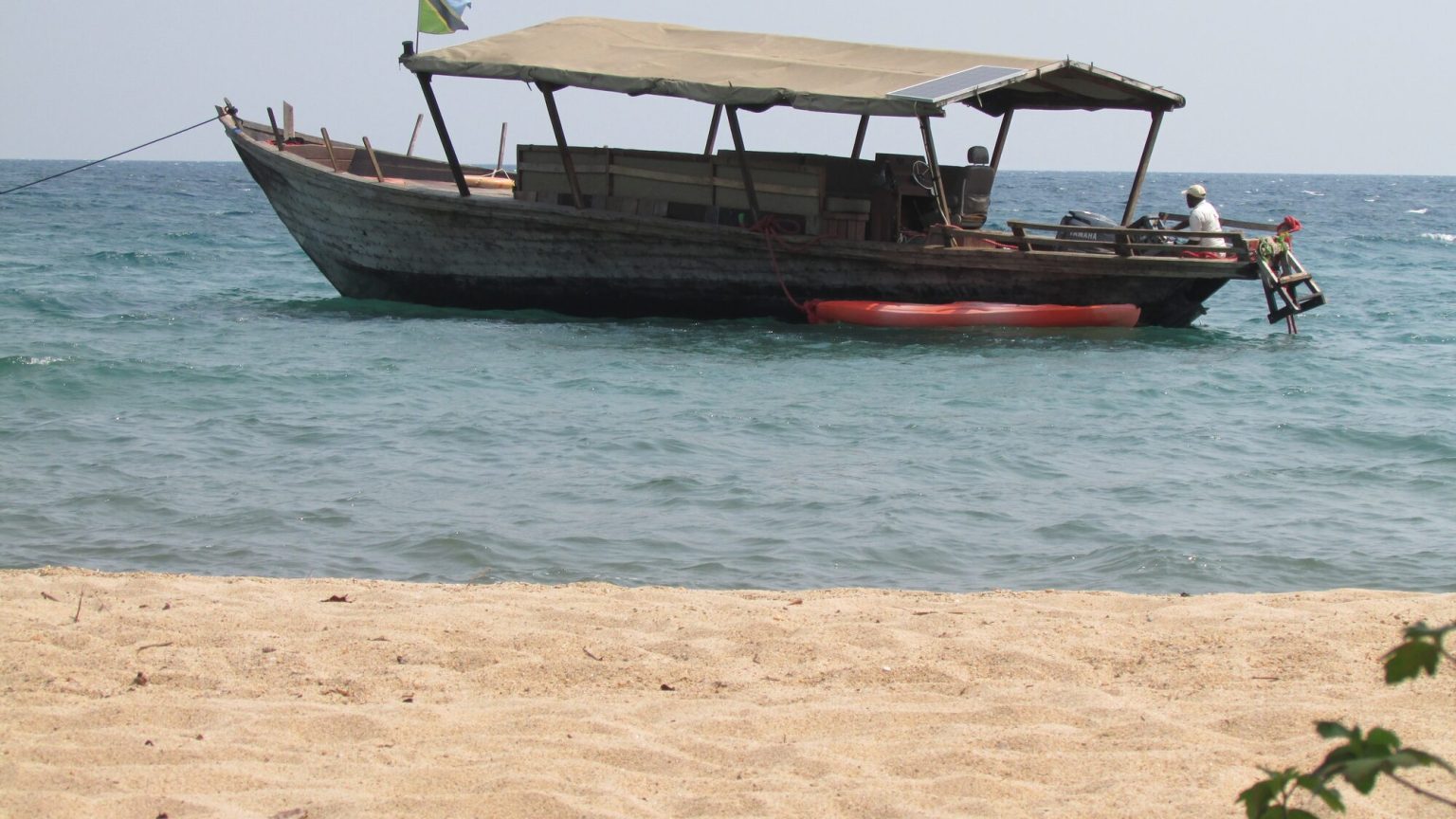
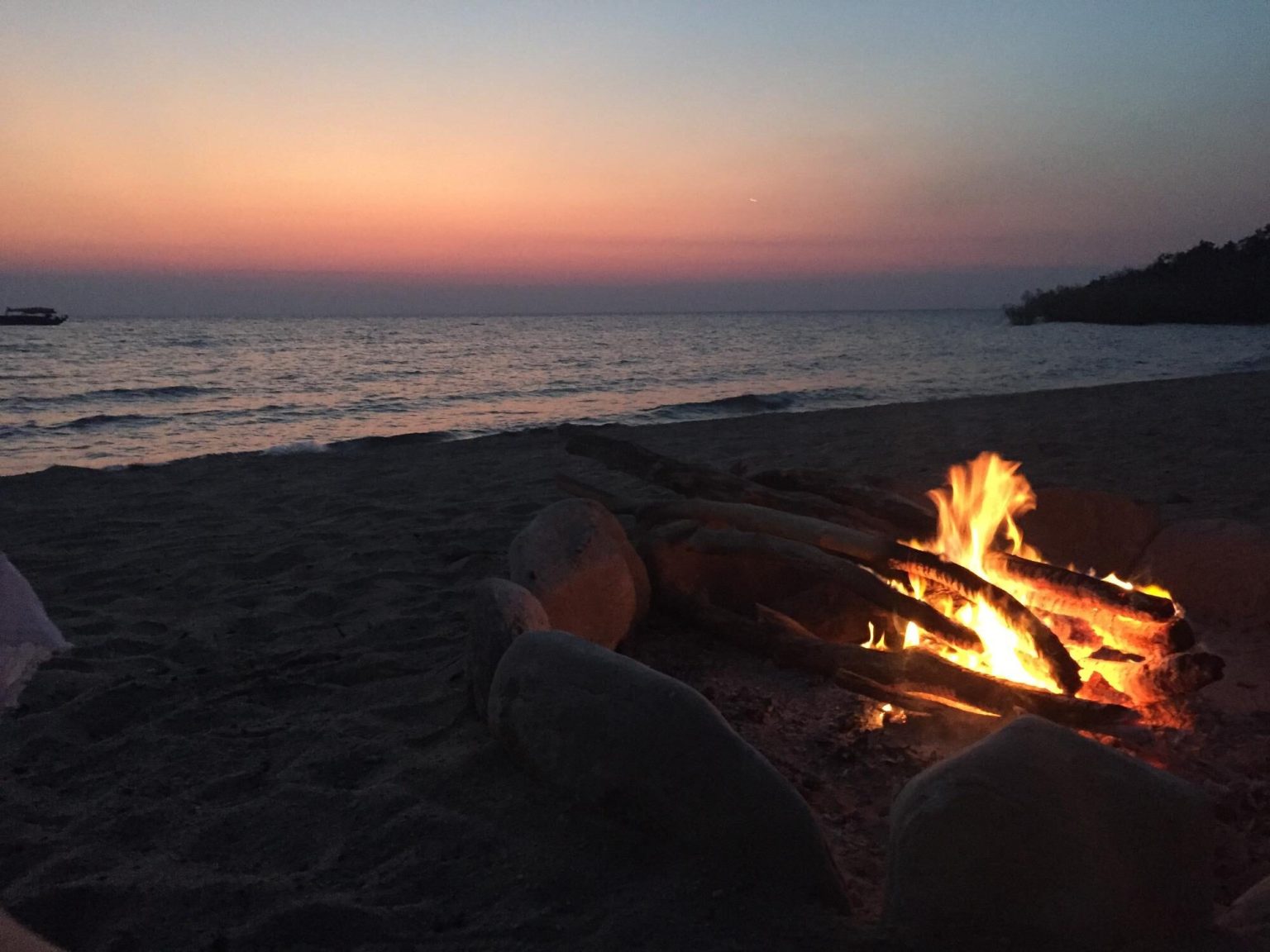
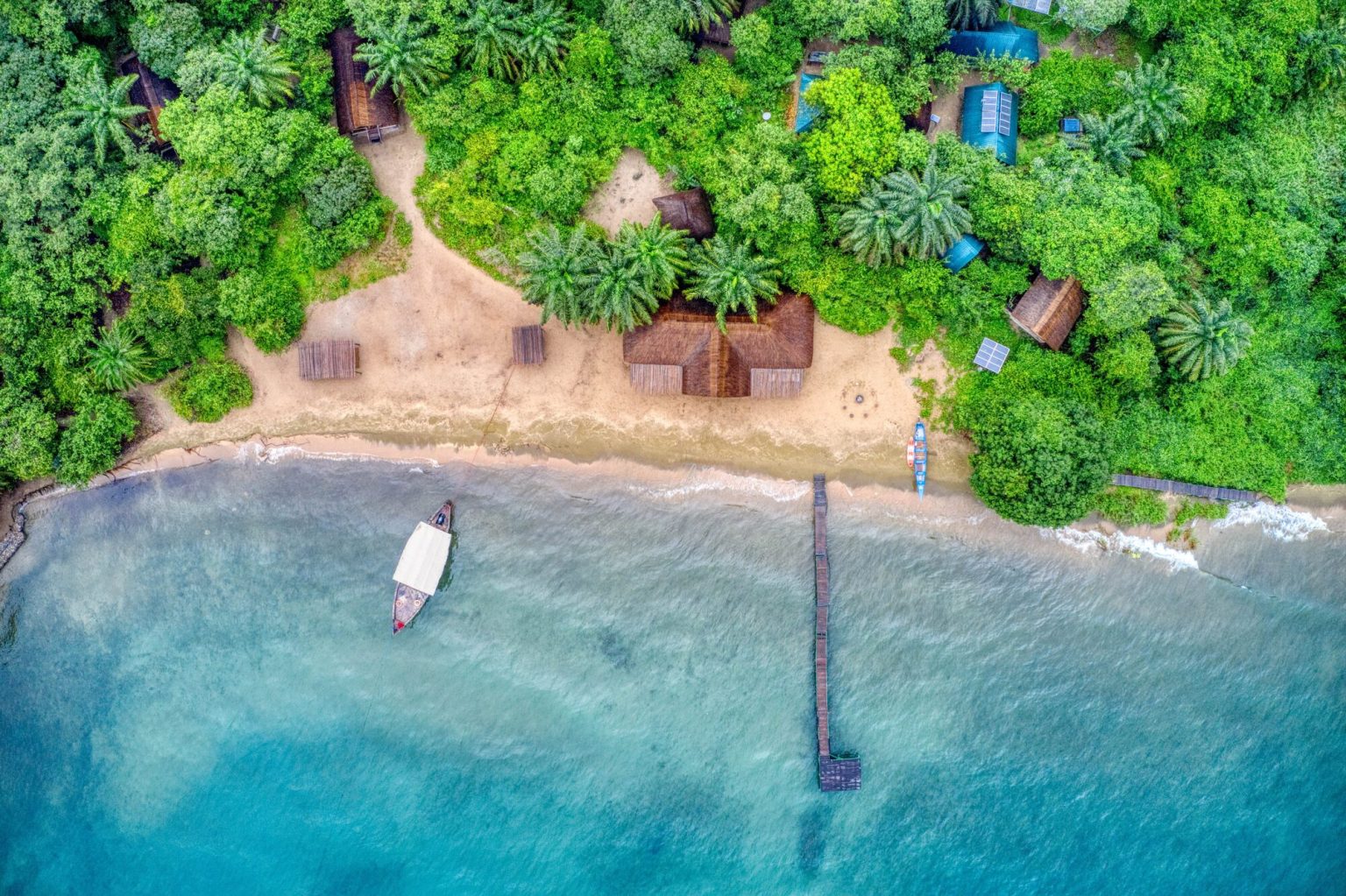
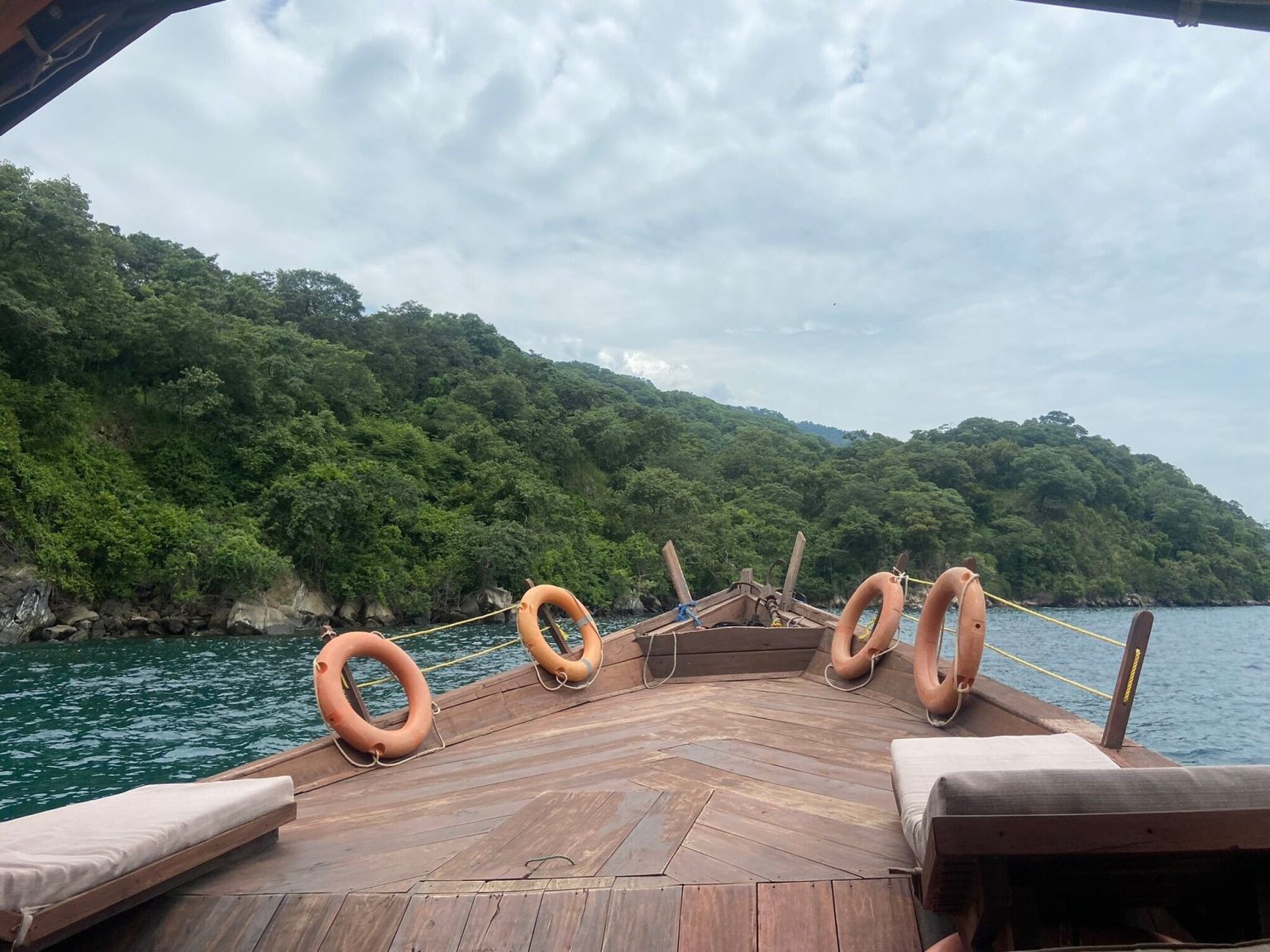
After a final early drive or a slow breakfast, you return to the Katavi airstrip for the Thursday flight west to Mahale, a hop of well under an hour. From the small Mahale airstrip, the rest of the trip is by water: a wooden dhow carries you north along the shore for about one and a half hours. Lake Tanganyika is 673 km long and up to 1,470 m deep, and the clear water and white sand look more like a coast than a lake. Ahead, the forested Mahale Mountains rise straight from the beach to 2,462 m at Nkungwe peak. Mahale Mountains National Park covers about 1,613 square kilometres and has no roads at all; you move on foot and by boat. After settling into your thatched banda facing the lake, the afternoon is free to swim, kayak or watch the sun set over the hills of Congo on the far shore. Dinner on the sand and overnight at Greystoke Mahale or a similar lakeshore camp.
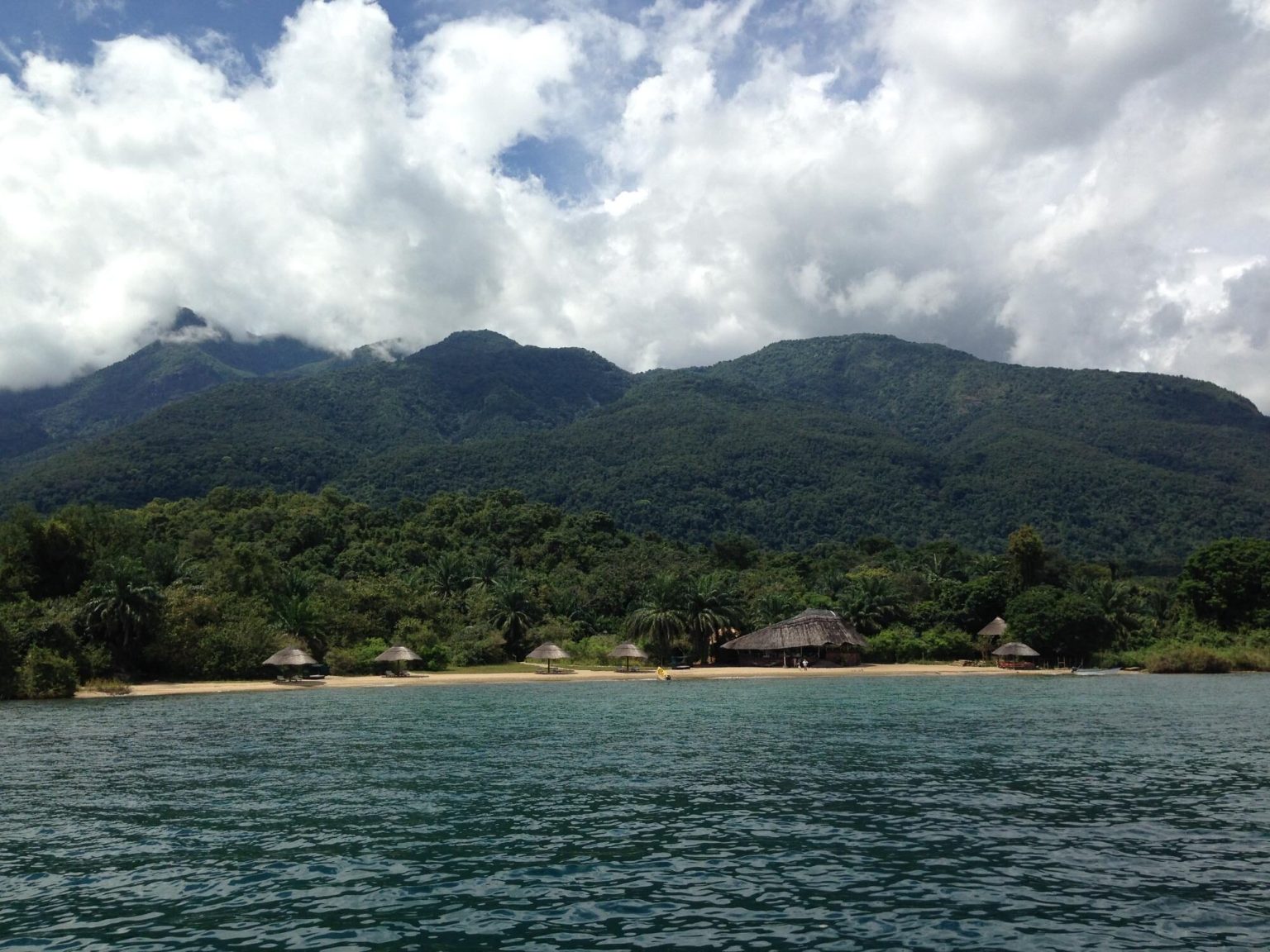
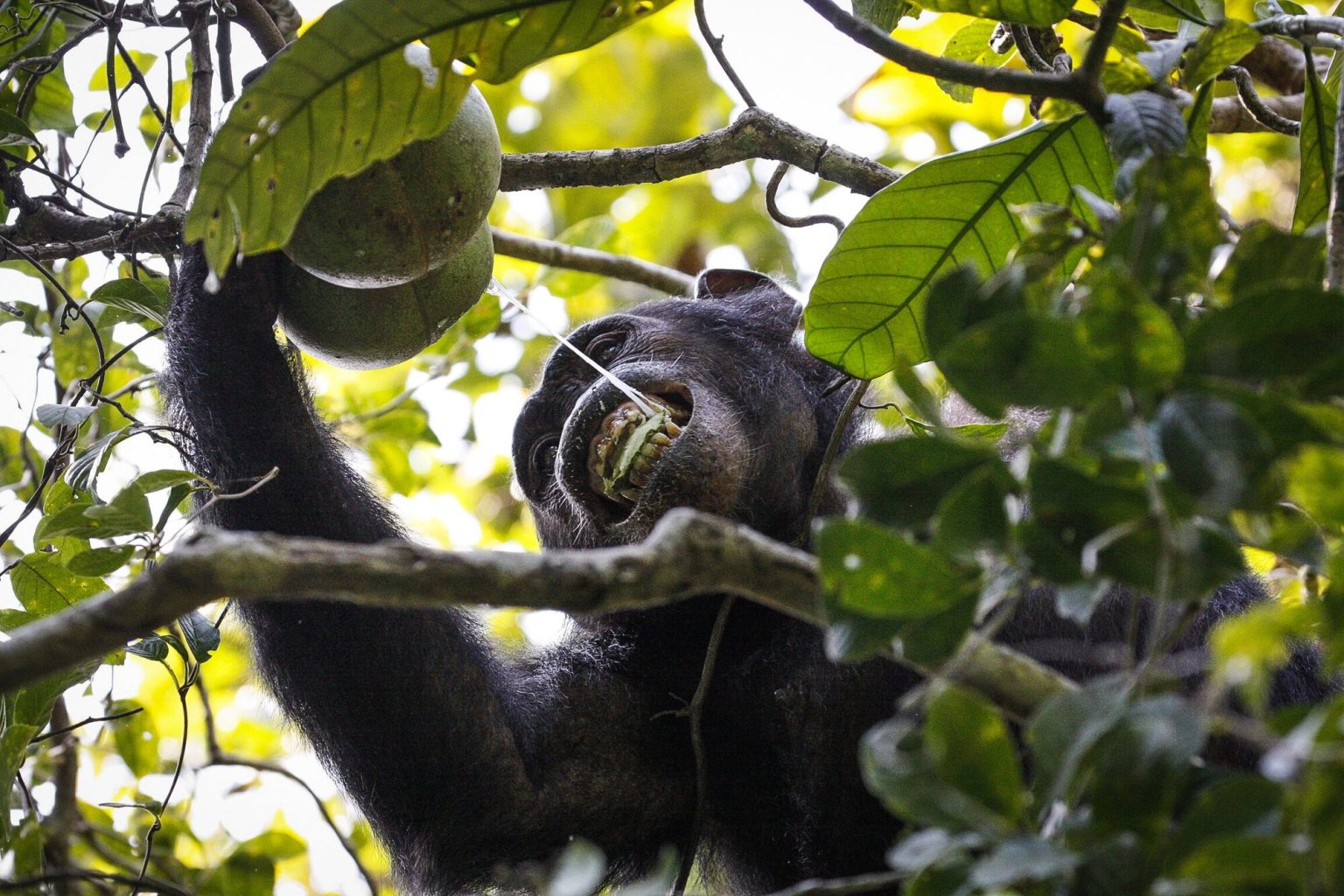
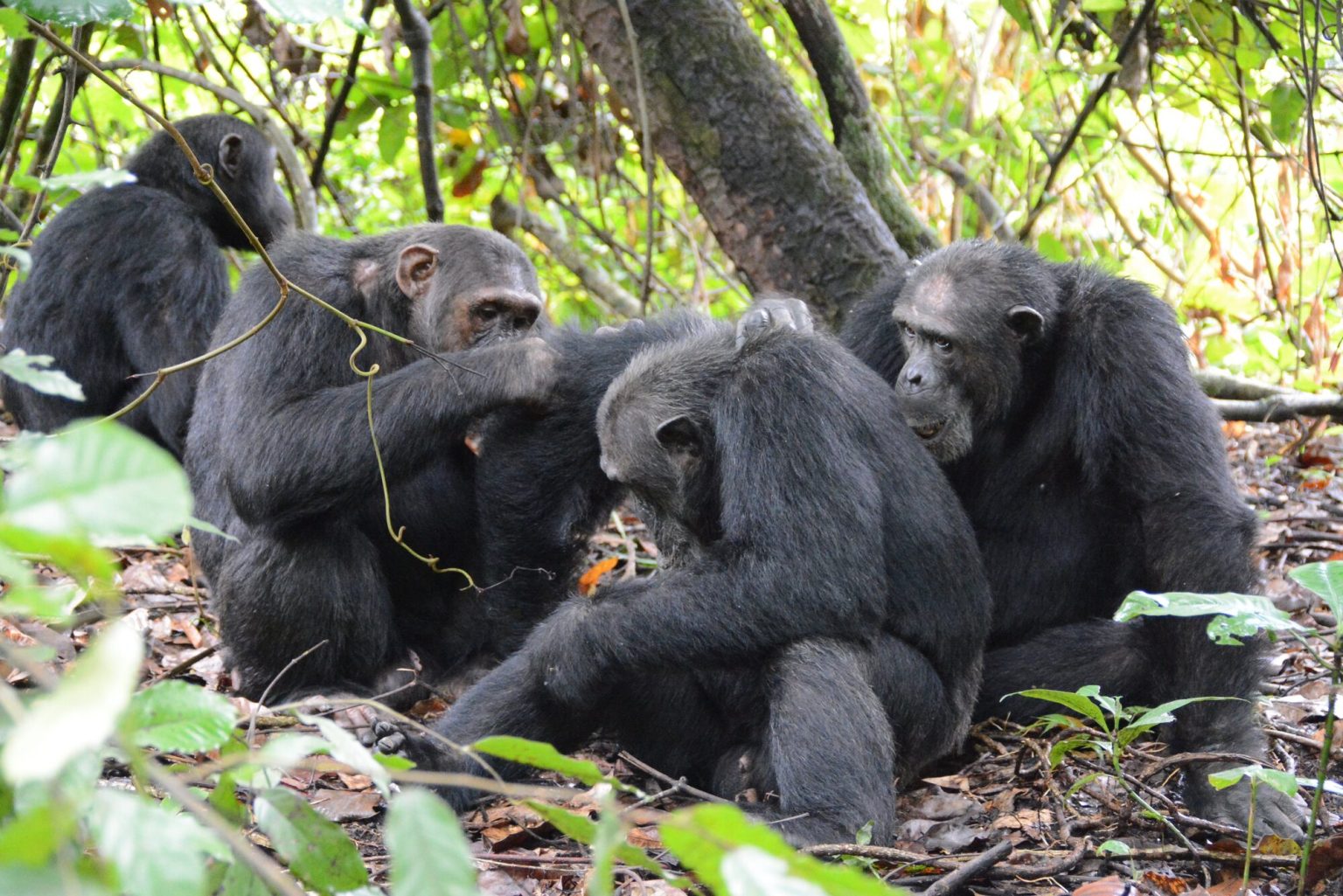
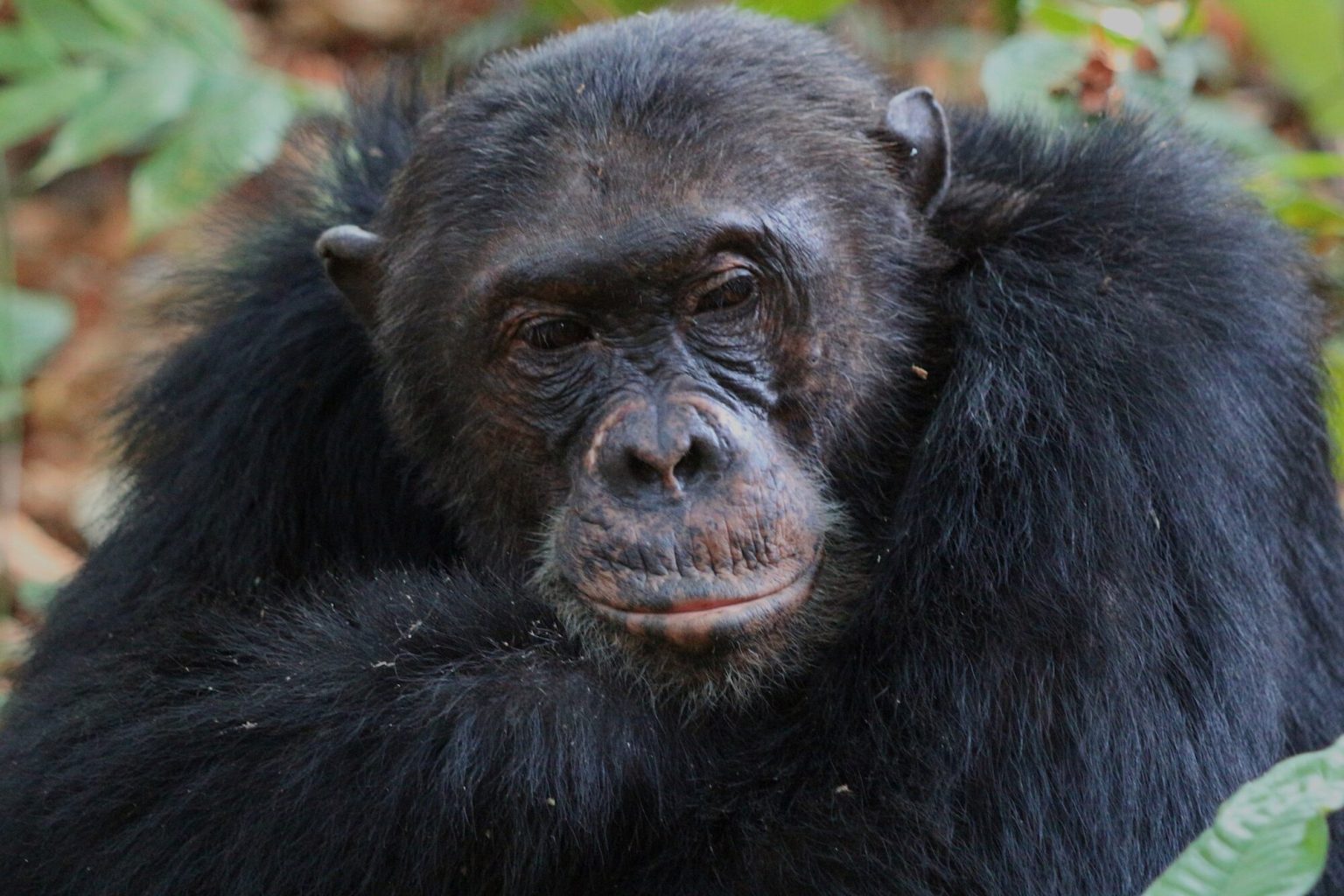
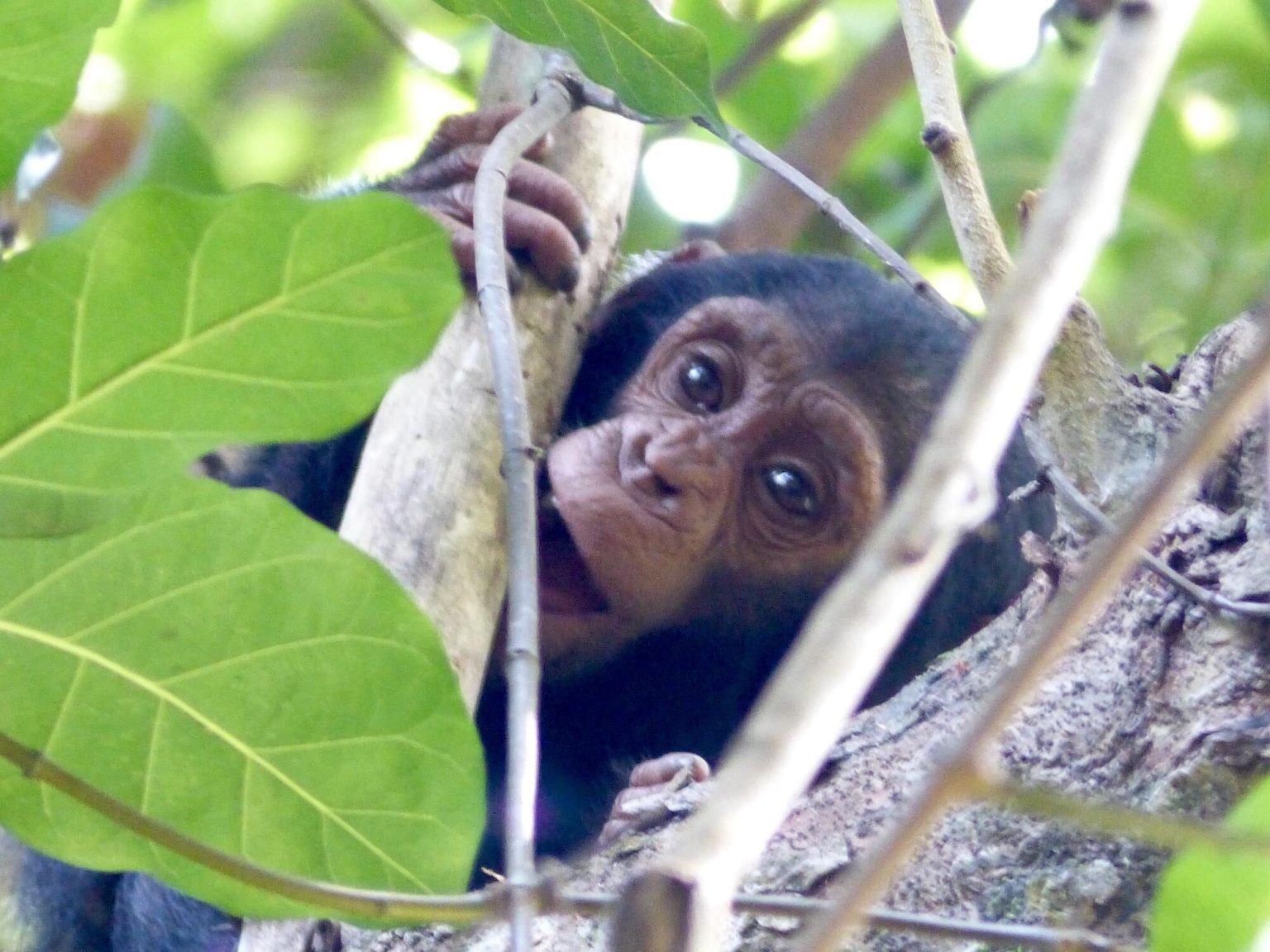
These three days centre on the chimpanzees. Each morning the trackers leave early to find the M group, the community Japanese researchers from Kyoto University first habituated in the 1960s. When they radio back, you walk up into the forest with our guide; it can take 30 minutes or several hours depending on where the chimps fed and slept. Once you reach them you have one hour in their company, with no more than six visitors at a time and face masks on. In the dry months the chimps often come down close to the lakeshore, and the forest floor is open enough to follow them as they groom, hunt colobus or drum on tree roots. Having three days means you can track on two or three mornings, and the extra time leaves room for a dhow trip to fish, a forest walk to look for red colobus and the Mahale bird list of more than 350 species, or simply a quiet afternoon on the beach. Dinner and overnight at your Mahale camp each night.
Your last morning on the lake starts with breakfast on the beach, perhaps with one more look along the forest edge for chimps calling from the hills. Afterwards the dhow takes you back south along the shore to the Mahale airstrip, about one and a half hours of calm water if the wind is quiet. The Monday flight leaves Mahale for the return loop through Katavi and Tabora and reaches Arusha around 6 pm. On the way you look down on the same miombo woodland you crossed a week before, now with names and stories attached. In Arusha our team meets you at the airport and transfers you to your hotel or onward connection. Many travellers add a few nights in the Serengeti or on Zanzibar before flying home, and the Arusha arrival time leaves room for an evening flight from Kilimanjaro International Airport, about an hour away by road, if you plan to fly out the same night. End of the safari.
Book this one early. The western Tanzania flights run only on Mondays and Thursdays and the camps are small, so dates fill quickly in July to October. Keep to the soft-bag luggage limit for the light aircraft, usually around 15 kg, and pack a mask and gloves for the chimpanzee treks.
The shared charters that link Arusha, Katavi and Mahale fly only on Mondays and Thursdays. Arriving in Katavi on a Monday and moving to Mahale on the Thursday gives three nights in Katavi and four at Mahale, which is why this trip lasts 8 days.
June to October is the strongest season. Katavi game viewing peaks late in the dry season, when the animals crowd around the last pools on the Katuma River, and the Mahale chimps often feed low on the slopes near the lake. The Katavi camps close in the long rains.
You have three full days at Mahale, which normally allows two or three treks, one per morning. Each visit with the chimpanzees lasts one hour, with up to six visitors. Some guests choose to track twice and spend the third day on the lake.
The minimum age for chimpanzee tracking in Tanzania is 15. Younger children are welcome at some camps for the lake, swimming and boat trips, but they cannot join the treks. Ask us which camps accept families.
Expect a limit of about 15 kg per person in soft bags, including hand luggage. Extra luggage can usually be stored in Arusha until you return.
Large herds of buffalo, many hippos and crocodiles, lions, elephants, giraffe, zebra, roan and sable antelope, topi and eland, plus big flocks of water birds. Leopard and wild dog are possible but come down to luck.
It varies. Some days the chimps are a short walk from camp; on others you climb steep, slippery forest paths for several hours. A moderate level of fitness is enough, and the guides set the pace.
Yes, with a change of flights. Scheduled and private flights link the south and Zanzibar to western Tanzania, and we can adjust the order or route to fit your arrival.

A 7-day fly-in Tanzania safari from Arusha with flights into the Central and Northern Serengeti for game drives and two days watching the Great Wildebeest…
Safari Details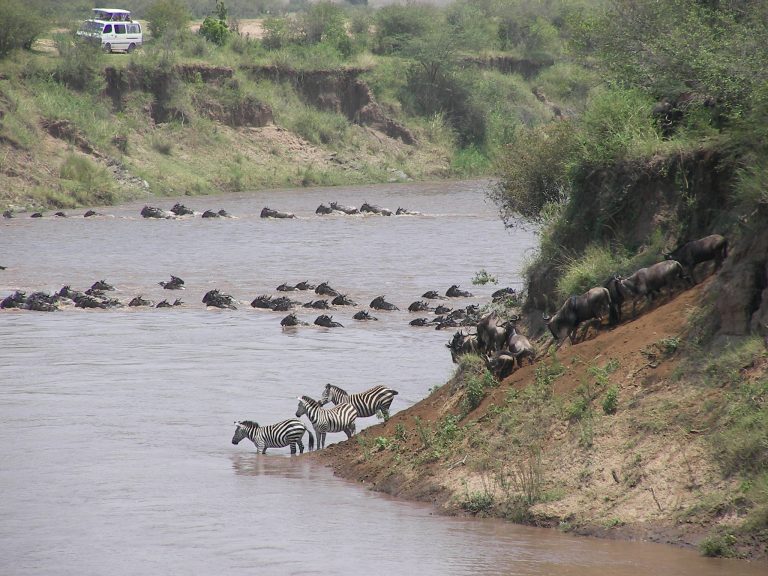
A 6-day fly-in safari for the Mara River crossings, July to October, with three nights near Kogatende in the northern Serengeti and a night in…
Safari Details
A fly-in safari from Arusha to the Serengeti, with several days of game drives, a hot air balloon ride over the Serengeti with a champagne…
Safari Details