A short chimpanzee trekking trip to Gombe Stream National Park on the shore of Lake Tanganyika, for travellers who want the Jane Goodall forest without a long safari attached.

Inquire Now
Inquire Now
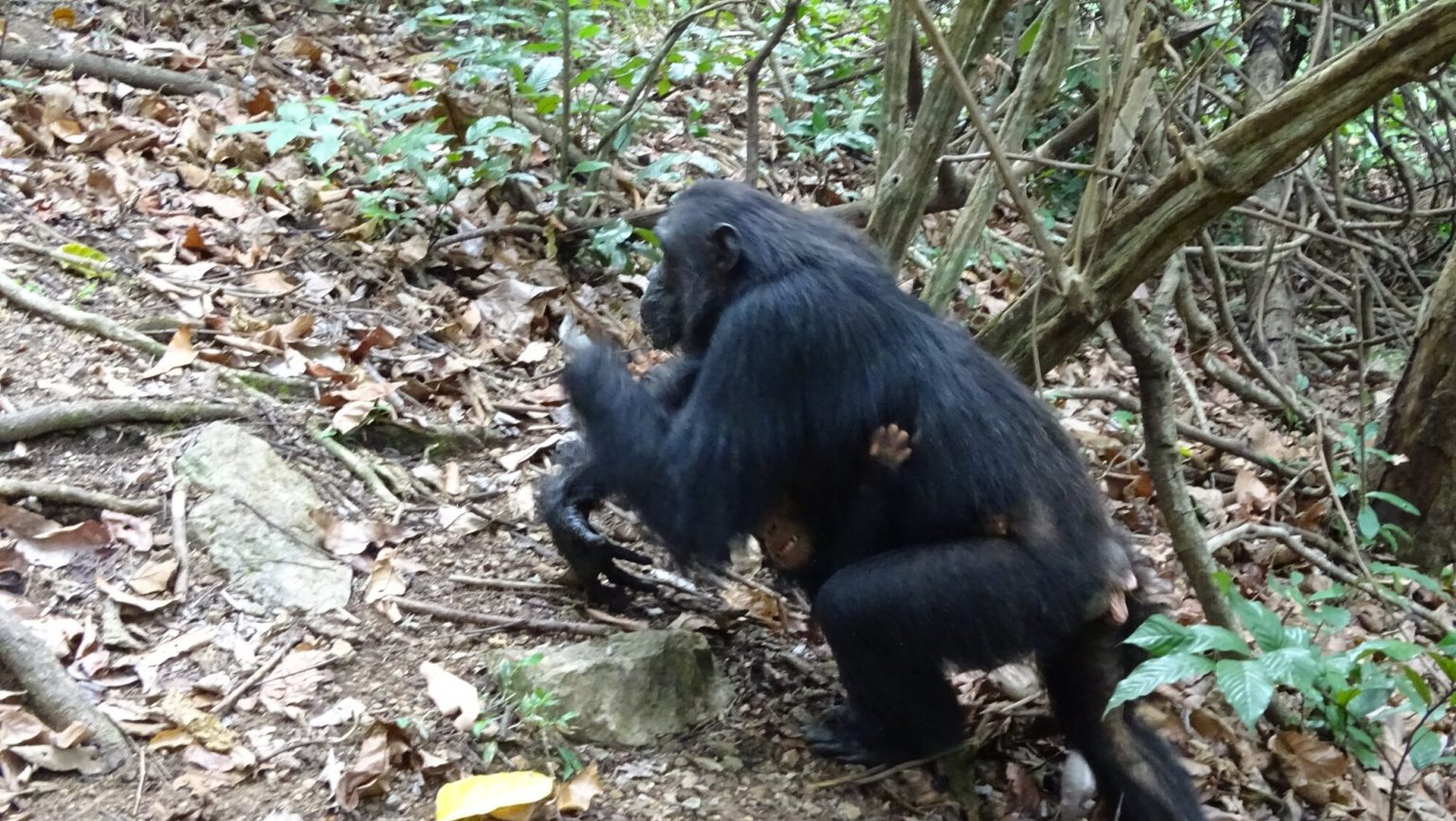

A short 3-day chimpanzee trek in Gombe Stream National Park, reached by boat from Kigoma on Lake Tanganyika, with a full day to track the chimpanzee community Jane Goodall began studying in 1960.
A short chimpanzee trekking trip to Gombe Stream National Park on the shore of Lake Tanganyika, for travellers who want the Jane Goodall forest without a long safari attached.
Gombe is small, steep and quiet, and the chimpanzees here have been studied for more than sixty years, so the people who lead you know individual animals by name and history. Three days is enough for one full tracking day with a spare morning, which suits travellers adding chimps to a northern Tanzania safari or a Zanzibar break. The boat ride along Lake Tanganyika and the beach lodge make the trip feel like more than a single activity.
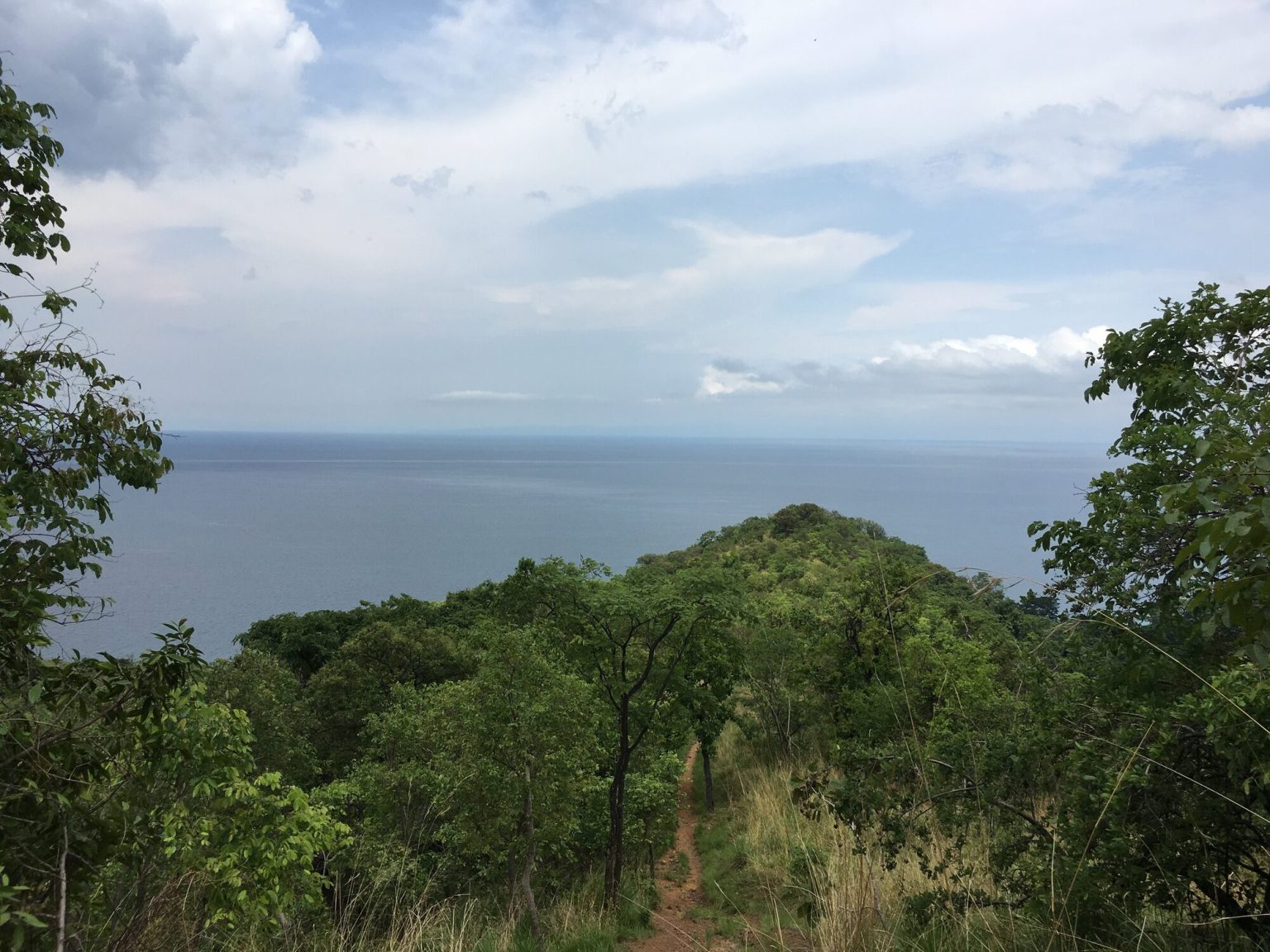
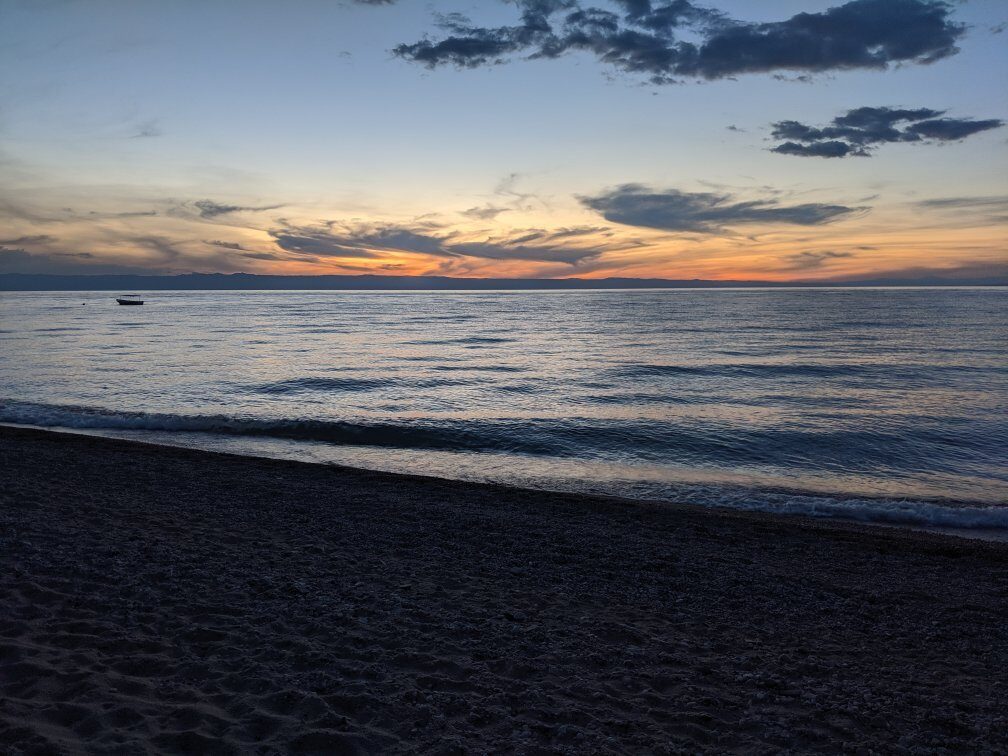
Our guide meets you at Kigoma Airport, where the Air Tanzania flight from Dar es Salaam lands after roughly two hours in the air. Kigoma is a quiet lake port in the far west of Tanzania, and the short drive through town takes you down to the water at Kibirizi, where the wooden lake boats wait. Gombe has no road access, so the boat is the only way in. The ride north along the shore takes about one and a half hours, past fishing villages, drying racks of dagaa sardines and steep hills covered in miombo woodland. Lake Tanganyika runs 673 km from north to south and drops to 1,470 m at its deepest, the second deepest lake on earth, and the water here is clear enough to see the stones below the boat. After checking in at your lodge on the beach, a ranger leads a short walk to the Kakombe stream or, if there is light left, up toward the forest edge. Dinner and overnight at Mbali Mbali Gombe Lodge or the park rest house.
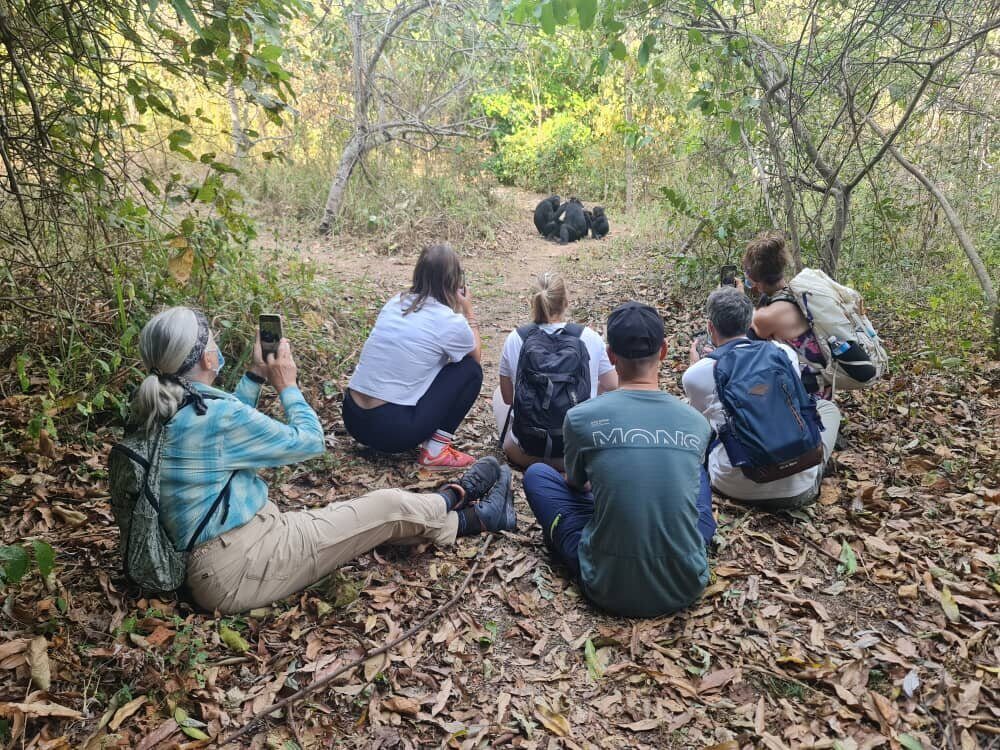
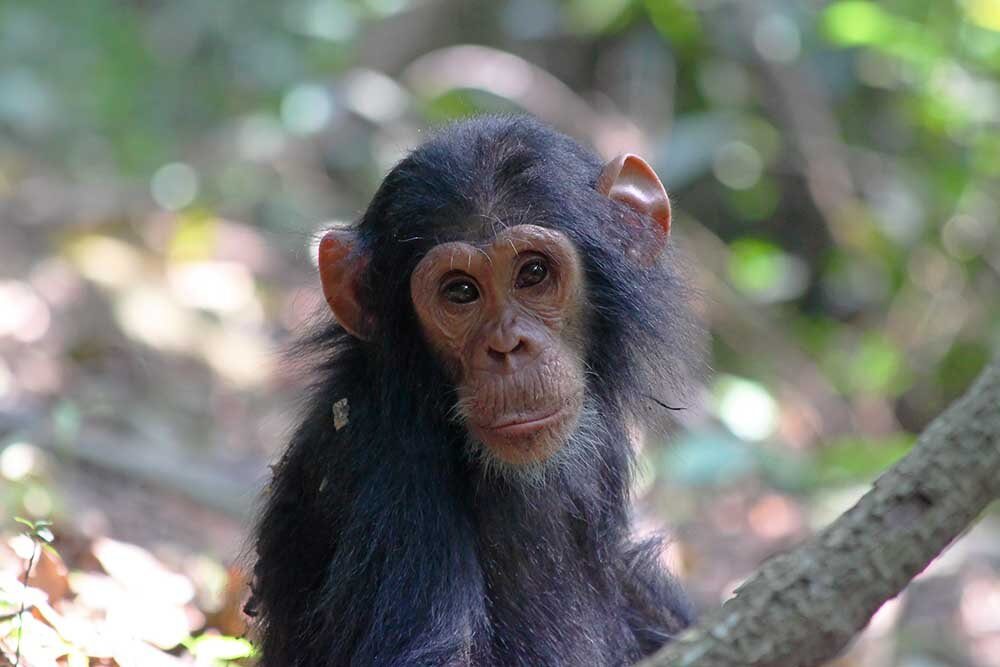
Breakfast is early, because the trackers head out at first light to find where the chimpanzees nested the night before. Gombe is the place where Jane Goodall began her research in July 1960, and the study she started is still running, the longest-running field study of wild chimpanzees anywhere. The Kasekela community you follow is used to people, and some of today’s adults descend from the chimpanzees she named. Trails climb steeply from the lake through valleys of thick forest, so expect anywhere from one to four hours of walking before you reach them. Once the group is found, you have one hour with the chimpanzees, in a party of no more than six visitors, keeping about 10 m away. You may watch grooming, fig feeding, youngsters wrestling or a male charging through the undergrowth. In the afternoon, swim from the beach (away from the river mouths), watch olive baboons on the sand or walk up toward Jane’s Peak for the view across the lake to Congo. Dinner and overnight at your Gombe lodge.
The last morning is yours. Early risers can join a second forest walk with a ranger toward the Kakombe waterfall, where the stream drops over a mossy rock wall in the shade of tall trees, or sit on the beach with coffee while the fishermen bring in their night’s catch. Red-tailed and red colobus monkeys feed in the trees above the camp, and Gombe has recorded more than 200 bird species, so a pair of binoculars pays off even on a lazy morning. After breakfast the boat takes you back south along the shore to Kigoma, about one and a half hours on the water. If your flight leaves later in the day, our guide can stop at Ujiji, around 10 km from Kigoma town, where a memorial marks the spot Henry Morton Stanley met David Livingstone in 1871. It is one of the oldest market towns in western Tanzania, and the old Arab trade route to the coast ended here. Transfer to Kigoma Airport for your flight onward. End of the safari.
Pack light for the boat: soft bags travel better than hard cases, and a dry bag keeps cameras safe from spray. Bring long trousers and gloves for the trails, which are steep and can be slippery after rain. If you have a cold on the morning of the trek, tell us; rangers turn away anyone unwell because chimpanzees catch human illnesses.
For most people one full day is enough to find the chimpanzees and spend the permitted hour with them, and this 3 day Tanzania trip keeps the third morning free as a buffer. Chimps at Gombe are usually found, but they move fast on steep ground, so a second night adds a second chance and a slower pace. We can add it on request.
There is no road into the park. You fly to Kigoma, usually from Dar es Salaam, and then take a boat about 16 km north along Lake Tanganyika. The boat ride takes roughly one and a half hours, depending on the boat and the lake conditions.
Tanzania National Parks sets the minimum age at 15 years. Younger children can still come to Gombe, swim at the beach and walk near camp with an adult, but they cannot join the chimpanzee group.
Reasonably fit. Gombe is a narrow strip of steep valleys between the lake and the rift escarpment, so most treks involve climbing on uneven, rocky paths. Walks last one to four hours before you reach the chimpanzees. Our ranger sets a steady pace and you can stop to rest.
The drier months from late May to October make the trails easier and the chimps often come lower down. The wet months bring fruiting trees and fewer visitors, but paths get muddy. Gombe is open all year.
Olive baboons are everywhere along the beach, and you can see red colobus, red-tailed and blue monkeys, bushbuck and many forest birds. Gombe has recorded more than 200 bird species. Leopards live here too but are rarely seen.
Yes. Gombe pairs well with Mahale Mountains further south on the lake, and Kigoma has flights back to Dar es Salaam for onward travel to Zanzibar or the northern parks. Our 8-day Tanzania chimpanzee trip covers both Gombe and Mahale.
Long trousers, a long-sleeved shirt in dull colours, sturdy walking shoes with grip, and a light rain jacket. Gloves help on steep sections. You will also be asked to wear a face mask near the chimpanzees.
A 6-day walking safari in northern Tanzania: ranger-led bush walks in Tarangire, a Ngorongoro Crater game drive, a hike into Empakaai Crater and walks to…
Safari Details
A 15-day Tanzania honeymoon from Arusha to Tarangire, Lake Manyara, the Ngorongoro Crater and the central and northern Serengeti, ending with Stone Town and a…
Safari Details
An 8-day chimpanzee trekking safari in western Tanzania, flying to Kigoma and travelling by boat on Lake Tanganyika to Mahale Mountains and Gombe Stream National…
Safari Details