A short Rwanda birding tour focused on one of Africa’s richest montane forests and its Albertine Rift endemics.

Inquire Now
Inquire Now
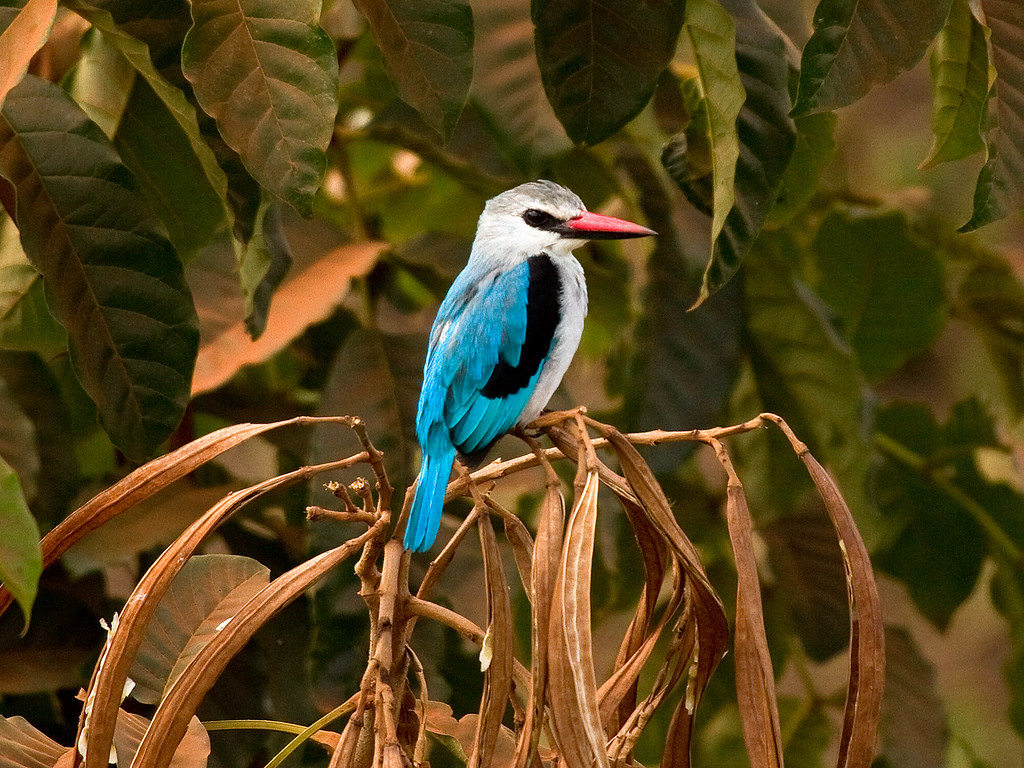
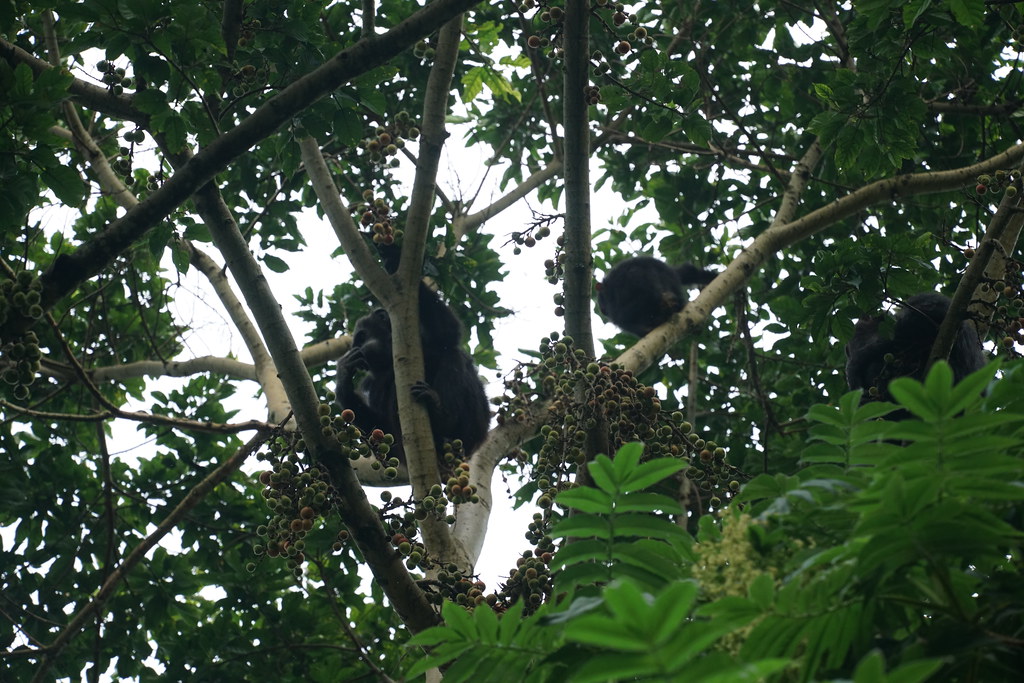


A 3-day birding tour from Kigali to Nyungwe National Park for Albertine Rift endemics, with a full day on the Uwinka trails and canopy walkway and dawn birding at the forest edge in Gisakura.
A short Rwanda birding tour focused on one of Africa’s richest montane forests and its Albertine Rift endemics.
Nyungwe holds most of Rwanda's Albertine Rift endemics in one forest, so even a short trip can add a long list of species found nowhere else. Two nights at the forest edge give you a full day on the Uwinka trails and canopy walkway and two dawn sessions, while the drive in and out passes papyrus swamps for wetland species. It suits birders with limited time, or travellers adding a few days of birding to a gorilla trek.
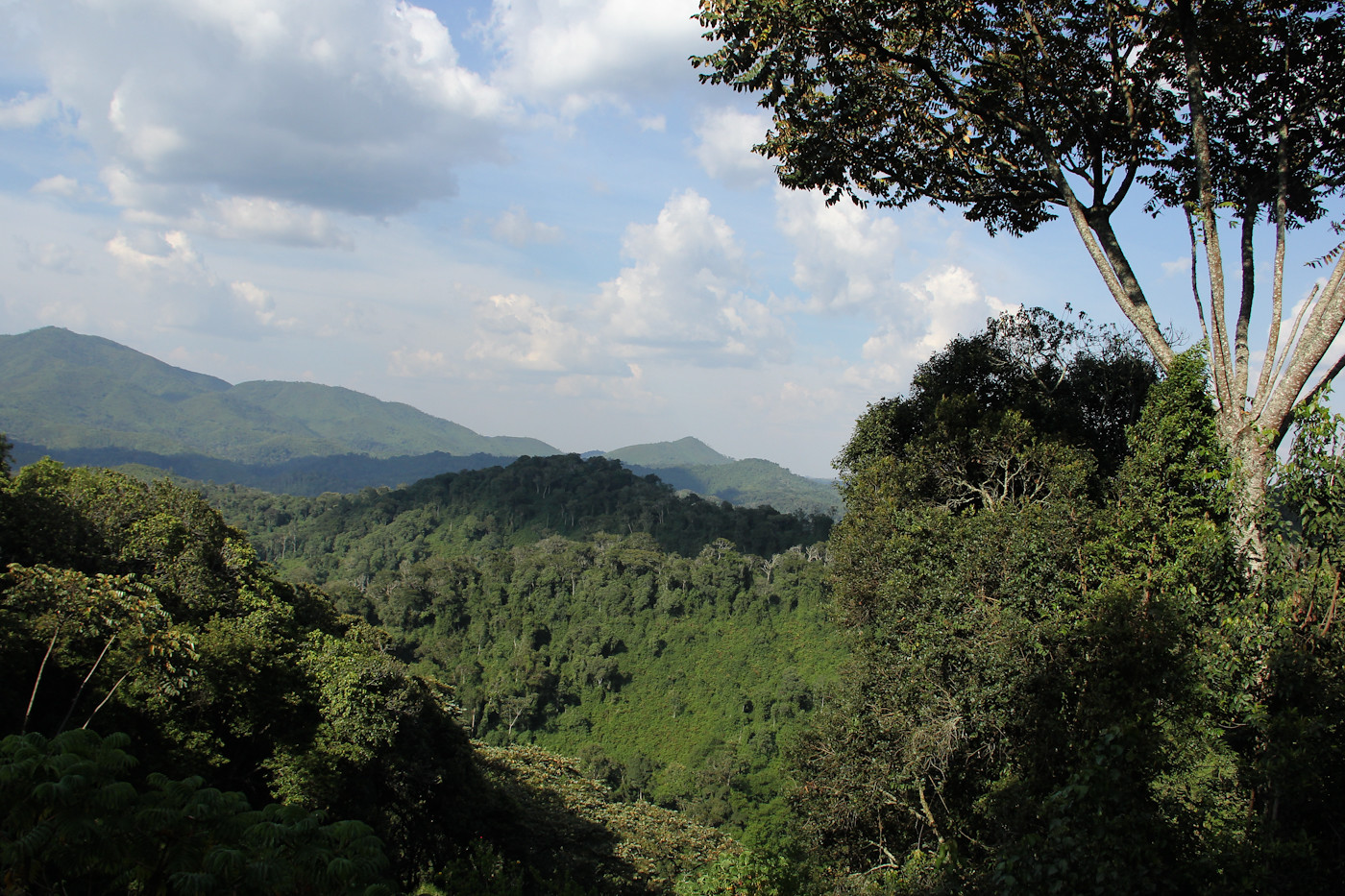
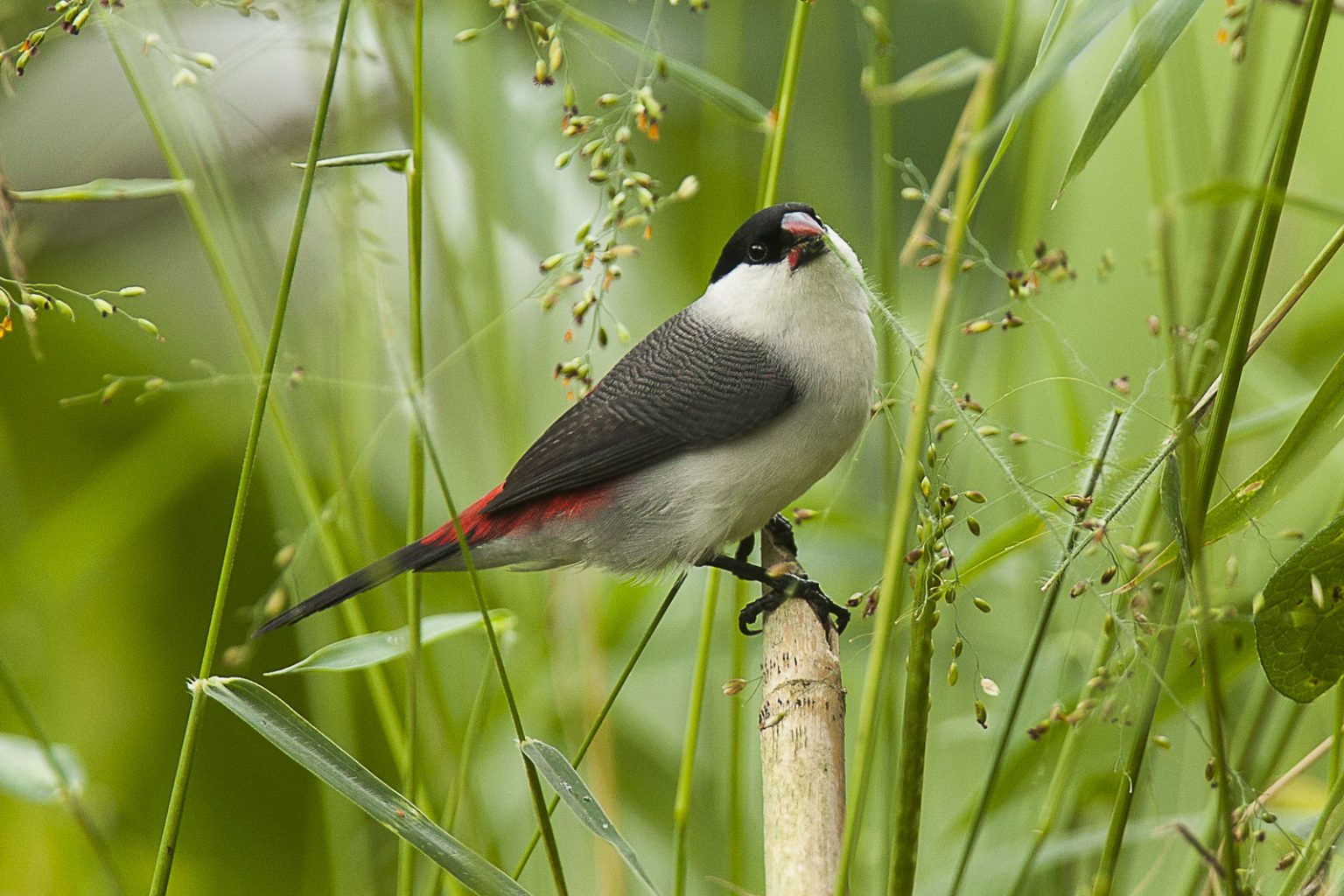
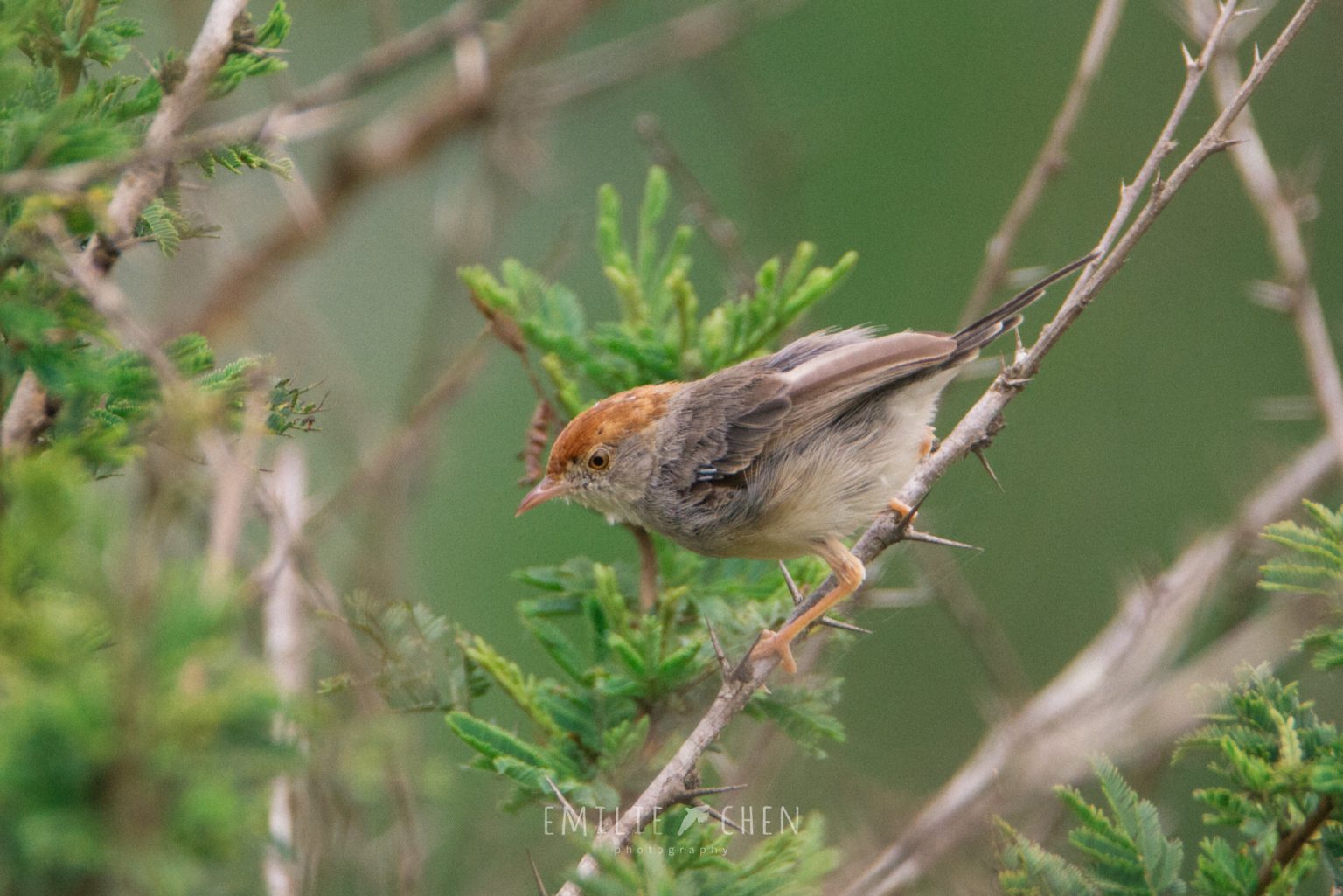
Our birding guide collects you from your hotel or Kigali International Airport early in the morning for the drive south-west to Nyungwe, about 225 km and five to six hours with stops. The road crosses the hills of southern Rwanda through Muhanga and Huye, and our guide stops at papyrus swamps and farmland on the way for species such as the papyrus gonolek, grey crowned crane, black-headed weaver and the striking red-faced cisticola. Past Huye the road climbs into the forest, and suddenly you are driving through a green wall of trees and tree ferns, with tea estates on the lower slopes. Nyungwe National Park covers 1,019 square kilometres of mountain rainforest, bamboo and swamp, and it became a national park in 2004. More than 300 bird species have been recorded here, including around 27 Albertine Rift endemics. You reach Gisakura on the western edge of the park in time for some late-afternoon birding at the forest edge. Dinner and overnight at Nyungwe Top View Hill Hotel or One&Only Nyungwe House.
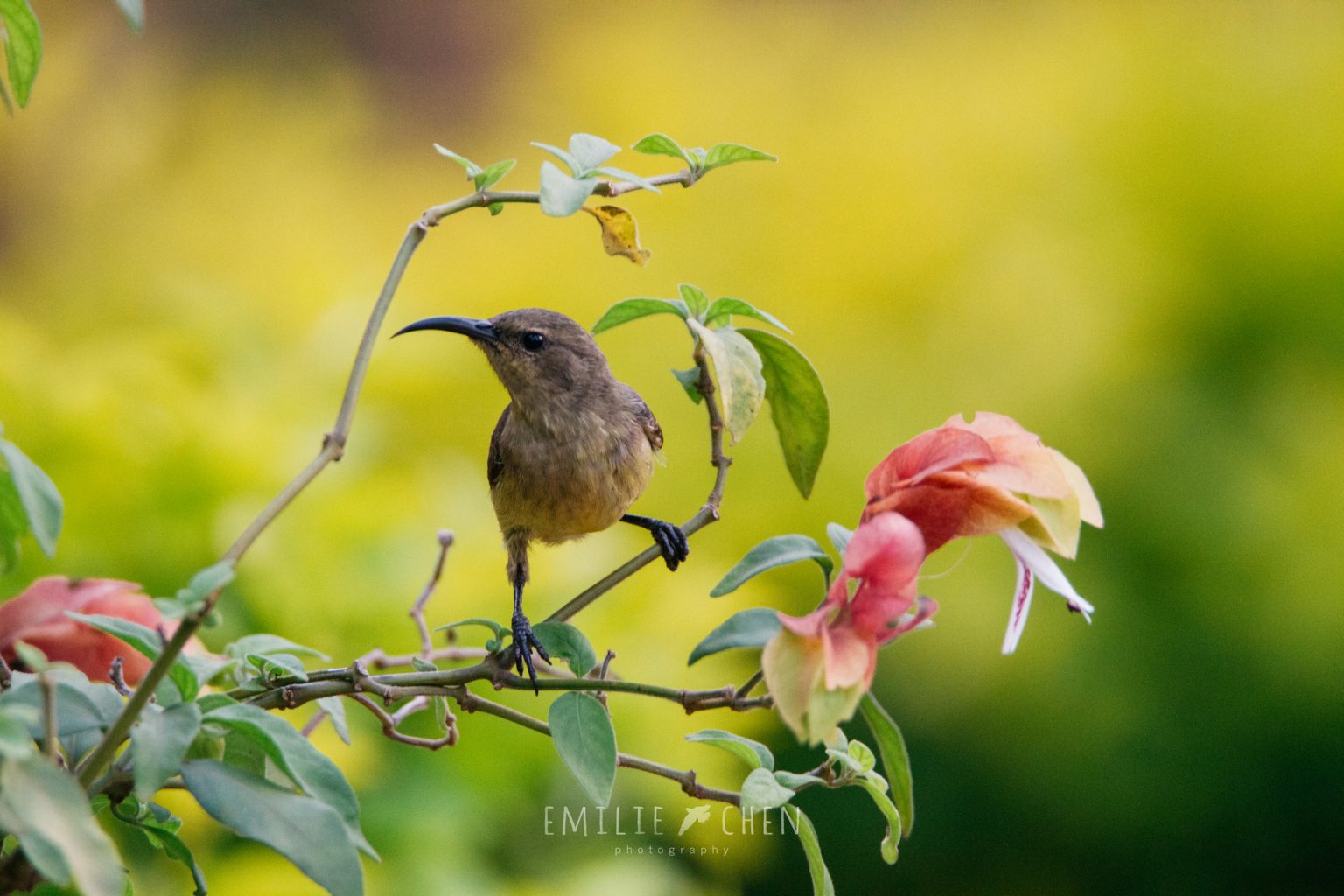
You leave before dawn for Uwinka, the park’s main trail centre on the ridge at around 2,400 metres, with a packed breakfast and lunch. The early hours along the roadside and trail heads are the best for mixed flocks, and our guide will be listening for the Albertine Rift specials: Rwenzori turaco, red-throated alethe, Rwenzori batis, the regal and purple-breasted sunbirds, the strange weaver, the handsome spurfowl calling from the undergrowth and, with real luck, the Albertine owlet. In the middle of the day you walk the Igishigishigi trail to the canopy walkway, a suspended bridge high above a forested valley, which puts you level with the treetops where many birds feed. Nyungwe also has 13 primate species, and troops of L’Hoest’s monkeys and Ruwenzori colobus are often seen along the trails. In the late afternoon you bird the road back to Gisakura. Dinner and overnight at Nyungwe Top View Hill Hotel or One&Only Nyungwe House.
Your last morning starts at first light on the edge of the forest and the tea estate around Gisakura, where the mix of open ground and trees brings a different set of birds: great blue turaco, black-and-white casqued hornbill, olive-breasted greenbul, Doherty’s bushshrike and a range of sunbirds feeding on the flowering shrubs. If you prefer, the guide can take you along the Karamba trail, an easy, flat walk on an old gold-mining site that is good for forest-edge species. After breakfast you begin the drive back to Kigali, with more birding stops where the road crosses wetlands. You arrive in Kigali in the late afternoon, in time for an evening flight or a night in the city (not included). This short tour combines easily with Akagera for savannah and wetland birds, or with a gorilla trek in Volcanoes National Park.

Four Points by Sheraton Kigali

Kigali Marriott Hotel

Kigali Serena Hotel

Radisson Blu Hotel & Convention Centre Kigali

Lemigo Hotel Kigali

Grand Legacy Hotel Kigali

Hôtel des Mille Collines

Chez Lando Hotel Kigali

Centric Hotel

Five-to-Five Hotel Kigali

One Click Hotel Kigali

Step Town Hotel Kigali

Lebanon Hotel Kigali
Bring rain gear even in the dry months: Nyungwe gets rain on most days of the year, and mornings on the ridge can be cold and misty. Birds in the forest are often heard before they are seen, so a pair of binoculars that works well in low light is worth more than a long lens.
Regular species include Rwenzori turaco, red-throated alethe, Rwenzori batis, regal sunbird, purple-breasted sunbird, strange weaver and handsome spurfowl. Harder ones include the Albertine owlet and Grauer's swamp warbler.
It gives you one full day in the forest and two dawn sessions, enough for a good share of the endemics. Serious listers often stay three or four nights to work the Kamiranzovu swamp and other trails.
Birding is good all year. The drier months of June to August and December to February make trails easier, while September to May brings breeding plumage and migrants, with more rain.
No. Our guide helps with identification and calls, and the trails suit beginners and serious listers alike. The canopy walkway involves some steep steps.
About 225 km, five to six hours by road with birding stops. Charter helicopter transfers are also possible.

A 7-day birding safari in Rwanda from Kigali, with two days in Nyungwe Forest National Park, Lake Kivu with a boat trip, a birding day…
Safari Details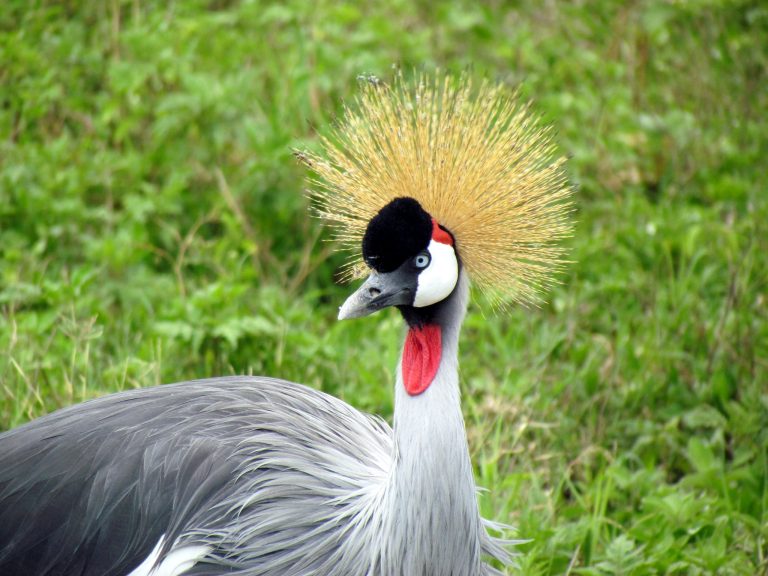
A 4-day birding tour from Kigali to Akagera National Park, with Kigali's Nyandungu wetland, a birding boat trip on Lake Ihema, papyrus swamps and the…
Safari Details
A 10-day birdwatching tour of Rwanda from Kigali to Akagera National Park, Nyungwe Forest, Lake Kivu and Volcanoes National Park, looking for savannah, forest and…
Safari Details


