
Inquire Now
Inquire Now
Solo African safaris compared: group, private and self-drive trips in Tanzania, Kenya, Botswana and South Africa, plus Uganda and Rwanda gorilla treks, the single supplement and safety. We help you pick the right style.
An African safari for solo travelers works best in Tanzania, Kenya, Botswana or South Africa, where you can join a shared group safari, book a private trip and pay a single supplement, or travel in low season when some camps drop it. Uganda and Rwanda suit solo gorilla trips, because permits are sold per person. The choice of trip style, not the country, decides most of what a solo traveller pays.
Solo travellers have three ways to do an African safari: join a shared group safari, book a private safari and absorb the single supplement, or self-drive in a country where that is practical. Each solves a different problem, and the right one depends more on budget and temperament than on destination.
A group joining safari puts you in a vehicle with other travellers booked by the same operator, so the vehicle and driver are split between six or seven people. Tanzania's northern circuit has the most of these departures, leaving Arusha most days, and Kenya runs similar shared trips from Nairobi to the Masai Mara. Escorted small-group tours with international companies work the same way over longer itineraries.
The trade off is control. The group sets the pace, the lodge list is fixed, and a photographer who wants to sit with a leopard for an hour may share the vehicle with someone who wants to move on.
A private safari gives you the vehicle and guide to yourself, so you choose start times, routes and how long to stay at a sighting. You pay for that flexibility: the whole vehicle cost falls on one person. Travellers who have done it alone often say the guide becomes the trip, which works well when the two of you get on.
Self-drive is realistic in Namibia and South Africa, where roads, signposting and rest camps are built for it. Kruger National Park and Etosha are the usual starting points. In most of East Africa, park roads, fuel and navigation make a driver guide the safer and simpler choice, especially for someone travelling without a passenger to help.
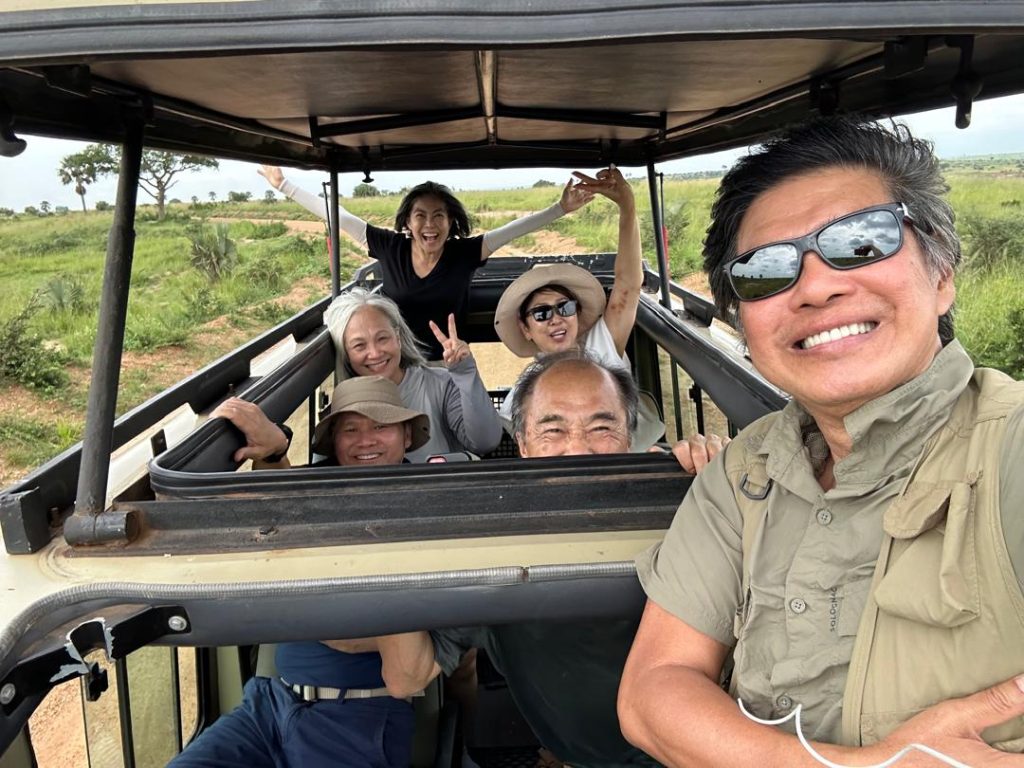
The best countries for a solo safari are Tanzania and Kenya for shared group departures, Botswana and South Africa for lodges where solo guests join shared game drives, Namibia for self-drive, and Uganda and Rwanda for gorilla trips priced per person. The table compares the fixed costs a solo traveller cannot split.
| Country | Best solo style | Fixed cost to know | Watch for |
|---|---|---|---|
| Tanzania | Group joining | Crater fee USD 295 per vehicle | Paying it alone |
| Kenya | Shared Mara trips | Reserve and conservancy fees | Late airport arrivals |
| Botswana | Fly-in camps | Light aircraft seats | Peak season prices |
| South Africa | Lodge or self-drive | Lodge game drives | Urban areas |
| Uganda | Gorilla trips | Permit USD 800 | Long drives |
| Rwanda | Short gorilla trips | Permit USD 1,500 | Permit cost |
Tanzania has the largest market for group joining safaris in Africa, built around Arusha and the northern circuit of Tarangire, Lake Manyara, the Ngorongoro Crater and the Serengeti. Arusha operators publish shared trips from about USD 190 to 250 per person per day, with the vehicle, guide and park fees included alongside lodging and meals.
Kenya's shared safaris run mostly between Nairobi and the Masai Mara, with Amboseli and Lake Nakuru on longer trips. The Mara is close enough to fly in, which lets solo travellers skip the road and join camp game drives on arrival.
In Botswana's Okavango Delta and South Africa's private reserves, game drives are usually shared between camp guests, so a solo traveller fits in without a group tour. Meals are often taken at one table with other guests and guides. Botswana's camps are among Africa's most expensive in peak season, which makes the low season the solo traveller's window.
Namibia suits independent solo travellers who want to drive themselves, with Etosha National Park and the desert routes the classic loop. Distances on gravel are long, so check that your rental covers tyre and windscreen damage, a point a solo self-driver in Namibia stressed.
Uganda and Rwanda sell gorilla permits per person, so the biggest single cost of the trip is the same whether you come alone or with a partner. A Uganda permit costs USD 800 on the Uganda Wildlife Authority tariff, or USD 600 in April, May and November, and Rwanda's costs USD 1,500 from the Rwanda Development Board. Each trek takes up to eight visitors, so solo trekkers join a group on the day.

The single supplement is the extra a solo traveller pays for a room, tent or vehicle priced for two. On safari it comes from two places: lodges that charge per person sharing, and vehicles whose daily cost is the same with one passenger or six.
A real rate card shows the size of it. Jaynevy Tours in Arusha prices its 4 day Tarangire, Serengeti and Ngorongoro safari at USD 3,160 for one traveller at mid-range, against USD 2,195 each for two: the solo traveller pays about 44 percent more for the same trip.
Tips work the other way round. Guide tips are often quoted per vehicle per day, so a solo traveller in a private vehicle tips the same as a couple. Budget that line before comparing quotes.
A solo African safari costs from about USD 190 to 250 per person per day on a Tanzania group joining trip, rising to several hundred dollars a day on a private mid-range safari and well over USD 1,000 a day at luxury camps. Fixed fees such as gorilla permits and crater fees sit on top.
Three things move the figure most. The first is whether you share a vehicle: on the Tanzania example, a private solo trip costs USD 965 more over four days than sharing with one other person. The second is season, because low season rates and supplement waivers can change the lodge bill sharply. The third is fixed fees, which do not shrink with company: a USD 800 Uganda gorilla permit costs the same for everyone.
Safaris are among the more controlled ways to travel alone in Africa: guides and camp staff are with you from airport to camp, and inside the parks the main risks are wildlife and road safety rather than crime. The higher-risk moments are city transfers and unplanned onward travel.
Government advice changes and differs by region, so read your own government's current advisory for each country before booking. Book airport pickups in advance, use an operator licensed in the country, and share your itinerary with someone at home. Solo women who post about Kenya, Tanzania and South Africa mostly report professional, respectful guides and camp staff, with taxi touts at Nairobi airport the commonest complaint.
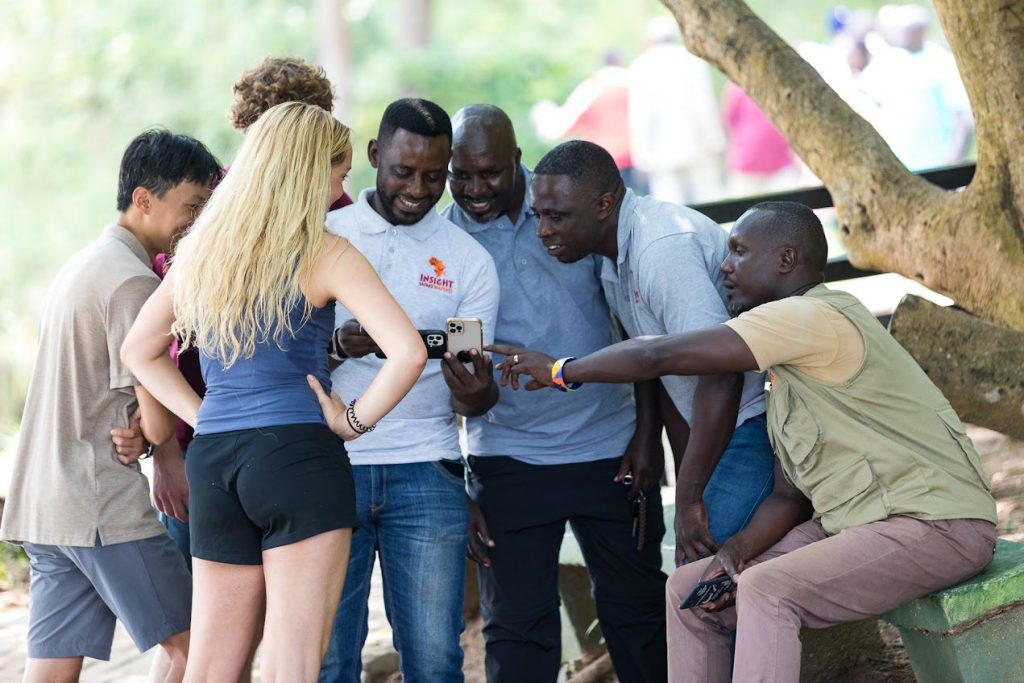
Solo travellers on safari spend far less time alone than they expect. Most camps serve dinner at a shared table or invite solo guests to eat with the guide or manager, game drives in Botswana and South Africa are usually shared, and group joining trips in East Africa fill the vehicle with other travellers.
Introverts worried about ten days with a stranger in a private vehicle can ask for a camp with private tables, or break a long trip with nights at a lodge where the vehicle is shared. Guides are used to judging how much conversation a guest wants.
The best time for a solo safari is the shoulder and low season, when camps are quieter and some drop the single supplement, though the dry season gives the easiest game viewing. In East Africa that means April, May and November for lower rates; in Botswana, the November to March green season.
Peak months, roughly July to October in East Africa and June to October in southern Africa, bring the best-known wildlife events and the fullest group departures, which helps solo travellers looking for a shared vehicle. Prices and supplements are at their highest then.
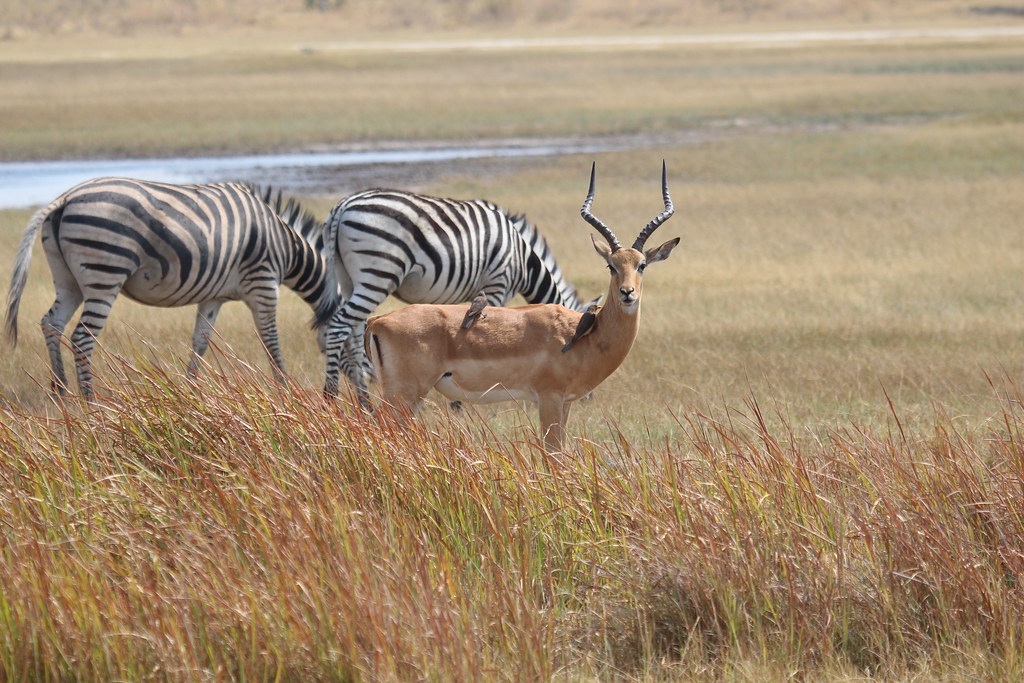
For most solo travellers, yes, as long as the trip style fits the budget: a group joining safari in Tanzania or Kenya gives the full game-viewing day at a shared price, and low season camps in Botswana remove the supplement altogether. A private solo safari is worth the premium mainly for photographers and repeat visitors.
| Style | Suits | Main drawback |
|---|---|---|
| Group joining | Budget, sociable travellers | Less control |
| Private | Photographers, repeat visitors | Single supplement |
| Lodge with shared drives | Comfort without a group | Peak season prices |
| Self-drive | Independent travellers | Driving alone |
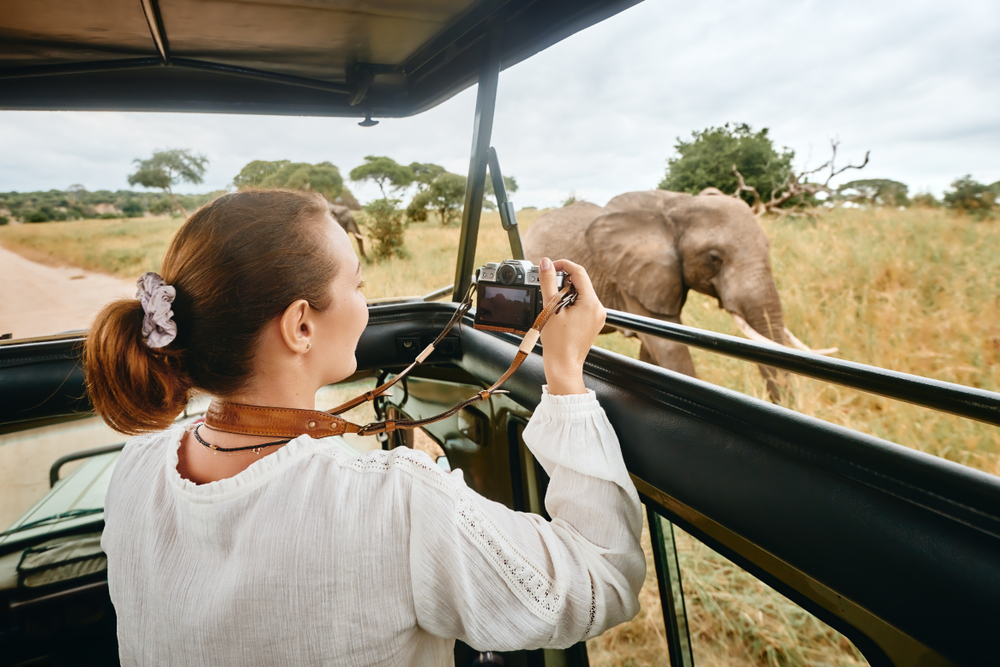
Solo travellers who post about their safaris mostly report that going alone worked, that cost was the hardest part, and that the guide shaped the trip. This section is drawn from 17 first-hand accounts posted on Reddit, TripAdvisor's forums and a public Facebook group, so treat it as a sample.
Cost came first. Five travellers named the single supplement or private vehicle cost as the main hurdle; one planned a 27 day trip through Botswana, Zimbabwe and South Africa with an agency specifically to avoid it, and a solo traveller on TripAdvisor described a 10 day Botswana trip in January where low season camps charged no supplement and the vehicle was theirs alone on 5 of the 10 days.
Company surprised people. One woman who joined an overland tour after friends dropped out said she made lasting friends, and a traveller on a group tour in Tanzania noted it mixed couples with many solo travellers. Another, who chose a private solo safari in Tanzania, said she got on with her guide and found no awkwardness.
Safety reports were mostly calm. A woman in her late fifties described a four week solo trip in Kenya without problems, and two others reported no issues on guided trips covering Tanzania, Uganda, Namibia and Botswana. The practical warning that recurs is to pre-arrange airport transfers, raised in a Kenya thread about persistent taxi touts outside Nairobi airport. One traveller who did Kenya solo said she would not repeat it, without giving a reason.

Yes. Solo travellers join group joining safaris, book private trips with a driver guide, or stay at lodges where game drives are shared with other guests. Gorilla treks in Uganda and Rwanda also mix solo trekkers into groups of up to eight.
Tanzania is the easiest for a first solo safari on a budget, because Arusha operators run shared northern circuit departures most days. Botswana and South Africa suit solo travellers who want lodges with shared game drives instead of a group tour.
On one Arusha operator's published rates, a 4 day mid-range private safari costs about 44 percent more for one person than for each of two. Joining a group departure or travelling in low season, when some camps waive the supplement, closes most of that gap.
Safaris are a well-managed way to travel alone, with guides and camp staff present throughout. Book licensed operators and pre-arranged transfers, and check your government's current advice, which can change and differs by region.
Not usually. Group joining safaris typically give each traveller a room and charge a supplement for single occupancy; some operators can pair you with another solo traveller to share a room or tent if you ask.
In Namibia and South Africa, yes, for confident drivers: roads and rest camps are set up for it. In East Africa a driver guide is the safer, simpler choice.
Insight Safari Holidays runs Uganda safaris with its own vehicles and guides and arranges solo trips across East Africa, from a Bwindi gorilla trek to shared northern circuit departures in Tanzania. Tell the team how you like to travel, and they will plan a route that keeps the solo premium down.