Top Safari Attractions in Africa
What are the most popular safari destinations in Africa?
Africa is a massive continent with some of the most incredible safari destinations in the world, each offering unique landscapes, wildlife, and adventures. Some of the most popular safari destinations include:
- Serengeti National Park, Tanzania: This is one of the most famous safari destinations on the planet. The Serengeti is best known for the Great Migration, where millions of wildebeest, zebras, and antelopes migrate in search of fresh grazing lands. You can often see lions, cheetahs, and crocodiles during this migration, making it a must-see for wildlife lovers.
- Maasai Mara National Reserve, Kenya: Connected to Tanzania’s Serengeti, the Maasai Mara is another iconic destination. It’s also part of the Great Migration route, offering superb chances to see big cats like lions and leopards. The reserve also showcases the Maasai culture, with opportunities to meet and learn from local tribes.
- Kruger National Park, South Africa: Kruger is one of Africa’s largest and most accessible parks, making it a favorite for first-time safari-goers. It is home to the famous “Big Five” animals (lion, leopard, elephant, rhino, buffalo) along with a vast array of other wildlife. The infrastructure here is great, with well-maintained roads and a range of accommodations.
- Okavango Delta, Botswana: This unique safari destination features wetlands and waterways that are perfect for boat and mokoro (dugout canoe) safaris. You can spot elephants, hippos, and countless bird species while gliding through the water. It’s a great place for those looking for a quieter, less crowded safari.
- Bwindi Impenetrable Forest, Uganda and Rwanda: Not all safaris are about the traditional savannah experience. In Bwindi, visitors can trek through thick forests to see endangered mountain gorillas. This experience is deeply moving and offers a chance to connect with wildlife in a more intimate way.
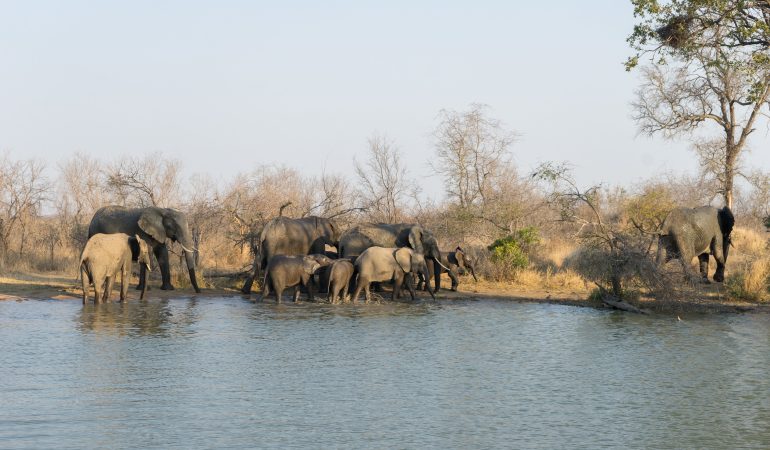
- Etosha National Park, Namibia: Known for its dramatic salt pans and desert landscapes, Etosha offers incredible chances to see wildlife gathering around waterholes, especially during the dry season. Elephants, giraffes, and predators like lions frequent these waterholes.
Each safari destination comes with its own unique appeal, from witnessing dramatic migrations to exploring lush forests. For example, if you’re excited about lions and open plains, the Serengeti might be perfect. If gorillas are your dream animals to see, Uganda or Rwanda is the way to go. These destinations have captivated wildlife enthusiasts for decades.
Which countries in Africa offer the best safari experiences?
Africa is home to many countries that offer unforgettable safari experiences. They differ based on landscape, type of wildlife, and budget-friendly options, allowing travelers to pick what suits them best. Let’s explore the top safari destinations by country:
- Kenya: Often called the “home of the safari,” Kenya is famous for its vast savannahs, rich wildlife, and indigenous cultures like the Maasai and Samburu people. The Maasai Mara, in particular, gives visitors a front-row seat to the Great Migration and has excellent chances of seeing the “Big Five.” Amboseli National Park is also popular for its breathtaking views of Mount Kilimanjaro and large herds of elephants.
- Tanzania: This country is equally famous, often seen as Kenya’s “neighboring safari rival.” It is home to the Serengeti, where you’ll find a huge number of animals during the migration season. Tanzania also has the Ngorongoro Crater, a unique volcanic caldera filled with diverse wildlife, and Tarangire National Park, known for its massive baobab trees and elephants.
- Botswana: For travelers wanting a quieter, more exclusive safari, Botswana is ideal. The Okavango Delta is its crown jewel, offering water-based safaris. Chobe National Park, on the other hand, is famous for its huge elephant populations and boat safaris along the Chobe River. Botswana prioritizes conservation, making it great for eco-conscious travelers.
- South Africa: South Africa is perfect for a mix of wilderness and luxury. Kruger National Park is a classic spot where safari roads are well-managed and accessible. Plus, private game reserves like Sabi Sands offer luxurious lodges and guided off-road drives for up-close animal encounters. Beyond safaris, South Africa also has vibrant cities and beautiful coastlines to explore.
- Uganda and Rwanda: These countries are smaller but well-known for gorilla trekking experiences in dense rainforests like Bwindi Impenetrable Forest and Volcanoes National Park. Seeing mountain gorillas in their natural habitat is often described as life-changing.
- Namibia: Safari in Namibia is distinct due to its surreal desert scenery. Etosha National Park offers incredible wildlife viewing, and the coastal desert region near the Skeleton Coast is stunningly unique.
Choosing a country depends on what you want to experience. For example, if you’re looking for a mix of adventure and luxury, South Africa might be best. If you love activities like gorilla trekking, head to Uganda or Rwanda.
What wildlife species can be encountered on an African safari?
An African safari offers the chance to encounter a fascinating variety of wildlife in their natural habitats. Every region in Africa has different animals based on its environment. One of the biggest attractions of an African safari is seeing the “Big Five” animals, lion, leopard, elephant, rhino, and buffalo, but there’s so much more to discover.
- Large Mammals: Apart from the Big Five, you’ll often see animals like giraffes grazing on treetops, zebras roaming in herds, and hippos wallowing in rivers. In savannah areas like the Maasai Mara or Serengeti, you’ll also find wildebeests, impalas, and antelopes moving together in impressive numbers.
- Carnivores: Predators are one of the highlights of any safari. In reserves like South Africa’s Kruger or Kenya’s Maasai Mara, lions tend to dominate. Cheetahs, known for their incredible speed, are another favorite. Leopards are harder to find since they’re nocturnal and love to stay hidden in trees, yet they’re exhilarating to spot.
- Primates: Some safaris offer rare primate encounters. In Uganda or Rwanda, safaris often involve trekking to see mountain gorillas in the wild. You might also spot chimpanzees in Uganda’s Kibale National Forest and baboons in open savannahs.
- Water-Dwellers: In river and lake-rich areas like Botswana’s Okavango Delta, expect to see animals like crocodiles and countless hippos. Flamingos also gather in huge numbers around lakes like Nakuru in Kenya.
- Birdlife: An African safari isn’t just about the big animals. Many destinations are a paradise for birdwatchers, featuring everything from colorful lilac-breasted rollers to massive ostriches.
- Endangered Species: Certain safaris focus on conservation. In Kenya and South Africa, you may visit rhino sanctuaries. On gorilla trekking safaris in Uganda, a portion of your fee often directly supports gorilla conservation efforts.
Each safari location will introduce you to specific wildlife depending on the environment. For example, Botswana is great for elephants, while Uganda specializes in gorilla encounters. A safari isn’t just about “seeing animals.” It’s about watching how animals live, like seeing lion cubs playing or an elephant herd crossing rivers. These encounters create memories you’ll cherish forever.
What are the Big Five animals, and why are they significant in African safaris?
The “Big Five” refers to five of the most iconic and sought-after animals on an African safari: the lion, leopard, elephant, rhino (rhinoceros), and buffalo. These animals were originally grouped together not because of their size but because of how difficult and dangerous they were to hunt on foot during the days of big game hunting in Africa. Today, the term is used less for hunting and more for wildlife viewing, symbolizing the ultimate goal for most safari travelers seeking a unique safari experience.
The Big Five are significant because they represent the pinnacle of African wildlife and are a major draw for people traveling from all over the world. Spotting all five in the wild is often seen as an amazing achievement, especially in renowned safari parks where their presence is more likely. For instance, while lions are often easier to find because they live in prides and sometimes lounge where people can see them, leopards are solitary creatures that hide in trees or dense brush, making them a highlight for those on safari tours.
Each of these animals plays an essential role in the ecosystem. For example, elephants are “ecosystem engineers,” meaning they modify their environment by knocking over trees to create space for grasslands, which helps other species. Rhinos, an endangered species, are important for maintaining grazing areas for smaller herbivores. The Big Five also help boost local economies because wildlife tourism is such an important industry in many African countries, contributing to the growth of the safari industry.
Safari guides often track and teach visitors about these magnificent creatures, making outings more exciting. For instance, watching a lioness hunt or spotting a leopard draped across a tree branch is an unforgettable moment for any traveler. These animals embody the essence of African wilderness, which makes them central to the safari vacation experience.
What is the best time of year to go on safari in Africa?
The best time to go on an African safari depends on what you want to see, but generally, the dry season in most safari countries is the ideal time. This typically occurs during the cooler months, from May to October.
During the dry season, water sources like rivers and watering holes dry up, forcing animals to gather in smaller areas around the remaining water. This makes it easier to spot them as they’re not hidden by thick vegetation, and you can often see multiple species together. For instance, you might spot elephants, zebras, giraffes, and lions all gathering near the same waterhole. Additionally, the dry season means fewer mosquitoes, making it more comfortable for safari travelers.
If you’re hoping to catch the Great Migration, where millions of wildebeest and zebras move across the Serengeti (Tanzania) into the Masai Mara (Kenya), the best months are usually July through October. You might even witness the dramatic river crossings, where wildebeest brave crocodile-infested waters.
However, if you’re a bird lover or enjoy lush, green landscapes, the wet season (November to April) is often better. This is when many animal species have their young, so you’ll see adorable baby animals. The wet season is also great for birdwatching because migratory birds arrive, adding vibrant colors to the landscape.
Timing your safari also depends on the country and reserve you’re visiting. For example, South Africa’s Kruger National Park is fantastic during the dry season (June to September), while Botswana’s Okavango Delta is perfect during its flood season (May to October). Always research the location and wildlife activity before planning your safari vacation.
Overall, the dry season is your safest bet for most wildlife safaris, but if you have specific wildlife or experiences in mind, you can tailor your trip accordingly.
What types of safaris are available, such as jeep safaris, walking safaris, or hot air balloon safaris?
There are many types of safaris available in Africa, each offering a unique way to experience the landscape, wildlife, and magic of the wilderness. Here are the most common ones:
- Jeep Safaris (Game Drives): This is the classic safari experience, where you explore the bush in a 4×4 vehicle. Jeeps can go across rugged terrain and allow you to cover wide areas, making it easier to find animals like lions, elephants, and giraffes. They’re great for families and first-timers because you can sit comfortably, and guides often give fascinating insights about the animals and environment.
- Walking Safaris: For a more intimate and adventurous experience, walking safaris let you explore the wilderness on foot, led by experienced guides. These safaris are less about spotting the Big Five and more about connecting with nature , seeing smaller details, like tracks, plants, and insects, that you’d miss from a vehicle. For example, you might learn how to identify fresh lion tracks or spot tiny dung beetles rolling their little balls of dung.
- Hot Air Balloon Safaris: This offers a breathtaking bird’s-eye view of the African savannah. Imagine floating peacefully above the plains at sunrise, seeing herds of animals like elephants and antelope from above. It’s a magical experience, especially in places like the Serengeti, where you can view the Great Migration in motion.
- Boat Safaris: If you’re near rivers or wetlands, like the Okavango Delta in Botswana, you can take water-based safaris. These involve small boats or canoes, allowing you to get up close to aquatic creatures like hippos, crocodiles, and colorful birds.
- Night Safaris: Most safari activities take place during the day, but night safaris let you explore after dark. With a spotlight, guides help you see nocturnal animals like leopards, hyenas, and owls that you’d rarely catch in daylight.
- Horseback or Cycling Safaris: For thrill-seekers, some reserves offer horseback safaris or cycling safaris where you explore the wilderness riding a horse or bike. These safaris give you the feel of being part of the landscape and are often best in areas without dangerous predators.
Each type of safari has its charm, and choosing one depends on your personal preferences. For example, couples might go for the romance of a hot air balloon safari, while thrill-seekers might prefer walking or horseback safaris. Many tourists combine different safari experiences to make their adventure even more memorable.
How much does an African safari typically cost?
The cost of an African safari can vary greatly depending on factors like the location, type of safari, length of stay, level of luxury, and the season you choose to travel. Generally, safaris are considered a “once-in-a-lifetime” type of trip, so costs are often seen as pretty high. However, with various safari options available, you can still find a range of choices to match different budgets.
For budget travelers, a basic safari might cost anywhere from $150-$350 per person, per day. These safaris usually involve group tours, simpler accommodations like camping or budget lodges, and fewer frills. Many safari travelers opt for these economical packages when visiting popular wildlife destinations.
In the mid-range category, you’ll find safaris costing around $350 to $750 per person, per day. These include more comfortable lodges or tents with nicer amenities and smaller group sizes. For example, you might stay in a spacious tented camp with running water and hearty meals, perfect for those seeking a unique safari experience.
Luxury safaris start at about $750 per person, per day but can go into the thousands, sometimes reaching $2,000 or more. These offer top-notch lodges, expert guides, gourmet food, and private game drives. For example, you could stay in a lodge overlooking wildlife-packed rivers or even opt for a private safari where you choose your itinerary.
Peak seasons (like the Great Migration in Tanzania and Kenya) will also drive up costs, while traveling during the off-season, known as the “green season,” can save you money because it’s less crowded, though wildlife may be harder to spot.
So, whether you’re a backpacker or someone craving ultimate luxury, there’s typically something for everyone. Be sure to research what’s included in the cost, sometimes packages cover meals, park fees, and transportation, while other times those extras add to the bill.
What are the top national parks and reserves for safari experiences in Africa?
Africa is filled with incredible national parks and reserves, and the best ones for safari experiences depend on the type of animals you want to see and the landscape you want to explore. Here are some of the top ones:
- Serengeti National Park (Tanzania): Known for the famous Great Migration, where millions of wildebeest and zebras move in search of food and water. It’s iconic for vast grasslands and predators like lions, cheetahs, and hyenas.
- Maasai Mara National Reserve (Kenya): This is an extension of the Serengeti and is famous for its lion populations and being a major part of the Great Migration. It’s also a great place to see rich Maasai culture.
- Kruger National Park (South Africa): One of Africa’s largest parks, it’s famous for easy self-drive safaris and offering visitors a chance to see the Big Five (lion, leopard, elephant, buffalo, and rhino).
- Chobe National Park (Botswana): Famous for massive elephant herds, river safaris, and a chance to see animals up-close as they drink from the Chobe River.
- Etosha National Park (Namibia): Known for its dramatic salt pans, Etosha is home to elephants, big cats, and unique desert-adapted wildlife.
- Okavango Delta (Botswana): A stunning wetland area where you can explore by boat or mokoro (a type of canoe) and see hippos, crocodiles, and a wide range of birdlife.
- Hwange National Park (Zimbabwe): Known for its vast elephant populations and diverse wildlife, it’s less crowded compared to some other parks.
- Gorilla Parks in Rwanda & Uganda: Though not traditional safaris, places like Volcanoes National Park in Rwanda or Bwindi Impenetrable Forest in Uganda allow close encounters with endangered mountain gorillas.
- South Luangwa National Park (Zambia): Famous for walking safaris, it gives you a unique perspective on wildlife, including leopards and wild dogs.
These parks offer unique experiences. For instance, Chobe excels in water-based safaris, while Kruger is ideal for first-timers because of its infrastructure. Research which park aligns with your wildlife and adventure goals.
What accommodations are available during a safari, and do they differ by region or country?
On a safari, accommodations can range from basic to ultra-luxurious, giving every traveler something to suit their budget and comfort needs. What you choose will depend on the country, park, and style of safari.
- Camping: For budget travelers, camping is a popular option. In places like Kenya’s Maasai Mara or Tanzania’s Serengeti, campsites offer simple tents with basic facilities. Some campsites are “mobile,” meaning they move depending on where the wildlife is. An example is seeing the herds during the Great Migration.
- Tented Camps: These offer a step up from basic camping. The tents are spacious, with proper beds and sometimes even en suite bathrooms. For example, in South Africa or Botswana, many lodges run tented camps with fantastic views, like overlooking the Okavango Delta.
- Safari Lodges: These are mid-range to high-end hotels built close to or even inside national parks. They provide comfort, with permanent structures, restaurants, and sometimes pools. For example, Kruger National Park has lodges that cater to both luxury travelers and those on a budget.
- Luxury Safari Lodges and Camps: In countries like Botswana and Kenya, luxury lodging is next-level. These come with private plunge pools, gourmet meals, and even your own safari guide and vehicle. Expect to wake up in villas overlooking roaming elephants.
- Treehouses: Unique options include treehouses and raised platforms offering immersive outdoor experiences. For example, in Zambia’s South Luangwa, some accommodations let you sleep under the stars with wildlife below.
- Community Conservancies: These accommodations are designed to support local communities. In Kenya, for example, some safari experiences work directly with local tribes like the Maasai people.
Accommodations can vary by region. East African safaris (Kenya, Tanzania) often use tented camps near migration routes. Southern Africa (Botswana, South Africa) excels in offering boutique lodges and wildlife-focused design.
No matter where you go, accommodations are set to connect you with nature. Even budget options usually let you wake up to the sounds of wildlife nearby.
What safety precautions should be taken while on a safari in Africa?
Safety should always be a priority when you’re on a safari in Africa because you are in the wild and entering the natural habitat of large, potentially dangerous animals like lions, elephants, and rhinos. Here are important precautions to keep in mind, explained simply:
First, always listen to your guide. Safari guides are highly trained professionals who know a lot about the animals and how they behave. They will give you instructions during the trip, like when it’s okay to take pictures or where you should remain quiet. For example, if a guide tells you to stay inside the jeep, it’s for a good reason, wild animals sometimes see the vehicle as non-threatening, but if you step outside, they may see you as a danger (or a snack!).
Second, don’t try to interact with the animals. It’s tempting to get close to animals like elephants to take a photo or feed them, but this can be really dangerous for you and the animals. For instance, lions may look calm when they’re lying down, but they can charge suddenly if they feel threatened. Also, feeding wild animals disrupts their natural behavior and diet, which can harm them in the long run.
Another tip is to stay aware of your surroundings at all times, especially during walking safaris, where you’re on foot. If you live in a city, you might not instinctively look for predators. Make sure to follow your guide’s lead, who will know how to spot tracks, sounds, or behaviors that indicate nearby wildlife.
Don’t forget the smaller details, too! Pack insect repellent because mosquitoes and other bugs can carry diseases like malaria. Stay hydrated by drinking plenty of water, and wear sunblock or a hat to avoid sunburn in open areas.
Finally, don’t wander off on your own or leave designated paths. Whether you’re in a jeep or walking, staying with your group is crucial for safety. For example, if you leave the group and encounter a dangerous animal, there won’t be anyone to help keep you safe. In summary, respect the environment, follow the rules, and always trust your guide to ensure a safe and enjoyable safari!
What is the cultural significance of safaris in African history and local communities?
Safaris have a long and complex history in Africa, and their cultural significance has changed over time. The word “safari” comes from the Swahili language, meaning “journey,” and refers to the traditional exploration of African lands. However, safaris today are much more about tourism than the original meaning of the journey. In fact, many travelers now seek unique safari experiences that highlight the stunning landscapes of East Africa and its wildlife.
During colonial times, safaris were very different from what we think of now. Wealthy European explorers and hunters would come to Africa to hunt big game animals like lions, elephants, and leopards. This was seen as a way to show power and bravery, but unfortunately, it caused plenty of harm to wildlife populations and disrupted local ecosystems. Many local African communities were used as porters, guides, or cooks on these trips, which showed the colonial inequality of the time.
Today, safaris have a more positive role in African culture and history. Modern safaris focus on conservation and appreciation of wildlife rather than hunting. Local communities, once excluded or exploited, now play important roles in managing safari lodges, working as guides, and sharing their traditions with tourists. For example, the Maasai people in Kenya and Tanzania often welcome tourists to their villages, where they perform traditional dances or share stories about their way of life. This shift allows for a perfect safari experience that benefits both visitors and local cultures.
Safaris are also symbolic of Africa’s rich biodiversity and emphasize the importance of protecting these natural treasures for future generations. By visiting a safari on organized trips that work with local communities, tourists can contribute to conservation programs and help create a sustainable source of livelihood for those living nearby. In short, safaris have shifted from a history of exploitation to an opportunity for both cultural exchange and environmental protection, making them a vital aspect of the safari industry today.
How can travelers ensure their safari is eco-friendly and supports wildlife conservation efforts?
Traveling in an eco-friendly way during a safari means making choices that minimize your impact on nature and help preserve wildlife for the future. Here’s how you can ensure a positive environmental and social footprint while on safari:
First, choose safari operators or tour companies that are committed to conservation and sustainability. Many reputable companies work closely with national parks, wildlife reserves, and local communities to ensure their safaris don’t harm the environment. For example, some lodges use solar power, minimize waste, or donate part of their profits to protect endangered species. Do some research before you book to ensure your money supports good practices and conservation projects rather than exploiting resources.
Second, pack responsibly. Avoid bringing items that could become litter, like single-use plastic bags or bottles. Instead, bring a reusable water bottle and other eco-friendly gear. If you’re buying souvenirs, pay attention to what they’re made of, avoid anything made from animal products like ivory, which is illegal and contributes to poaching.
Next, while on safari, respect the natural environment. For example, stay on designated paths during game drives to avoid damaging plants or disturbing animal habitats. Don’t pick plants, disturb animals, or try to interact with wildlife, no matter how harmless it seems. Even shouting or making loud noises can stress the animals, so keep a safe distance and stay as quiet as possible.
It’s also essential to support local communities. Many eco-friendly safaris work in partnership with nearby villages, ensuring that locals benefit from tourism. This might include hiring local guides, purchasing handmade crafts, or staying in lodges that are owned and operated by community members. When locals benefit financially, they’re more invested in protecting the land and wildlife.
Lastly, avoid activities that could exploit animals, like riding elephants or taking pictures with “trained” wild animals. These activities often involve cruelty behind the scenes. A truly eco-friendly experience is one that puts wildlife and local communities first.
By choosing responsibly, you’re helping to protect Africa’s unique landscapes and species and ensuring that future generations can enjoy its wonders too!