Three of southern Africa’s best game viewing areas in one trip: the falls on the Zambezi, the elephant herds of the Chobe River and the floodplains of Moremi in the Okavango Delta.

Inquire Now
Inquire Now
An 8-day southern Africa safari: two nights at Victoria Falls, two on the Chobe River for elephants by boat and vehicle, and three in Moremi Game Reserve in the Okavango Delta, ending in Maun.
Three of southern Africa’s best game viewing areas in one trip: the falls on the Zambezi, the elephant herds of the Chobe River and the floodplains of Moremi in the Okavango Delta.
This route links three very different kinds of game viewing in a week: the Victoria Falls and the Zambezi, elephants by boat on the Chobe River, and predator-rich floodplains in Moremi. Short road transfers and two light-aircraft flights keep travel time low, and the camps in the Khwai area add night drives and walks that the national parks do not allow. It suits travellers who want southern Africa's highlights in one trip without long days on the road.
You land at Victoria Falls International Airport in Zimbabwe, where our representative meets you and drives you about 20 minutes into Victoria Falls town. From the hotel you can hear the falls and, on most days, see the spray rising above the trees, which is why the Kololo people called them Mosi-oa-Tunya, “the smoke that thunders”. After checking in and having lunch, you are collected in the late afternoon for a sunset cruise on the upper Zambezi River, above the falls. The boat drifts past islands where hippos surface, elephants sometimes cross between the banks and crocodiles bask on the sand, while you watch the sky turn orange over Zambia with a drink in hand. Back at the hotel the evening is free; the town has a handful of good restaurants within walking distance. Overnight at Ilala Lodge or Victoria Falls Safari Lodge.
After breakfast our guide walks you through the rainforest path on the Zimbabwe side, which follows the edge of the gorge with viewpoints straight across at the falling water. The falls are about 1,708 metres wide and drop up to 108 metres into the gorge, and they have been a UNESCO World Heritage Site since 1989. From March to May, after the rains upstream, the flow is at its highest and the spray soaks you, so a raincoat is handy; from September to December the flow drops and you see more of the rock face. The tour takes about two hours, and the rest of the day is free. Popular options are a helicopter flight over the falls, a visit to the Victoria Falls Bridge, or high tea at the old Victoria Falls Hotel with a view of the bridge and the gorge. Overnight at Ilala Lodge or Victoria Falls Safari Lodge.
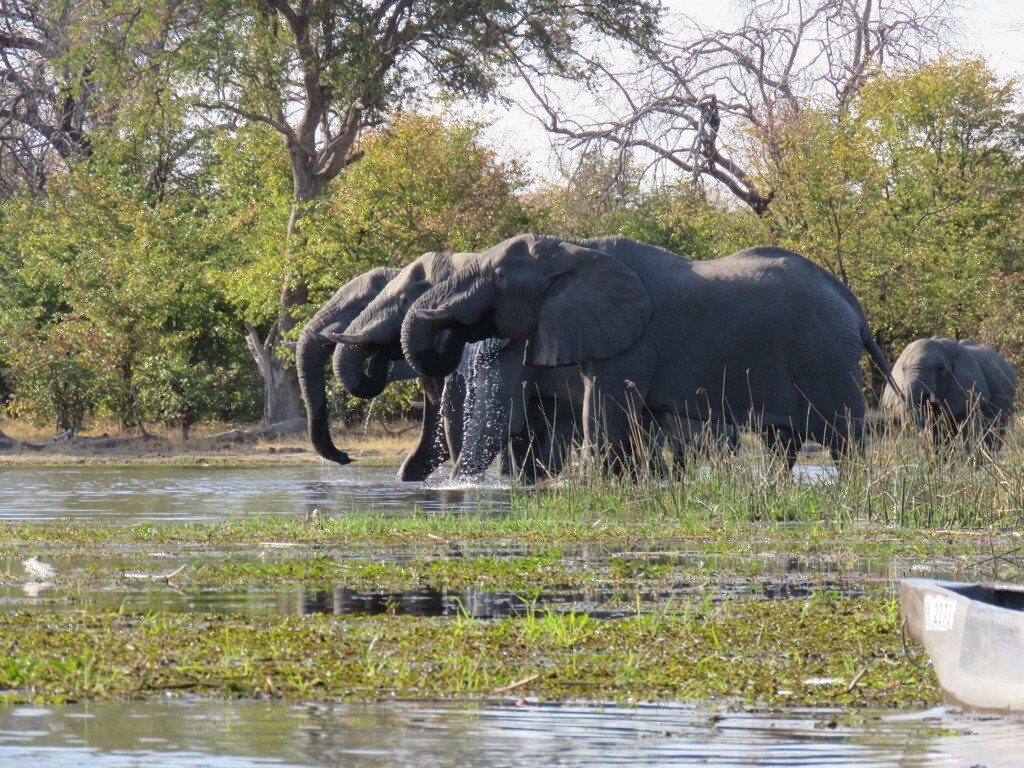
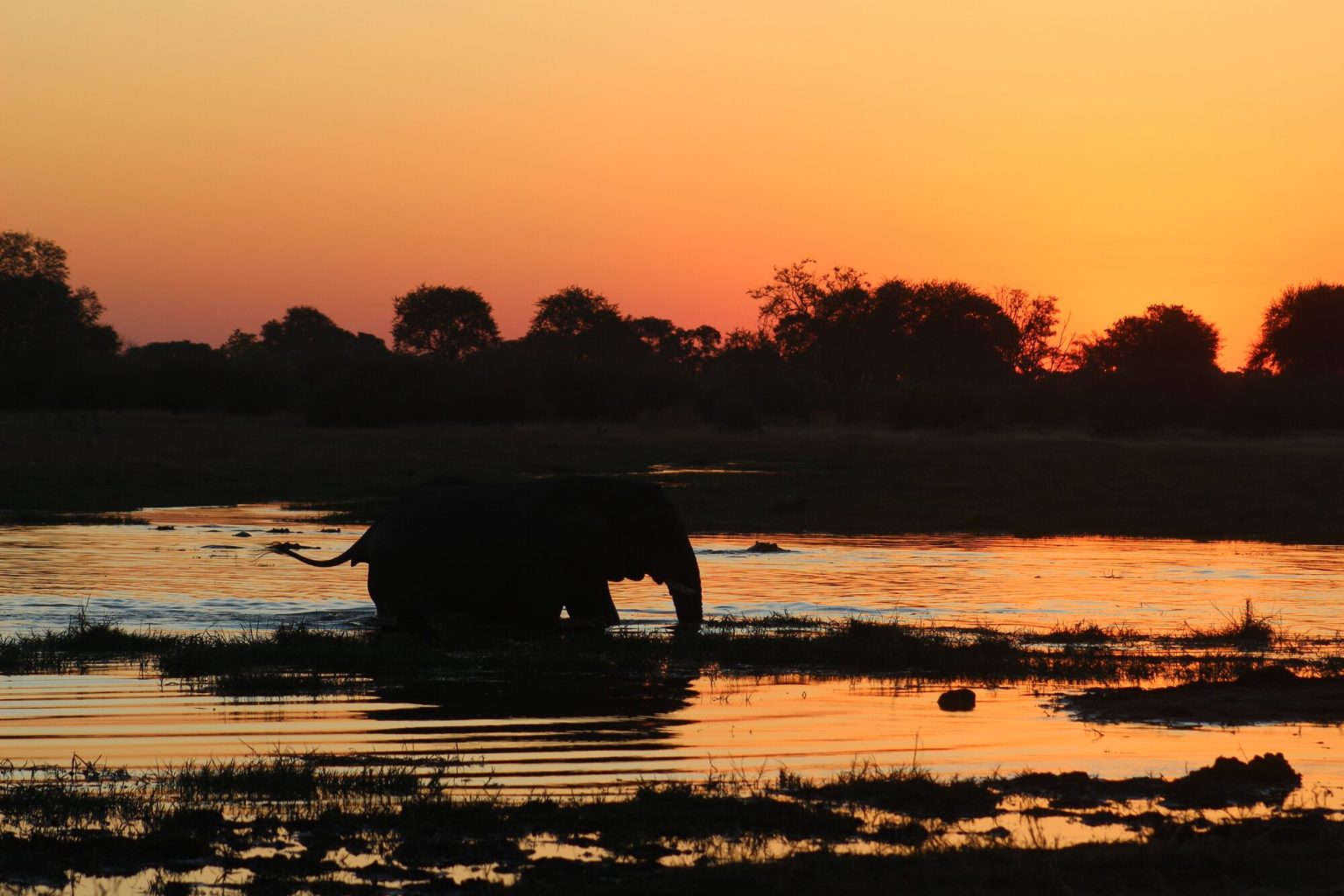
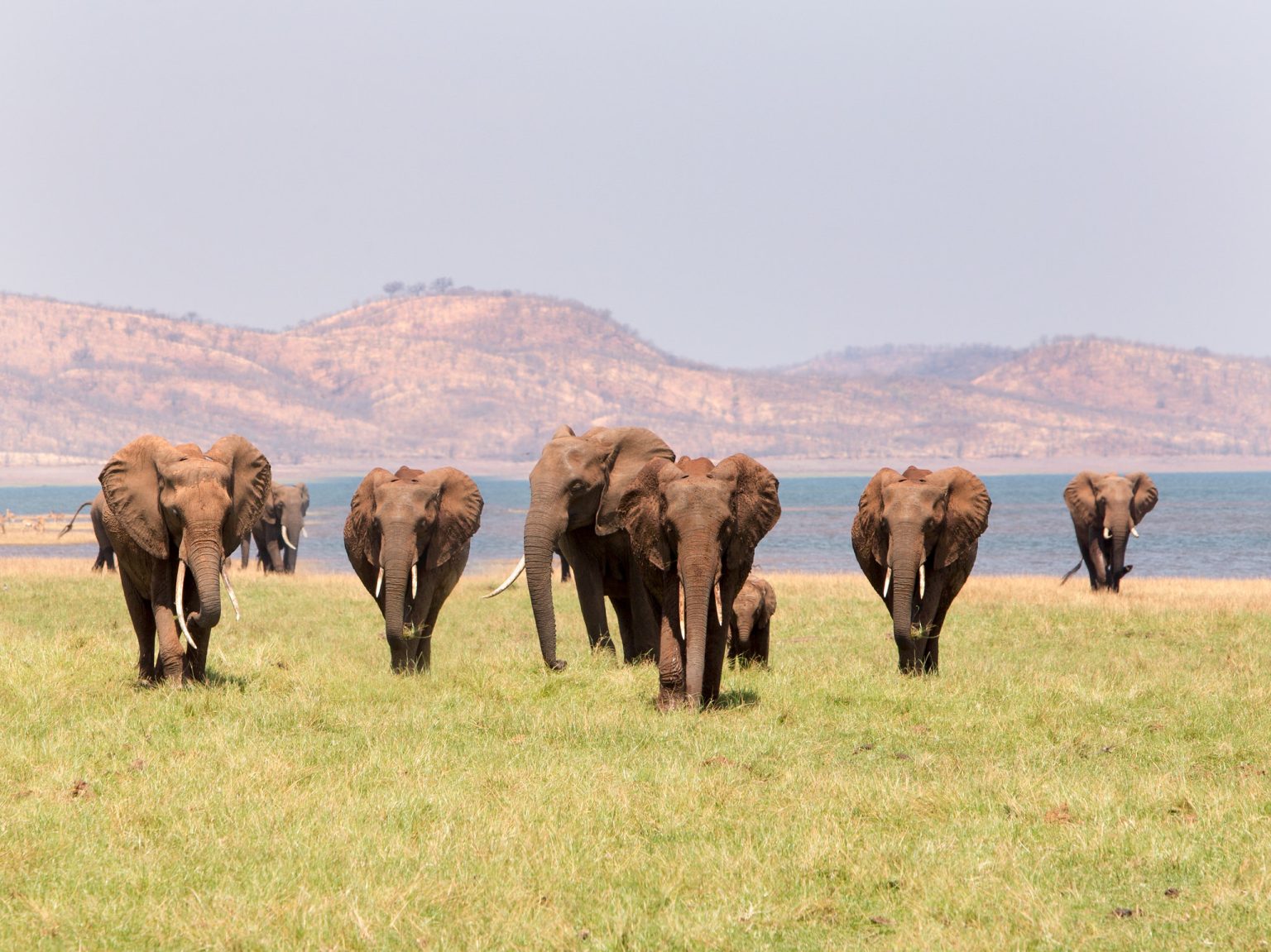
You leave Victoria Falls after breakfast for the road transfer to Kasane in Botswana, about 80 km and one and a half hours, including the border crossing at Kazungula. Kasane is the gateway to Chobe National Park, which covers about 11,700 square kilometres. Botswana holds the largest elephant population in Africa, about 130,000, and in the dry season a large share of them come down to the Chobe River to drink. After lunch you board a boat for an afternoon cruise along the riverfront, the best way to watch elephant herds swimming between the islands, buffalo grazing on the floodplain, hippos, crocodiles and a long list of water birds, from African skimmers to fish eagles. You return to the lodge as the sun sets over the Namibian bank. Dinner and overnight at Chobe Safari Lodge or Chobe Game Lodge.
The park gate opens at sunrise, and you are there for a morning game drive along the Chobe riverfront, about three to four hours. This strip of floodplain and teak woodland holds lion prides, leopard, sable and roan antelope, the Chobe bushbuck and the puku, a small antelope found in few other places in Botswana. Elephant herds move along the river all day, and the sandy tracks often stop you for a family crossing in front of the vehicle. You return to the lodge for brunch and a break in the heat, then head out again in the afternoon, either on a second boat cruise or a game drive, depending on what you most enjoyed the day before. Dinner and overnight at Chobe Safari Lodge or Chobe Game Lodge.
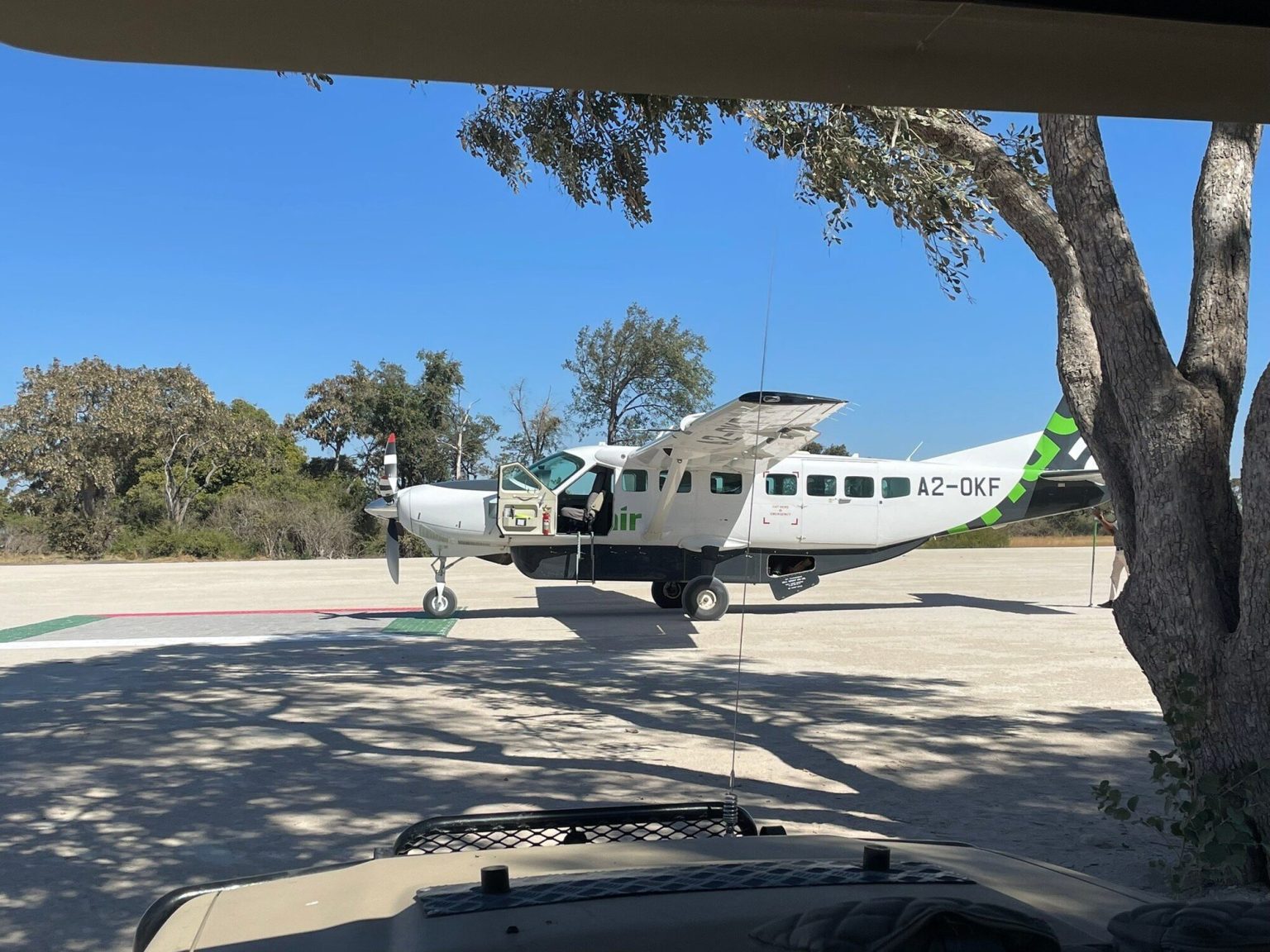
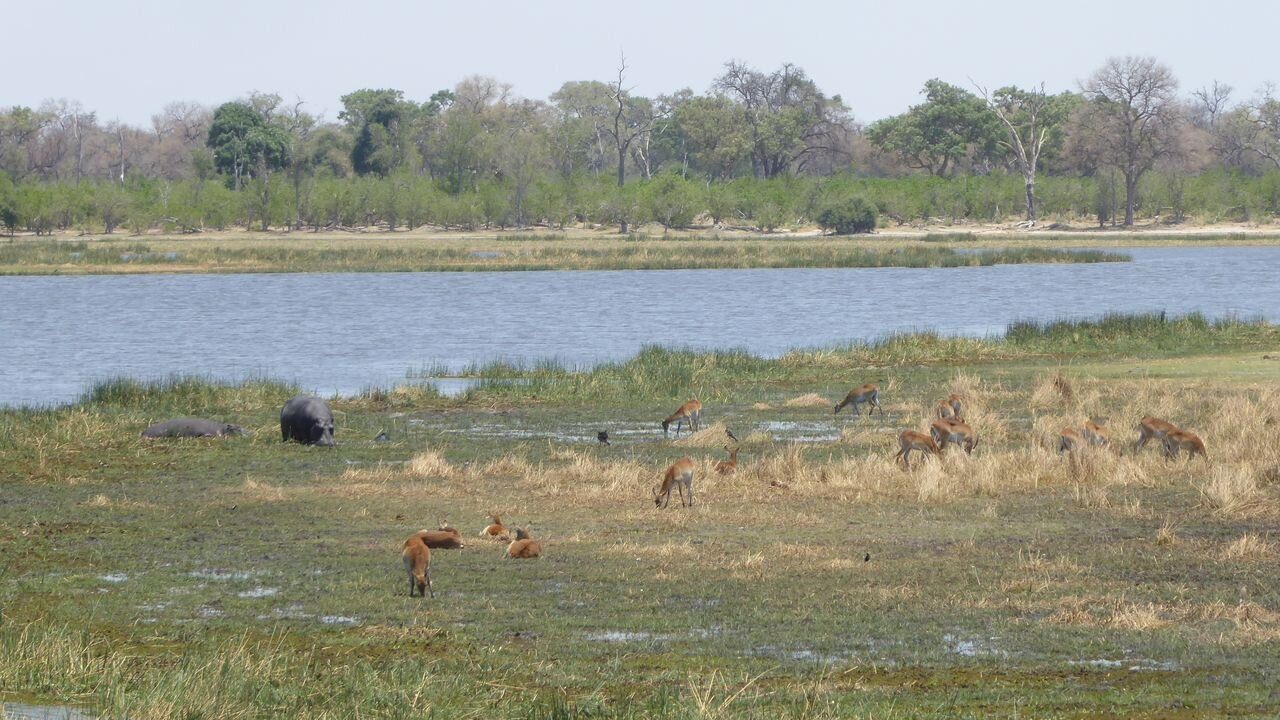
After breakfast you transfer to Kasane Airport for a light-aircraft flight of about one hour south-west to an airstrip in the Moremi area. From the air you see the Chobe and Linyanti swamps give way to the channels and islands of the Okavango Delta, which became the 1,000th site on the UNESCO World Heritage List in 2014. Your guide meets you at the airstrip and the drive to camp is your first game drive. Moremi Game Reserve covers about 4,900 square kilometres and was set aside in 1963 by the BaTawana people of the area to protect their land from over-hunting. In the afternoon you head out on a drive along the Khwai River, where elephant, hippo, red lechwe and wild dog are seen often. Dinner and overnight at Machaba Camp or Khwai River Lodge.
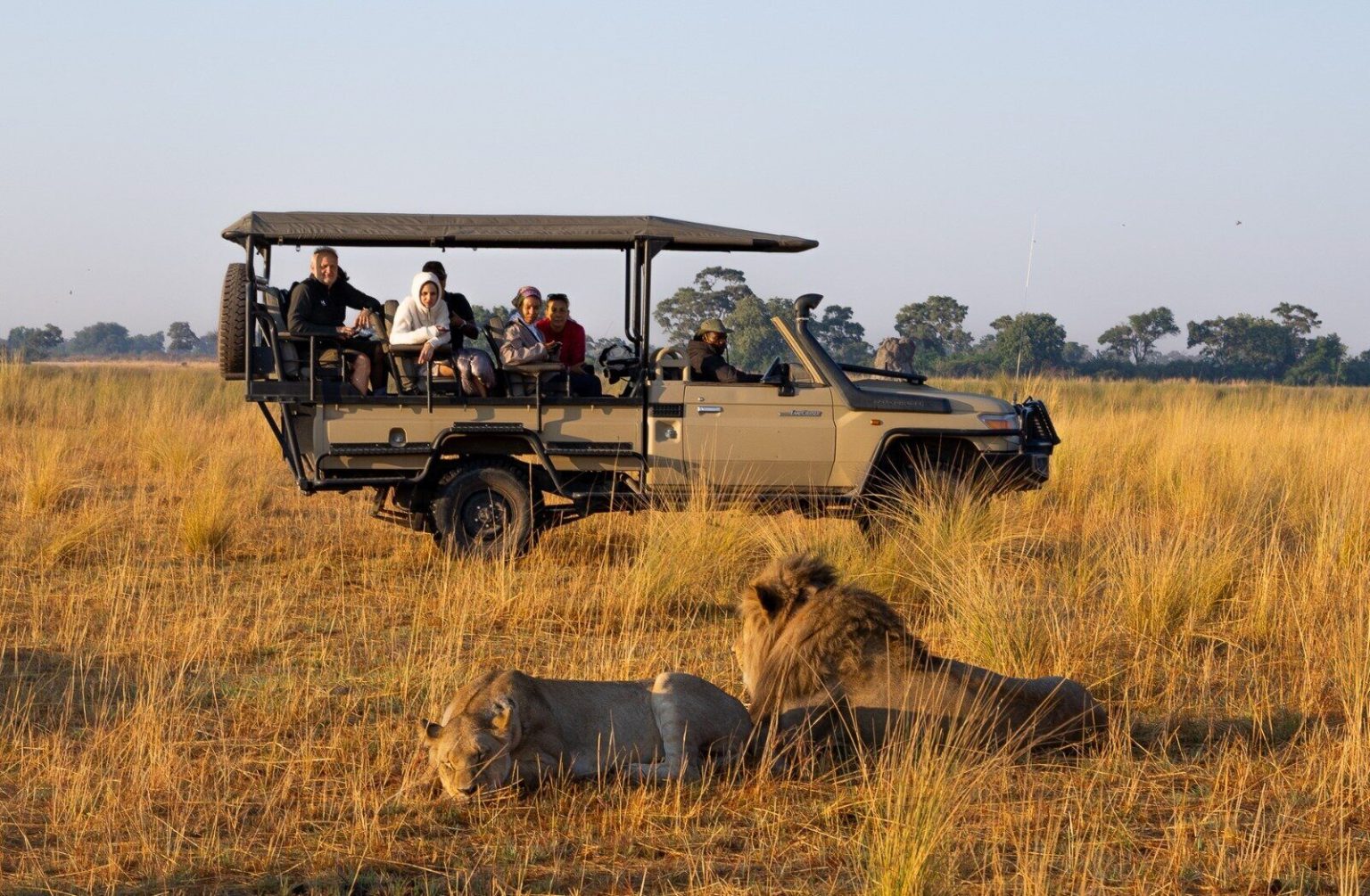
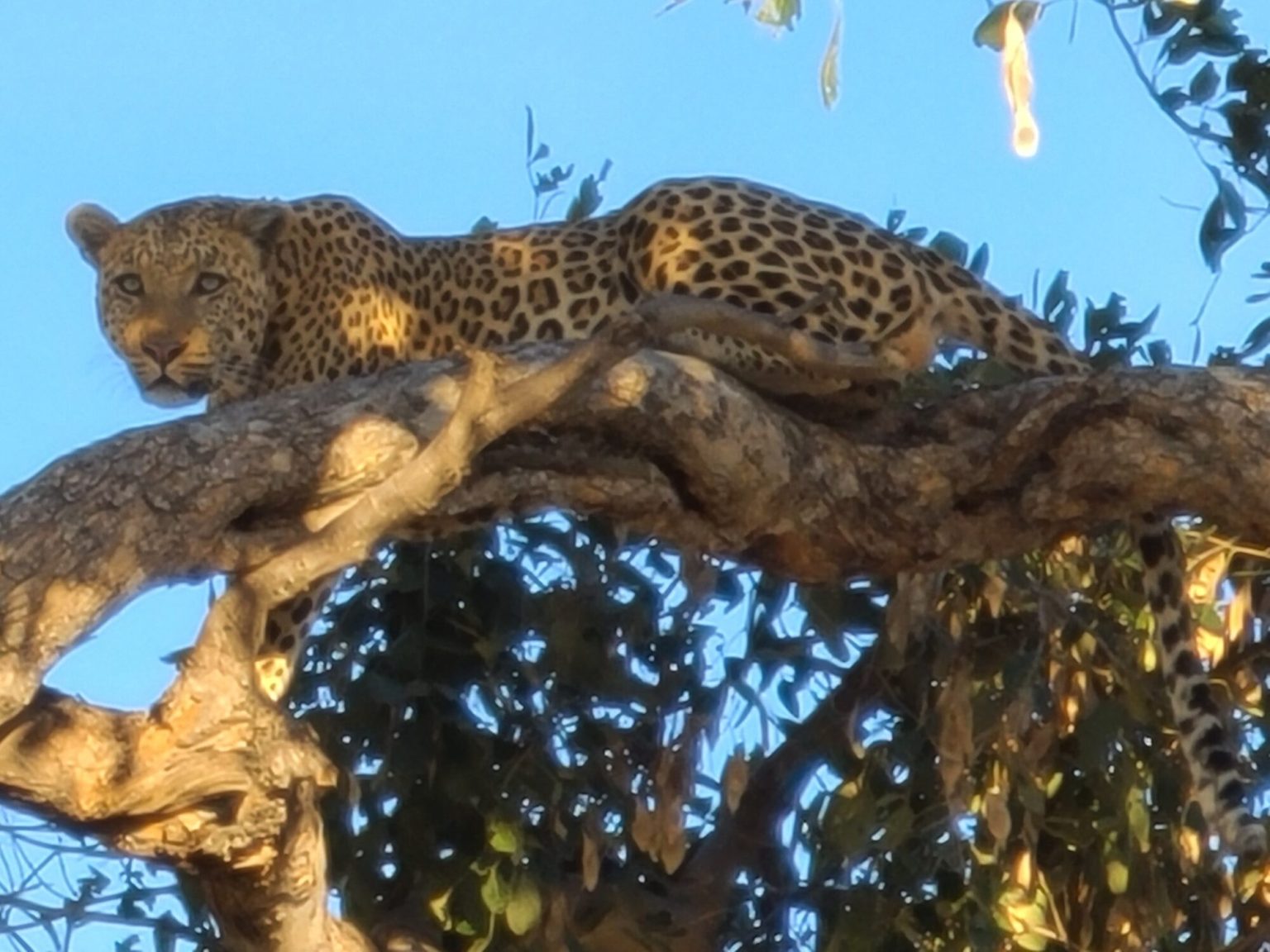
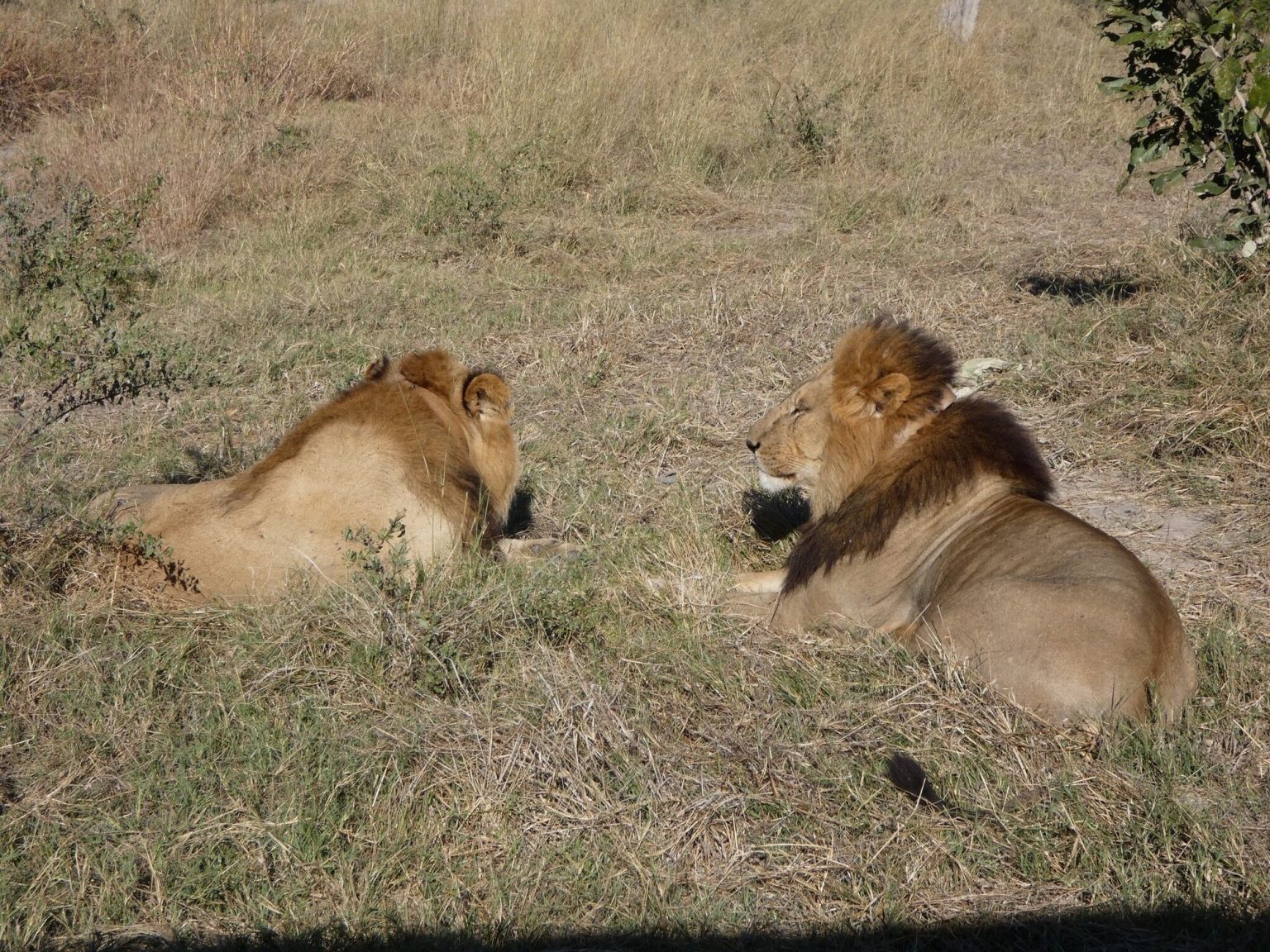
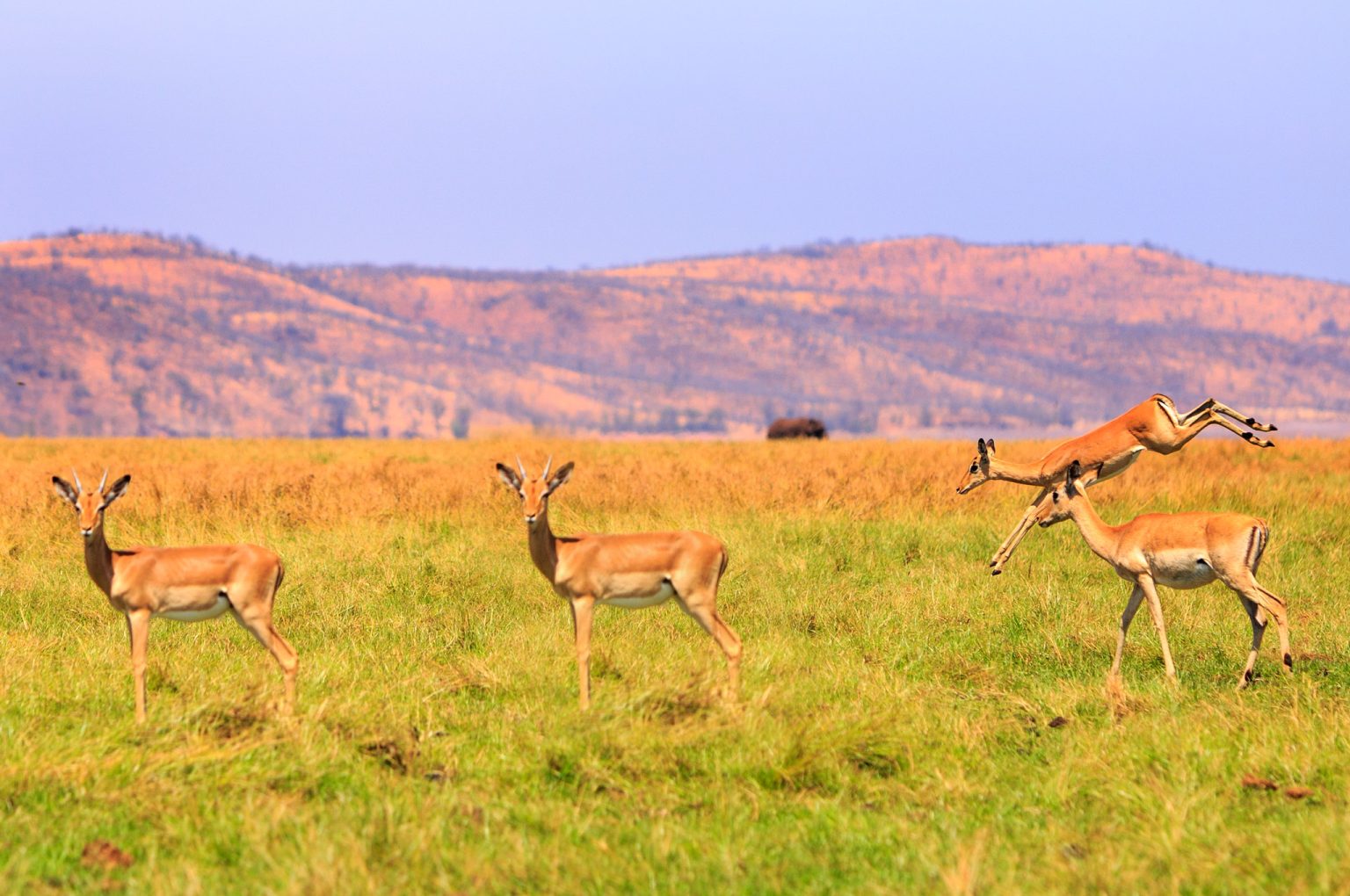
You spend a full day exploring Moremi and the Khwai area with morning and afternoon drives. The mix of water and dry land here supports some of the best predator viewing in southern Africa: lion prides, leopard in the riverside trees, spotted hyena and the African wild dog, for which northern Botswana is one of the strongholds. The floodplains are full of impala, red lechwe, tsessebe, zebra and giraffe, and the lagoons hold hippo and a wide range of birds, including the wattled crane and the Pel’s fishing owl in the tall trees. Because the Khwai concession is community land rather than a national reserve, camps there can offer night drives and guided walks, which are not allowed inside the reserve itself. Dinner and overnight at Machaba Camp or Khwai River Lodge.
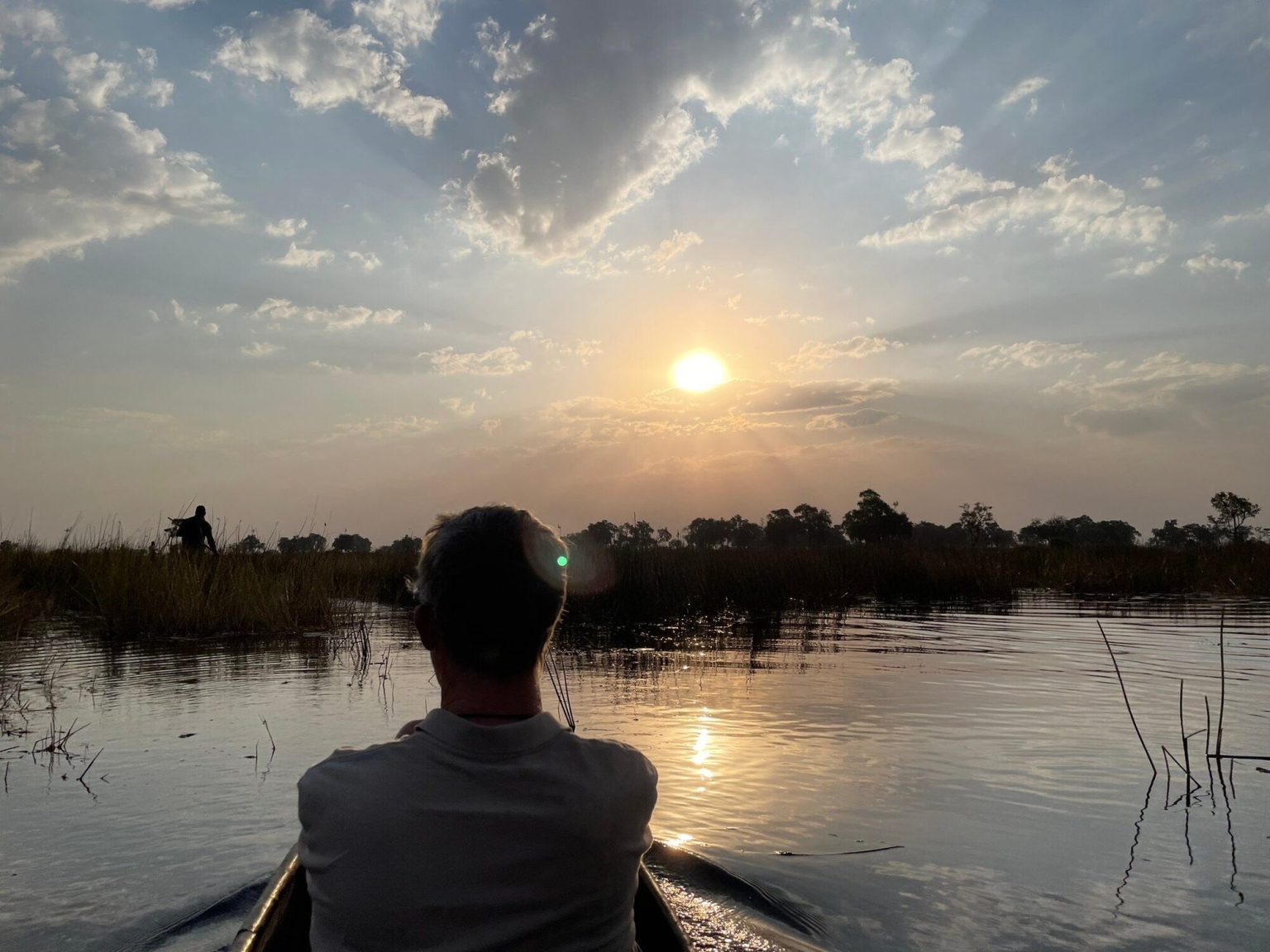
Today you see the Delta from the water. Depending on the water level, which peaks from about June to August after the floods arrive from Angola, you set out by mokoro, the traditional dugout canoe now made from fibreglass, or by motorboat along the channels. The poler stands at the back and pushes you through the reeds and water lilies, past reed frogs, kingfishers and jacanas, with hippos kept at a safe distance. If the water is low, the morning becomes a game drive instead. After lunch and a rest, your last afternoon drive ends with sundowners on the edge of a floodplain as elephants come to drink. Dinner and overnight at Machaba Camp or Khwai River Lodge.
A short early drive gives you one more chance at the animals you have missed. After breakfast you fly from the local airstrip to Maun, a flight of about 30 minutes, where you connect with your flight to Johannesburg or onward to Cape Town. If you have more time, Maun is also the starting point for the Makgadikgadi Pans and the Central Kalahari.
If you want the falls at full flow and the Delta full of water, travel from June to August. For the most concentrated game on the Chobe riverfront, September and October are best, though the falls are lower then. Light aircraft in Botswana carry about 20 kg per person in soft bags.
Zimbabwe for the first two nights at Victoria Falls, then Botswana for Chobe and Moremi. The KAZA UNIVISA covers Zimbabwe and Zambia for many nationalities; most visitors do not need a visa for Botswana.
It gives you two nights at each of the falls and Chobe and three in Moremi, which is enough for a strong safari. A fourth night in the Delta or a night in the Linyanti would add more predator time.
May to October is the dry season, when game gathers at the water. June to August has high water in the Delta for mokoro trips and full flow at the falls. September and October are hot but give the best game on the Chobe riverfront.
Elephant, buffalo, lion and leopard are seen on most trips. Rhino is not part of this route; Botswana's rhinos are few and closely protected.
About 20 kg per person, including hand luggage, in soft bags. We can store extra bags if needed.
In Maun, where you connect with a flight to Johannesburg or on to Cape Town.

A 3-day camping safari from Maun into the Okavango Delta in Botswana, with two nights at a tented camp, mokoro (dug-out canoe) trips, guided walks…
Safari Details
An 8-day Botswana safari from Maun with mokoro trips and nature walks in the Okavango Delta, game drives in Moremi, Savuti and along the Chobe…
Safari Details
A 6-day Botswana safari from Maun with game drives in Moremi Game Reserve, a boat safari in the Okavango Delta, game drives in the Khwai…
Safari Details