On foot in the valley where walking safaris began: small bushcamps, an armed scout at the front and the Luangwa River never far away.

Inquire Now
Inquire Now
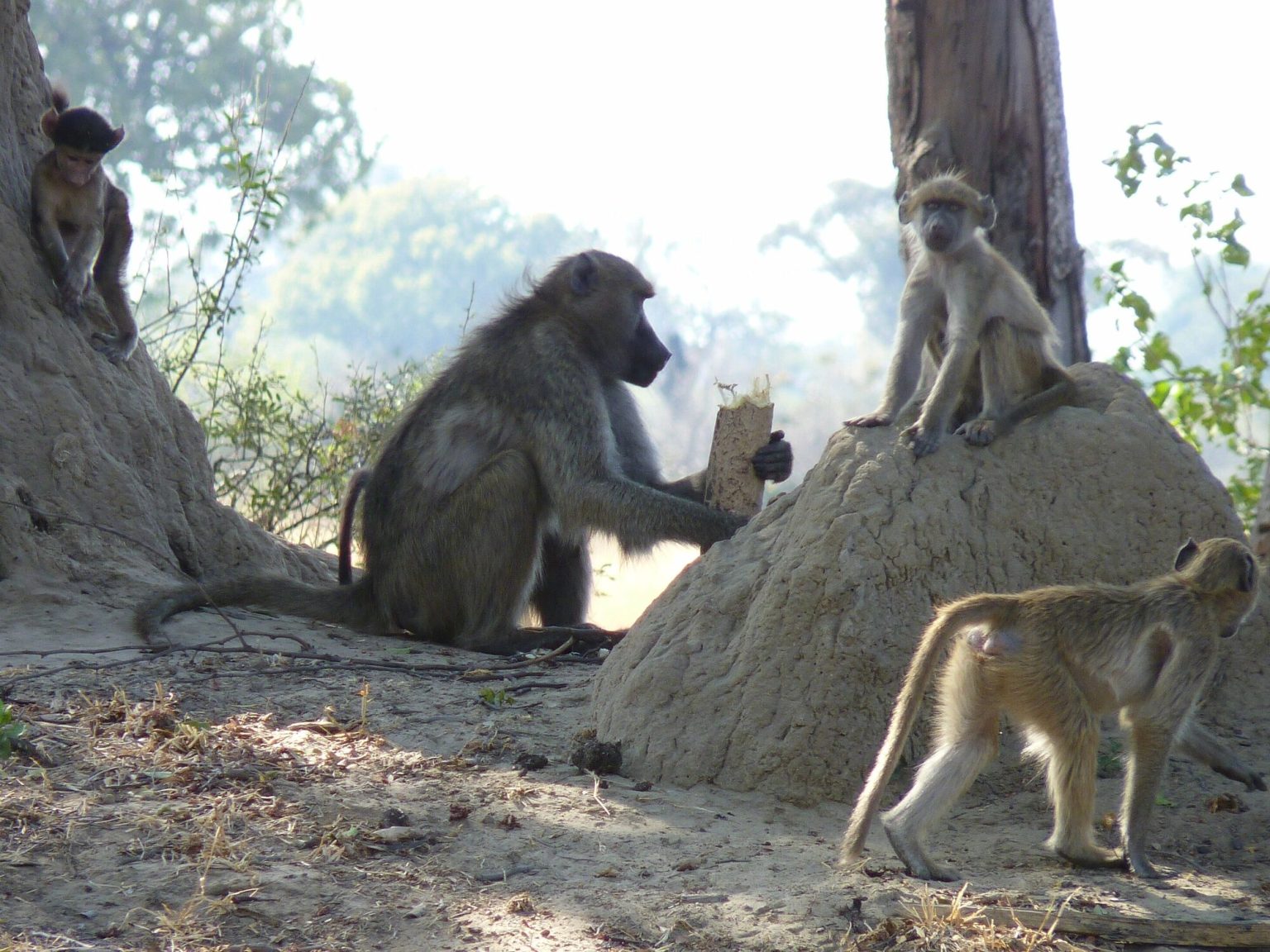
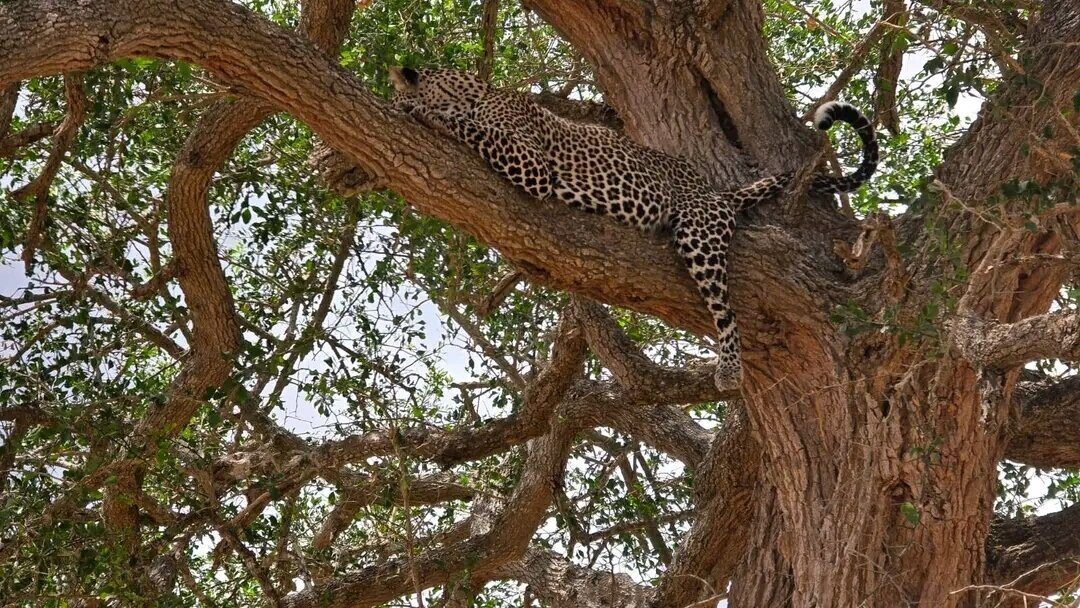
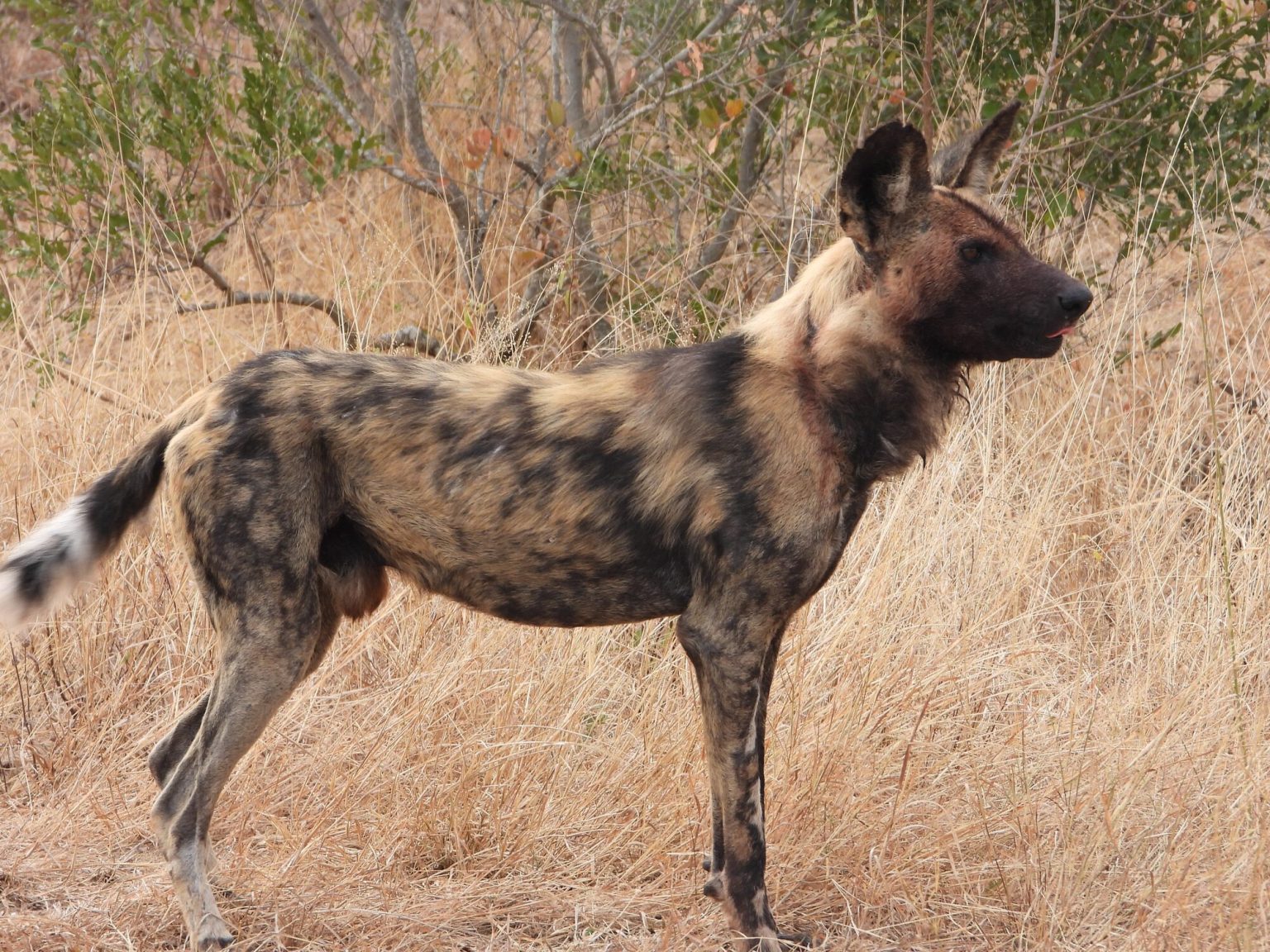
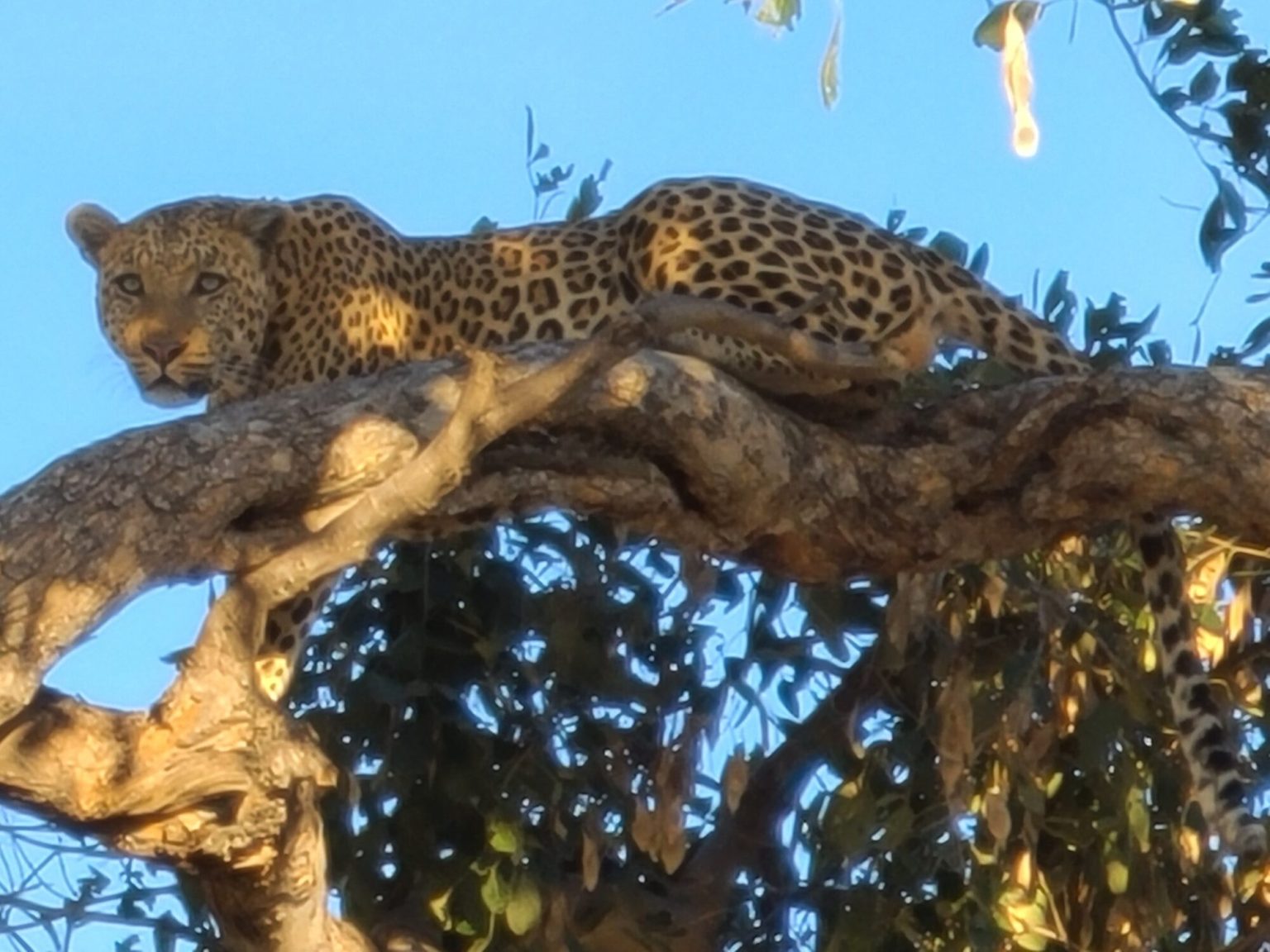
A 5-day walking safari in South Luangwa National Park, Zambia, where walking safaris began: guided bush walks with an armed scout, moving between two small bushcamps, plus game drives and night drives.
On foot in the valley where walking safaris began: small bushcamps, an armed scout at the front and the Luangwa River never far away.
South Luangwa is where African walking safaris began, and it still has some of the best walking guides on the continent. This 5-day trip spends most of its time on foot, with two nights at each of two small bushcamps and a walk between them, while afternoon and night drives keep the big game on the list. It suits travellers who have done a vehicle safari before and want to slow down and see the bush at walking pace.
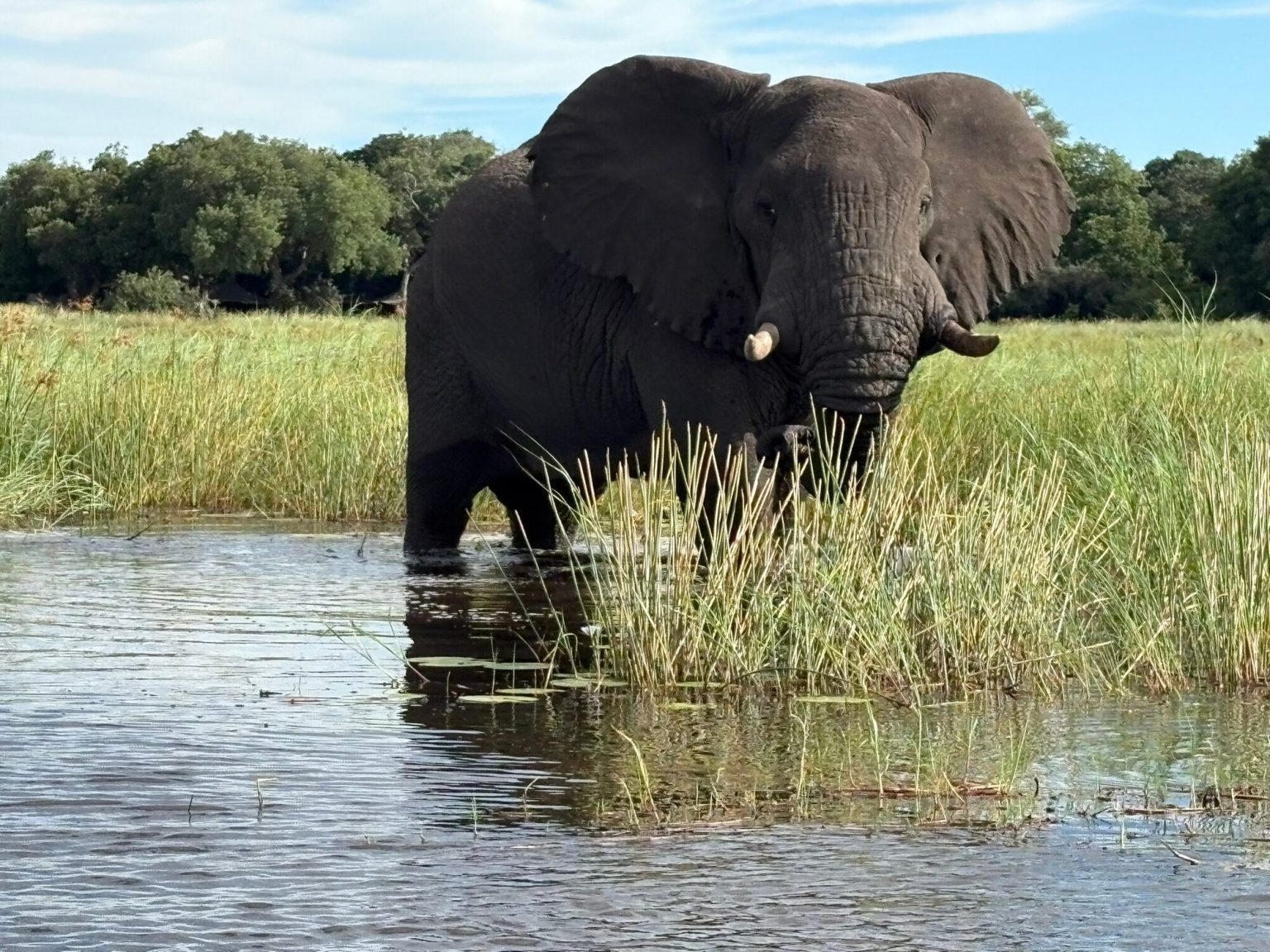
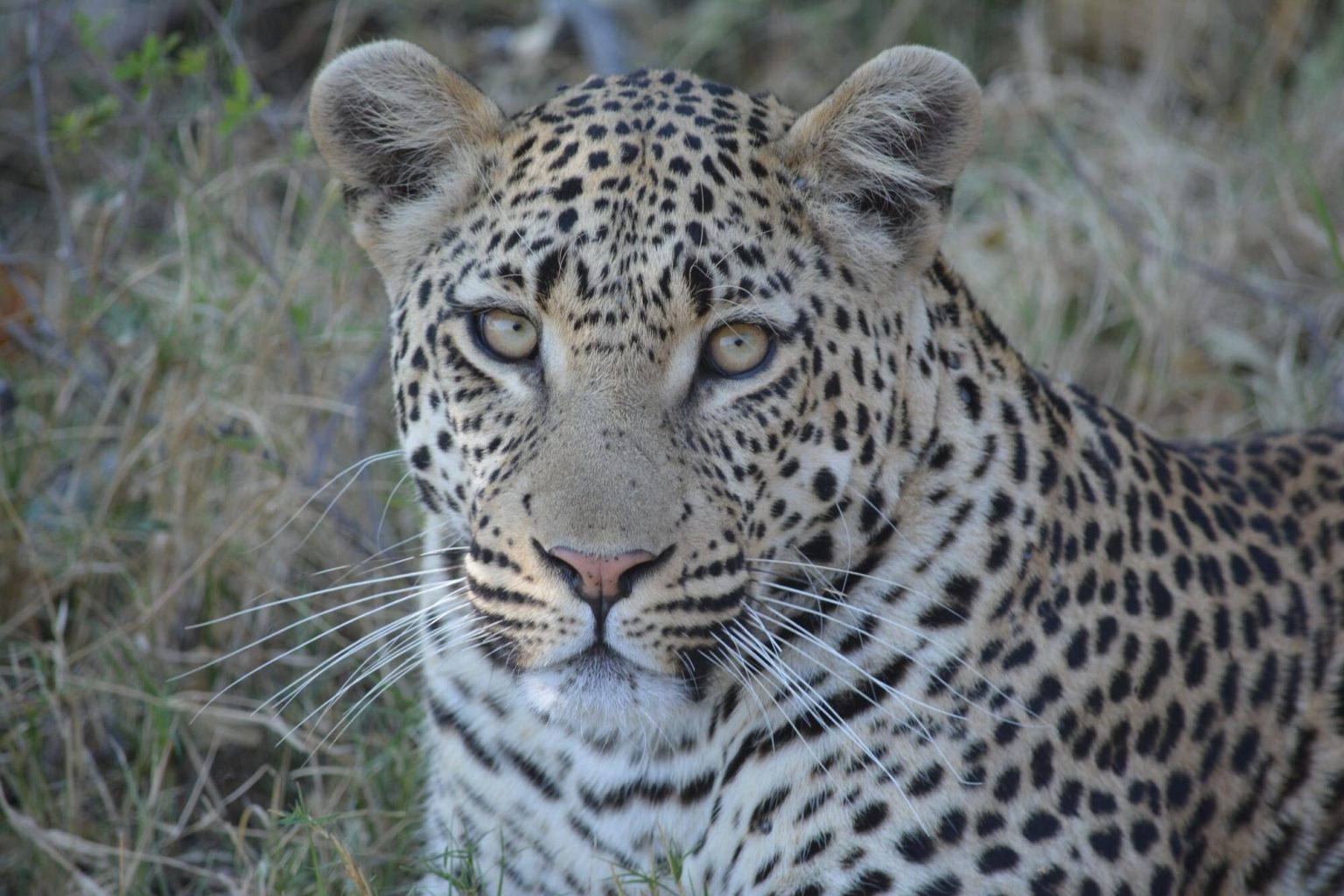
You take the morning flight from Lusaka’s Kenneth Kaunda International Airport to Mfuwe, about one hour and fifteen minutes over the miombo woodland of eastern Zambia. Our guide meets you at Mfuwe airport for the drive of about 45 minutes to the lodge on the edge of South Luangwa National Park, past villages, small farms and the craft stalls of Mfuwe. South Luangwa covers about 9,050 square kilometres of the Luangwa Valley, a southern arm of the Great Rift Valley, and the river along its eastern edge holds one of the highest densities of hippo in Africa. After lunch and a rest you go out on an afternoon drive that runs past sunset into a night drive, with a spotter working a spotlight. Night drives are allowed in the park, and South Luangwa is one of the best places in Africa to see leopard hunting after dark. Dinner and overnight at Mfuwe Lodge, where elephants are known to walk through the reception area in the wild mango season.
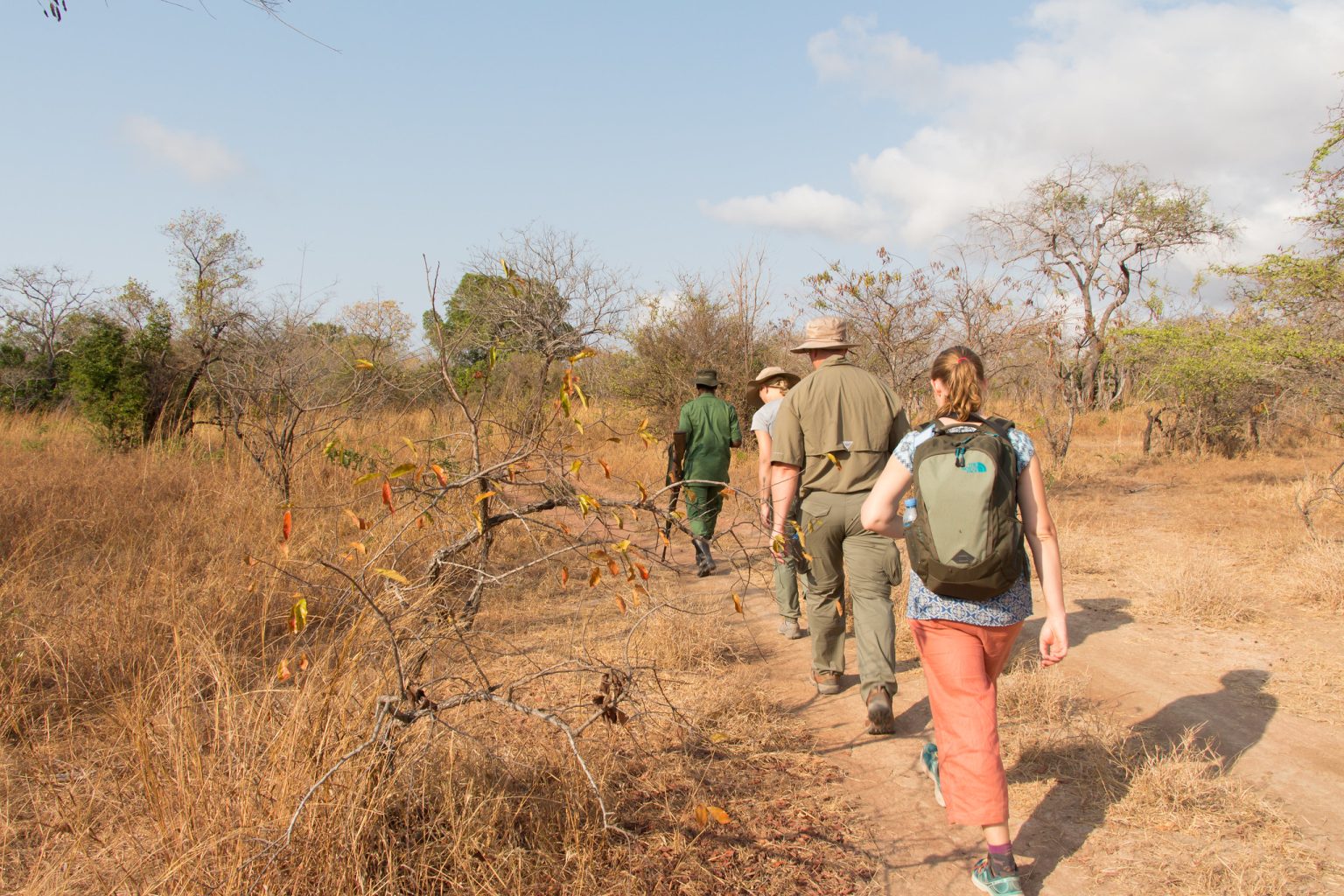
The walking begins this morning. After a light breakfast by the fire, you set out with your guide and an armed scout from the Department of National Parks and Wildlife, in single file and at a steady pace, usually for three to four hours. This valley is where Norman Carr began leading guests on foot in the 1950s, and the rules have changed little since: quiet voices, no running, and the scout always in front. On foot, the safari slows down. You learn to read tracks in the sand, why a puff adder sits still in the path, how termite mounds work, and which bird calls warn of a predator. After the walk a short drive brings you to your bushcamp, a small camp of a few thatched or canvas chalets on a lagoon or riverbank, where you have brunch and a rest in the heat of the day. The afternoon brings a game drive and a night drive back to camp. Dinner and overnight at Kuyenda Bushcamp or similar.
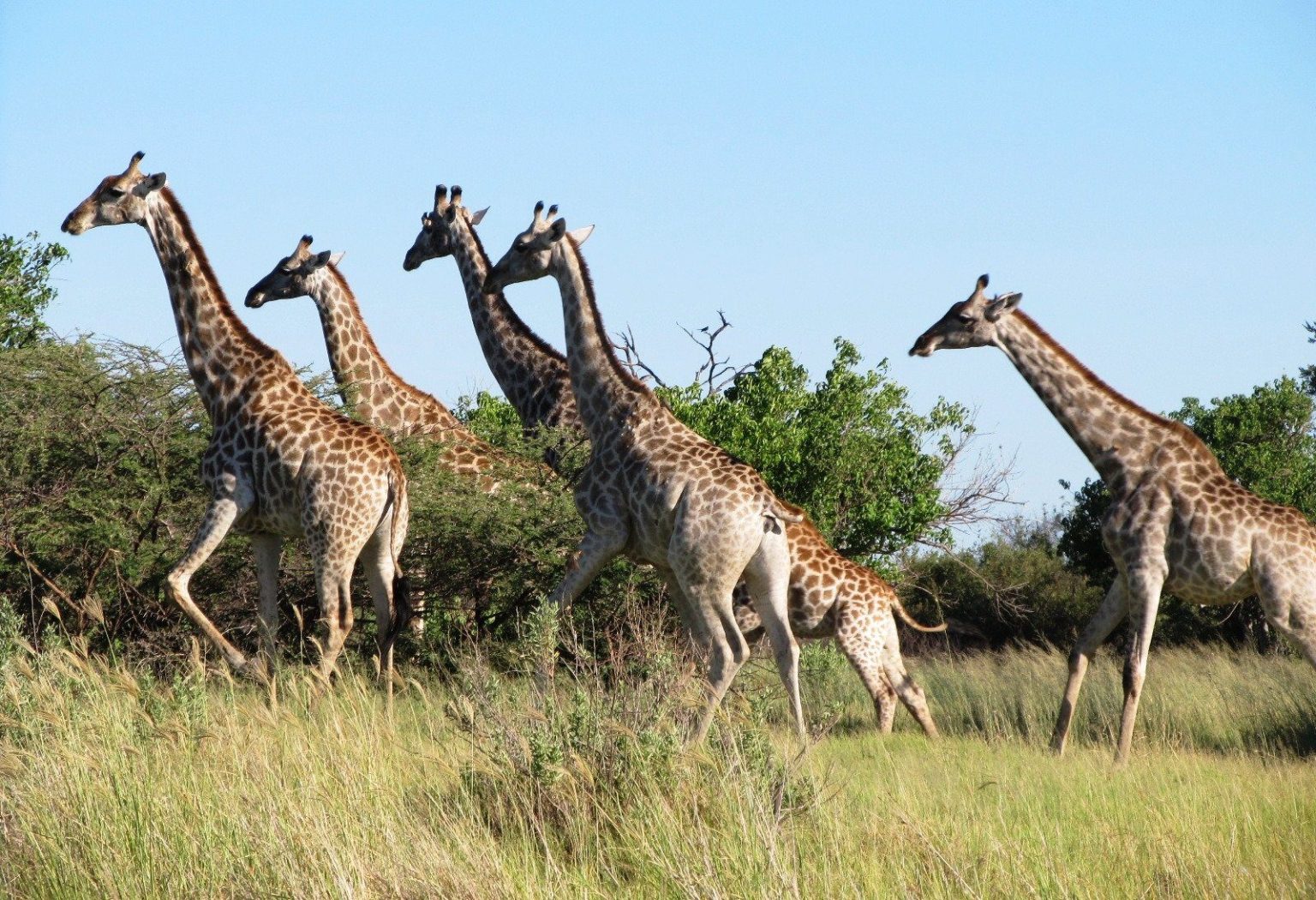
You start at first light again, this time walking into areas that are rarely driven, along dry riverbeds and through open grassland where herds of impala, puku and buffalo graze. On foot you will see animals in a different way: the size of an elephant when there is no vehicle between you, the sound of a herd of buffalo moving through the grass, the smell of a lion’s resting place. The guide may stop to show you the tiny world at your feet, such as antlion pits, dung beetles and the tracks of a honey badger. South Luangwa also has its own subspecies: Thornicroft’s giraffe, found only in this valley, and Crawshay’s zebra. After brunch and a siesta you may sit in a hide over a waterhole or the lagoon, then join the afternoon game drive. Dinner and overnight at Kuyenda Bushcamp or similar.
Today you move on foot. After an early breakfast you walk with your guide and scout towards your second bushcamp, a few hours across the bush with the last part by vehicle if the distance is long, while the camp team drives your bags round by vehicle. Moving between camps on foot is the old way of walking in the Luangwa, and it gives you a strong sense of how the valley fits together, from the river terraces to the mopane woodland and the open plains. Lunch is waiting when you arrive. In the afternoon you can go out on a short walk or a drive, ending with sundowners and a spotlight drive back to camp, where hyena or leopard may be heard around the chalets at night. Most bushcamps take no more than eight to twelve guests, so the evening around the fire is a quiet one. Dinner and overnight at Chindeni Bushcamp or Bilimungwe Bushcamp or similar.
Your last morning is a final walk, short or long depending on your flight time, and the guide will often head to a place you have not yet seen, such as a carmine bee-eater colony on the riverbank from September to November, or a lagoon where crowned cranes and storks gather. After brunch you drive back to Mfuwe airport, a game drive for the first part of the way, for the flight to Lusaka, where you connect with your international flight or onward travel. If you have more time, South Luangwa pairs well with the Lower Zambezi for canoeing, or with Victoria Falls in Livingstone.
Walking is best in the dry season, from about June to October, when the grass is low and the animals stay near the river. Wear neutral colours such as khaki, green or brown, and comfortable walking shoes that are already broken in. Most camps set a minimum age of 12 for walks, so tell us the ages of any younger travellers.
Walks are at a slow, steady pace on flat ground, usually three to four hours with stops. If you can walk comfortably for that long in the heat, you will be fine. The guide sets the pace to the group.
Every walk is led by a trained guide with an armed scout from the Department of National Parks and Wildlife at the front. Guides keep a respectful distance and read the animals' behaviour; following their instructions is what keeps walks safe.
June to October is the dry season and the main walking season, with low grass and animals close to the river. October is very hot. Many bushcamps close during the rains, roughly December to March.
Yes. Afternoons usually include a game drive that turns into a night drive with a spotlight, which is the best time to see leopard, hyena and genets.
Most camps set 12 as the minimum age for walks, and some bushcamps set a higher age for guests staying there. Children can still join game drives at the main lodge.

A 4-day Zambia safari from Lusaka to South Luangwa National Park, with day and night game drives, a guided walking safari with an armed ranger…
Safari Details
A 6-day Zambia safari from Lusaka with game drives, a walking safari and a village visit in South Luangwa National Park, then a boat safari,…
Safari Details
A 3-day safari in Zambia from Lusaka, with game drives and a guided walking safari in South Luangwa National Park and a boat safari on…
Safari Details