Built around the Big Five: three nights in a private reserve known for leopard, then a night inside Kruger National Park.

Inquire Now
Inquire Now
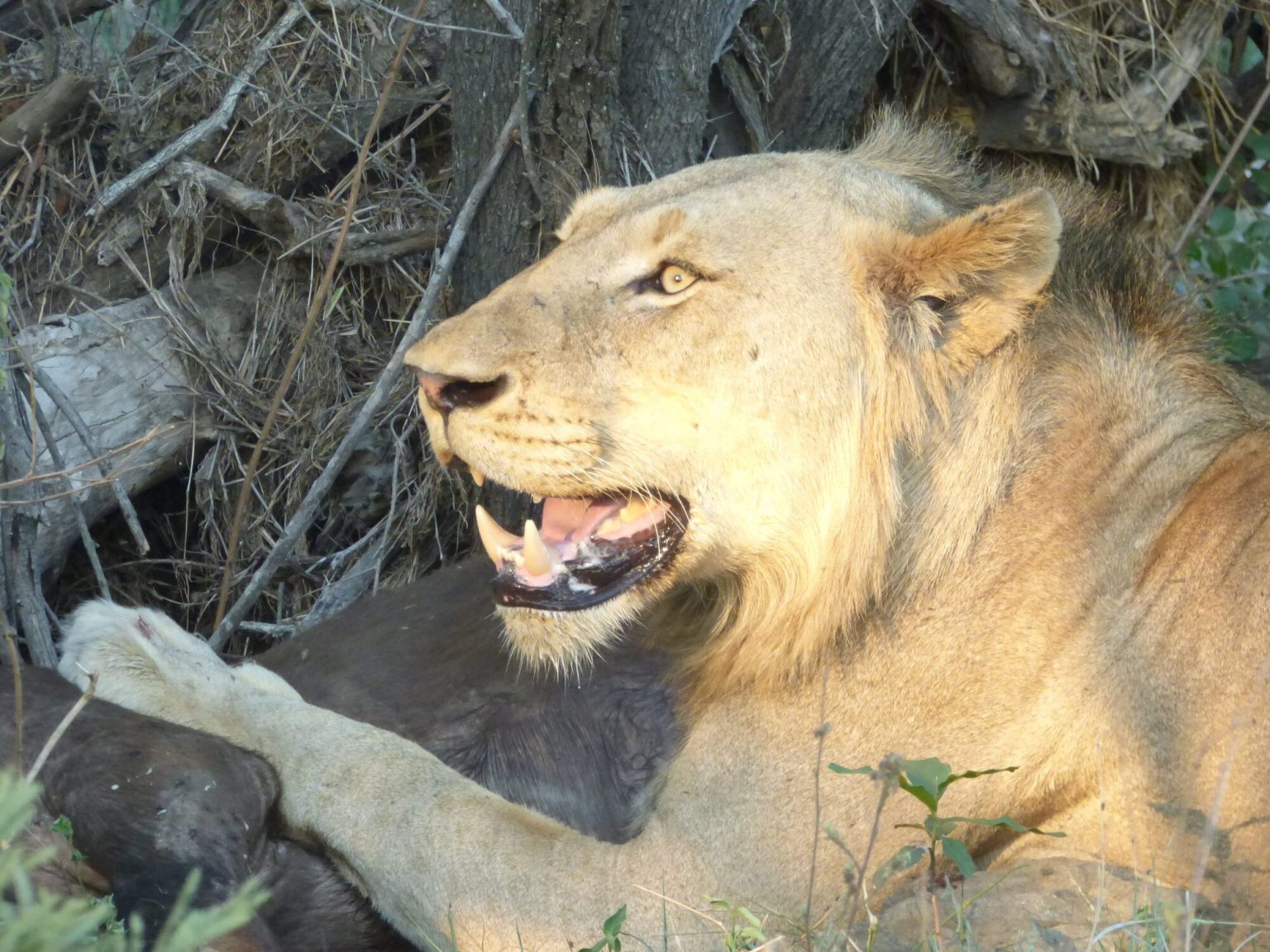
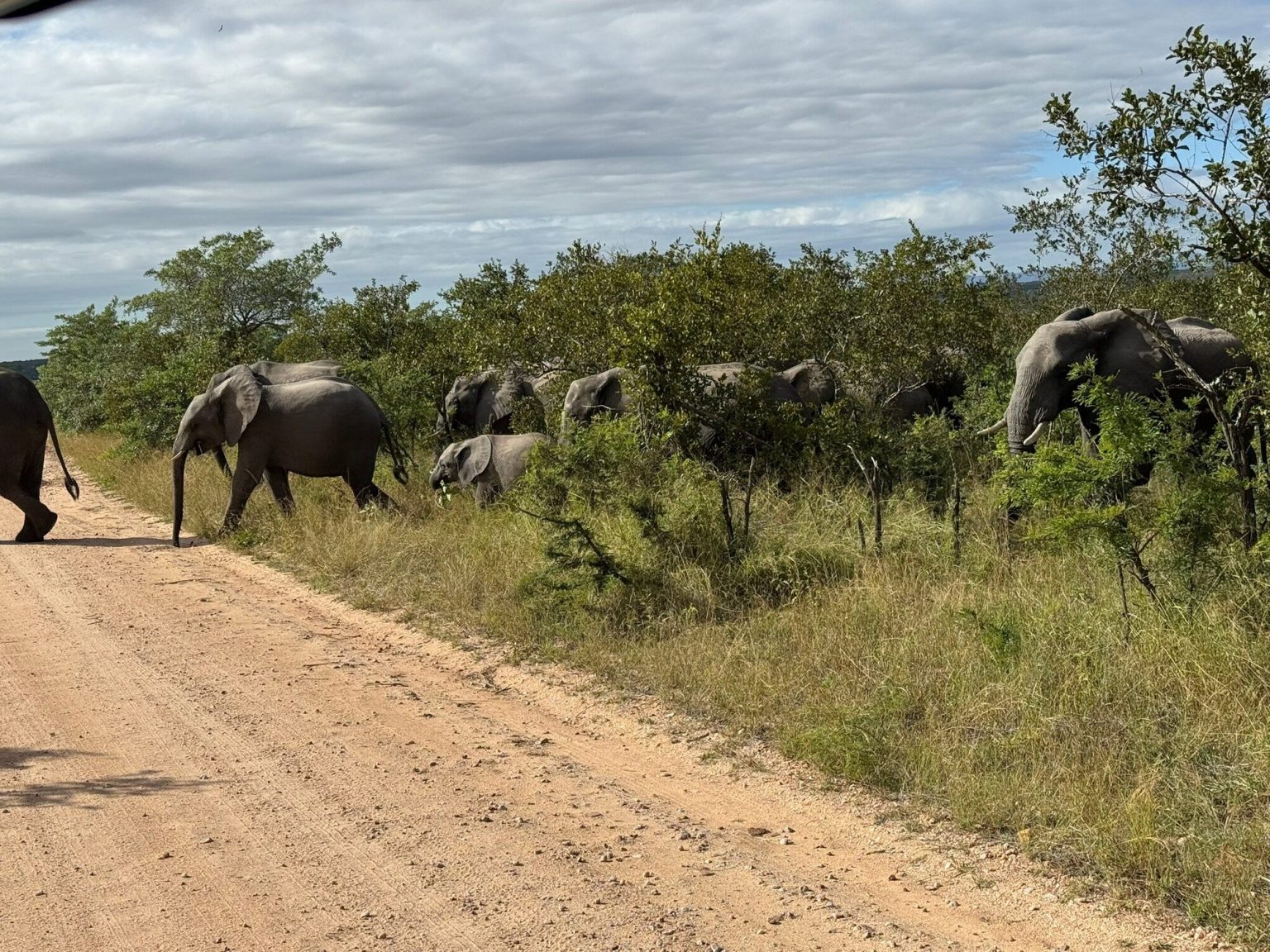
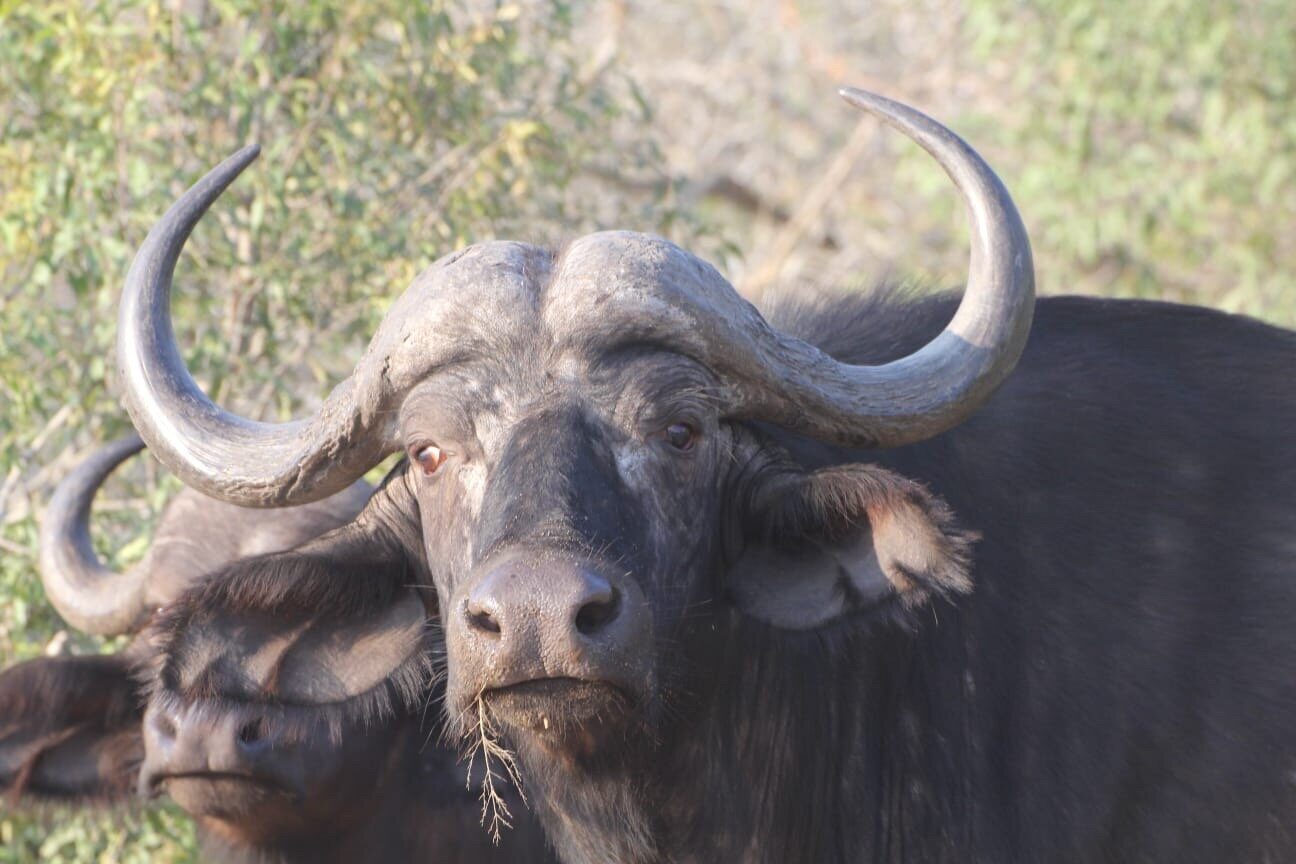
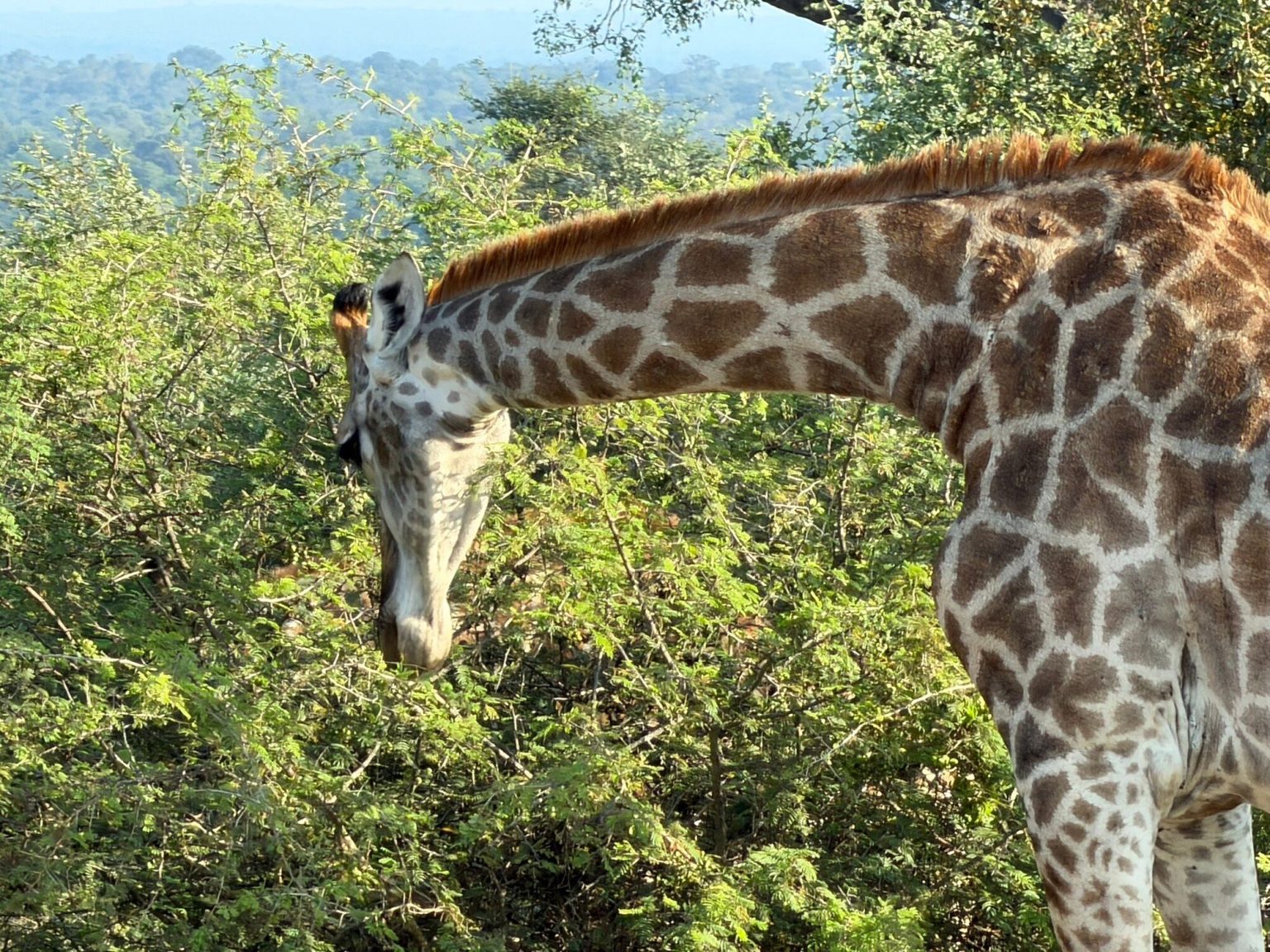
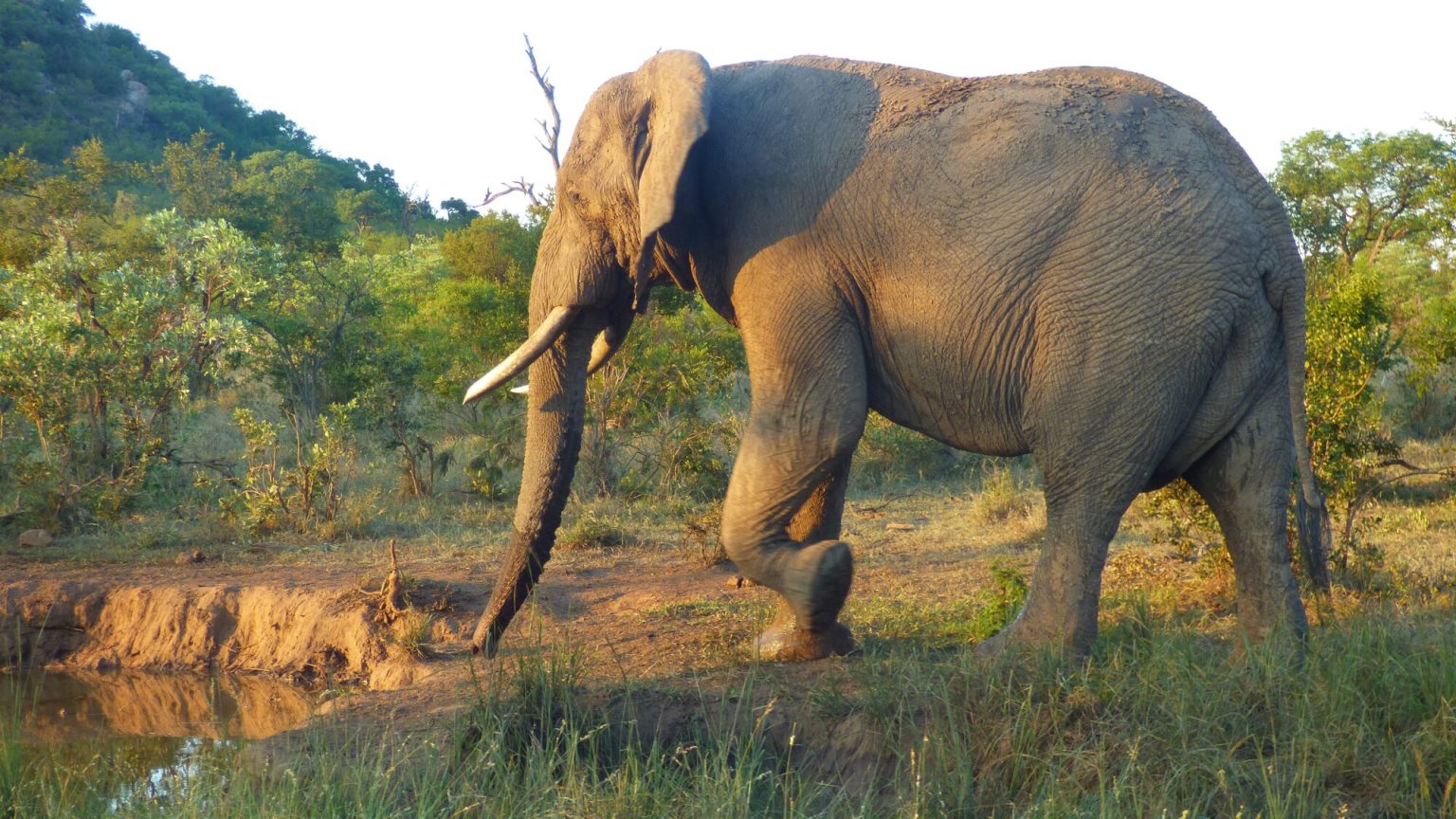
A 5-day Big Five safari in South Africa: three nights in the Sabi Sand private reserve with open-vehicle drives and a ranger-and-tracker team, then a night inside Kruger National Park.
Built around the Big Five: three nights in a private reserve known for leopard, then a night inside Kruger National Park.
South Africa's private reserves give you the best odds of seeing the Big Five in a short trip, and the Sabi Sand is the classic choice for leopard. Three nights there with a ranger and tracker, followed by a night inside Kruger, shows you both sides of the area: off-road tracking in a private reserve with few vehicles, and the size of a national park the size of a small country. Short flights from Johannesburg keep the travel time down.
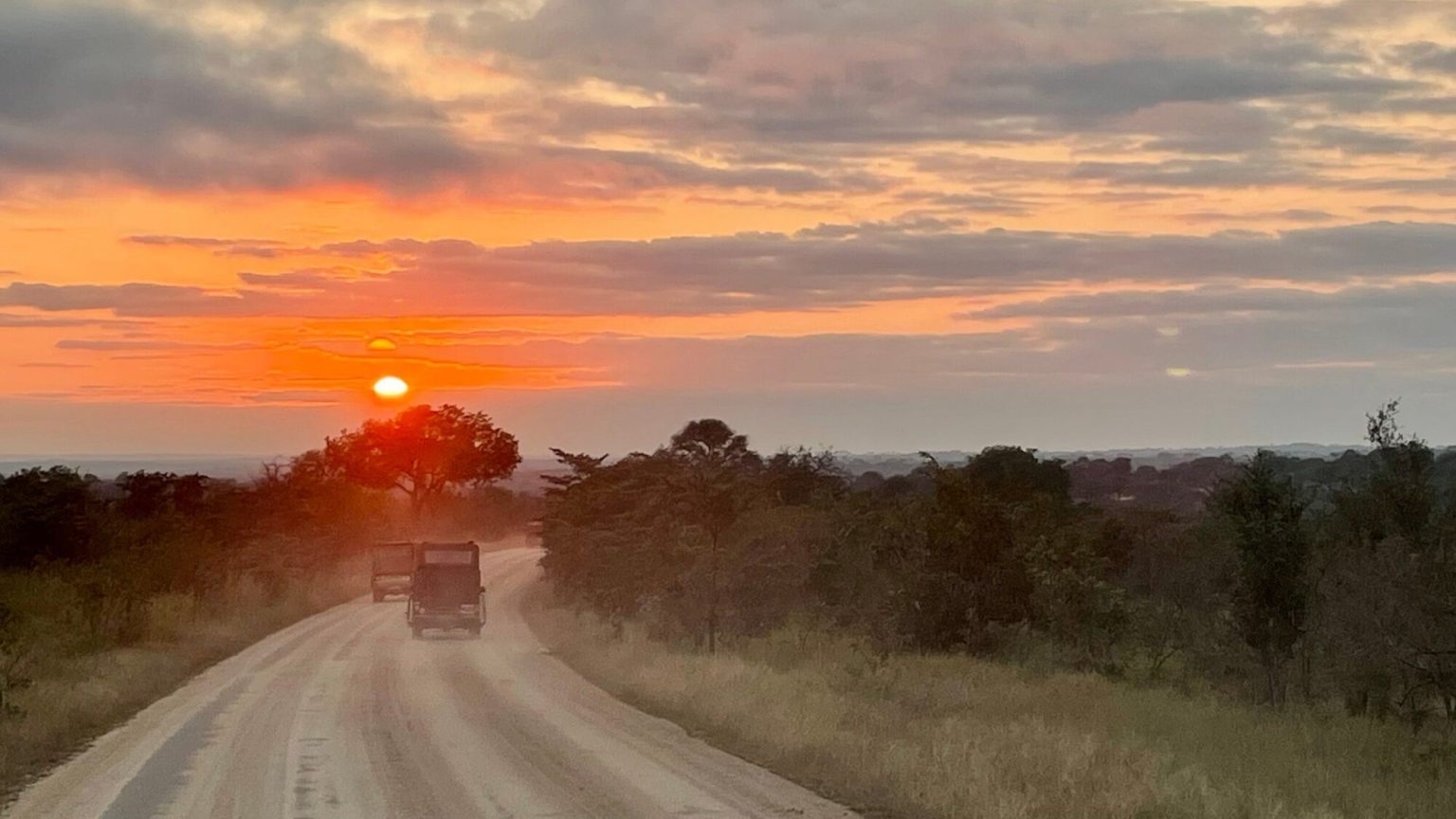
You take a morning flight from Johannesburg’s O.R. Tambo International Airport to Skukuza Airport inside Kruger, a flight of about one hour, or to Kruger Mpumalanga International Airport near Mbombela. Our transfer driver meets you and takes you to your lodge in the Sabi Sand Game Reserve, a group of private properties of about 65,000 hectares on Kruger’s south-western edge. There is no fence between the two along a 50 km boundary, so the animals move freely. After lunch and a rest you head out at about four o’clock on your first game drive in an open vehicle, with a ranger at the wheel and a tracker on the front seat reading the ground for prints. Drives in the private reserve continue after dark with a spotlight, when leopard, hyena and genet become active. Dinner is served in the boma around the fire. Overnight at Arathusa Safari Lodge or Elephant Plains Game Lodge.
A wake-up knock comes before dawn, with coffee and a rusk before the morning drive, which lasts about three hours. The Sabi Sand is known above all for leopard: the cats here have grown used to vehicles over decades and are often seen resting in a marula tree or walking a dry riverbed in daylight. Because this is private land, rangers can leave the road to follow a sighting, and lodges share sightings by radio but limit the number of vehicles at each one, so the scene rarely feels crowded. Back at the lodge, brunch is followed by free time at the pool or on the deck overlooking a waterhole, where elephant and buffalo often come to drink. If you would like to stretch your legs, ask about a guided bush walk with an armed ranger. The afternoon drive runs into sundowners and a spotlight drive home. Overnight at Arathusa Safari Lodge or Elephant Plains Game Lodge.
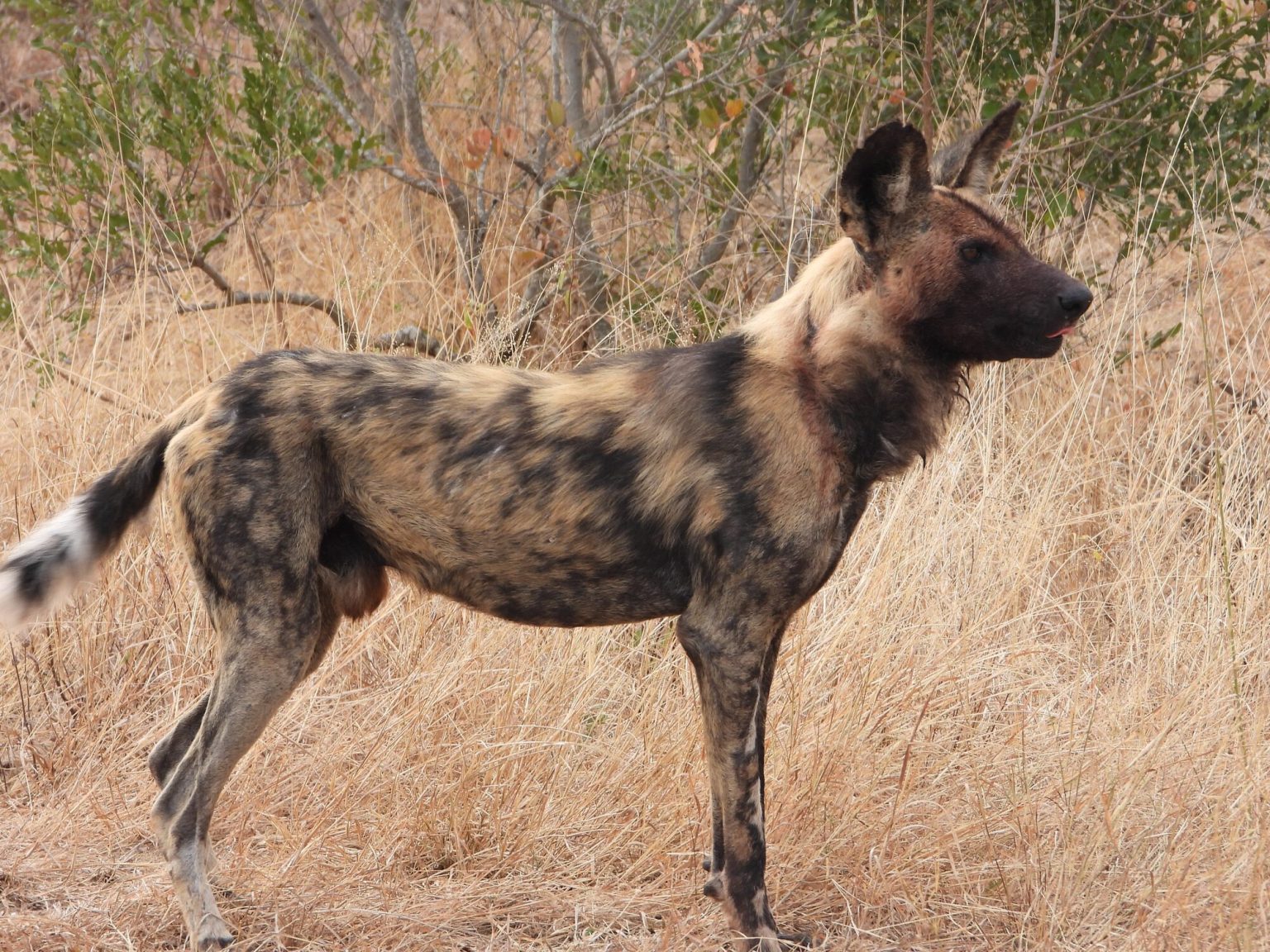
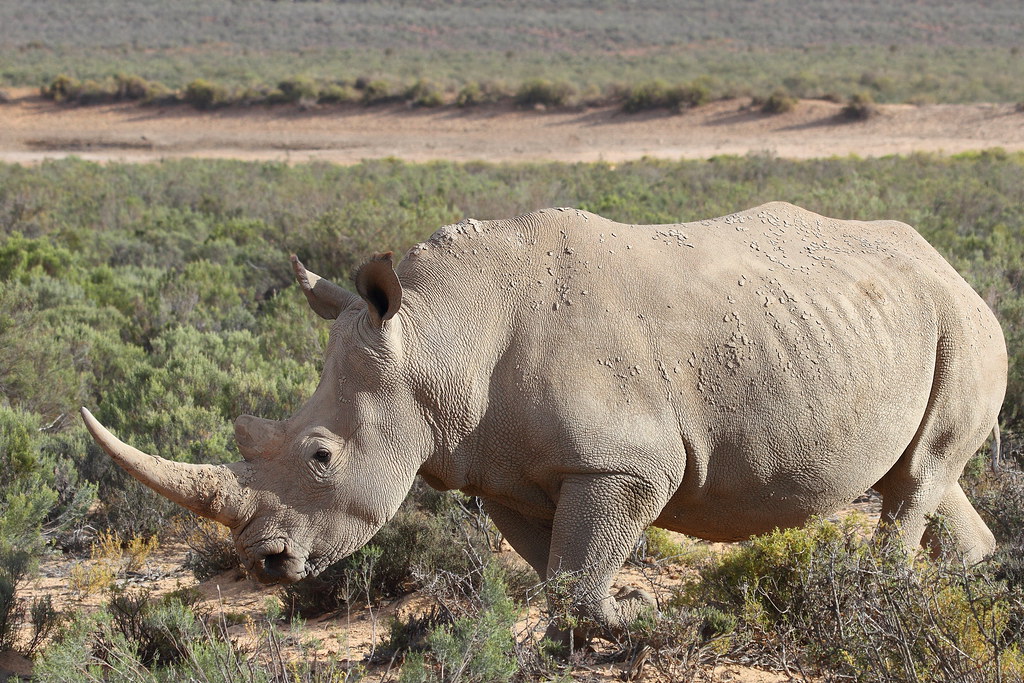
Today your ranger and tracker work on the animals still missing from your list. White rhino live in the reserve, but poaching has cut their numbers across the Kruger region, so finding them often means following tracks on foot for a short way before the vehicle moves in; a rhino sighting is likely over three days but never certain. Cape buffalo herds, sometimes several hundred strong, graze the open areas, and lion prides patrol the same ground. Between drives there is time to read, swim or sit in the hide by the waterhole. By the end of the third day most guests have seen all five of the Big Five, and many have also seen African wild dog, cheetah and hyena dens. The last evening drive ends with drinks at a viewpoint as the sun goes down over the bushveld. Overnight at Arathusa Safari Lodge or Elephant Plains Game Lodge.
After a final early drive and breakfast, our guide collects you for a day inside Kruger National Park. Proclaimed in 1898 as the Sabie Game Reserve and declared a national park in 1926, Kruger covers nearly two million hectares and records 147 species of mammal. You enter at Paul Kruger Gate and drive south along the Sabie River, one of the richest stretches of the park, where elephant herds come down to the water, hippos and crocodiles lie on the sandbanks and lions often rest under the riverside trees. The roads here are tarred or good gravel, and you will notice the difference from the private reserve: vehicles stay on the roads, and you see more of the park in a day. Lunch is at a rest camp, and the afternoon drive ends at your camp before the gates close at sunset. Overnight at Lower Sabie Rest Camp or Jock Safari Lodge.
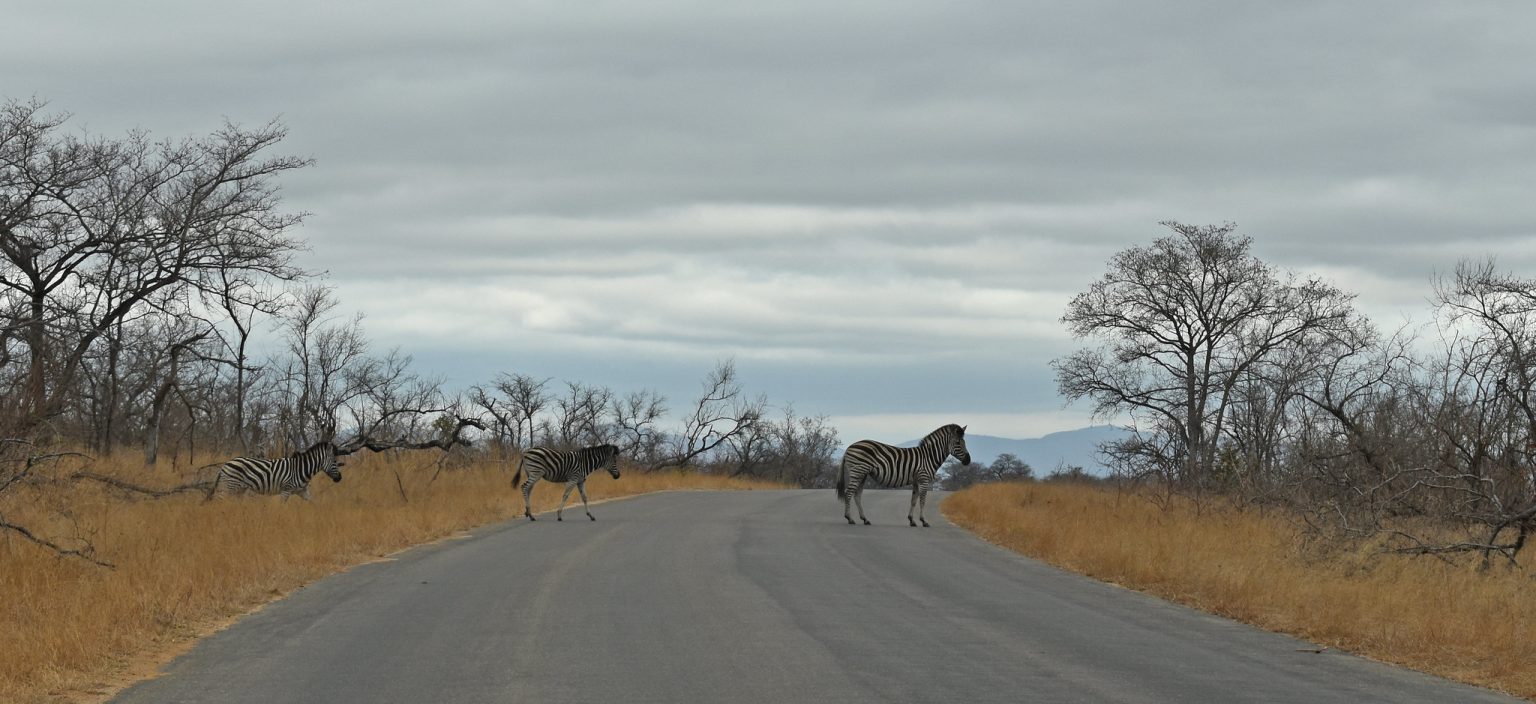
The camp gates open at first light, and the early hour is the best time of day in Kruger: lions on the move, hyena returning to their dens and herds of impala and zebra on the open grassland around Lower Sabie. You spend about three hours on the morning drive, with a stop at Sunset Dam, a favourite spot for hippo and wading birds. After breakfast our guide drives you to Skukuza Airport for the flight back to Johannesburg, about one hour, in time to connect with an international flight or a domestic flight to Cape Town. If you have extra days, this route links easily with the Panorama Route and Blyde River Canyon or with a few nights in Cape Town.
For the best chance of leopard and rhino, the dry winter months from May to September are hard to beat: the bush thins out and animals gather at the water. Mornings and evenings in an open vehicle can be cold in June and July, so pack a warm jacket, a hat and gloves.
Three nights in the Sabi Sand give most guests all five. Leopard, lion, elephant and buffalo are seen on most stays; rhino takes more effort because poaching has reduced numbers, and a sighting is likely rather than certain.
The Sabi Sand is a private reserve that shares an unfenced 50 km border with Kruger. There, rangers can drive off-road, drive after dark with a spotlight and limit vehicles at each sighting. In Kruger, vehicles stay on the roads and gates close at sunset.
It runs all year. May to September is dry and cool, with thin bush and animals at the waterholes. October to April is hot and green, with newborn antelope and migrant birds, and rain mostly in the afternoons.
You can drive, about six to seven hours each way, and we can arrange this. The flight takes about an hour and saves most of a day each way.
Kruger and the Sabi Sand are in a low-risk malaria area. Speak to a travel clinic before you go about whether you need tablets.
Many Sabi Sand lodges accept children, though some set a minimum age of six or older for game drives. Tell us the ages and we will choose a family-friendly lodge.

A 7-day South Africa safari from Johannesburg, with game drives in Kruger National Park and a private reserve, the Panorama Route, Hluhluwe-Imfolozi Park, and a…
Safari Details
A 3-day safari in Kruger National Park, South Africa, with game drives in search of the Big Five, a ranger-led bush walk and a picnic…
Safari Details
A 4-day South Africa safari with full-day game drives in Kruger National Park, a day on the Panorama Route (Blyde River Canyon, God's Window, Bourke's…
Safari Details