
Inquire Now
Okavango Delta safaris and tours combine mokoro trips through reed channels, island walks and game drives in Moremi and Khwai, from Maun in Botswana. Let us plan your Okavango Delta safari.
An Okavango Delta safari mixes water and land: mokoro (poled dugout canoe) trips through reed channels, guided island walks, and game drives in Moremi Game Reserve or the concessions around it. Trips start in Maun, northern Botswana, and range from two nights of mokoro camping to a week in fly in camps. The flood peaks in the dry winter, so June to August is the classic season.
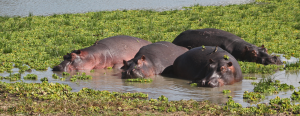 3 Days
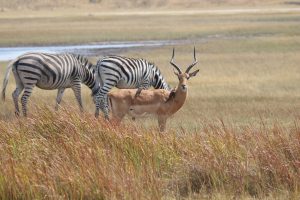 4 Days
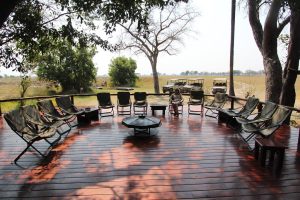 6 Days
Prefer your own dates and lodges? Ask for a tailor-made quote.

A 3-day camping safari from Maun into the Okavango Delta in Botswana, with two nights at a tented camp, mokoro (dug-out canoe) trips, guided walks…
Safari Details
A 4-day safari from Maun into the Okavango Delta in Botswana, with two nights at a tented camp, mokoro (dug-out canoe) excursions, guided walks and…
Safari Details
A 6-day Botswana safari from Maun with game drives in Moremi Game Reserve, a boat safari in the Okavango Delta, game drives in the Khwai…
Safari Details
An 8-day Botswana safari from Maun with mokoro trips and nature walks in the Okavango Delta, game drives in Moremi, Savuti and along the Chobe…
Safari DetailsThe main reason to book an Okavango Delta safari is that you can watch wildlife from a canoe and from a vehicle on the same trip. Few African safari areas allow that. A morning on foot or in a mokoro puts you at eye level with lily pads, reed frogs and grazing red lechwe; an afternoon game drive in Moremi or Khwai brings the big predators back into view.
Numbers back up the reputation. UNESCO records 130 mammal species, 482 bird species and 89 fish species in the Delta, and calls Botswana home to the world's largest elephant population, about 130,000 animals, with the Okavango as their core range. Lion, leopard, cheetah and African wild dog all live here, and UNESCO lists both black and white rhino within the property.
Quiet is part of the appeal too. The inner Delta has no tar roads, and UNESCO notes that tourism there is limited to small tented camps reached by air; Machaba Camp in Khwai, for example, takes 24 guests at most. For travellers who have done a busy East African circuit, that scale feels very different.
The trade off is cost. Fly in camps price the light aircraft seat separately, and budget mokoro tours from Maun cover only a small slice of the wetland.
Okavango Delta tours are built around five activities: mokoro trips, game drives, walking safaris, motorboat cruises and scenic flights. Which ones you get depends on where you sleep, because Moremi Game Reserve bans night drives and walking, while the private and community concessions around it allow both.
A mokoro safari is the activity most people picture. A poler stands at the back and pushes the canoe through shallow channels with a long pole, carrying two guests seated low in the hull. Traditional mokoros were carved from a single log; many camps now use fibreglass versions of the same shape.
From Maun, day trips and overnight mokoro camping run into the NG32 community area, where polers come from the local village trust and work on a rotation. One Maun operator runs set departures from May to September and lists a two night mokoro package at USD 625 per person sharing. It is slow and silent. Birders love it; big cat hunters may not.
Open 4x4 game drives cover the drier land: the mopane woodland, floodplain edges and the tracks around Xakanaxa, Third Bridge and North Gate in Moremi Game Reserve, and the Khwai area just beyond. Moremi gates open at 06:00 and close at 18:30 from April to September, with longer hours from October to March, and reserve rules bar night drives, walking and off road driving. The private and community concessions allow all three, which gives guides more ways to follow leopard and wild dog.
Guided walks start at sunrise or late afternoon on palm islands reached by mokoro or boat, and often last three to four hours. The pace is slow, and the focus is tracks, termite mounds, birds and medicinal plants rather than close views of big game. Walking is not permitted inside Moremi, so camps in the concessions run it. Read more on our walking safaris page.
Motorboats cover more distance than a mokoro and reach lagoons and heronries on the permanent channels. In Moremi, boat stations at Xakanaxa, Third Bridge and Mboma run cruises, and sharing a boat with other campers cuts the price. Boats are noisier. Many travellers use one to scout and a mokoro to linger.
From the air the Delta makes sense: channels, islands and floodplains spread out like veins on a leaf. Short scenic flights leave from Maun, and travellers on fly in safaris see much of the same view on their transfers between camps. A half hour flight is enough to see the pattern of channels and islands.
Drawn from about two dozen trip reports and reviews posted on TripAdvisor, SafariTalk and Fodor's, most from the last two years, the same few points come up about mokoro safaris.
The poler does the work. Several reviewers of Maun day trips said they had not realised they would not paddle; one who tried poling found it much harder than it looked. Drive times to the mokoro station varied by camp, from under an hour on a day trip to about three hours on rough sand and wooden bridges for one longer camping tour. Hippos come up in almost every review: polers kept well back, and on one forum thread a trip was cancelled because hippos were sitting in the channel. Expectations matter too. Day trip operators state plainly that the outing is a nature trip rather than a game drive, and reviewers mostly saw hippos, antelope, birds and water lilies, with elephants for some groups.
At the higher end, one SafariTalk report from November described temperatures of 42°C and low water that limited which channels the camp could reach. An older Fodor's thread gives advice that still holds: ask how many guests share each vehicle before you book. A widely reported incident in which an elephant charged and overturned mokoros carrying tourists has also made guides more cautious around elephants near the channels.
An Okavango safari regularly turns up elephant, buffalo, red lechwe, zebra, hippo, lion, leopard and wild dog, with sightings shaped by water levels and by where you stay. Nothing is guaranteed.
UNESCO singles out herds of elephant, buffalo, red lechwe and zebra drinking and crossing the clear floodwater as the scene the Delta is known for. Red lechwe are the wetland specialist: they feed in shallow water and bound through it when disturbed. Hippo and crocodile hold the deeper channels, and polers read the water to keep clear of them.
The Delta's islands and floodplain edges carry strong predator numbers. UNESCO lists cheetah, lion, wild dog and both black and white rhino among the threatened large mammals the property sustains. Wild dogs den in winter, which is one reason June to August draws photographers. Leopard sightings are best in concessions where guides can drive off road and at night.
With 482 recorded bird species and 24 globally threatened ones, including the wattled crane, slaty egret, southern ground hornbill and six vulture species, the Delta is an Important Bird Area. The Gcodikwe heronry near Xakanaxa, a breeding colony of storks, herons and egrets, is busiest on the high flood, while migrants arrive with the rains from November. See our birding safaris page for trips built around birds.
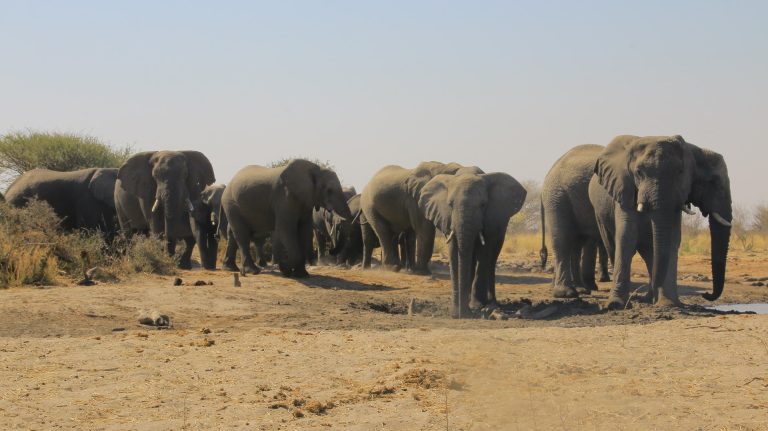
The Okavango Delta differs from almost every other safari area because its water arrives in the dry season. Rain falls on the Angolan highlands in summer, takes about four months to travel down the Okavango River, and spreads across the Delta in the winter months, when local rain has stopped and the surrounding Kalahari is at its driest.
Within the Delta, the choice that most changes a trip is where you base yourself. Moremi Game Reserve, the private concessions and the community area outside Maun follow different rules.
| Area | Access | Night drives, walks | Suits |
|---|---|---|---|
| Moremi reserve | Road or air | Not allowed | Self drive, lodges |
| Private concessions | Light aircraft | Allowed | Fly in safaris |
| NG32 near Maun | Road from Maun | Walks allowed | Budget mokoro |
Self drivers and budget travellers get the most from Moremi and the Maun community area. Travellers who want night drives and fewer vehicles at a sighting do better in a concession, at a higher nightly rate.
The Okavango Delta is a vast inland delta in north western Botswana whose water never reaches the sea. UNESCO describes it as Africa's largest endorheic delta: the Okavango River, about 1,500 km long, fans out over the Kalahari Basin and its water drains into the sand or evaporates.
The permanent swamps cover about 600,000 hectares, with up to 1.2 million hectares of seasonally flooded grassland around them. The World Heritage property, inscribed in 2014 as the 1,000th site on the list, covers 2,023,590 hectares with a buffer zone beyond it. UNESCO notes that the river's sources in Angola and Namibia are free of upstream dams, and the three countries manage the river through a joint commission, OKACOM.
Moremi Game Reserve, put at between about 3,900 and 5,000 km² depending on whether permanent water is counted, is the only formally protected area in the Delta. The BaTawana people of Ngamiland proclaimed it on their own land in 1963. Most of the rest of the Delta is divided into concessions leased to safari companies and community trusts.
The Okavango Delta lies in the Ngamiland and Okavango districts of north western Botswana, with the town of Maun on its south eastern edge. The river flows in from Angola through Namibia and enters Botswana at Mohembo in the north west, running through a narrow stretch called the Panhandle before it spreads into the fan.
To the north east lie Savuti and Chobe National Park, with Kasane as the Chobe gateway. That makes the Delta easy to pair with Chobe and with Victoria Falls on one trip. Our Botswana safaris page covers the wider country.
The places that shape most Okavango itineraries are Moremi's Xakanaxa and Third Bridge areas, Chief's Island, the Khwai River and the Gcodikwe heronry.
Xakanaxa and Third Bridge are the busiest corners of Moremi Game Reserve, with public campsites, boat stations and some of the reserve's best predator country. Self drivers must book a campsite to enter at all, and Xakanaxa and North Gate sell out six to eight months ahead for June to October.
Chief's Island runs for more than 60 km inside Moremi and sits on a geological fault that lifts it above the flood. In the dry months it draws game from the surrounding water. It is reached only by air, and the camps there follow full reserve rules.
The Khwai River forms Moremi's north eastern edge near North Gate, and elephants gather along it from June to October. The community concession on the far bank allows night drives and walking, and its camps, such as Machaba Camp, mix floodplain game drives with mokoro outings.
The Gcodikwe heronry is a breeding colony of storks, herons and egrets on an island reached by boat from Xakanaxa Lagoon. It is at its busiest on the high flood, so a boat trip there fits best between June and September.
The best time for an Okavango Delta safari is May to September, when the flood is high, mokoro routes are open and the bush is dry enough for good game viewing. July is usually the flood peak. The green season from December to March brings lower rates and the best birding, but water activities shrink.
Winter nights in June and July can drop below 5°C, so pack a warm fleece for early drives. October is hot, often above 40°C, with game crowded around shrinking water. November rain starts to green the plains and brings migrant birds and newborn antelope.
| Months | Water | Mokoro | Rate season |
|---|---|---|---|
| Dec to Feb | Lowest | Limited | Green, lowest |
| Mar to Apr | Rising | Opening up | Green, shoulder |
| May to Jun | High | Good | Shoulder or high |
| Jul to Aug | Peak | Best | High |
| Sep to Oct | Falling | Good, then shorter | High |
| Nov | Low | Limited | Shoulder |
Rate seasons differ between camps. Oddballs Camp and Delta Camp charge high season rates from July to October, while Machaba Camp's high season runs from May to October.
Okavango Month and Camp Budget Planner
Pick a month and the number of nights to see what the water is doing and what three real camps charge per person that month.
| Camp | Per person per night | Your trip |
|---|
Rates are each camp's published rack rate per person sharing and change each year. Oddballs Camp and Delta Camp include meals, local drinks, mokoro, walks and park fees; Machaba Camp includes meals, most drinks and activities, and its USD 35 per person per night conservation levy is added above. Singles pay a 30% (Oddballs, Delta Camp) or 40% (Machaba, none in its secret season) supplement, also added above. Light aircraft and international flights are extra. Insight Safari Holidays can quote current prices for your dates.
An Okavango Delta safari costs from about USD 625 per person for a two night mokoro camping tour from Maun to well over USD 1,000 per person per night in a luxury concession camp, before flights. Fixed government fees are small by comparison: Moremi Game Reserve charges non residents P270 per person per day, or P190 for clients of a licensed Botswana tour operator.
A few details catch people out. Moremi charges for every day in the reserve including the day you leave, children aged 8 to 15 pay half, and gates take cash in pula. A planned fee increase was postponed rather than cancelled, so check the current tariff before you budget. Fly in camps usually fold concession fees into their rate.
The two numbers that move the total most are season and the light aircraft legs. Machaba's high season rate is 83% above its secret season rate, and a single traveller pays a 30% to 40% supplement at these camps. Flights between Maun and the camps are priced the same all year, so they do not fall in the green season.
Places to stay in the Okavango Delta fall into three groups: mokoro camping and simple tented camps reached by road from Maun, midrange camps on islands reached by light aircraft, and luxury camps in Khwai and the private concessions. Maun itself has hotels and lodges for the nights either side.
Budget Okavango Delta safari packages use dome or meru tents on an island in the community area, with a bush toilet and bucket shower. Two nights cost USD 625 per person sharing on one Maun operator's set departures. It is the cheapest way in. You see the edge of the system, not its core.
Oddballs Camp, Oddballs' Enclave and Delta Camp sit inside the Delta and focus on mokoro and walking rather than game drives. Their published rates include meals, local drinks, laundry, activities, park fees and emergency evacuation, with children aged 2 to 11 at half the adult rate. Oddballs Camp runs from USD 368 per person per night in the green season.
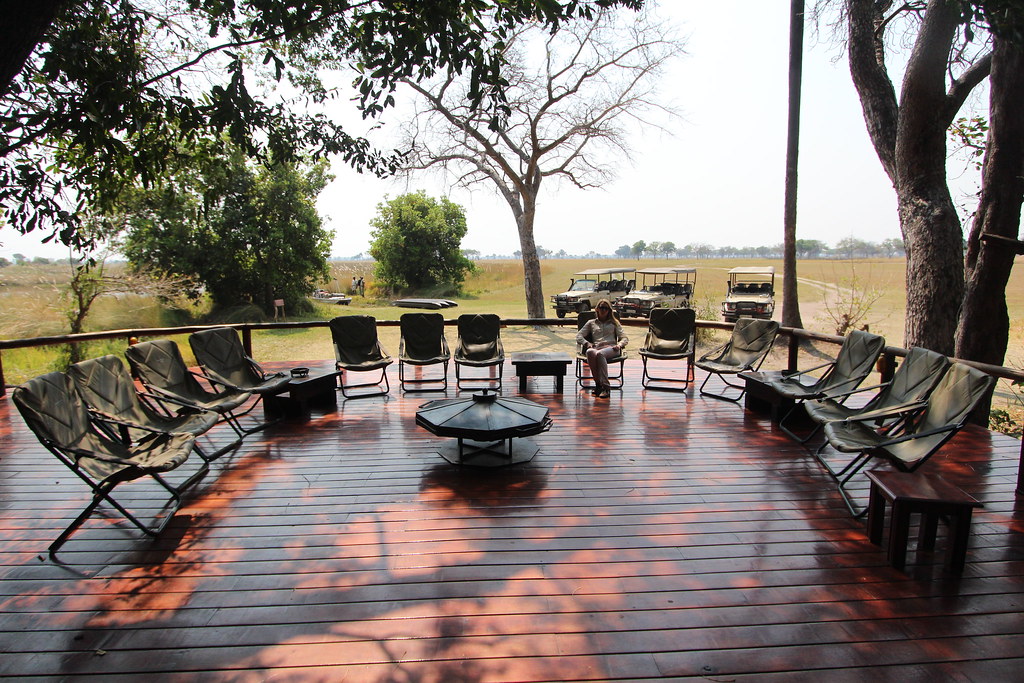
Machaba Camp in Khwai has eight luxury tents and two family units, sleeps up to 24 guests, and offers game drives, mokoro and walking. It is 25 minutes by vehicle from the Khwai River Lodge airstrip. Camps in the private concessions of the central Delta charge more again in peak months. Our luxury safaris page explains what the top tier adds.
Most travellers reach the Okavango Delta by flying to Maun, then continuing by light aircraft to a camp or by 4x4 to Moremi or the community area. Airlink flies direct to Maun from Johannesburg and Cape Town.
Maun is the Delta's airport town and the base for the light aircraft charter companies. Most international travellers connect through Johannesburg.
Small charter aircraft fly from Maun to the camp airstrips. Mack Air's limit is 20 kg per person including hand luggage, in a soft bag no larger than 70 by 42 by 30 cm. Hard suitcases do not fit the pods. More on how these trips work is on our fly in safaris page.
Self drivers and mobile safaris take the road north to Moremi's South Gate and on to Khwai. Vehicles must be under five tonnes to cross the wooden bridges, and you need a confirmed campsite booking before the gate will let you in.
Three days is enough for a mokoro taste of the Okavango Delta from Maun; six to eight days lets you add Moremi game drives and Chobe. Insight Safari Holidays runs both shapes as set itineraries.
Our 3 Day Safari Okavango Delta Botswana starts with a welcome session in Maun and travels into the Delta by mokoro or road, depending on water levels. Two nights in a tented camp with en suite bush bathrooms follow, with dawn walks, mokoro outings, a chance to try poling, and sundowners, before the return to Maun on day three.
Longer trips pair the Delta with dry land parks. The 6 Day Safari Botswana adds Moremi game drives, a boat safari, Khwai and a day in Chobe, while the 8 Day Safari Adventure in Botswana continues to Savuti and the Chobe riverfront. Browse every option on our safaris page.
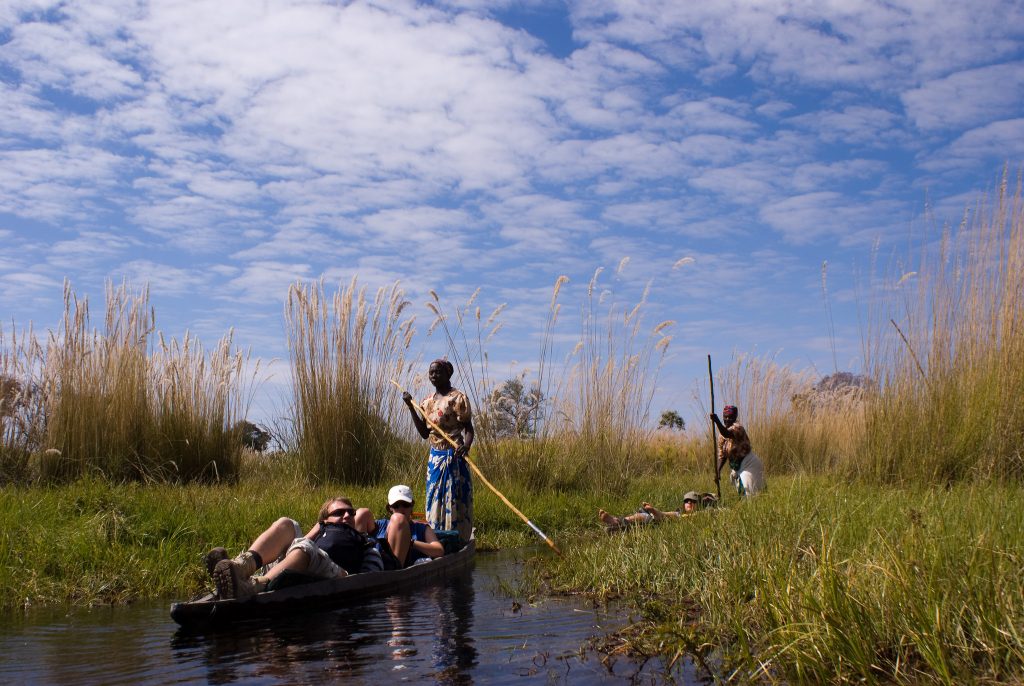
Plan on at least three days for an Okavango Delta safari: one to travel in from Maun and settle, a full day on the water and on foot, and a morning before you leave. Four to six nights split between a water camp and a land camp shows both sides of the Delta.
A mokoro day trip from Maun is worth it if you only have a day and want the feel of the channels; it is not worth it if you expect big game. The drive to the community area eats into the day, and reviewers mostly report hippos, birds and antelope. Two nights in the Delta gives far more.
An Okavango Delta safari is safe when you follow your guide. Hippos and elephants are the main hazards on the water, which is why polers keep their distance and sometimes change route. Stay seated in the mokoro, keep hands out of the water, and do not walk outside camp after dark without an escort.
Yes, the CDC recommends malaria prevention medicine for the Okavango and Ngamiland districts, along with Chobe. Options include atovaquone proguanil, doxycycline and mefloquine; a travel clinic can advise which suits you. A yellow fever certificate is needed only if you arrive from, or transit through, a country with yellow fever risk.
Passport holders from the UK, US, EU and many other countries enter Botswana without a visa for tourist stays of up to 90 days in a twelve month period. Others apply in advance through Botswana's online visa portal. Check the current rules for your nationality before you book flights.
You can self drive in Moremi Game Reserve and Khwai with a 4x4, but not into the inner Delta, which has no roads. You need a confirmed campsite booking to enter Moremi, cash in pula for fees at the gate, and the skill to handle deep sand and water crossings.
The Okavango Delta works for families who choose camps carefully. Machaba Camp takes children of all ages, though under sixes need a private vehicle, and Oddballs and Delta Camp charge half the adult rate for children aged 2 to 11. One Maun mokoro day trip operator sets a minimum age of seven.
Insight Safari Holidays is a Uganda based safari operator that arranges Okavango Delta safaris and Botswana tours, from three day mokoro trips out of Maun to longer routes through Moremi and Chobe. Tell us your dates, budget and the style of camp you prefer, and our team will put together a plan with current prices for you to review.