Tanzania Primate Safaris
What are the top destinations in Tanzania for Primate Watching?
Tanzania is an excellent destination to see primates in their natural habitats, and it has several top hotspots. The Mahale Mountains National Park is often considered one of the best places for primate viewing in the country. This park lies on the shores of Lake Tanganyika and is famous for its population of wild chimpanzees. With over 1,000 chimpanzees living in the region, visitors have a good chance of spotting and observing these fascinating creatures.
Another major destination is the Gombe Stream National Park, which was made famous by the groundbreaking research of primatologist Jane Goodall. This park is smaller compared to Mahale but is home to a well-studied and easily accessible population of chimpanzees.
If you’re looking for other types of primates, Udzungwa Mountains National Park, often referred to as the “Galapagos of Africa,” is a great choice. It is home to rare monkeys like the Sanje mangabey and the Iringa red colobus, species that cannot be seen anywhere else in the world.
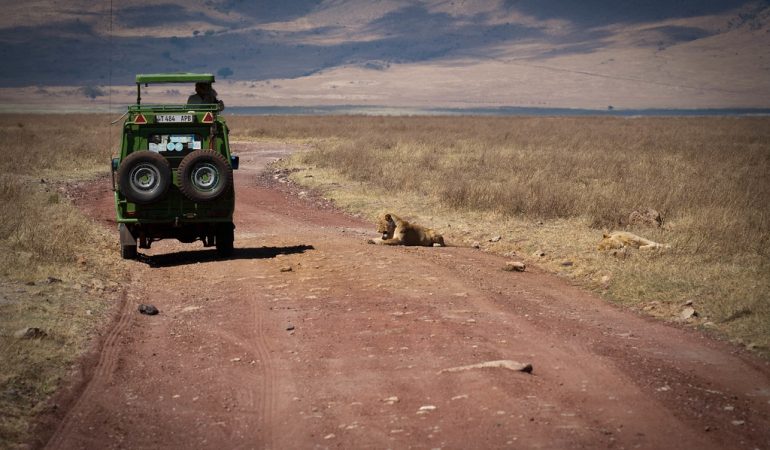
For those on safari trips, Lake Manyara National Park and the Ngorongoro Conservation Area are excellent spots to spot baboons, vervet monkeys, and other species like blue monkeys, even while on game drives. These parks are easier to reach and often included in larger safari itineraries.
In summary, if you want a deep jungle experience and focused interactions with chimpanzees, head to Mahale or Gombe. For rare or diverse primate species, try Udzungwa. If you’re already on safari, keep an eye out in Lake Manyara or Ngorongoro for the more common but still fascinating primates.
Which national parks or reserves in Tanzania are known for primate populations?
Several national parks and reserves in Tanzania are known for their significant populations of primates, making the country a primate lover’s paradise.
First and foremost, Mahale Mountains National Park is a standout location. Situated on the remote western edge of Tanzania along Lake Tanganyika, Mahale is home to one of Africa’s largest chimpanzee populations. Unlike other locations, the chimpanzees here are habituated to humans (used to being observed), so close encounters are possible.
Next is Gombe Stream National Park, a smaller but equally famous park. Also on the shores of Lake Tanganyika, it’s primarily known for the chimpanzee communities studied by Jane Goodall since the 1960s. Visitors can trek through the forest, accompanied by guides, to track the chimps and learn about their behavior.
The Udzungwa Mountains National Park appeals to primate enthusiasts seeking more rare species. This park contains several endemic species, including the Sanje mangabey and the Iringa red colobus. It’s also known for its incredible biodiversity, with lush forests that are home to a variety of wildlife.
In northern Tanzania, parks like Lake Manyara National Park and the Ngorongoro Conservation Area are excellent for spotting common primates such as baboons, vervet monkeys, and blue monkeys. While these parks are more famous for their big game, their primate populations are abundant, especially in the forested areas.
Lastly, although not in a national park, the forests in the Selous Game Reserve also support some primate species, making it another location worth considering.
Overall, these diverse parks and reserves provide opportunities to see everything from wild chimps to rare monkeys, each offering unique experiences depending on the type of primates you’re hoping to see.
What species of primates can be found in Tanzania?
Tanzania is home to a rich variety of primate species, ranging from the famous chimpanzees to rare monkeys found nowhere else.
One of the most well-known species in Tanzania is the chimpanzee, which can be found in the forests of Mahale Mountains National Park and Gombe Stream National Park. These primates share about 98% of their DNA with humans and are highly intelligent, social creatures. Watching their behavior, like grooming or using tools, is a highlight for many visitors.
Tanzania is also home to several species of monkeys. The guereza colobus monkey, or black-and-white colobus, is recognizable by its long, bushy white tail and striking black-and-white coloration. They are often seen in forested parts of the country, including the Udzungwa Mountains and Lake Manyara.
The vervet monkey is another common species, easily identifiable by its greenish-grey fur and a famously bright blue patch of skin around its genitals. These monkeys are widespread and can often be seen in areas like Lake Manyara or Ngorongoro.
Other interesting species include the blue monkey (despite not being blue, it has a bluish-grey face), yellow baboons, and the larger olive baboons, all of which are commonly spotted on game drives in several Tanzanian parks.
Tanzania also boasts two critically rare and endemic species: the Sanje mangabey and the Iringa red colobus, both found in the Udzungwa Mountains National Park. These monkeys are highly sought after by wildlife enthusiasts due to their limited range.
Additionally, nocturnal primates such as galagos, also known as bush babies, can be seen in Tanzania. These small primates have large eyes and are active at night, often spotted through guided night walks.
In short, Tanzania offers an incredible diversity of primates, ranging from the highly intelligent chimps to rare and unique monkeys, making the country a prime destination for primate viewing.
When is the best time of year to see primates in Tanzania?
The best time to see primates in Tanzania depends on the species you want to spot and the location you plan to visit, but generally, the dry season is ideal. In Tanzania, the dry season runs from June to October. During these months, primates are easier to observe because there’s less dense vegetation, and many animals tend to gather around water sources, making them more predictable to locate.
For instance, if you’re visiting the Mahale Mountains or Gombe Stream National Park to see chimpanzees, the dry season is perfect. Since these areas can be quite rainy during the wet months, the trails leading to the primates’ habitats are much easier to navigate when it’s dry. Plus, during this time, chimpanzees often stay lower in the forest because food sources are a bit more dispersed, giving tourists an excellent chance to observe them at close range.
That said, the wet season (March to May and November) also has its advantages. The forests are lush and green, which can make the surroundings beautiful for trekking and photography. Furthermore, some primates, like colobus monkeys and baboons, are visible year-round because they are typically not migratory. However, muddy trails and heavier vegetation during the wet season may make getting around a little more challenging for some visitors.
In short, the dry season is generally the most comfortable and fruitful time for primate viewing in Tanzania, particularly if you’re after chimpanzee trekking. However, many species remain visible year-round, so the best time often depends on your preferences for weather, hiking conditions, and travel convenience.
How accessible are primate habitats in Tanzania for tourists?
Primate habitats in Tanzania are accessible to tourists, but the ease of access depends on the specific location and the infrastructure in place. Major primate hotspots like Gombe Stream National Park and Mahale Mountains National Park are relatively remote, which means getting there requires some planning and effort, but it’s well worth it.
For example, reaching Gombe Stream National Park involves taking a flight to Kigoma, a town on the shores of Lake Tanganyika. From Kigoma, travelers must take a boat to the park, which is only accessible by water. While the journey might sound complicated, many tours and lodges arrange this for visitors, and the boat ride offers stunning views of the lake, making it part of the adventure.
Similarly, Mahale Mountains National Park is also remote and requires a combination of flights and boat rides. However, the isolation of these parks is part of what makes them so special. Because of their secluded nature, they have been preserved in pristine condition and offer an extraordinary wilderness experience.
Closer primate habitats, like Jozani Forest in Zanzibar, are much easier to visit. Jozani Forest is home to the endangered Zanzibar red colobus monkey, and it can be reached by road from popular tourist towns like Stone Town.
While some primate areas require effort to access, guided tours, domestic flights, and boats make these journeys manageable for most tourists. The mix of challenge and reward in reaching Tanzania’s primates means you’ll feel like you’ve truly earned your rare encounters with these incredible animals.
Are guided tours available for primate viewing in Tanzania?
Yes, guided tours are readily available for primate viewing in Tanzania, and they’re highly recommended! These tours are usually led by experienced guides who are knowledgeable about the local wildlife, forest ecosystems, and, most importantly, where to find primates. The guides’ expertise dramatically enhances your experience, as they help locate the elusive animals, interpret their behaviors, and explain their role in the ecosystem.
For example, in Gombe Stream National Park, it’s almost mandatory to hire a guide for chimpanzee trekking. They know how to track the chimps by observing clues in the forest, like broken branches, fresh droppings, or calls from the chimps themselves. Without a guide, it would likely be nearly impossible to find a chimpanzee in the dense forest. Similarly, at Mahale Mountains National Park, guides lead small groups into the forest to observe the famous chimpanzee troops. These tours are carefully regulated to increase your chance of seeing chimps while minimizing the impact on their environment.
Guided tours are not just limited to chimpanzee tracking. In places like Jozani Forest (known for Zanzibar red colobus monkeys) or Arusha National Park (where you can see both black-and-white colobus monkeys and blue monkeys), guides are available to help you spot and learn about the primates.
Another added benefit of guided tours is that they ensure tourists follow ethical practices, like maintaining a safe distance from the animals and avoiding behaviors that could stress or harm them. Whether you’re trekking for chimpanzees or watching baboons on a game drive, a guided tour will make your experience more educational, safe, and enjoyable.
What is the difference between visiting Mahale Mountains National Park and Gombe Stream National Park?
Both Mahale Mountains National Park and Gombe Stream National Park are amazing places to visit in Tanzania to see chimpanzees in their natural habitats, but they offer very different experiences because of their location, size, and overall vibe.
Mahale Mountains National Park is much larger and more remote compared to Gombe. It’s located on the shores of Lake Tanganyika in western Tanzania, surrounded by dense forests and stunning mountains. Since it’s harder to get to (you often need to take a boat across the lake or a small aircraft), Mahale feels like a wild, untouched paradise. A key highlight is the chance to track chimpanzees within its expansive forests while enjoying the stunning landscapes that include white sandy beaches along the lake. Mahale is also home to other wildlife like monkeys, birds, and even hippos near the lake.
In contrast, Gombe Stream National Park is much smaller and more famous because it’s where Jane Goodall conducted her groundbreaking research on chimpanzee behavior in the 1960s. It’s also alongside Lake Tanganyika, but the park feels more cozy and intimate because of its size, making it easier to track chimpanzees in this compact area. The experience at Gombe is largely about the history of science, the legacy of conservation, and seeing the chimps up close rather than exploring a vast, untouched wilderness.
For simplicity: Mahale is wild, remote, and about adventure and natural beauty; Gombe is historical, smaller, and focused on the legacy of research. If you want rugged exploration, go for Mahale. If you love stories about science and want a more accessible experience, Gombe is your spot.
Are there any endangered primate species in Tanzania?
Yes, Tanzania is home to several endangered primate species that are worth learning about and protecting. One of the most notable endangered primates is the chimpanzee, which you can find in parks like Gombe and Mahale. Chimpanzees are endangered mainly because of habitat loss and poaching. Their populations are declining as forests are cut down for agriculture or settlements and as they’re sometimes hunted or caught in snares meant for other animals.
Another primate species to highlight is the Zanzibar red colobus monkey, found only on Zanzibar, which is an island off the coast of Tanzania. It’s critically endangered, meaning it’s at an even higher risk of extinction. The Zanzibar red colobus monkey faces habitat loss because so much of the island’s forests have been cleared for farmland, and some locals even see these monkeys as pests because they eat crops.
To help you understand better, think about a school classroom. If the classroom (their habitat) keeps shrinking because desks are taken away, fewer students (primates) can stay in the room comfortably. Similarly, without enough forest, these animals can’t survive.
Efforts to protect these species include conservation programs, like national parks and reserves, that protect their environments, as well as education campaigns to help local people understand the importance of saving these primates. Tourists can help too by supporting eco-tourism across Tanzania.
What kind of accommodations are available near primate hotspots in Tanzania?
In Tanzania, near the best primate-viewing hotspots like Gombe and Mahale, you will find a range of accommodations suited to different budgets and preferences. Most of these places aim to blend comfort with the natural environment to enhance your wildlife experience.
Near Mahale Mountains National Park, the options are usually luxurious or mid-range eco-lodges because this area is so remote. A famous example is Greystoke Mahale, known for its thatched-roof bungalows right on the shores of Lake Tanganyika. Picture staying in a cabin made of natural materials, surrounded by beaches and forests, while enjoying modern comforts like hot showers and good food. These accommodations often provide guided tours into the forest to track chimpanzees and other amenities like kayaking on the lake.
Gombe Stream National Park, being a smaller park, offers simpler options. One commonly known place is the Gombe Forest Lodge, which sits near the park and provides cozy tents with a few luxurious touches. You can also stay in basic guesthouses in Kigoma Town, which is the nearest city, and take day trips from there. Although less fancy, these are good for travelers who want an affordable yet exciting experience.
In Zanzibar, where you’ll find the Zanzibar red colobus monkey, there are many options ranging from luxury beach resorts to budget-friendly guesthouses. Resorts like The Residence Zanzibar or smaller eco-lodges offer a mix of both forest and beach vibes.
Overall, Tanzania works hard to ensure tourists can stay comfortably near primate hotspots while still feeling connected to nature. Whether you want luxury, comfort, or simplicity, there’s something for everyone.
What precautions should tourists take to safely and ethically interact with primates in Tanzania?
When visiting primates in Tanzania, it’s crucial to prioritize their safety and well-being as much as your own. Here are the main precautions to keep in mind, explained in simple terms:
1. Keep your distance: It’s tempting to want to get close to primates, especially since some species, like chimpanzees, look and act quite human-like. But staying at least 7-10 meters (about 20-30 feet) away protects both you and them. Close proximity can stress the animals or make them accustomed to humans, which can hurt them in the long run. Plus, primates can carry diseases like tuberculosis that can spread between humans and animals.
2. Don’t feed the primates: Giving food to animals might seem kind, but it can change their natural behavior. Primates might begin to rely on humans for food instead of foraging. This disrupts their diet and makes them more vulnerable to predators or aggressive behavior from other animals. It can also lead to human-primate encounters that turn dangerous.
3. Follow hygiene guidelines: Before entering a primate area, you might be asked to sanitize your hands, wear a face mask, or even avoid visiting if you’re unwell. This is because humans can accidentally pass diseases to primates. For example, the common cold can quickly spread through a group and become deadly. A mask keeps both you and them safer!
4. Listen to your guide: Always trust and follow your guide’s instructions. They know the behavior of the animals and any potential dangers. For instance, it’s essential to stay quiet, avoid sudden movements, and not try to touch the animals, even if they come close.
5. Respect local rules and regulations: Specific parks, like Gombe Stream or Mahale Mountains, have unique rules for primate tourism. They might limit the time you’re allowed to spend near them (e.g., one hour per visit) or restrict visitor numbers to protect the primates. Always respect these guidelines.
6. Avoid using flash photography: Flashes can startle primates or disrupt their activities. It’s better to stick with non-intrusive photography from a distance.
By taking these precautions, you help ensure that your visit is safe for both you and the primates, while also supporting ethical tourism.
How does primate tourism in Tanzania benefit conservation efforts?
Primate tourism in Tanzania helps conservation in several big ways, not just for the animals but also for the environment and local communities.
1. Brings in funding for wildlife protection: When tourists pay for permits, guided tours, and park entrance fees, much of that money goes directly toward conservation initiatives. For instance, fees from visitors to national parks like Gombe Stream and Mahale Mountains help fund research, anti-poaching programs, habitat restoration, and monitoring of primate populations.
2. Supports anti-poaching efforts: The presence of tourists shows that people value the animals and their environment. The money from tourism helps hire rangers and purchase equipment to stop illegal activities like poaching or logging. For example, since chimpanzees are endangered, resources from tourism help protect them from hunters who might capture or kill them for bushmeat or the pet trade.
3. Raises awareness: Tourism educates people about the importance of protecting primates and their habitats. When visitors see chimpanzees playing in the forests or observe endangered species like the Sanje mangabey, they’re likely to donate to conservation organizations or advocate for protecting wildlife when they return home.
4. Helps local communities: When done responsibly, primate tourism benefits nearby communities by creating jobs as guides, rangers, or lodge staff. This means local people have a financial reason to help protect, rather than exploit, the surrounding wildlife. For example, some lodges near primate areas work with nearby villages to run community projects like schools or clinics.
5. Preserves ecosystems: Protecting primate habitats isn’t just good for the animals; it also helps other species, including birds, insects, and plants. Healthy forests trap carbon, slow climate change, and provide clean water, benefiting everyone.
By visiting primates in Tanzania, you’re contributing to these efforts. Your trip becomes more than just a fun adventure , it helps protect these incredible animals for future generations.
Are there any cultural or ecological considerations to keep in mind when visiting primate areas in Tanzania?
Yes, there are both cultural and ecological considerations that tourists should respect while visiting primate areas in Tanzania. These help protect the animals, the environment, and the local communities.
Cultural considerations:
- Respect local traditions: Many local communities near primate areas, like the Tongwe people near Mahale Mountains, have deep cultural ties to the land. Their beliefs and practices often play a role in conservation. For example, some communities see certain animals or forests as sacred. Always listen to your guides and communities to avoid offending cultural practices.
- Support local economies: Consider staying at community-managed lodges, purchasing handcrafted souvenirs, or hiring local guides. For instance, some lodges near Gombe stream rely on tourism to fund local education or healthcare initiatives.
- Ask before taking photos of people: When visiting communities near primate areas, don’t assume it’s okay to take pictures of people. Always ask for permission first to avoid being intrusive.
Ecological considerations:
- Stay on designated paths: Wandering into the forest can harm fragile plants, disturb animals, or spread invasive species in the environment. Stick to trails to minimize your impact.
- Take your trash with you: Littering can harm wildlife and ruin the natural beauty of the habitat. For example, a plastic bag left behind could be ingested by a curious monkey.
- Don’t remove anything from the habitat: Whether it’s a plant, rock, or something else, leave it where you found it. Small changes can upset the balance of the ecosystem.
- Avoid disrupting wildlife behavior: Even actions that seem harmless, like making too much noise or mimicking animal sounds, can confuse or agitate the wildlife.
- Travel in small groups: Large groups can overwhelm delicate ecosystems. Parks like Gombe Stream limit the number of visitors who can see the chimpanzees at once for this exact reason.
Being aware of these cultural and ecological issues ensures that your visit is respectful and minimizes harm, while also helping local people and the environment thrive.