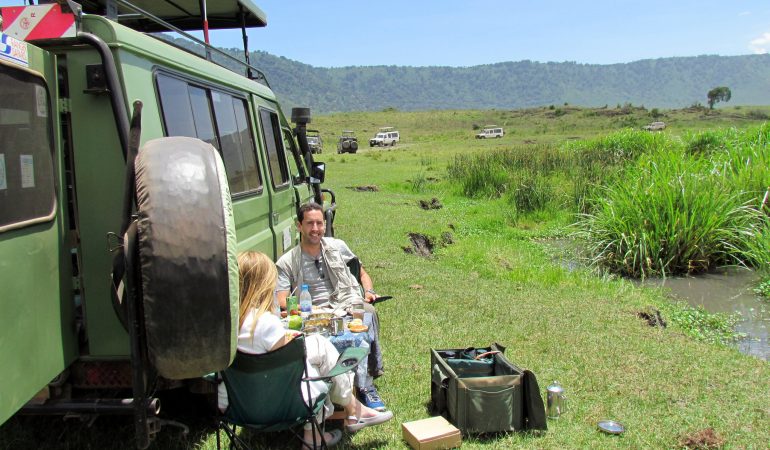
East Africa Adventure Safaris
What are the top destinations for adventure tours in East Africa?
East Africa is one of the most exciting regions in the world for adventure seekers because it is packed with incredible landscapes, diverse wildlife, and unique cultures. The best destinations depend on what kind of adventure you’re looking for, but here are the highlights:
- Serengeti National Park (Tanzania) – Known for its incredible wildlife and the Great Migration, this is where millions of wildebeests, zebras, and other animals move in search of water and food each year. Think of it as nature’s biggest road trip! You can take a safari in an open jeep, visit local Maasai villages, and enjoy the endless plains.
- Mount Kilimanjaro (Tanzania) – If trekking is your thing, Kilimanjaro is a dream destination. It’s the tallest mountain in Africa, often called “The Roof of Africa.” Even though it’s a challenge, many people of all skill levels attempt the hike every year because it’s a non-technical climb (you don’t need ropes or serious mountaineering experience).
- Masai Mara National Reserve (Kenya) – This is another must-visit spot for those who love safaris and wildlife. It’s especially famous for spotting the “Big Five” animals: lions, elephants, buffalo, leopards, and rhinos. Plus, it connects with the Serengeti, so you can witness the migration here too.
- Bwindi Impenetrable Forest (Uganda) – This place is an adventurer’s paradise for gorilla trekking. You can hike through the dense jungle to see critically endangered mountain gorillas in their natural habitat, which is truly a once-in-a-lifetime experience.
- Ngorongoro Crater (Tanzania) – If you want something totally unique, this ancient volcanic crater is breathtaking. Because it’s like a natural zoo – huge animals like elephants, lions, and hippos are all stuck together in this scenic, bowl-like landscape.
- Lake Naivasha (Kenya) – Perfect for outdoor lovers who want a mix of water-based adventures and wildlife. You can take boat rides while spotting hippos and birds or visit Crescent Island to walk among zebras and giraffes.
East Africa is a paradise for explorers whether you want to climb mountains, go on a safari, or dive into local cultures. It’s a mix of jaw-dropping scenery and wild experiences like nowhere else!
What types of adventure activities are popular in East Africa?
East Africa is packed with exciting activities for thrill-seekers or people who just want to experience nature and culture up close. Here’s a breakdown of the most popular adventures:
- Safari Tours – These are the most famous activities. People love driving through parks to see wild animals like lions, elephants, giraffes, cheetahs, and rhinos. Safaris can be done in places like the Serengeti (Tanzania) or Masai Mara (Kenya).
- Mountaineering and Hiking – Climbing Mount Kilimanjaro (Tanzania) is a bucket-list goal for many adventurers. There’s also Mount Kenya, which is the second-highest peak in Africa and offers challenging hikes through beautiful mountain scenery.
- Gorilla Trekking – Imagine walking through dense forests to quietly observe gorillas in the wild. Bwindi in Uganda and Volcanoes National Park in Rwanda are the best places to do this. It’s hard work, but the payoff is unforgettable.
- Hot Air Balloon Rides – If hiking feels like too much, you can still get adventure by floating over the Serengeti or the Masai Mara in a hot air balloon. It’s peaceful but thrilling as you spot herds of animals below.
- Water Adventures – Lakes and rivers in East Africa offer activities like kayaking, fishing, and boat safaris. One fun spot is Lake Victoria, close to major cities and brimming with life.
- Cycling and Walking Safaris – For those who want to avoid cars, walking or biking trips through parks give you a closer connection to the wildlife and scenery (but with a trained guide, of course, for safety!).
- Cultural Immersion – Visiting local communities like the Maasai or Samburu tribes is a different kind of adventure. You can learn their traditional dances, dress, and practices while gaining a deeper understanding of their history and lifestyle.
- Waterfall and Forest Exploring – East Africa also has hidden gems like waterfalls in the Aberdare Range, rainforests to hike through, or even caves to explore.
In short, East Africa has something for every kind of adventurer. Whether you want to climb high mountains, experience wildlife close-up, or dive into fascinating cultures, there’s no shortage of activities to excite and inspire you.
What is the best time of year to embark on an East Africa adventure tour?
Timing is everything when it comes to East Africa safari tours. This region, located near the equator, experiences two main seasons: the dry season (less rain) and the wet season (more rainfall). The best time to embark on an East Africa wildlife safari depends on your desired activities, but generally, the dry seasons are the most favorable for wildlife viewing.
1. Dry Seasons (June to October and December to February)
- Why It’s Good: These months have less rain, which means animals are easier to spot because they gather around the remaining water sources. The dry, sunny weather also makes hiking and moving around parks easier (no muddy roads!).
- Key Activities: This is prime safari season, especially for the Great Migration in Kenya and Tanzania (July to September). If you want to climb Mount Kilimanjaro, the weather is also more predictable during these months. Gorilla trekking in Uganda or Rwanda is fantastic during the dry months because the forest trails are less slippery.
- Example: Picture yourself in the Serengeti in July or August – small vehicles surround a river where thousands of wildebeests are crossing the croc-filled waters. It’s iconic!
2. Wet Seasons (March to May and November)
- Why It’s Different: These months have heavier rain, so some roads can get muddy and difficult to pass. However, this is also the “low season” for tourists, so there are fewer crowds. Plus, the landscape becomes lush and green after the rains, and it’s cheaper to book tours and accommodations.
- Key Activities: While the rains can make safaris trickier, this is a great time for birdwatching because migratory birds arrive. It’s also the birthing season for many animals, so you might see baby animals during your adventure!
3. Special Events to Consider
- Great Migration: If you’re chasing wildebeests, July through September is the best time. For the calving season (baby wildebeests being born), January and February are ideal in the Serengeti.
- Festivals: You might also want to time your visit around local festivals for a mix of culture and adventure. For example, Zanzibar’s Sauti za Busara music festival happens in February.
In summary, the best time for an East Africa safari depends on your goals. Most people choose the dry seasons, but the wet months can surprise you with unique experiences, fewer crowds, and lower prices during East Africa safaris.
How do I prepare for an adventure tour in East Africa?
Preparing for an East Africa safari adventure tour requires careful planning to ensure you enjoy your trip while staying safe and comfortable. First, research the region you’re visiting and learn about the specific culture, climate, and activities. East Africa includes countries like Kenya, Tanzania, Uganda, and Rwanda, each offering unique experiences such as safaris, mountain treks, or gorilla tracking.
Packing is a critical part of preparation. Bring lightweight, breathable clothes for the warm days, but also pack some warm layers for cooler evenings or higher altitudes. Neutral-colored clothing is essential for safaris to blend into the environment, as bright colors can scare off animals. Don’t forget sturdy hiking boots, a hat, sunscreen, insect repellent, and a refillable water bottle.
Health is also important. Visit a travel clinic at least six to eight weeks before your trip to get necessary vaccinations, like yellow fever and typhoid, and preventive medication, such as antimalarials. Carry a basic first-aid kit with items like band-aids, antiseptic cream, painkillers, and any personal prescription medications you might need.
Make sure your travel documents are in order. You’ll need a valid passport (with at least six months of validity left), a visa (depending on your destination country), and travel insurance that covers things like medical emergencies, trip cancellations, and adventure travel activities.
Finally, get physically ready if your trip involves strenuous hikes or activities. Start exercising a few months in advance, focusing on cardio and stamina. Preparing mentally is also key, keep an open mind and embrace the cultural differences to make the most of your experience.
What wildlife can I expect to see on East Africa adventure tours?
East Africa is one of the world’s best destinations for thrilling wildlife encounters, thanks to its diverse ecosystems. You will most likely see members of the “Big Five” animals, lions, leopards, elephants, buffalo, and rhinos, which are the hallmark of east africa safaris. For instance, the Maasai Mara (Kenya) and Serengeti (Tanzania) are famous for their large populations of lions and leopards.
A highlight for many visitors is the Great Migration, where over a million wildebeest, zebras, and other animals move in a dramatic loop between the Serengeti and Maasai Mara. If you’re lucky, you might witness a river crossing, this is when wildebeest cross crocodile-infested waters, which is both nerve-wracking and awe-inspiring.
Beyond the Big Five, you’ll get to see animals like giraffes (eating leaves high in the trees with their long necks), hippos lounging in rivers, and cheetahs sprinting across open plains. Don’t forget about the birdlife! East Africa is home to hundreds of beautiful bird species like flamingos, ostriches, and crowned cranes, making it a prime destination for birding safaris.
If you visit Uganda or Rwanda, you’ll have the rare opportunity to see mountain gorillas in their natural habitat. Gorilla trekking is an unforgettable experience where you hike through dense forests to observe these gentle giants up close. Chimpanzee tracking is another exciting option, especially in Kibale Forest, Uganda.
Lastly, coastal regions like Tanzania’s Zanzibar and Kenya’s coastline allow you to spot marine wildlife. You can take boat trips to see dolphins, go snorkeling to spot colorful fish, or even dive with sharks and sea turtles. Essentially, East Africa’s wildlife viewing tours offer endless opportunities to connect with nature.
What are the costs associated with East Africa adventure tours?
The costs of an East Africa safari adventure tour can vary significantly depending on your itinerary, travel style, and the duration of your trip. On average, expect to spend anywhere from $1,500 to $10,000 per person for a multi-day trip, with the cost fluctuating based on luxury levels and included activities. Engaging in East Africa safaris can be one of the most rewarding travel experiences you can have.
A safari is typically the most expensive component of an East African adventure. Budget safaris (around $150–$300 per person per day) often involve shared vehicles and basic accommodations like tents or budget lodges. Mid-range safaris (roughly $350–$700 per person per day) include private or semi-private tours, upgraded lodges, or tented camps with better facilities. Luxury safaris can cost upwards of $1,000 per person per day, offering high-end lodging, gourmet meals, and exclusive experiences that make for the ultimate East Africa safari.
Specialized activities like gorilla trekking are an additional expense. A gorilla trekking permit in Rwanda costs $1,500 per person, while Uganda’s costs $700. These fees support conservation efforts, but they are a significant expense for wildlife enthusiasts eager to track gorillas in their natural habitat.
Other costs to keep in mind are flights, visas, and vaccinations. Roundtrip flights to East Africa from regions like the U.S. or Europe can cost $800–$1,500. Visas vary by country, but they are generally around $50–$100. Vaccinations and medications, like yellow fever shots and malaria pills, can add a few hundred dollars to your budget.
Lastly, don’t forget daily expenses like tips for guides (around $10–$20 per day per guide), food, drinks, and souvenirs. Traveling on a strict budget is possible, but East Africa adventure tours are often an investment. Carefully planning your spending will ensure you stay within your budget while enjoying an unforgettable experience exploring the beautiful attractions of the region.
How can I ensure my safety while on an East African adventure?
Ensuring safety while on an East Africa safari adventure doesn’t have to be scary if you follow some simple tips and guidelines! First, do your research ahead of your trip. Look up the specific countries you’ll be visiting (like Kenya, Tanzania, Uganda, or Rwanda) and check travel advisories from your government for any updates. For example, some areas may have political tensions or higher crime rates, so it’s good to know which places to avoid.
When you’re at your destination, stick to reputable tour companies with good reviews. These companies usually have experienced guides who know the safest routes, cultural norms, and how to handle any wildlife encounters. For instance, if you’re going on East Africa safaris, your guide will advise you to stay inside the vehicle and keep your distance from animals to avoid accidents.
Health safety is also important. East Africa has some risks like malaria or traveler’s diarrhea, so pack necessary medications, use insect repellent, and drink bottled or boiled water. Vaccinations, such as those for yellow fever, are often required or recommended, so consult with a healthcare provider before your trip.
In terms of personal safety, avoid flashing valuables, like expensive cameras or jewelry, especially in crowded areas or cities, as this could attract pickpockets. Always keep your belongings close and use anti-theft bags if possible. Sticking to group tours is also safer than traveling alone, particularly during wildlife viewing excursions.
Lastly, trust your instincts. If a situation feels off, step away or seek help. Overall, by staying alert, respecting local advice, and preparing properly, you can have a safe and unforgettable adventure in East Africa.
What cultural experiences can I expect during an East Africa adventure tour?
East Africa is rich in culture and traditions, making it an ideal destination for east africa safari tours that promise amazing cultural experiences during your adventure! The region boasts diverse ethnic groups, each with unique languages, music, food, and customs.
One highlight of your cultural journey could be meeting the Maasai people. They are a semi-nomadic group in Kenya and Tanzania, known for their bright red shúkàs (traditional clothing), intricate beadwork, and jumping dances called “adumu.” You might get to visit a Maasai village during your east africa safaris and learn about their way of life, even participating in their dances. It’s a great way to understand their deep connection with the land and wildlife.
Food is another big part of the experience. You’ll get to try dishes like ugali (a maize-based staple), nyama choma (grilled meat), or sukuma wiki (a vegetable dish). In Ethiopia, you might experience an elaborate coffee ceremony, where locals roast, grind, and brew coffee right in front of you, it’s a social event filled with tradition and meaning.
Music and dance are everywhere! Whether you’re in Uganda at a traditional drumming performance, or watching the Swahili-inspired Taarab music along the Tanzanian coast, you’ll see how much locals embrace their arts. In some cases, you may even be invited to join in!
You can also explore East Africa’s historical and religious heritage. Zanzibar’s Stone Town is a cultural gem packed with stories of the spice trade and its Swahili-Arabic influences. In Uganda, visiting traditional kingdoms like Buganda offers insight into centuries-old monarchies and rituals. These cultural encounters will leave you with a deeper appreciation of the people and their way of life.
Are there any must-visit national parks or reserves in East Africa?
Yes! East Africa is famous for its incredible national parks and reserves that showcase some of the world’s most stunning landscapes and wildlife.
The Serengeti National Park in Tanzania is a must-visit for anyone who loves wildlife. It’s famous for the Great Migration, where millions of wildebeests and zebras travel across the plains in search of water and greener pastures. Imagine seeing thousands of animals move at once, it’s truly awe-inspiring! You may also spot lions, cheetahs, and elephants here.
In Kenya, the Masai Mara is another top destination. It connects with the Serengeti and is known for similar wildlife spectacles, but with the chance to see the Big Five (lion, elephant, buffalo, leopard, rhinoceros). It’s also an excellent spot for photography due to its golden savannas.
Uganda’s Bwindi Impenetrable Forest is a completely different experience, focusing on mountain gorillas. Gorilla trekking here is a once-in-a-lifetime chance to get up close (but not too close!) with these gentle giants in their natural environment.
If you love unique landscapes, visit Ngorongoro Crater in Tanzania. It’s a giant volcanic crater teeming with animals like rhinos and hippos. Think of it as a natural zoo where animals roam freely.
Finally, don’t miss Tanzania’s Mount Kilimanjaro National Park. It’s home to Africa’s highest mountain, and while climbing it is an adventure, even exploring the lower regions offers stunning scenery.
These parks offer unforgettable adventures and are key reasons why East Africa is on every nature lover’s bucket list.
What kind of accommodations are available on East Africa adventure tours?
When embarking on an East Africa safari, you will have a variety of accommodation options, depending on your preferences, budget, and the type of trip you choose. These accommodations can range from basic and rustic to luxurious and high-end, ensuring a memorable experience for every traveler.
One popular option for those seeking adventure is camping. Many East Africa safari tours offer tented camps, which can be either mobile (set up temporarily as you travel) or permanent. These range from simple tents in the wild with a sleeping bag to more luxurious setups known as “glamping,” featuring en-suite bathrooms, comfortable beds, and even gourmet meals prepared on-site.
For example, in Kenya’s Maasai Mara, you can stay in camps like the Governor’s Camp, offering the thrill of being close to nature but with modern comforts.
For those looking for a bit more comfort, lodges are a great choice. Lodges are permanent structures located within or near national parks and reserves, designed to blend into the natural surroundings. They often come with spacious rooms, dining areas, and sometimes even pools. For instance, in Serengeti National Park (Tanzania), lodges such as the Serengeti Serena Safari Lodge provide breathtaking views of the plains while offering warm beds and delicious meals.
If you’re looking for high-end luxury, eco-lodges and boutique resorts are also available. These establishments combine opulent accommodations with a focus on sustainability and conservation. For instance, Giraffe Manor in Kenya offers luxurious rooms where giraffes might poke their heads through the windows during breakfast.
For budget travelers, there are budget hotels, backpacker hostels, or guesthouses in towns and cities near adventure hotspots. They provide basic but clean facilities at a lower price range, such as hostels in Arusha, Tanzania, which are popular with trekkers aiming for Mount Kilimanjaro.
In short, East Africa caters to all kinds of travelers, whether you’re on a shoestring budget or seeking unmatched luxury. You just need to decide how much adventure and comfort you want on your future trip!
How do I pick a reputable tour company for an East Africa adventure?
Choosing a reputable tour company for your East Africa adventure is crucial to ensure a safe, enjoyable, and authentic experience. Here’s a step-by-step guide:
- Check Reviews and Testimonials: Start by reading reviews on platforms like TripAdvisor, Google Reviews, or SafariBookings.com. Pay attention to recent reviews, as they reflect the company’s current quality of service. Look out for themes in the feedback: Are their tours punctual? Are the guides knowledgeable? Were the vehicles comfortable and safe?
- Verify Their Credentials: Ensure that the company is licensed and registered with relevant tourism authorities. In Kenya, for example, look for registration with the Kenya Association of Tour Operators (KATO), or in Tanzania, check for membership with the Tanzania Tour Operators Association (TATO). These organizations only work with reputable companies.
- Understand Their Focus: Choose a company whose mission aligns with your goals. Some companies specialize in luxury safaris, while others cater to budget travelers. Others may focus on adventure activities like hiking or cultural experiences like meeting local tribes.
- Ask About Their Guides: A good guide can make or break your trip. Ask if the tour company uses certified guides, ideally those with wildlife and cultural training. Experienced guides also tend to speak multiple languages and know how to tailor the experience to your interests.
- Prioritize Safety: Ask what safety protocols the company has in place. Do they carry first aid kits? Are vehicles well-maintained? Do they have emergency evacuation protocols in case of accidents or illnesses?
- Evaluate Responsiveness: Reach out to the company with questions before booking. How quickly and clearly do they respond? A responsive company indicates professionalism and reliable customer service.
- Eco-consciousness: Many tourists today prefer to work with companies that prioritize environmentally responsible practices. Ask about their policies on sustainability and whether they support local communities.
For example, a company like “&Beyond” (operating in Kenya and Tanzania) is known for luxury safaris and conservation work, whereas a budget-friendly option like “Acacia Africa” focuses on overland tours and exciting group adventures.
In summary, research thoroughly, ask the right questions, and pick a company that matches your needs and values.
What travel documents and vaccinations are required for East Africa adventure tours?
When traveling to East Africa for an adventure tour, it’s essential to organize your travel documents and health requirements well in advance to avoid issues. Here’s what you need to know:
- Passport: You’ll need a valid passport with at least six months of validity from your date of arrival. Additionally, ensure your passport has a few blank pages for visa stamps.
- Visa: Most East African countries require tourists to obtain a visa. Countries like Kenya, Tanzania, Uganda, and Rwanda offer e-visas that you can apply for online before your trip. Alternatively, some borders and airports issue visas on arrival, but it’s better to check ahead to avoid surprises. For example, the East Africa Tourist Visa allows multiple entries to Kenya, Uganda, and Rwanda and is ideal if you plan to visit more than one country.
- Vaccination Certificate: Many East African countries require proof of Yellow Fever vaccination, especially if you are arriving from a country where Yellow Fever is a risk. You’ll need to carry your Yellow Fever Certificate (often referred to as the “Yellow Card”).
- Other Recommended Vaccinations: In addition to Yellow Fever, the following are commonly recommended:
- Hepatitis A and B
- Typhoid
- Rabies (especially if you plan on spending time in rural areas or around animals)
- Meningitis
- Malaria Prevention: East Africa is a malaria-prone region, so it’s strongly advised to take malaria prophylaxis (medication to prevent malaria). Consult your doctor regarding the best option for you. Also, pack mosquito repellent and use mosquito nets where provided.
- Travel Insurance: While not a physical document, comprehensive travel insurance is essential. It should cover medical emergencies, evacuations, and travel-related disruptions such as cancellations.
- Permits for Activities: If you’re planning special experiences, like gorilla trekking in Uganda or Rwanda, you’ll need to purchase permits in advance. These permits are limited in number and can sell out months before your trip.