
Inquire Now
Kidepo Valley safaris in Uganda's far northeast: buffalo herds, lions and cheetahs in a mountain-ringed valley in Karamoja, reached by charter flight or a long road trip from Kampala. We plan the route and lodges for you.
Kidepo Valley National Park is a 1,442 square kilometre savannah park in Karamoja, in the far northeast of Uganda, beside the South Sudan border and a few kilometres from Kenya. Travellers go for big buffalo herds, lions and cheetahs in a mountain-ringed valley with very few other vehicles. Reaching it takes a charter flight of about two hours or roughly ten hours by road from Kampala, and entry costs USD 40 per foreign adult per day.
 4 Days
 7 Days
Prefer your own dates and lodges? Ask for a tailor-made quote.
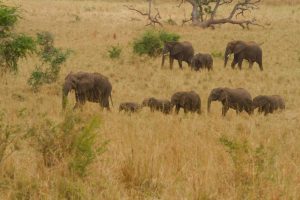
A 4-day fly-in safari to Kidepo Valley National Park in Uganda's far north-east, with game drives in the Narus Valley, the remote Kidepo Valley and…
Safari Details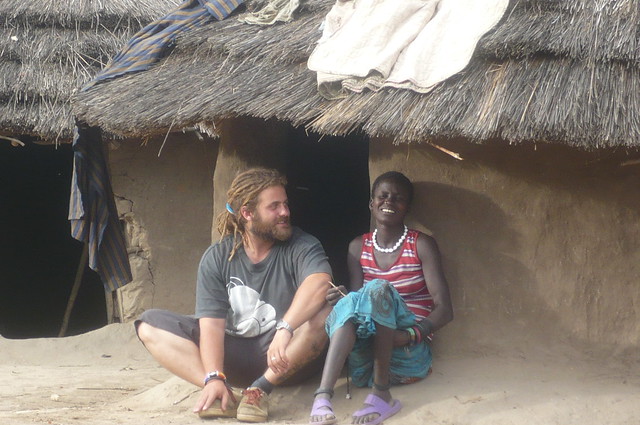
Trip taking you to unusual destinations here, wildlife, culture, hikes and so much more.
Safari DetailsKidepo lies in Kaabong District in the Karamoja region of northeastern Uganda, near the small town of Karenga. Its northwestern boundary runs along the South Sudan border, and Kenya lies about 5 km to the east, UWA says. Moroto, the largest town in Karamoja, is about 220 km away by road.
Published distances from Kampala vary with the route. UWA's tariff lists Kidepo at 571 km, the longest drive to any Ugandan national park, while the authority's park page rounds the longer Karamoja routes to about 700 km. Park headquarters, the airstrip and most beds are at Apoka, in the Narus Valley.
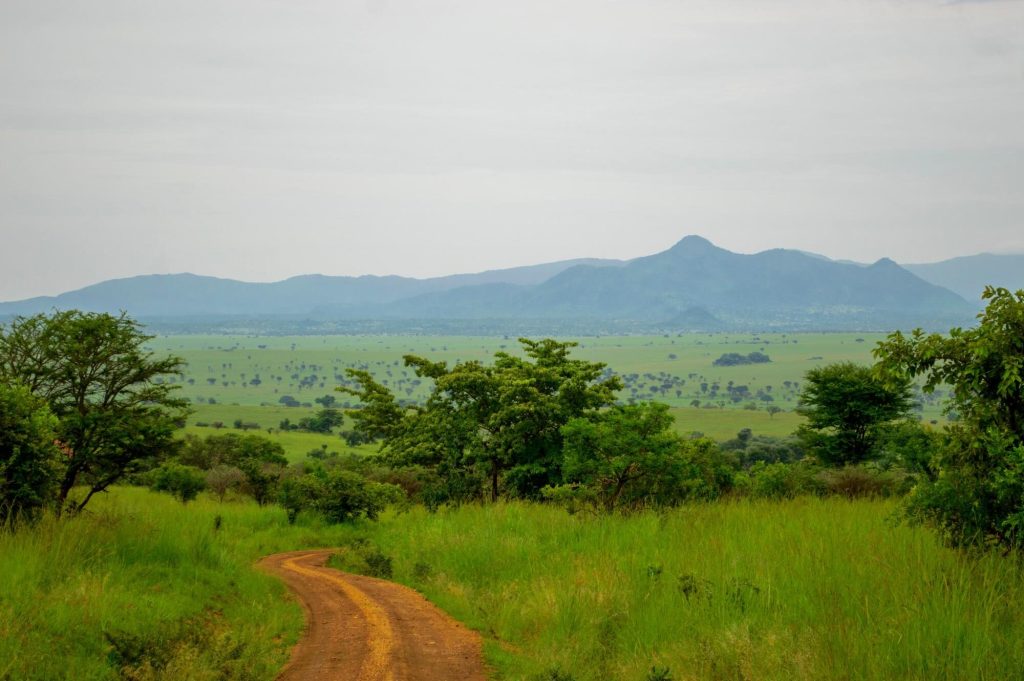
The best way to reach Kidepo is by charter flight to Apoka, UWA advises, and the alternative is a full day's drive of about 10 hours from Kampala through Gulu. Travellers with time often drive up one way through Gulu and return through Karamoja.
Flights to Kidepo run as charters, taking about two hours from Entebbe, according to Apoka Safari Lodge. Many websites quote a fixed timetable of scheduled flights, but Aerolink Uganda's current published timetable lists no Kidepo service, so treat any schedule as unconfirmed until the airline or your lodge confirms it. UWA charges a landing fee of USD 40 for a 7 to 14 seat aircraft and UGX 50,000 for an airstrip pick up.
The most direct road runs north from Kampala through Gulu and Kitgum to Lokumoit Gate and takes about 10 hours, UWA says. Most itineraries break it with a night at Ziwa, Gulu or Kitgum.
Two longer routes run through eastern Uganda and Karamoja to Nataba Gate, passing Mbale, Sipi Falls and Moroto. They suit a circuit that includes Pian Upe Wildlife Reserve, which its managers put at about 250 km and five hours south of Kidepo.
Travellers visit Kidepo without incident every week, but the surrounding Karamoja region carries specific government travel advice that visitors should read before booking. UWA's own page says Karamoja was subject to banditry in the past and has been considered safe for several years.
The UK Foreign Office reports an increased security presence in Karamoja because of cattle theft, and armed raids and robberies linked to the cattle trade, some of them deadly. It adds that the attackers do not usually target foreign nationals, and it advises visitors to stay alert, avoid travel at night and take extra care near the South Sudan border. It also warns of flooding in the northeast from March to May and in October and November.
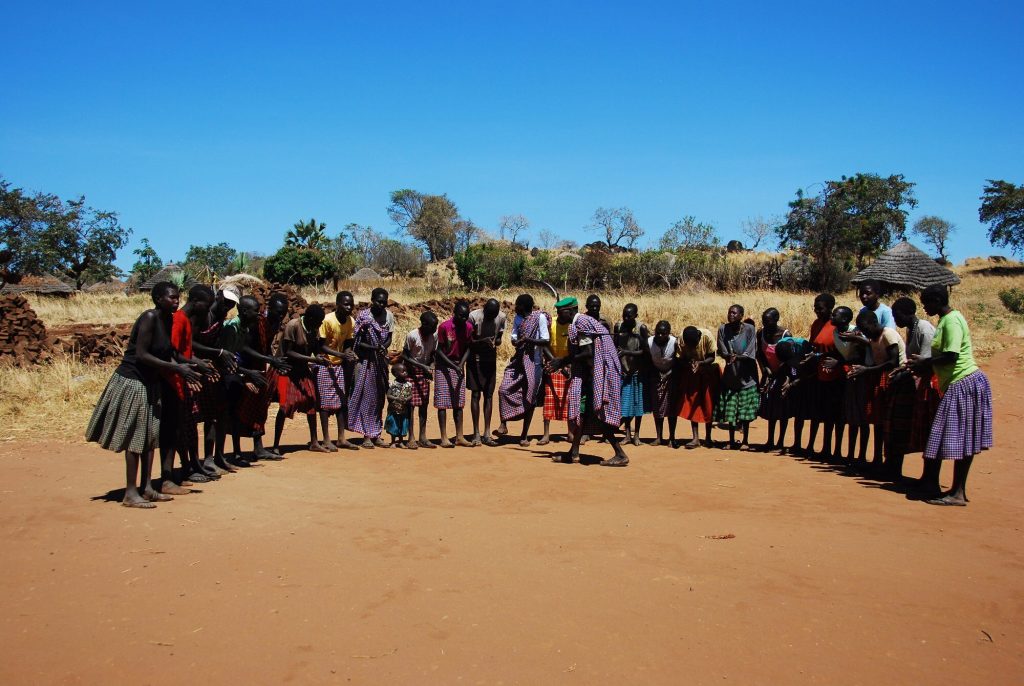
Travellers visit Kidepo for a savannah safari with very few other vehicles, in a valley walled by mountains on every side. UWA calls it Uganda's most remote national park, and that distance keeps visitor numbers far below Murchison Falls or Queen Elizabeth.
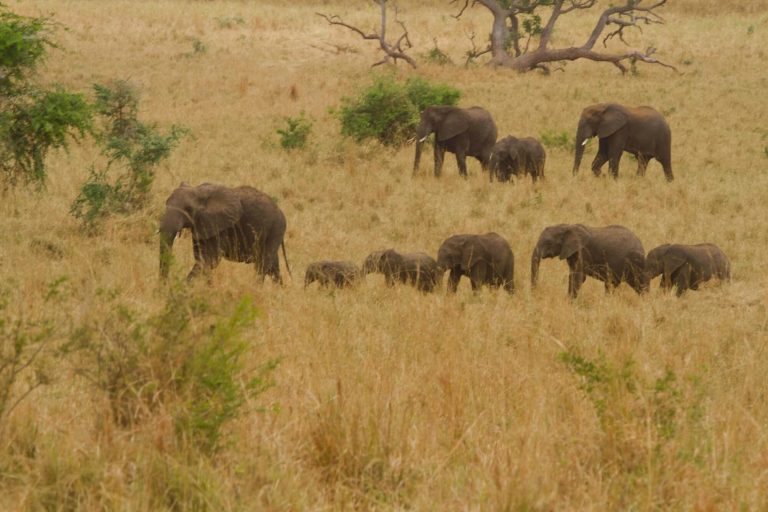
The wildlife matches the setting. UWA puts the buffalo population at 10,000 to 15,000, elephants at 650 to 1,000, and describes lions that rest on rocky outcrops above the plains. Kidepo is also the one Ugandan national park where cheetahs and ostriches live, and southern white rhinos have recently come back after more than 40 years.
The trade off is plain: getting there costs either a charter fare or two days of driving each way, so Kidepo suits trips of nine days or more, or travellers who have already seen the western parks.
The main safari activities in Kidepo are game drives in the Narus Valley, guided walks and birding, mountain hikes and visits to Karamojong and Ik communities. All start from Apoka, and UWA rangers lead anything on foot.
Narus Valley game drives are the core of a Kidepo safari, because the valley holds water through the dry months and draws most of the park's animals. A UWA ranger guide costs USD 20 per drive, rising to USD 25 from January, and lodges run their own drives too. Self-drivers without a guide pay USD 10 now and USD 50 under the January tariff.
Night game drives cost USD 30 per foreign visitor on the UWA tariff and look for nocturnal animals with a spotlight and a ranger. UWA requires its own guide on night drives.
Birding and nature walks cost USD 25 per foreign visitor and follow the Narus Valley on foot with an armed ranger. Walks leave early, before the heat builds.
UWA lists two ranger-led mountain hikes: the Kidepo Lonyili Summit Hike at USD 50 and the Lomej hike at USD 40 per foreign visitor. Ask at Apoka about route length and fitness before committing, since neither is described in detail in UWA's published material.
Community visits introduce two peoples who live around the park: the Karamojong, semi-nomadic cattle keepers, and the Ik, a small group displaced from the valley when the reserve was created. Visits are arranged through lodges and community guides, and fees are agreed locally.
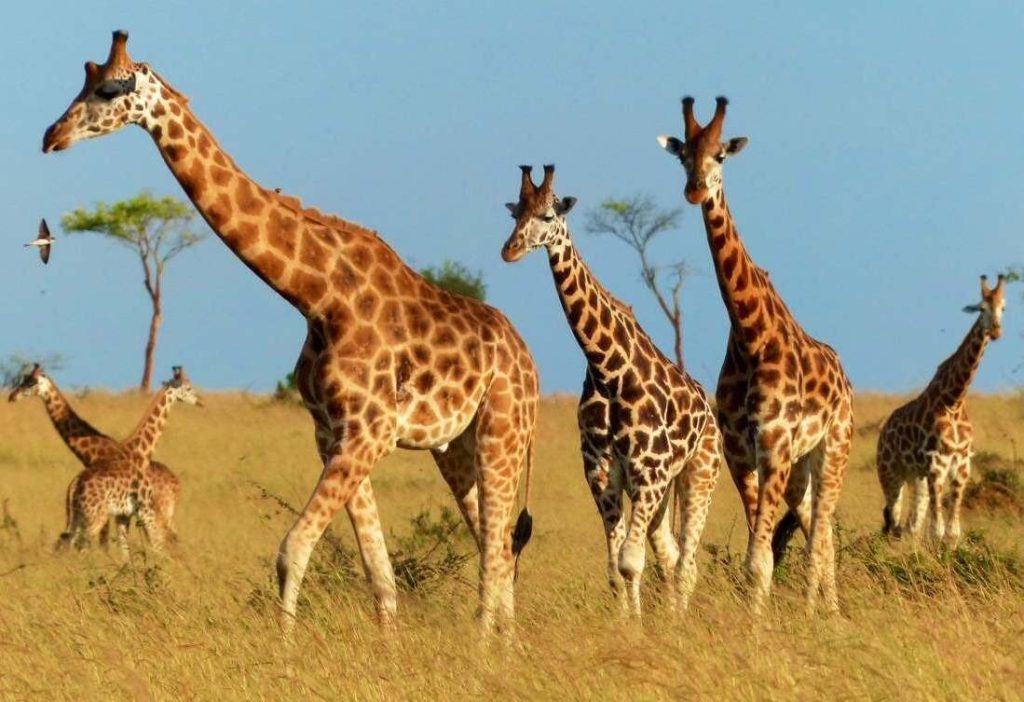
Kidepo Valley holds over 77 mammal species and 476 bird species, UWA says, including several animals found in no other Ugandan national park. Most sightings come in the Narus Valley, especially in the dry months.
Lions are the most often seen big cats and commonly rest on the granite outcrops near Apoka. Leopards are present but shy. Cheetahs live on the open plains, and the lodge at Apoka describes Kidepo as the only national park in Uganda with them; sightings take patience and luck.
Buffalo are the park's signature, with herds that can run into the thousands. Elephant numbers have grown from about 200 in the 1990s, UWA reports, and Rothschild's giraffes have recovered from only three animals in the mid 1990s to more than 50 after translocations. Zebras graze the valley floor alongside hartebeest.
UWA began returning southern white rhinos to Kidepo in March, moving the first animals from Ziwa Rhino Sanctuary into a fenced sanctuary inside the park, with eight planned in total. The last Kidepo rhino was killed in the Narus Valley in 1983. The tariff that starts in January lists a rhino tracking experience at USD 30 per foreign adult.
Kidepo is the only place in Uganda where ostriches roam free in a national park, UWA says. Secretary birds stride the plains, and dry country species such as the Abyssinian scimitarbill and northern carmine bee-eater draw birders who have already covered the western forests.
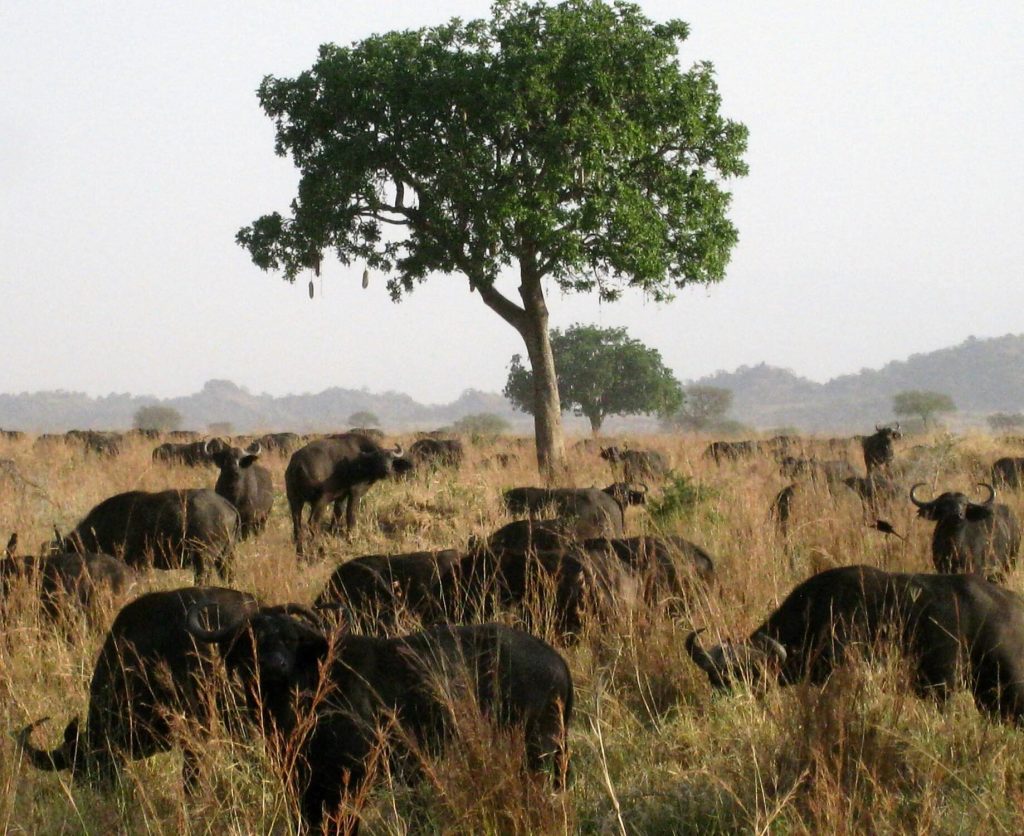
The main places to see in Kidepo are the Narus Valley, the drier Kidepo Valley with its hot springs, and the mountains that ring the park. Each needs at least half a day.
The Narus Valley, in the southwest of the park around Apoka, receives more rain than the rest of Kidepo and keeps pools of water when the rivers stop flowing. That makes it the prime game viewing area, UWA says, and the site of most lodges.
The Kidepo Valley lies north of Narus, a drier landscape of sand rivers lined with borassus palms. Kanangorok, a hot spring in the far north beside the South Sudan boundary, is the usual turning point for a day's drive. Game is thinner here, and the valley is less accessible than Narus.
Mount Morungole and neighbouring ranges frame every view from Apoka. The valley floors sit between about 910 and 1,200 metres, and the mountains rise far above them, which gives Kidepo its enclosed, amphitheatre feel.
Kidepo Valley National Park covers 1,442 square kilometres and is managed by the Uganda Wildlife Authority. The colonial government declared it a game reserve in 1958, and the newly independent government made it a national park in 1962.
Creating the reserve meant evicting the Ik and Ketebo people who lived there, a displacement that is still part of how the park is discussed. Poaching in the 1970s and 1980s then wiped out the rhinos and cut giraffe numbers to three, and much of the recent story is recovery: giraffes were translocated in, elephant numbers climbed, and rhinos are now returning.
Kidepo differs from Murchison Falls and Queen Elizabeth in three ways: it is far emptier, far drier, and far harder to reach. Murchison Falls sits 305 km from Kampala and Queen Elizabeth 389 km, against Kidepo's 571 km.
| Factor | Kidepo | Murchison Falls | Queen Elizabeth |
|---|---|---|---|
| From Kampala | 571 km | 305 km | 389 km |
| Entry, foreign adult | USD 40 | USD 45 | USD 40 |
| Boat safari | None | Nile launch | Kazinga Channel |
| Cheetah, ostrich | Yes | No | No |
Kidepo has no river cruise and no chimpanzees nearby, so it cannot replace the western circuit. What it adds is dry country wildlife and a sense of space the busier parks lost long ago.
The best months for a Kidepo Valley safari are the dry seasons from December to March and June to September, when animals gather at the Narus Valley's remaining water. The park is open all year, and the lodge at Apoka operates in every month.
The wet months turn the valley green and scatter the wildlife, and the UK Foreign Office warns of flooding on northeastern roads from March to May and in October and November. Lodge rates follow their own calendars, so the cheapest months at one lodge are not always the wettest.
Kidepo has one luxury lodge inside the park, midrange tented camps on the Narus Valley rim, and UWA bandas and campsites at Apoka. Choice is limited, so book before fixing flights or a driver.
Apoka Safari Lodge has 10 canvas-walled chalets on a rocky outcrop above the Narus Valley and is the only full service lodge inside the park, its operator says. Its most recent published rate sheet, which ran to the end of June, priced a shared chalet from USD 880 per person per night in the green season to USD 1,250 in high season, with meals, most drinks and two shared game activities a day included. Ask the lodge for current rates.
Kidepo Savannah Lodge is a tented camp on a ridge above the Narus Valley. Its published bed and breakfast rates are USD 165 a night for a double luxury safari tent and USD 80 for a double explorer's tent with shared bathrooms, and it runs its own game drives from USD 50 per person for a half day.
UWA's bandas at Apoka are the budget beds inside the park, beside headquarters. The UWA tariff does not publish a Kidepo banda rate, so book and confirm the price through UWA reservations. Camping follows the national tariff: UGX 40,000 per person a night at a public campsite and USD 30 to 40 at private and wilderness sites.
Kidepo entry costs USD 40 per foreign non-resident adult and USD 30 per foreign resident per 24 hours, with East African citizens paying UGX 20,000, on the UWA tariff. Children pay USD 20 in the foreign non-resident category.
| UWA fee | Foreign visitor | From January |
|---|---|---|
| Park entry, adult | USD 40 | USD 40 |
| Day game drive guide | USD 20 | USD 25 |
| Night game drive | USD 30 | USD 30 |
| Birding or nature walk | USD 25 | USD 25 |
| Self-drive, no guide | USD 10 | USD 50 |
| Lonyili Summit Hike | USD 50 | USD 50 |
| Rhino tracking | Not listed | USD 30 |
Vehicles pay separately. A Ugandan-registered tour vehicle or 4WD costs UGX 30,000 now and UGX 50,000 from January, while a foreign-registered one costs USD 150, rising to USD 250. The steep rise in the self-drive fee from January makes hiring a UWA ranger guide the cheaper choice for independent travellers.
A Kidepo trip needs three days by air and at least five by road, because the drive takes a day or more each way. These plans use the drive times published by UWA and the Pian Upe management.
Day one: charter flight from Entebbe to Apoka, about two hours, and an afternoon game drive in the Narus Valley. Day two: a morning drive, then the Kidepo Valley and Kanangorok hot springs. Day three: a dawn walk and the flight back.
Day one: Kampala to Ziwa or Murchison Falls. Day two: north through Gulu and Kitgum to Lokumoit Gate. Days three and four: Narus Valley drives, a walk and a community visit. Days five and six: back south with a night in Gulu.
Drive up through Gulu as above, spend three nights in Kidepo, then head south through Moroto to Pian Upe Wildlife Reserve, about five hours away, for giraffes and roan antelope. Finish at Sipi Falls, roughly two and a half hours from Pian Upe, before the road back to Kampala.
Traveller reports on Kidepo Valley agree on two points: the park feels empty, and the journey is longer than it looks on a map. This summary is drawn from 4 first-hand accounts on Reddit and the TripAdvisor Uganda forum, plus 2 Reddit threads where travellers asked about safety before going. That is a small sample, so read it as a guide to what people mention, not a survey.
None of the accounts described a security incident, but 4 reports cannot settle the question, which is why the official advice above matters more than any single trip report.
Yes, for travellers who have nine days or more or who can fly in: the park offers large buffalo herds, lions and cheetahs with very few other vehicles. On a shorter first trip, the two travel days each way are usually better spent in Murchison Falls and the primate parks.
By charter flight from Entebbe to Apoka, about two hours, or by road in about 10 hours from Kampala through Gulu to Lokumoit Gate. Longer routes run through Karamoja and Moroto to Nataba Gate.
Entry is USD 40 per foreign non-resident adult per 24 hours on the UWA tariff, USD 30 for foreign residents and UGX 20,000 for East African citizens. Guides, vehicles and activities cost extra.
Yes. UWA began reintroducing southern white rhinos from Ziwa Rhino Sanctuary in March, into a fenced sanctuary inside the park, with eight animals planned. Rhino tracking appears on the UWA tariff from January at USD 30.
All five species now live in the park: lion, leopard, elephant and buffalo on the plains, and the reintroduced rhinos in their sanctuary. Leopards are the hardest to see.
Plan three nights in the park. That allows two full days for the Narus Valley and one for the Kidepo Valley and hot springs, on top of the travel days.
Aerolink Uganda's current published timetable lists no scheduled Kidepo service, so flights operate as charters. Confirm any schedule or fare directly with the airline or your lodge before planning around it.
Insight Safari Holidays runs Kidepo Valley safaris with its own vehicles and Ugandan guides, by road through Gulu or Karamoja, and arranges charter flights for shorter trips. Send your dates and the team will plan the route, the lodge and the driving days around them.