
Inquire Now
Inquire Now

A Namibia safari is a road trip through desert landscapes as much as a wildlife holiday: red dunes at Sossusvlei, desert-adapted elephants and rhinos in Damaraland, the Skeleton Coast, and waterhole game viewing in Etosha. Since 1 April 2026, international adults pay N$280 per day to enter premium parks such as Etosha and Namib-Naukluft, plus a small vehicle fee, and many visitors also need a N$1,600 visa.
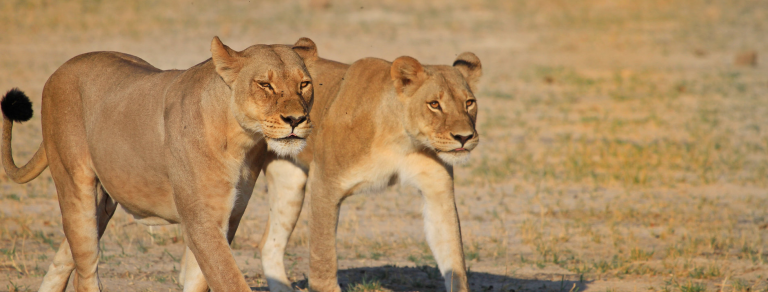
A 3-day safari from Windhoek to Etosha National Park in Namibia, with a full day of game drives around the salt pans and waterholes and…
Safari Details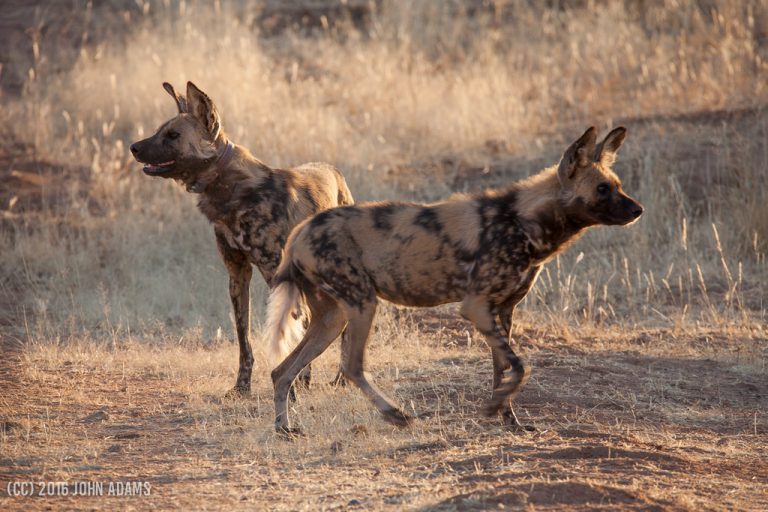
A 5-day Namibia safari from Windhoek with game drives in Etosha National Park, a visit to the rock engravings of Twyfelfontein and desert elephant tracking…
Safari Details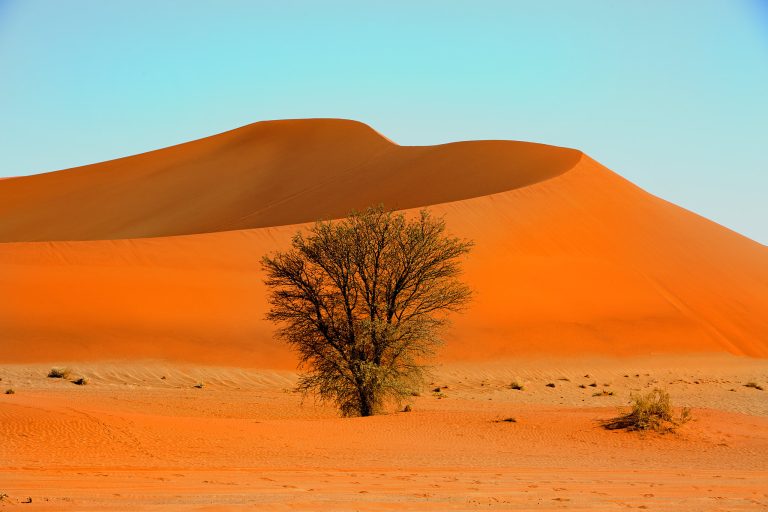
A 7-day Namibia safari from Windhoek, with game drives in Etosha National Park, the rock engravings of Twyfelfontein and desert elephant tracking in Damaraland, and…
Safari Details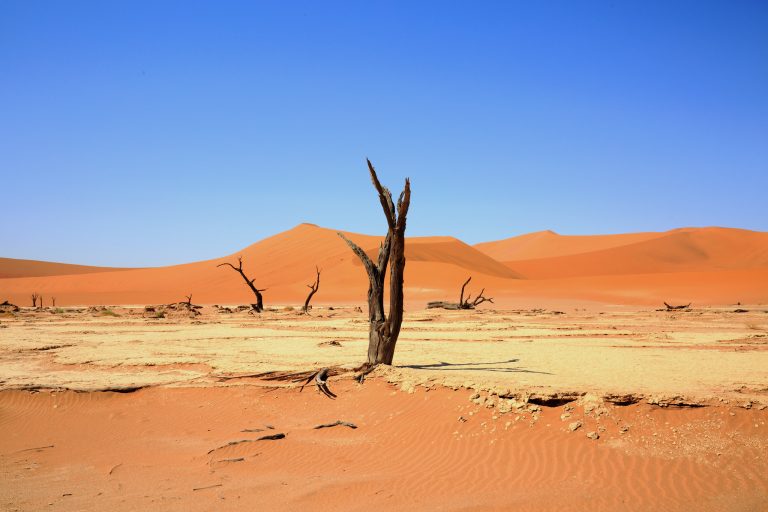
A 10-day Namibia safari from Windhoek to Etosha National Park, Damaraland, Swakopmund and Sossusvlei, with game drives in Etosha, the Twyfelfontein rock engravings, the desert-adapted…
Safari DetailsRead what past guests wrote, in their own words, on the sites where they posted it.
Namibia is one of the least densely populated countries in the world, and its appeal is space: long empty roads, clear night skies and landscapes that change from red dunes to granite mountains to fog-bound coast within a few days. Wildlife is part of the trip rather than the whole of it. Etosha gives classic big-game viewing, while elsewhere you look for animals that have adapted to the desert, such as elephants, black rhinos, lions and oryx.
Namibia is also a conservation success story. It wrote environmental protection into its constitution at independence in 1990, and more than 80 communal conservancies now let rural communities manage and earn income from wildlife on their land. Many lodges in Damaraland and the north-west are run in partnership with these conservancies.
Finally, Namibia is one of Africa's best countries for travelling by road. Main routes are well maintained, many of them gravel, and there is a good network of lodges and campsites. That makes it popular for self-drive and guided road trips, rather than the fly-in style typical of neighbouring Botswana.
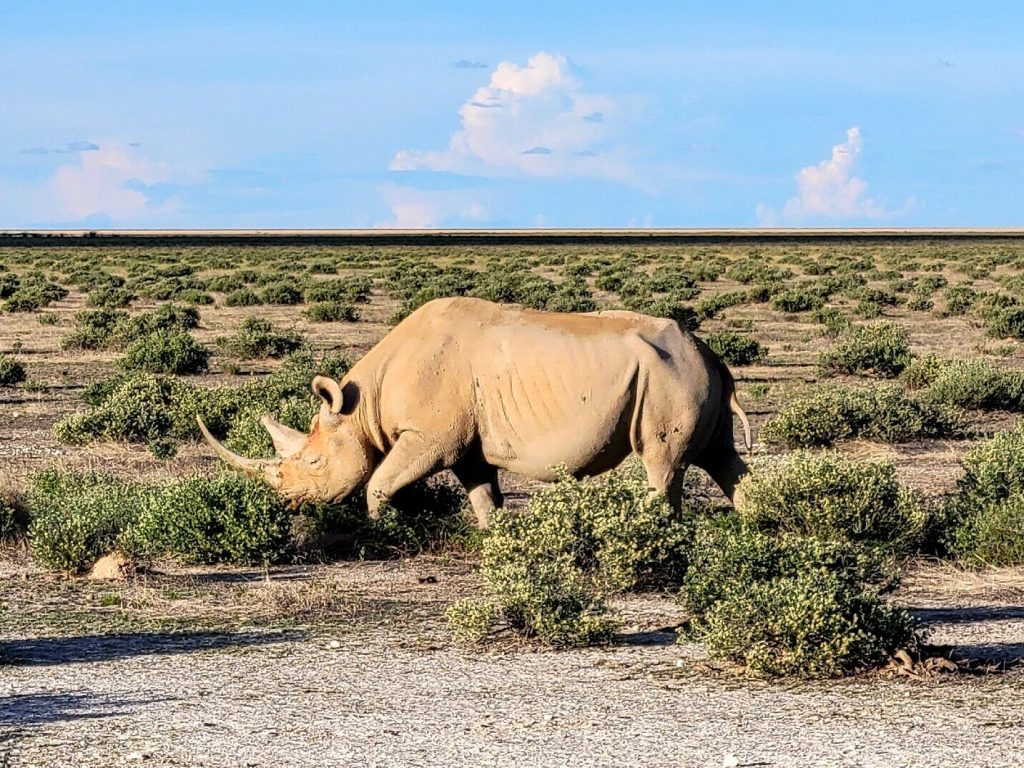
Etosha National Park covers about 22,270 square kilometres in northern Namibia and surrounds the Etosha Pan, a huge white salt flat. In the dry season, animals depend on a chain of springs and waterholes along the southern edge of the pan, so you can park at one and watch elephants, giraffes, zebras, springbok and lions come and go. Etosha is also one of the best places in Africa to see black rhinos, especially at the floodlit waterholes at the rest camps after dark.
Etosha is open to self-drive visitors, and the road network is easy to navigate in an ordinary vehicle. Gates open at sunrise and close at sunset, and visitors must stay on the roads. Lodges just outside the park, near Andersson Gate in the south and Von Lindequist Gate in the east, offer more choice than the camps inside.
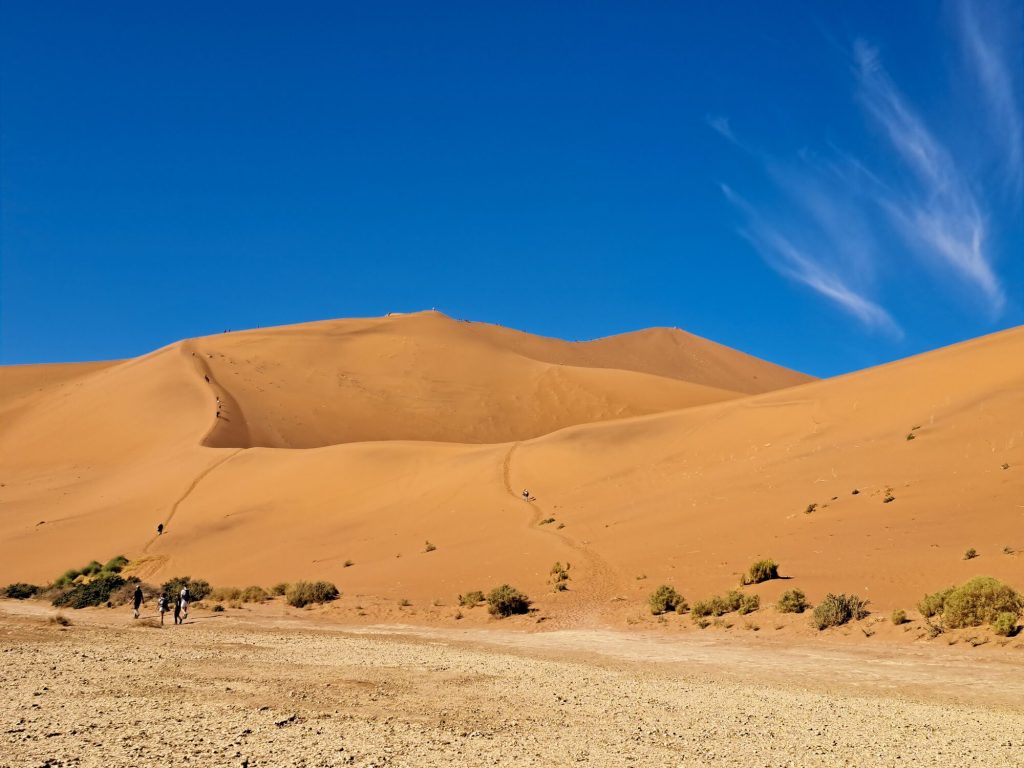
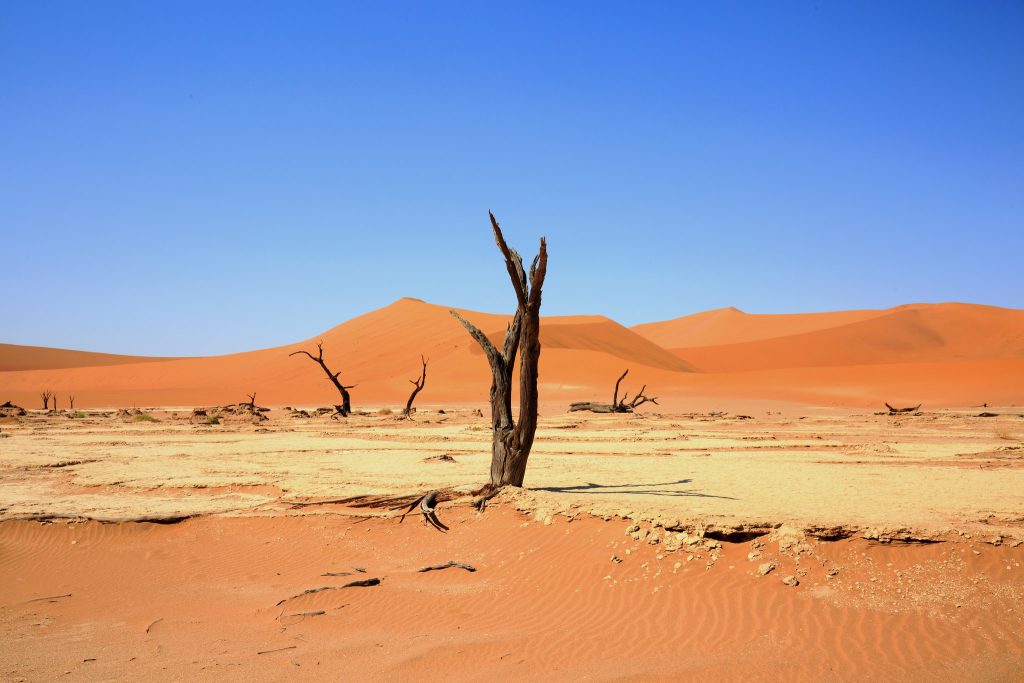
Sossusvlei lies in the Namib-Naukluft Park, one of the largest protected areas in Africa, and is the most photographed place in Namibia. It is a clay pan surrounded by some of the tallest sand dunes in the world, including Big Daddy, a climb of well over 300 metres. Nearby Deadvlei is a white clay pan scattered with dead camel thorn trees, set against red dunes.
The dunes are best at sunrise, when the light is soft and the sand is cool, so stay at Sesriem or nearby and enter the park as the gate opens. The last stretch to Sossusvlei is deep sand, crossed by 4x4 or a park shuttle. Other sights include Dune 45, Sesriem Canyon and hot-air balloon flights over the desert.
Damaraland, in the north-west, is a region of red rock, flat-topped mountains and dry river beds. Elephants here have adapted to the desert, walking long distances between water sources along the ephemeral rivers, and the area also supports black rhinos, which some conservancy lodges track on foot or by vehicle with local trackers.
Twyfelfontein, Namibia's first UNESCO World Heritage Site, inscribed in 2007, holds one of the largest collections of rock engravings in Africa, made by hunter-gatherer communities. Nearby sights include the Organ Pipes rock formation, the Petrified Forest and the Brandberg, Namibia's highest mountain.
The Skeleton Coast runs along Namibia's northern Atlantic shore, where cold ocean currents meet desert and create frequent fog. It is named after the whale bones and shipwrecks once scattered along the shore. The southern part is reached by road, with stops such as the Cape Cross seal colony, home to tens of thousands of Cape fur seals.
The remote northern section is mostly reached by light aircraft to a few concession camps, where guides lead drives through dunes, canyons and dry river valleys looking for desert-adapted lions, brown hyenas and elephants. It is one of the most isolated places you can visit in southern Africa.
Swakopmund is a seaside town with German colonial architecture, cafés and a cool coastal climate, and most road trips stop here for a night or two. It is the base for activities such as sandboarding and quad biking on the dunes, scenic flights and guided desert tours to look for small desert animals.
Walvis Bay, 30 minutes south, offers boat trips to see dolphins, seals and flamingos in the lagoon, and 4x4 excursions to Sandwich Harbour, where dunes drop straight into the sea. These activities are a welcome change of pace between long drives.
The Zambezi Region, formerly called the Caprivi Strip, is a narrow finger of land in Namibia's far north-east, bordered by rivers. It feels completely different from the rest of the country: green, wet and full of water birds. Bwabwata, Mudumu and Nkasa Rupara national parks protect floodplains and riverine forest with elephants, buffalo, hippos, red lechwe and sitatunga.
The region borders Botswana's Chobe and Linyanti areas, so it works well as a link between Etosha and the Okavango or Victoria Falls. Lodges along the Kwando and Chobe rivers offer boat trips and game drives at lower prices than across the border.
Namibia offers more ways to travel than most safari countries. The right choice depends on your budget, confidence on gravel roads and how much time you have.
Self-drive is the most popular way to see Namibia. You hire a car or a 4x4 with camping gear and follow a pre-booked route between lodges or campsites. Roads are generally good, but gravel driving calls for lower speeds and care, and distances between stops are often four to six hours. Fuel up whenever you can in remote areas.
A guided safari uses the same routes with a driver-guide who handles the driving and explains the wildlife, geology and culture. Small-group trips cut costs, while a private guide gives flexibility. This suits travellers who would rather watch the landscape than the road.
Light-aircraft trips link Sossusvlei, Damaraland, the Skeleton Coast and Etosha in a few hours rather than days, and the flights over the desert are a highlight. Fly-in trips cost more but suit shorter holidays and reach the northern Skeleton Coast. See our fly-in safaris page for how these trips work.
Namibia's park fees rose sharply on 1 April 2026 under a new schedule from the Ministry of Environment, Forestry and Tourism. Premium parks now charge international adults N$280 per day, and other parks N$200. Accommodation, car hire and fuel make up most of a trip's cost, and Namibia is generally good value compared with Botswana.
| Fee | International adult | Applies to |
|---|---|---|
| Premium parks | N$280 per day | Etosha, Namib-Naukluft (Sossusvlei), Skeleton Coast, Waterberg, Ai-Ais/Fish River Canyon, Dorob, Cape Cross |
| Other parks | N$200 per day | Zambezi Region parks, Daan Viljoen, Hardap and others |
| Children | Reduced rate; under-8s free | All parks |
| Vehicle, up to 10 seats | N$60 per day | Etosha and other parks |
| Visa, where required | N$1,600 (N$800 for children aged 6 to 11) | e-visa or visa on arrival |
As an example, two international adults spending a day in Etosha in a standard car pay N$620 in park and vehicle fees. Lodges and safari operators often include park fees in their rates, so check what is covered when you compare quotes.
The best time for a Namibia safari is the dry season from June to October, when wildlife gathers at Etosha's waterholes and days are clear and mild. Sossusvlei and the coast can be visited all year, though the desert is very hot from December to February. The rains from roughly January to April turn Etosha green and bring newborn animals and migrant birds, but game is more scattered.
| Months | Conditions | Best for |
|---|---|---|
| January to March | Hot, with afternoon storms in the north | Green Etosha, birding, fewer visitors |
| April to May | Rains ending, mild, clear air | Photography, good value |
| June to August | Dry, warm days, cold desert nights | Etosha waterholes, self-drive touring |
| September to October | Hot and very dry | Peak game viewing in Etosha |
| November to December | Heat building, first rains | Quieter lodges, early calving |
Ten to fourteen days is the right length for a first Namibia trip by road, covering Sossusvlei, Swakopmund, Damaraland and Etosha. With seven days, choose between the south (Sossusvlei and the coast) and the north (Etosha), or fly between areas. Add three to four days for the Zambezi Region, or to continue to Botswana and Victoria Falls.
Distances are long, so avoid one-night stops where possible and plan around four to six hours of driving on transfer days. Our 7-day Namibia safari and 10-day Namibia safari show how the main routes fit together.
Namibia suits travellers who want landscapes, road trips and desert wildlife at a moderate cost. Botswana suits those who want exclusive, water-based game viewing and can pay for it. South Africa suits first-timers who want reliable Big Five sightings, easy logistics and a wide range of budgets.
| Factor | Namibia | Botswana | South Africa |
|---|---|---|---|
| Signature experience | Sossusvlei dunes, Etosha | Okavango Delta | Kruger and private reserves |
| Main travel style | Self-drive or guided road trip | Fly-in between camps | Self-drive or lodge stays |
| Wildlife density | High in Etosha, low elsewhere | High in the north | High in Kruger area |
| Cost | Moderate | High | Low to high |
| Malaria | North only | North | Kruger area; much of the country free |
Namibia's Zambezi Region connects directly to northern Botswana, so a common route runs from Windhoek through Etosha, across the Zambezi Region to Chobe, and ends at Victoria Falls. The Okavango Delta can be added with a flight from Kasane or a drive to Maun. See our Okavango Delta safaris guide for ideas.
Victoria Falls lies on the border of Zambia and Zimbabwe, and both sides fit at the end of a northern route. Cape Town is a short flight from Windhoek and pairs well with a southern Namibia trip. From Uganda, Namibia can follow a gorilla trek with a connection via Johannesburg.
Since 1 April 2025, visitors from many countries, including the United Kingdom, the United States, Canada and much of Europe, need a visa for Namibia. You can apply online for an e-visa before travel or get a visa on arrival. Both cost N$1,600 for travellers over 11, N$800 for children aged 6 to 11, and nothing for younger children. Applying online in advance is recommended to avoid queues.
From 1 April 2026, international adults pay N$280 per day to enter premium parks such as Etosha, Namib-Naukluft and the Skeleton Coast, and N$200 per day in other parks. Children under 8 enter free, and older children pay a reduced rate. A vehicle with up to 10 seats costs N$60 per day. Fees are paid at park gates or included by your lodge or operator.
Namibia is one of the most popular self-drive countries in Africa, with good road signs, well-maintained gravel roads and plenty of lodges. The main risks are road-related: loose gravel, long distances, animals on the road and tiredness. Drive slowly on gravel, avoid driving after dark, carry water and a spare tyre, and fill up with fuel whenever you can in remote areas.
June to October is the best time to visit Etosha. With little water elsewhere, animals gather at the waterholes along the southern edge of the pan, so sightings are frequent and close. September and October are hottest but often give the best game viewing. From January to April the park is green and quieter, but animals are more widely spread.
Etosha holds four of the Big Five: elephant, lion, leopard and black rhino. Buffalo are absent from Etosha but can be found in the Zambezi Region parks in the north-east. Most visitors see elephants, lions and rhinos in Etosha, while leopards are seen less often. For more on where each species is easiest to find, see our Big Five guide.
Ten to fourteen days is ideal for a first road trip covering Sossusvlei, Swakopmund, Damaraland and Etosha. Seven days is enough for either the south or the north, or for a fly-in trip across several regions. Add three or four days if you plan to cross into Botswana or end at Victoria Falls, and avoid one-night stops to reduce time spent driving.
The north and north-east of Namibia, including the Zambezi Region and, seasonally, the Etosha area, carry a malaria risk, especially during the rains from roughly November to April. Sossusvlei, Swakopmund and the coast are generally low risk. Ask a travel health clinic for advice before you go, as recommendations depend on your route and the time of year.
Insight Safari Holidays can arrange a Namibia safari as a guided road trip, a self-drive with pre-booked lodges or a fly-in tour, on its own or combined with Botswana, Victoria Falls or gorilla trekking in Uganda. Contact us with your dates and interests.
Share your dates, group size, budget and the wildlife you most want to see.
A safari consultant sends a tailor-made itinerary with lodges, permits and travel times. Change anything you like.
We book your park fees, lodges, flights and guide, and look after you from arrival to departure.
A locally owned and established safari company operating in Uganda, Rwanda, Tanzania and Kenya. We plan and manage safaris with one clear responsibility in mind: to ensure that travel benefits the places, people, and wildlife that make it possible.
Every safari is carefully planned around your interests, schedule, comfort level, and travel goals.

Experienced safari consultants providing clear communication, detailed planning, and dependable service throughout.


